

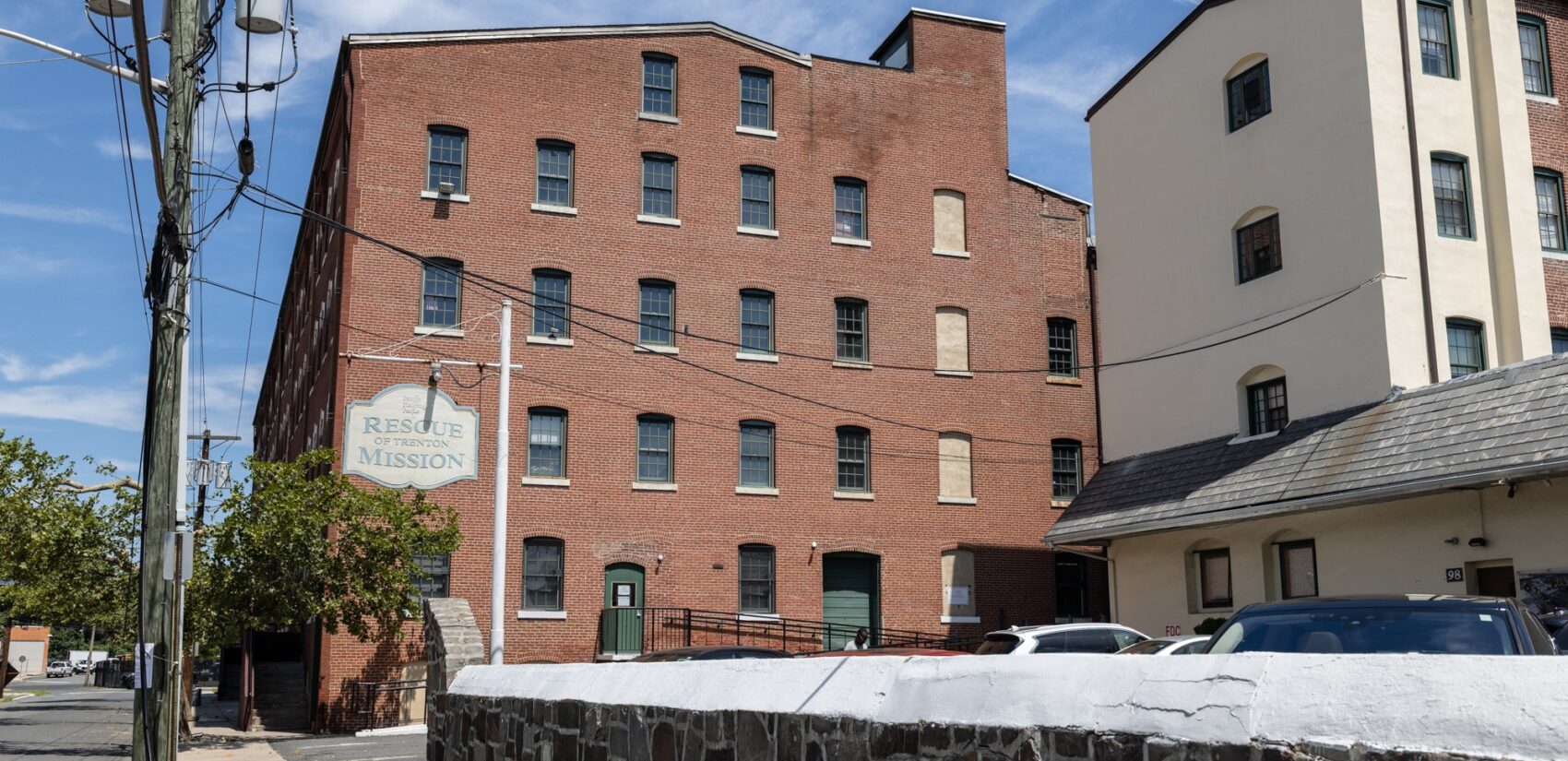
In New Jersey, the Rescue Mission of Trenton is helping to instill hope and change lives
After completing a sober living program, a man who was unhoused and addicted to drugs is now working as a peer recovery specialist.

From Camden and Cherry Hill to Trenton and the Jersey Shore, what about life in New Jersey do you want WHYY News to cover? Let us know.
Deshawn Spears started smoking crack cocaine when he was 16 years old. Sometimes he slept at his sister’s house, but he frequently found himself living on the street. During the course of several years, he enrolled in different programs to break his substance abuse, but each time he would quickly relapse.
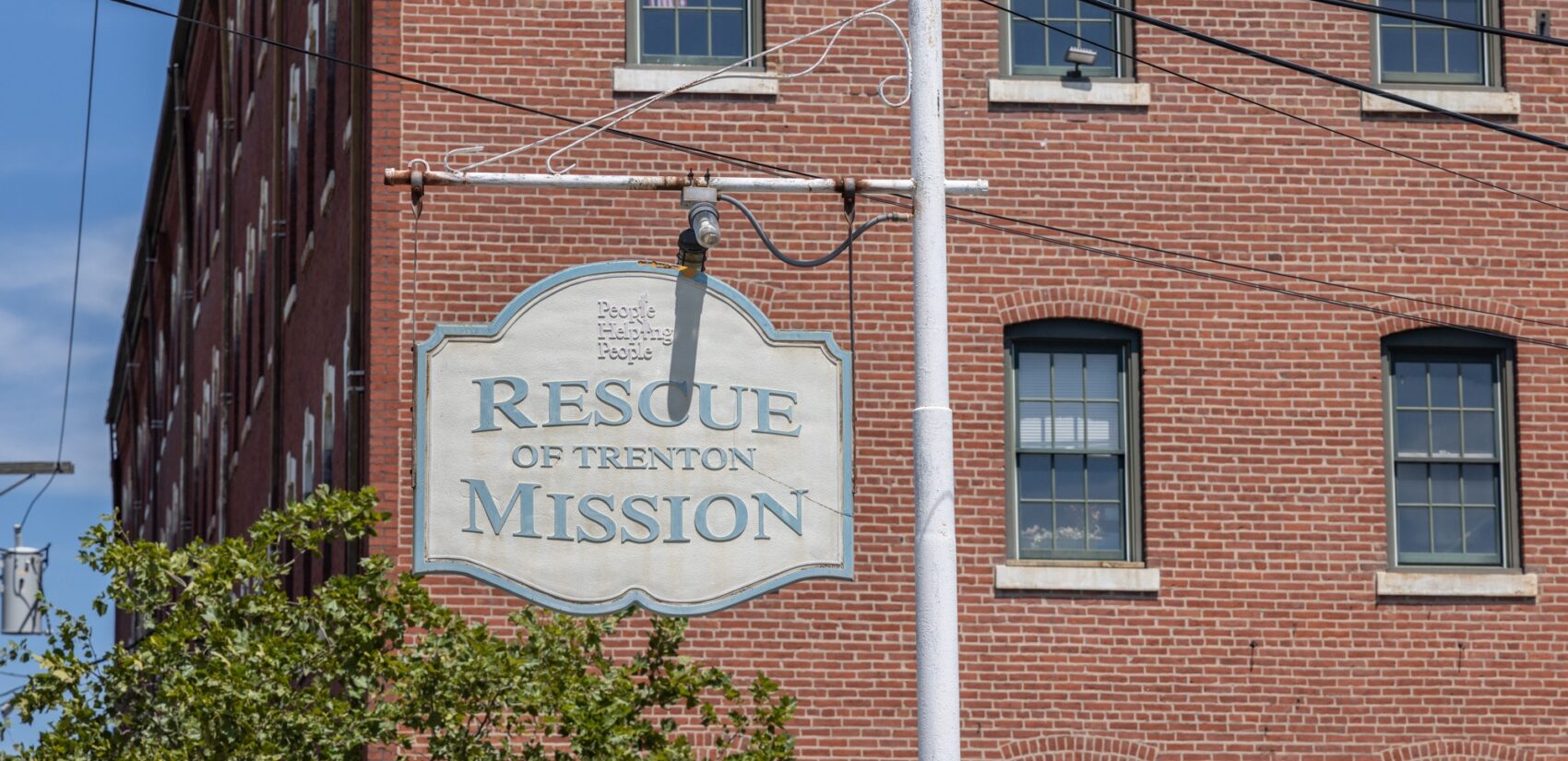
Then, in 2012, when Spears was 41, he went to the Rescue Mission of Trenton to get help.
“When I came in here, I was beat down, broken, so I had to look back at my life to understand where I was coming from,” he said. “Why [was I] out there getting high? How come I couldn’t stay stopped when I did stop?”
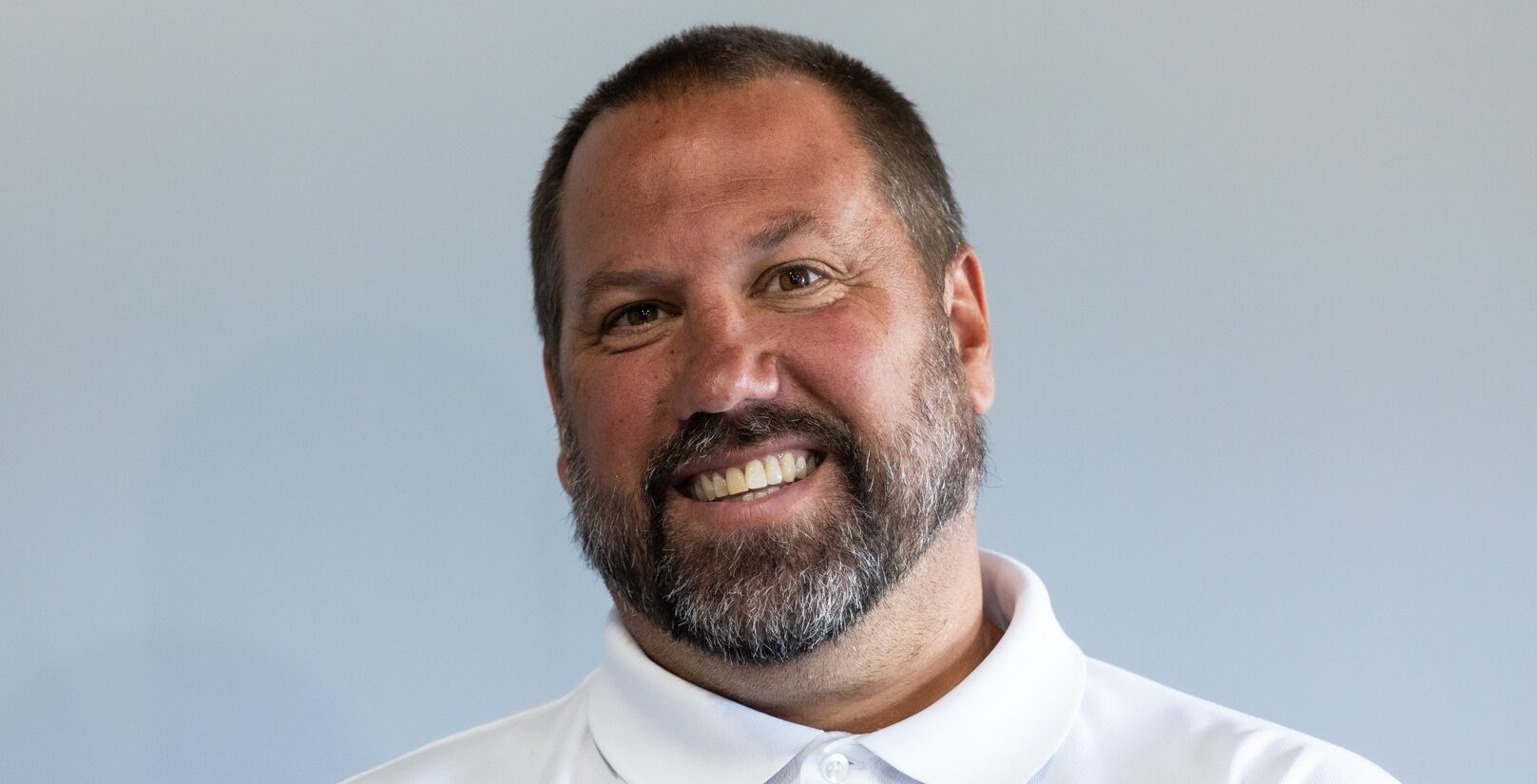
Barrett Young is the chief executive officer of the Rescue Mission of Trenton.
He said his organization offers holistic help to those who are experiencing homelessness, substance abuse disorders or mental health challenges. When someone arrives, they are immediately offered food and a place to stay.
“You can’t really start to talk about anything else because they are worried about, ‘Where am I going to sleep tonight?’ And secondly, they are worried about, ‘I haven’t eaten in a day and a half, could you get me something to eat?” Young said.
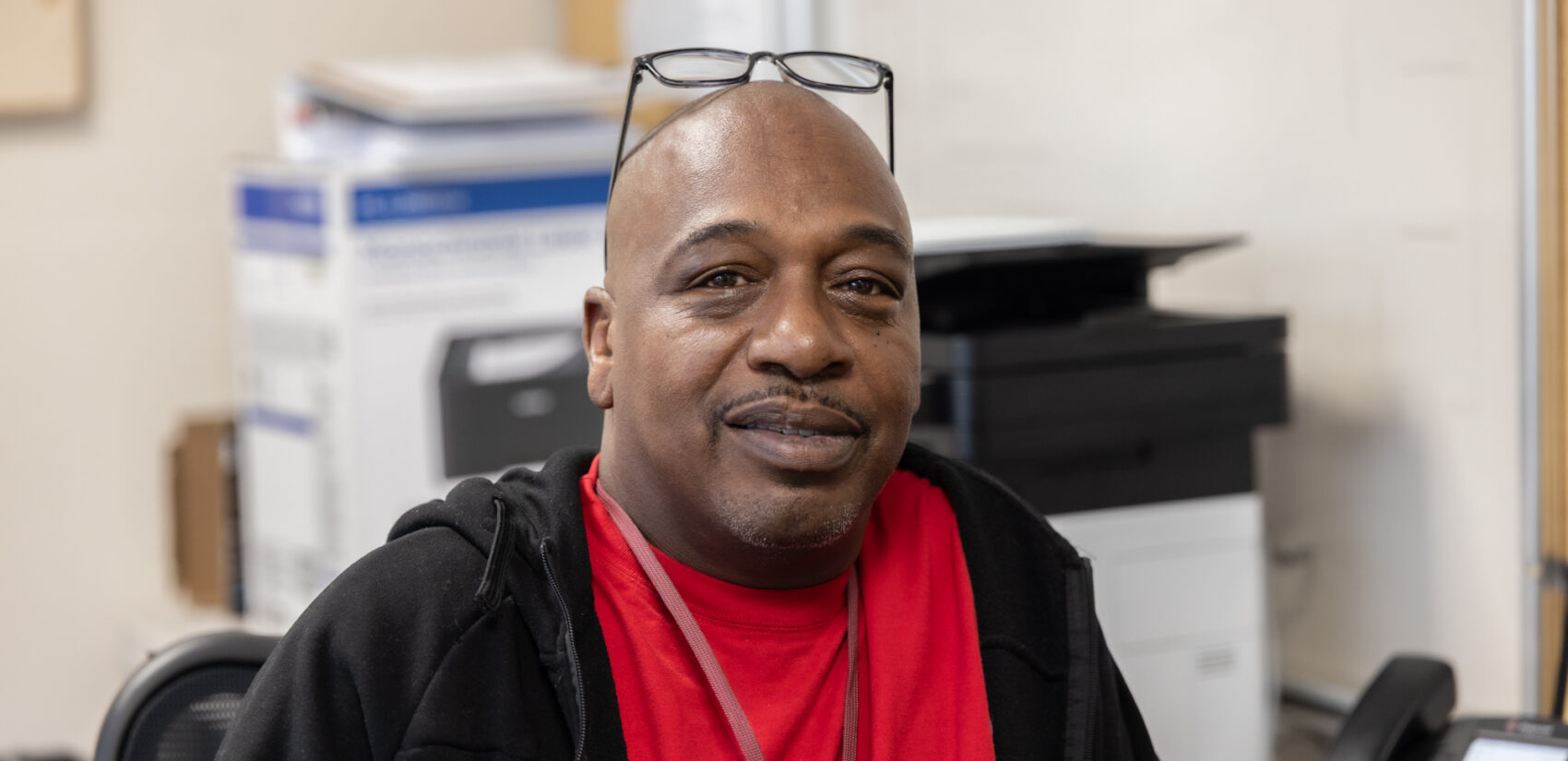
Spears said he realized he had to make changes, and that meant he had to start believing in himself.
Fifteen months later, he completed the sober living course he was enrolled in. Spears was living at the Rescue Mission, collecting disability for a knee injury. He began to work part-time, driving all over New Jersey, picking up donations. Eventually he was hired full-time.
That led to an opportunity to work as a peer recovery specialist, and he recently became a manager of one of the Rescue Mission’s sober living homes, overseeing five men enrolled in the program.
“I believe I’m in this position because that’s what God did for me, God sees that I’m focused on recovery, and I know I can give back what they gave to me,” he said.
Related Content
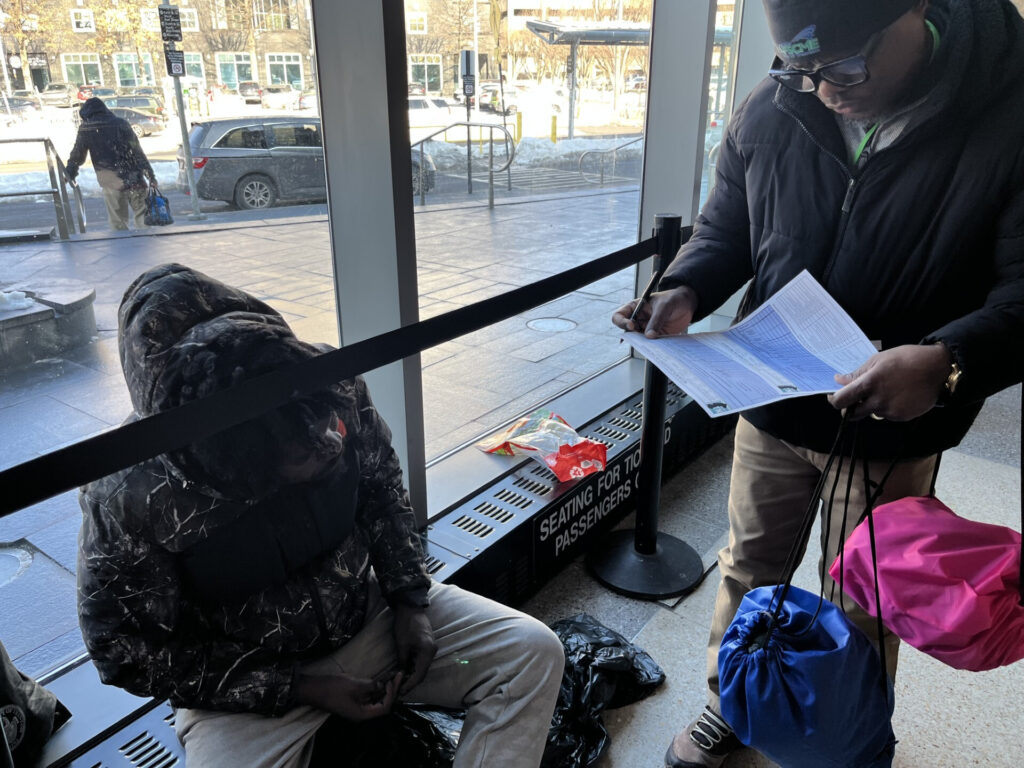
Many homeless individuals are scared to go to shelters for fear they will be robbed or attacked.
8 months ago
Listen 1:18People can change
Spears said he always tells people that they can change the direction of their lives.
“You’re the one that’s got to believe in everything you do, the Rescue Mission does a wonderful job by putting you in places to do it, but if you don’t want it, what can you do about it? It’s up to you to do it, that’s what I tell people, it’s only you,” he said.
The Rescue Mission has a street outreach team that goes out six days a week to engage unhoused individuals and encourage them to either go into treatment or into a 96-bed shelter, 30 for women and 66 for men.
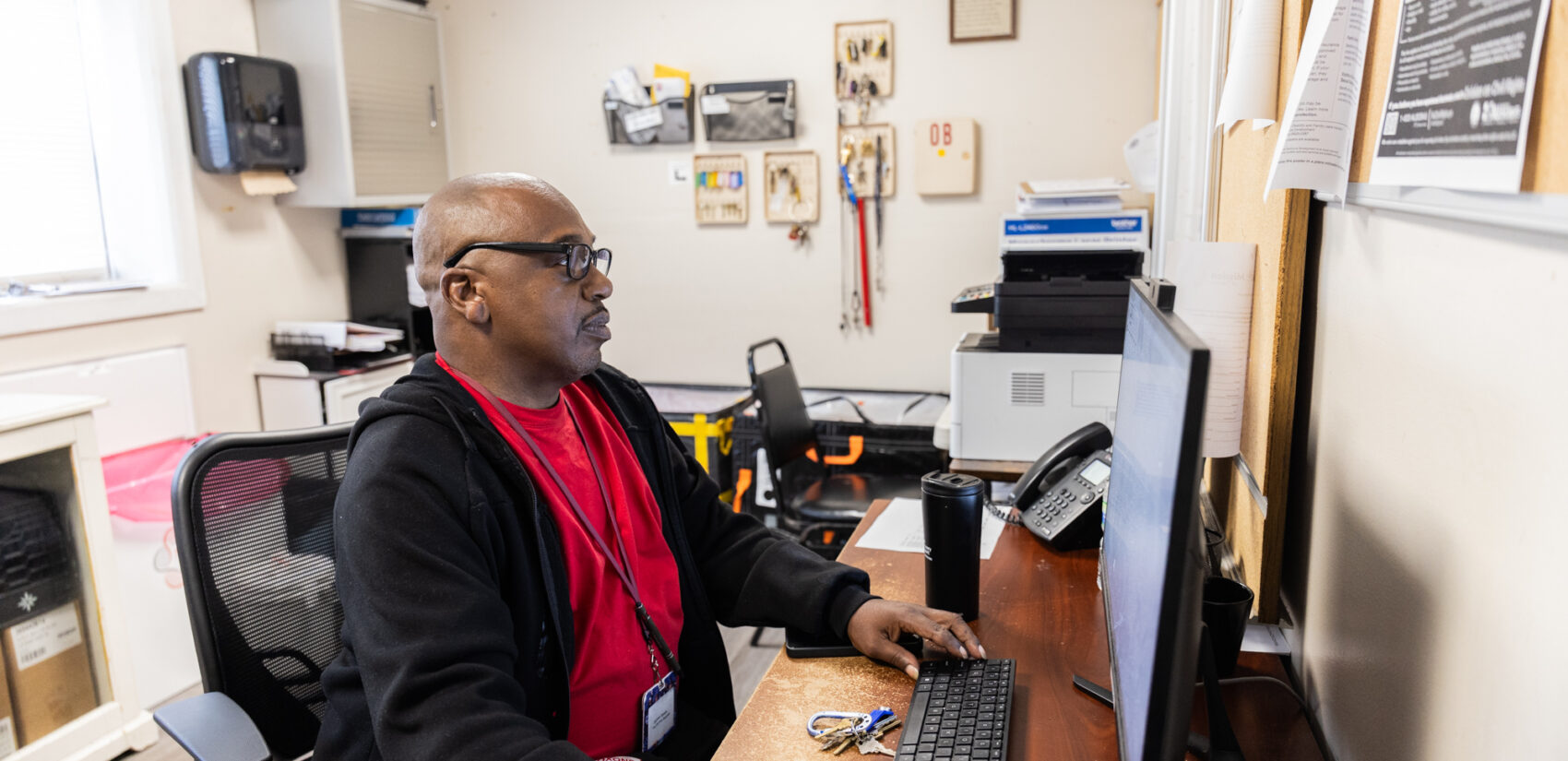
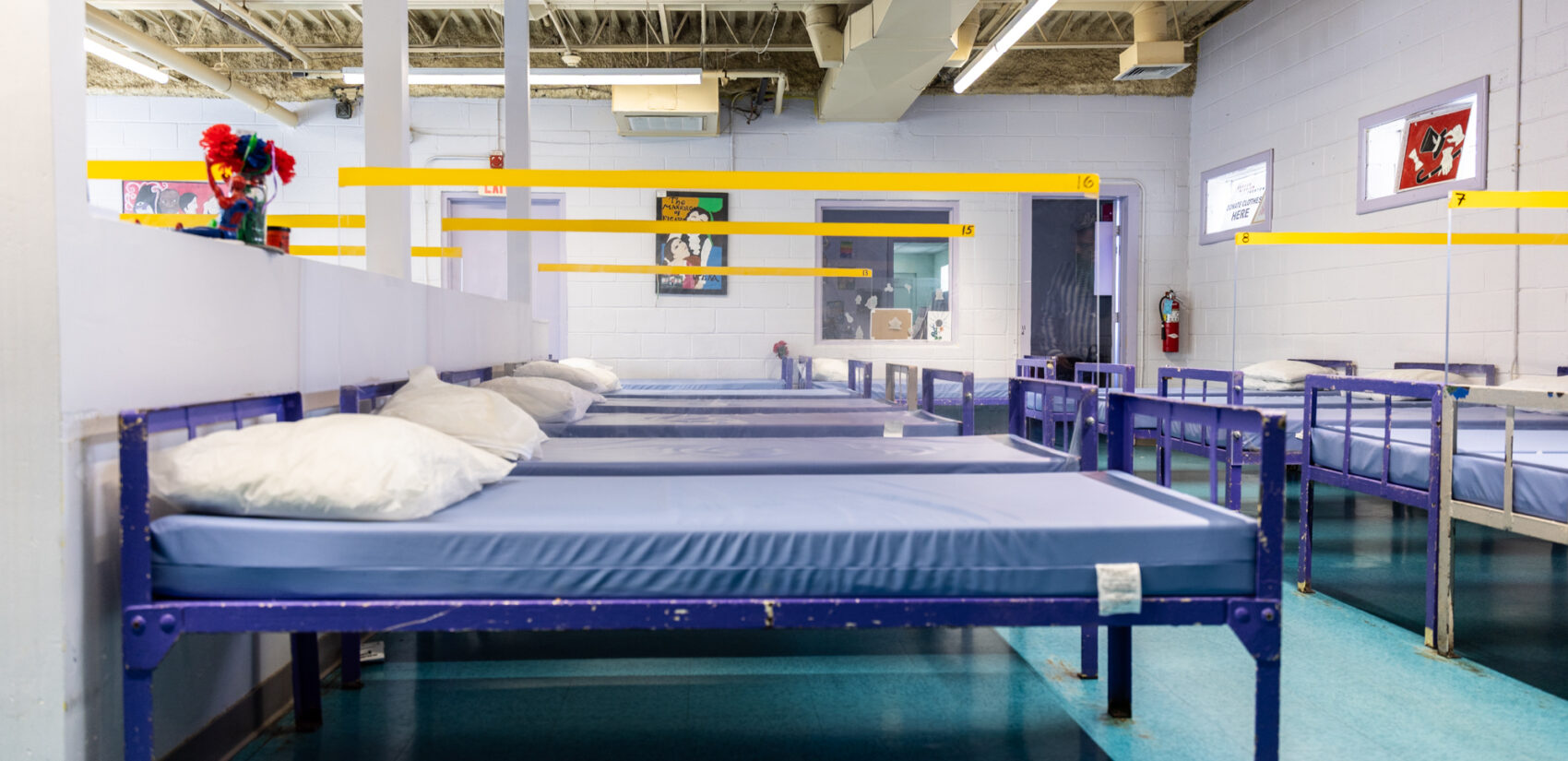

Seven care coordinators work with clients in the shelter to get them appropriate treatment, enroll them in workforce training programs and help them to replace or obtain identification information, so they can move forward with their lives and eventually find employment.
“We will always try to work with individuals in a dignified manner,” Young said. “Treating them that way really shows them that the organization believes they have the potential to change and the potential to move forward.”
Related Content
Advocates point to a Philadelphia program as a model for statewide grief support services that could be funded with opioid settlement funds.
7 months ago
Listen 1:24A long process
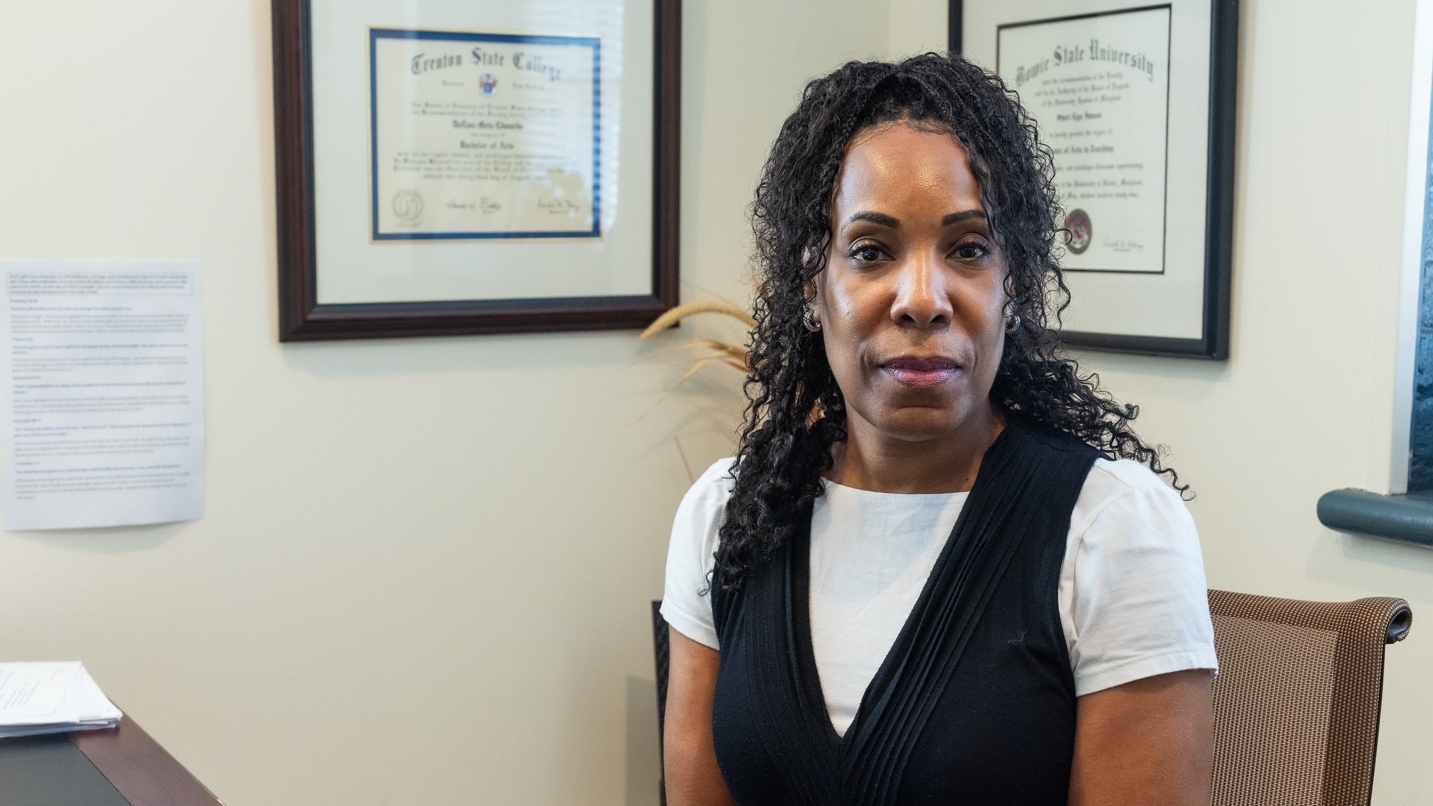
Du’Ewa Edwards-Dickson is the chief of supportive services for the Rescue Mission. She said once they arrive, many clients spend a considerable amount of time living there.
“Someone who has experienced homelessness for a long time, they may take a longer amount of time to engage with, and get them stable. It can take anywhere from six months to a year and sometimes two years if someone has high mental health needs,” she said.
Individuals who complete substance abuse treatment programs can then transition to workforce development training, and they can apply to live at one of seven community sober living residences in Trenton that are operated by the Rescue Mission.
“You have a house manager that lives in the house, he is responsible for all [that’s]happening there, holding the residents, one person to a bedroom, to a standard that we want them to follow,” Young said. “Individuals who are in early recovery really benefit from that sense of community that comes from the house.”
“We’re really looking for individuals who are strong in their recovery,” Edwards-Dickson said. “Individuals who can make that difference, turn that corner in their lives.”

If someone does relapse, Young said living in a residential setting helps to reconnect them with support.
“In recovery it’s not about just trying to do it all along, it’s very hard, and being surrounded by other people who understand it, I’ve seen it work miracles,” he said.
Clients who live in sober living residences pay nominal rent, and they all work with case managers to help them manage their finances and personal lives.
“We really try to have our clients live there 18 to 24 months, stabilize and then move forward so the next guy can step in,” he said.
Young said that when a client moves out of one of the residences to their own place, it’s icing on the cake.
“Sometimes we will have known that individual since when our mobile unit engaged them living on the street, they’ve gone through all of their treatment pieces and now they can get their own apartment, that’s as great as it gets,” he said.
Related Content
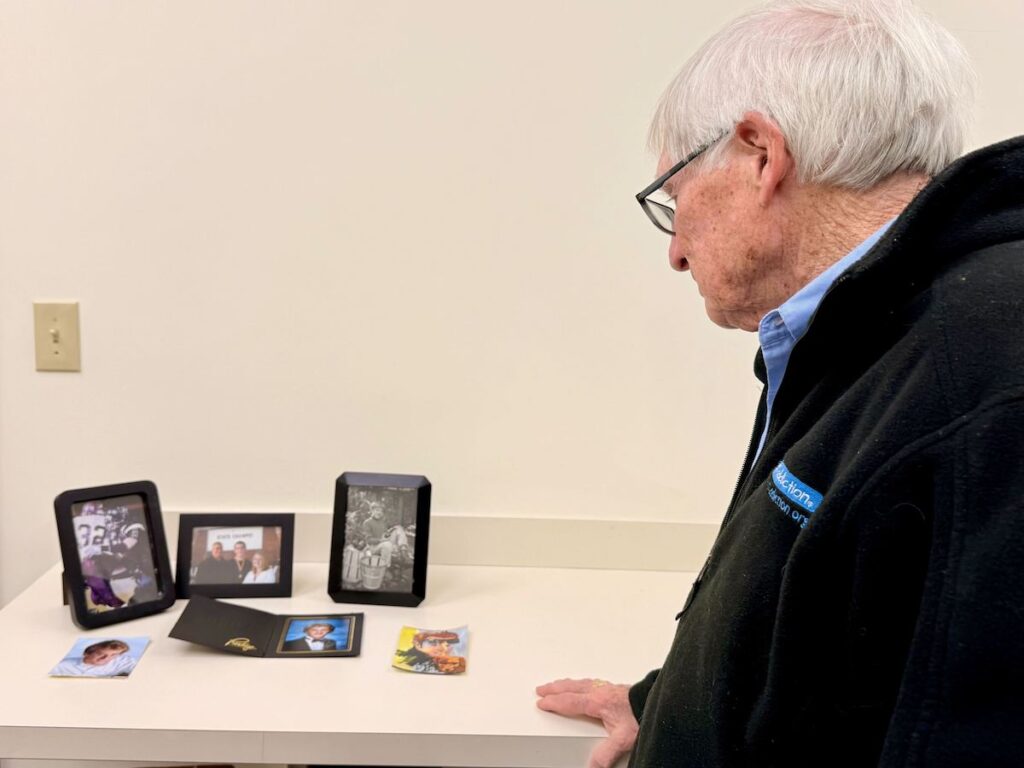
The overdose death of their son 13 years ago led to the Keisters’ creation of atTAcK Addiction.
8 months ago
Listen 1:46Homelessness is an increasing problem
Edwards-Dickson said homelessness is becoming an increasing problem.
“We see more people coming into our shelter who are living with a disability or who are older adults, and then we also are seeing a number of young people, maybe like between the ages of 18 and 24,” she said.
She said many people experiencing homelessness don’t feel seen or cared for, and meeting them right where they are and addressing their immediate needs helps to build trust, which ultimately serves as a building block for the future.
“Our three pillars are dignity, active listening and potential, and so treating people in a dignified way is so important to me,” she said.
Young said there has been an increasing demand for all services, even while funding has been cut, forcing the Rescue Mission to tighten its belt.
“But when someone knocks on our door, to the best of our ability we are going to try and give them the support and help that they need,” he said. “My goal is to help eradicate homelessness. Do I think that can happen? I don’t know. We’ll see what we can do.”
Spears said that when he helps others, he helps himself.
“I’ve got to do this the rest of my life, I can’t stop,” he said. “If I stop that, I’ll probably find myself back out there,” he said, motioning to the street.
Spears said his dad, his sister, his nieces and nephew are proud of him.
“They grew up watching me getting high and they are all so supportive of what I’m doing, and that keeps me fighting,” he said.
The Rescue Mission of Trenton has operated for 111 years. It is funded by Medicaid, state and county contracts, and charitable giving.

Never miss a moment with the WHYY Listen App!


WHYY is your source for fact-based, in-depth journalism and information. As a nonprofit organization, we rely on financial support from readers like you. Please give today.
Part of the series

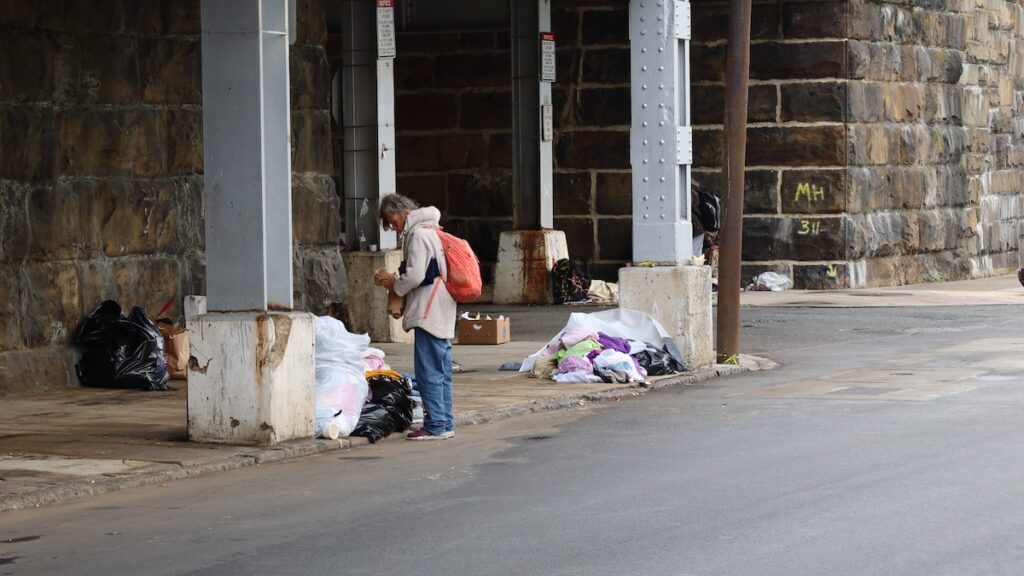
La falta de plazas en albergues y de asistencia para el alquiler está contribuyendo a que más personas en Wilmington y en todo Delaware vivan en la calle.
6 days ago
The lack of shelter beds and rental assistance is contributing to more people in Wilmington and across Delaware living on the streets.
2 weeks ago
Listen 0:53
Victims identified as Trenton recovers from weekend mass shooting
Mayor Reed Gusciora pledges resources and a crackdown on large “unauthorized” gatherings.
1 month ago
Listen 0:58