

Pennsylvania takes aggressive stance to prevent flesh-eating New World screwworm fly from coming into the state
Eradicated in the U.S. for 60 years, the fly returned in June with new cases in Texas. It can infect any warm-blooded mammal.
Listen 1:10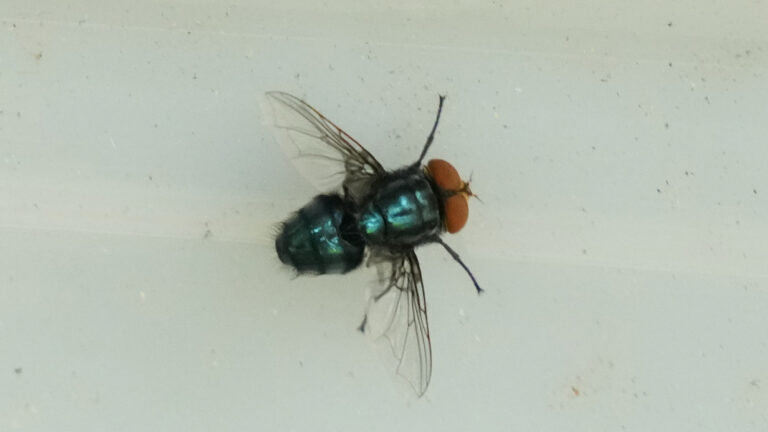
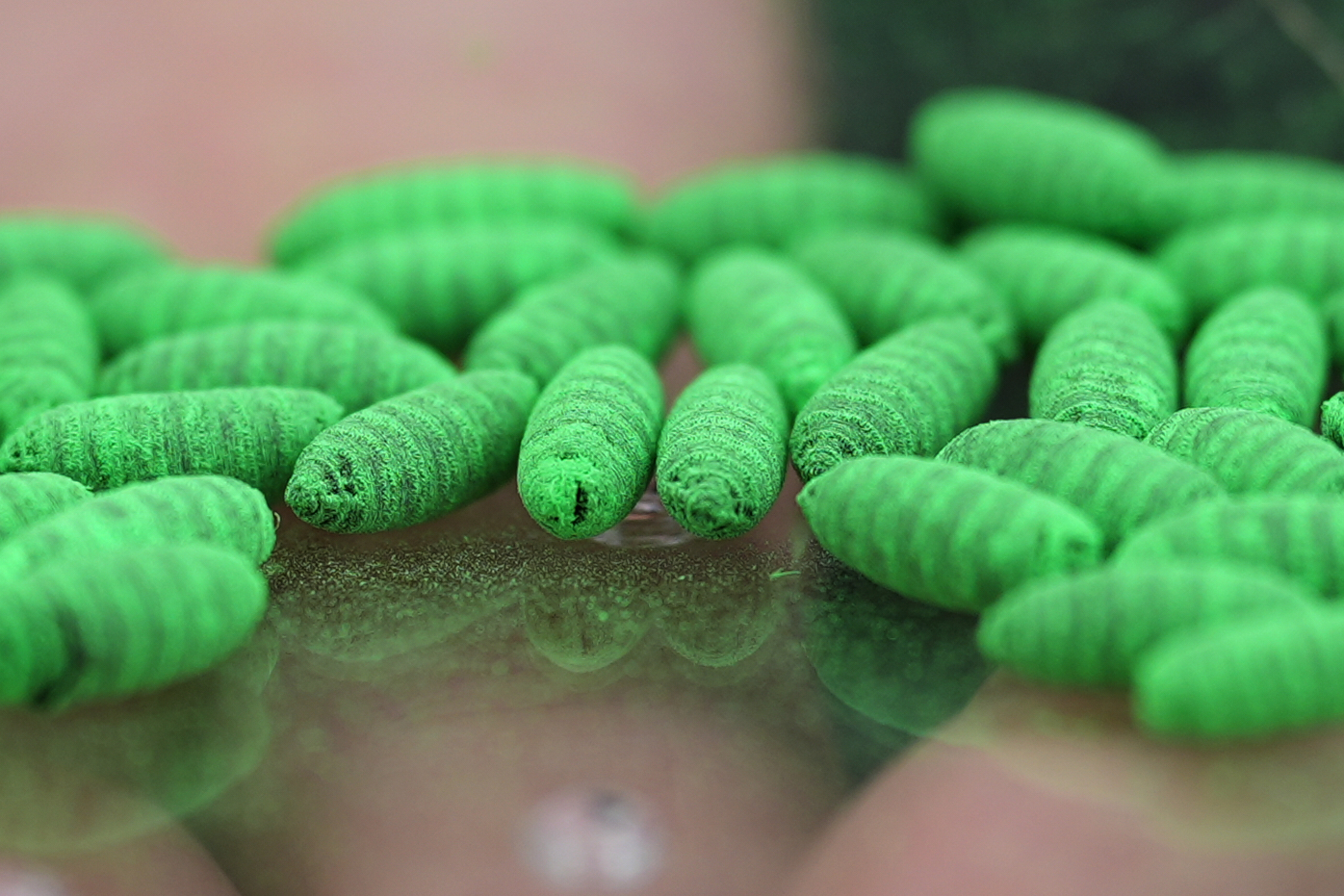
A sterilized screwworm fly in Metapa de Domínguez, Mexico, Friday, Oct. 17, 2025. (AP Photo/Fernando Llano)
From Philly and the Pa. suburbs to South Jersey and Delaware, what would you like WHYY News to cover? Let us know!
Pennsylvania officials are taking aggressive measures to keep the New World screwworm fly out of the state.
There are not yet any known local cases of the flesh-eating pests, which typically attack livestock, but an active quarantine order is now in place that limits the movement and importation of farm animals and household pets like dogs and cats into the state from areas with active cases.
The parasitic fly feeds off of living tissue and grows in the open wounds of warm-blooded mammals and birds. It has reappeared in the United States about 60 years after it was declared eradicated nationwide.
New cases of New World screwworm were reported in Texas and New Mexico last month. Infections have occurred mostly among cows, goats, sheep and other livestock, according to federal surveillance data.
“This does have the potential to be very devastating to our livestock industries,” said Dr. Erin Luley, Pennsylvania assistant state veterinarian. “That’s why we want to be proactive.”
What is the New World screwworm fly?
New World screwworm flies are similar in size to common house flies. They have orange eyes, a metallic blue or green body and three dark stripes on their backs, according to the U.S. Department of Agriculture.
They’re attracted to open wounds on animals, even small ones like the injection site of an ear tag on a farm animal, Luley said. An exposed umbilicus, or the area on a newborn animal that was connected to an umbilical cord, can also attract the pests.
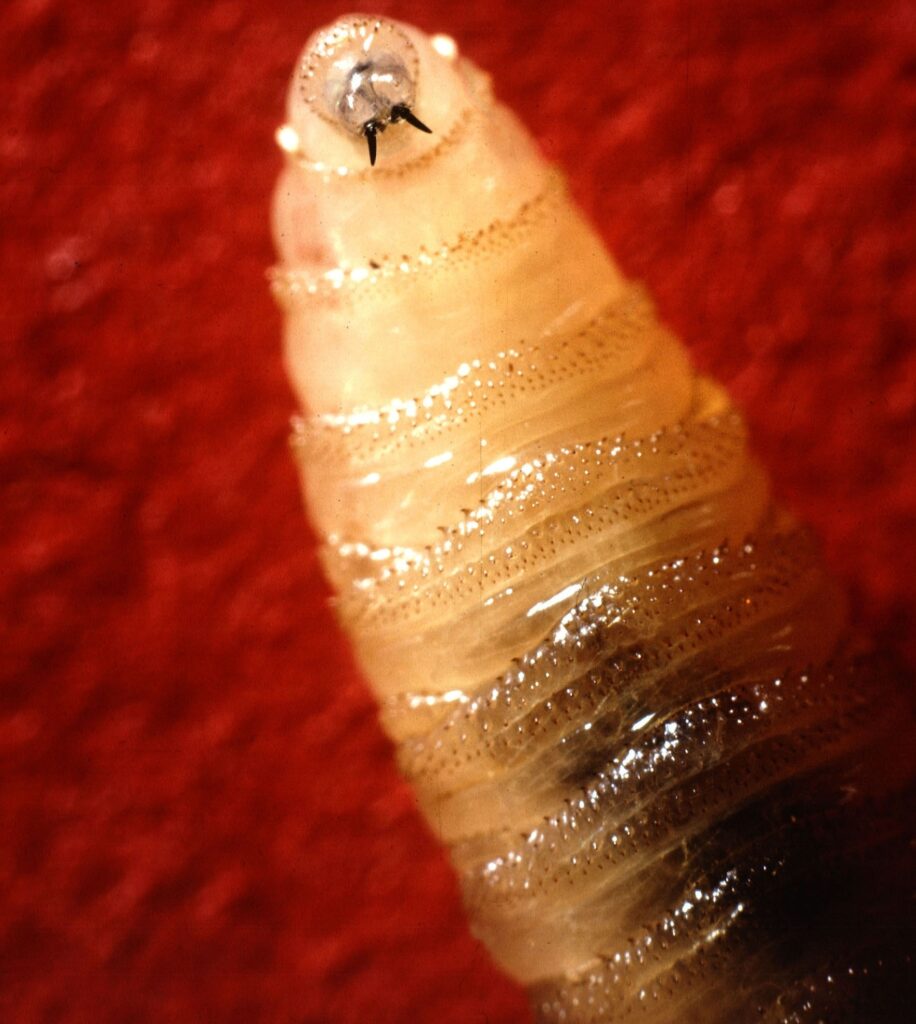
The flies lay eggs in the open wounds. The resulting maggots “screw” into and eat their hosts’ tissue as they grow, harming the animals. The maggots then drop off and burrow into ground soil, where they transform into adult flies.
But screwworm injuries can be successfully treated, Luley said. Infections don’t spread from direct animal-to-animal contact, so it’s possible for veterinarians and other experts to help animals heal and contain cases, even if there’s an infestation in a large herd.
As of Tuesday, there have been 42 total cases in the U.S. since June 3, federal data shows.
Related Content
If left untreated, symptoms can last anywhere between a few days and a month or longer.
3 months ago
What is the risk to Pennsylvania’s livestock industry and personal pets?
New World screwworm flies can infect almost any warm-blooded animal, but current risk is highest among livestock and farm animals, as well as dogs and cats, especially if they have open wounds and spend time outdoors.
In very rare cases, infections have occurred in people.
These parasitic winged insects are endemic in parts of Mexico, South and Central America and the Caribbean, which makes U.S. states that border those areas, like Texas, more vulnerable.
The risk to Pennsylvania animals remains low while outbreaks remain far away, Luley said. Federal and local surveillance, treatment and pest eradication efforts in those areas also limit the chance of infestations spreading.
Where Pennsylvania could be vulnerable, Luley said, is when animals are imported from other regions across the country, including the U.S. Southwest. The commonwealth has a robust livestock industry, as well as numerous organizations that rescue dogs, cats and other animals from outside the state.
There’s also a concern for residents traveling with pets to areas with outbreaks, Luley said, “so they represent a unique risk.”
Pet and animal owners who suspect a New World screwworm fly infection should immediately contact their veterinarian and report possible cases to the state’s Bureau of Animal Health and Diagnostic Services.
Related Content

There are already more U.S. measles cases this year than in all of 2025
The U.S. has surpassed 2025’s record for measles cases, with five months left in 2026.
3 months ago
How are Pennsylvania’s control measures working?
Pennsylvania Department of Agriculture officials are working with federal agencies and experts in other states to monitor ongoing cases and take preventative steps.
The local quarantine order for animals coming into the state from areas with outbreaks took effect June 9. It requires that animals are screened for possible infection and treated with prophylactic topical medications.
Dogs and cats should be evaluated by veterinarians and have documentation confirming their health status, including prophylaxis treatment, prior to being moved and transported into Pennsylvania, Luley said.
To address the threat of New World screwworm, state officials said they’ve tried to put “needed control measures” in place that aren’t too burdensome for businesses and organizations.
“It is definitely a balance of implementing requirements that are needed to protect what’s here in Pennsylvania, but we also need to be cognizant of the realities of where and how animals move,” Luley said, “and trying to do something that’s achievable, but still protects our industries here.”
There is a naturally occurring protective measure, she said. The New World screwworm fly is vulnerable to extreme temperature changes. While the flies thrive in warm, humid climates, they cannot survive in cold temperatures.
That makes it a seasonal threat here in Pennsylvania, and the good news is that winter is coming.

Never miss a moment with the WHYY Listen App!


WHYY is your source for fact-based, in-depth journalism and information. As a nonprofit organization, we rely on financial support from readers like you. Please give today.

Pennsylvania ramps up bird flu response as officials report over 7 million infections in last month
Since the outbreak's start in 2022, about 14.6 million birds in Pennsylvania have died from the virus. Roughly half of those cases occurred in the first two months of 2026.
8 months ago
Listen 1:12
Bird flu concerns grow in New Jersey as Pennsylvania boosts farm protections
More than 1,100 dead or sick wild birds were reported in New Jersey within three days. No human cases have been reported.
8 months ago
An invasive tick is swarming southeastern Pa. Here’s what you need to know
Why researchers say the Asian longhorned tick is spreading so rapidly — and why it could pose a serious threat to human and animal health.
1 year ago
Listen 1:08