

New Jersey heat wave: 29 people died amid dangerous temps, officials say
Many of the victims lived in homes without air conditioning, according to state officials.


Officials are urging caution when outdoors during the heat wave. (Mongpro/iStock)
From Camden and Cherry Hill to Trenton and the Jersey Shore, what about life in New Jersey do you want WHYY News to cover? Let us know.
New Jersey officials said at least 29 people, ranging in age from their mid-30s to their 80s, have died from heat-related illnesses since last Tuesday.
“These numbers won’t be final until after the medical examiner has had a chance to complete their investigations,” New Jersey Health Commissioner Raymond Washington said during a press conference over the weekend when officials confirmed 19 deaths.
Washington said most deaths were reported in North and Central Jersey.
“Unfortunately, many of these individuals were found in homes without air conditioning,” he said. “A few were outside their residences, some on the street and some even in parked cars.”
A heatwave last year killed six people in the Garden State, Washington said.
“That just speaks to the severity of the current heat wave,” he said.
Temperatures soared into the high 90s and low 100s last week, with real-feel temperatures as high as 110 degrees.
Gov. Mike Sherrill said last week’s scorching heat affected people of all ages, not just older adults or those living with underlying health conditions.
“Extreme heat is the number one weather-related killer in America,” Sherrill said. “And this is the hottest stretch we’ve seen in over 14 years.”
Related Content
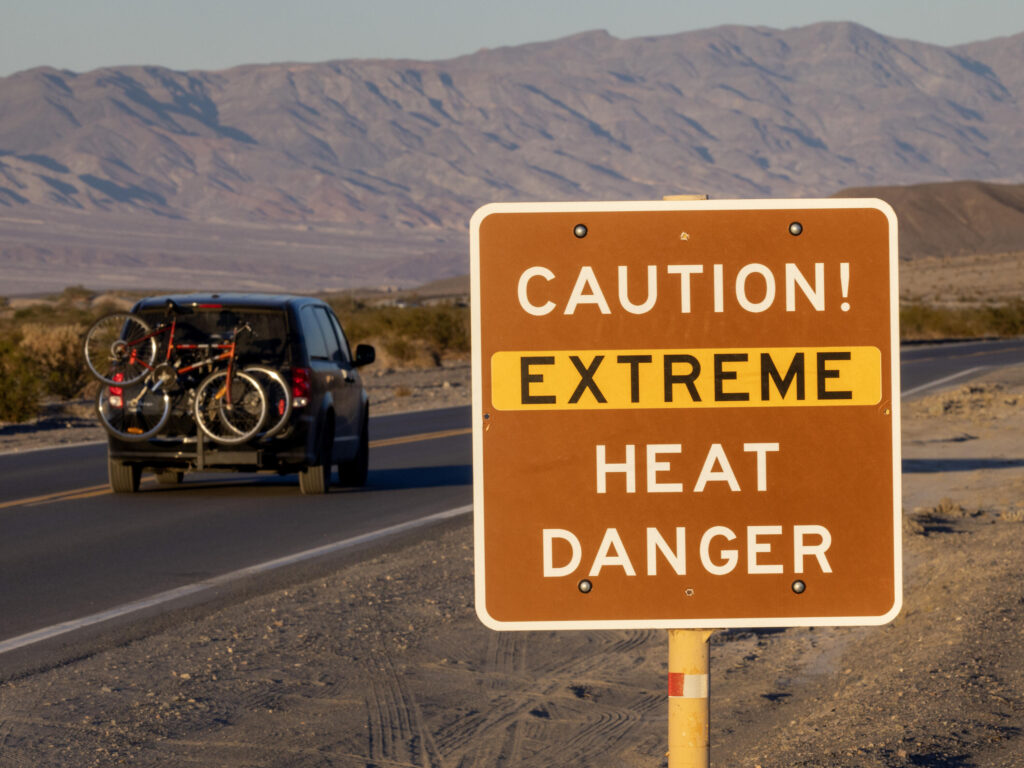
How heat kills: What happens to the body in extreme temperatures
Multiple organ failure, heart attack and kidney failure are the primary ways people die in extreme heat. Read on to find out how to stay safe in a heat wave.
3 years ago
Power outages worsened the impact of the heat wave
Gov. Mikie Sherrill said close to 300,000 customers lost power when storms packing wind gusts up to 80 miles an hour brought down power lines Friday evening and over the weekend.
As of 1:30 p.m. Monday, 62,000 homes and businesses were still without power.
What are heat-related illnesses?
According to the New Jersey Department of Health, adverse health conditions can occur when the body is unable to properly cool itself, including heat exhaustion, heat stroke, heat cramps and heat rash. Symptoms of heat exhaustion include heavy sweating, headache, weakness, fatigue, dizziness, nausea or vomiting and muscle cramps. Symptoms of heat stroke include high body temperature, hot, dry skin with no sweating, rapid pulse, headache, slurred speech, nausea, confusion and loss of consciousness.
The Health Department says many individuals are at risk during extremely hot days, including older adults, infants and children, people without air conditioning or with chronic health conditions, outdoor workers, people experiencing homelessness and disabled people.
Heat safety tips
The Health Department says to prevent heat-related illness, hydration is key. In case temperatures rise again, officials are reminding residents to take shelter in shaded areas, avoid sugary, fatty foods and alcohol and strenuous activity.
Health Department officials urge people experiencing heat-related symptoms to seek shelter in a cool space or shelter and call 911 if conditions worsen.
Meteorologist Ray Martin at the National Weather Service in Mount Holly, New Jersey, said the hottest temperature measured during the heat wave, in the Central-South Jersey region, was 106 degrees at Atlantic City International Airport on July 4, which tied the all-time record set in July 2011. He said the 106-degree temperature recorded this past Saturday is being reviewed for accuracy by the National Weather Service.
Martin said several other weather stations across the region registered in the low 100s during the heat wave, which officially began on June 30.
“It’s been a while since we had heat like this,” he said. “It definitely was one of the more notable heat events that we’ve had.”
Martin said no unusual heat is predicted in the long-range forecast.
“We may hit 90 degrees by the end of the week, but for the most part temperatures should be more tame, in the 80s, which is normal for this time of year,” he said.

Get daily updates from WHYY News!
WHYY is your source for fact-based, in-depth journalism and information. As a nonprofit organization, we rely on financial support from readers like you. Please give today.

Forecasters cite ‘dangerous’ conditions as heat scorches Midwest while on its way to the East
Norristown, Pennsylvania, 20 miles (32 kilometers) from Philadelphia, canceled a Saturday parade because of the weather.
3 months ago
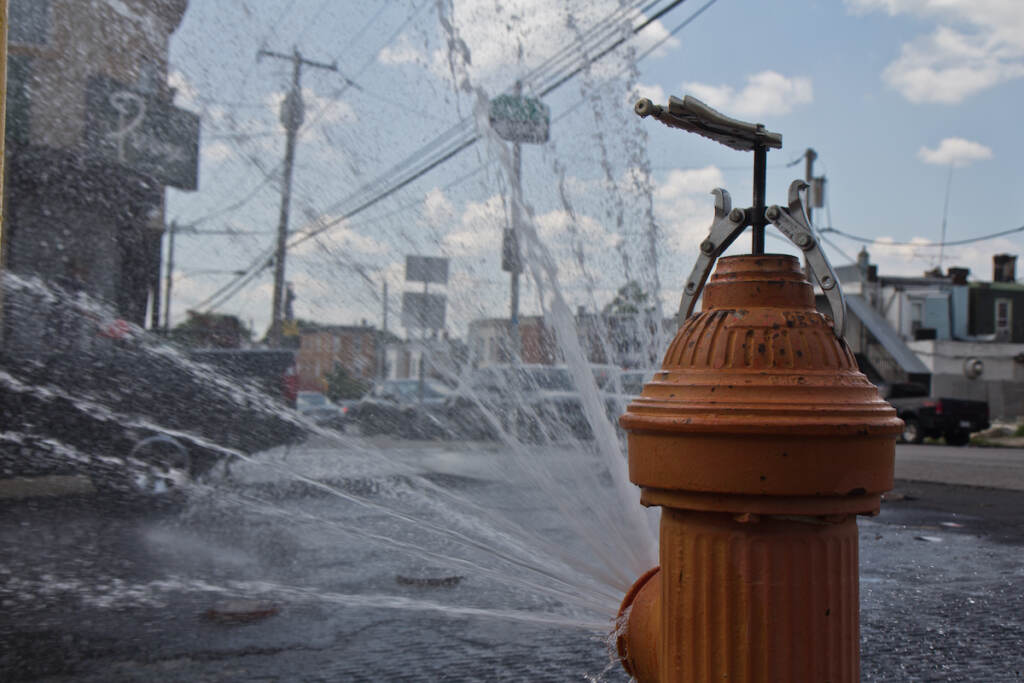
‘Fingerprint of climate change’: April heat wave could break a record in Philadelphia
Climate change makes balmy April temperatures twice as likely, according to a research nonprofit.
6 months ago
Listen 0:48
Philadelphia region faces record-breaking temperatures
Temperatures in the area could hit 100 degrees Tuesday for the first time since 2012.
1 year ago