

Philadelphia photographer shows girls’ experiences at Jewish summer camp in new book
Rachel Wisniewski‘s “L’dor Vador” highlights campers’ experiences over three summers at a 102-year-old Jewish summer camp in the Poconos.

From Philly and the Pa. suburbs to South Jersey and Delaware, what would you like WHYY News to cover? Let us know!
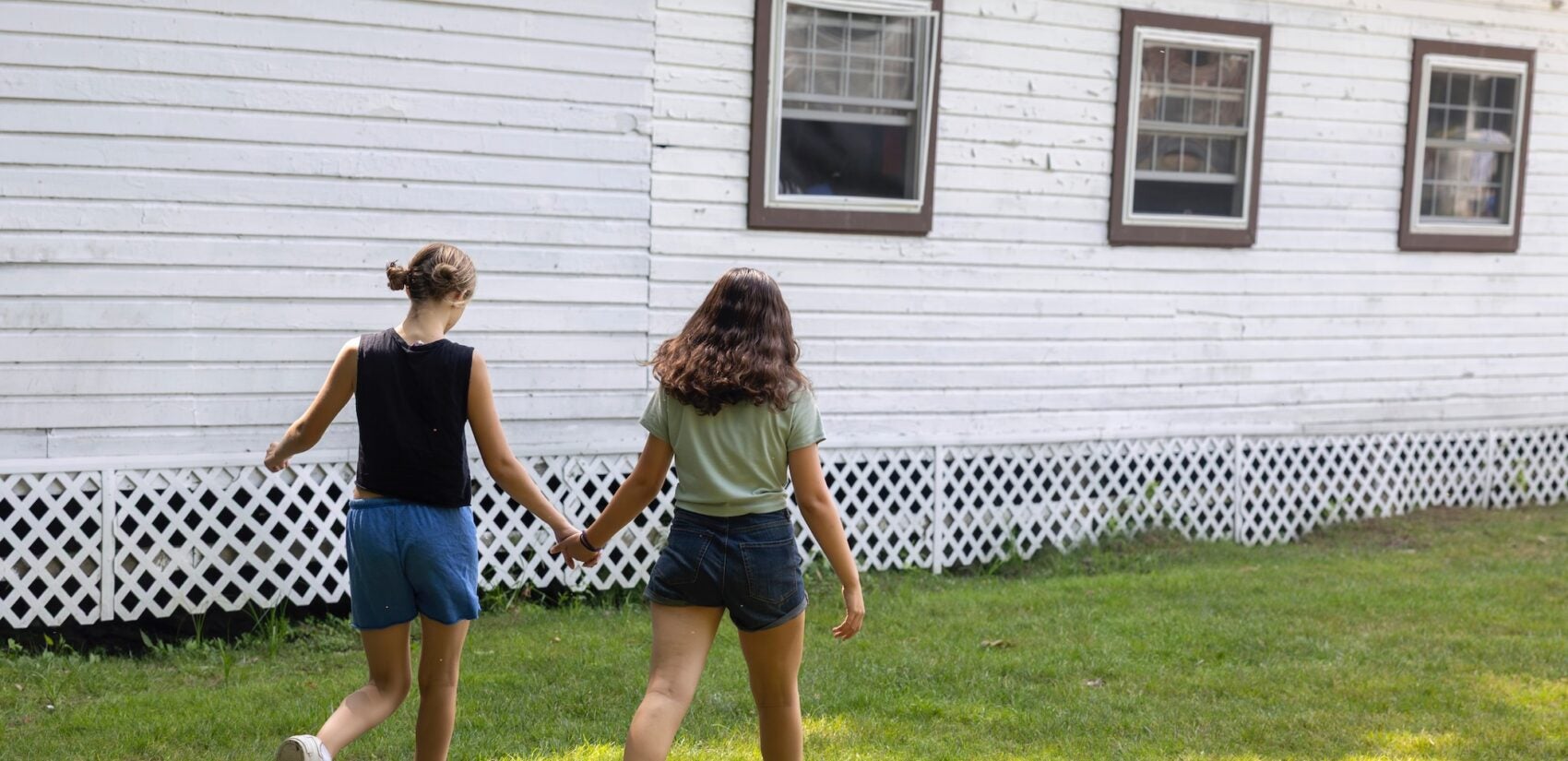
As summer begins its wind-down in Philadelphia, a South Philly photographer is presenting a photo project documenting Jewish girls during the formative period of summer camp.
Rachel Wisniewski’s book “L’dor Vador” follows 13 girls, aged 10–13, over a period of three summers between 2021 and 2023 at Camp Nah-Jee-Wah, a 102-year-old Jewish summer camp in the Poconos.
“Anyone can look through these photos and remember a simpler time before anxiety and taxes and things like that, when summers were just the most magical thing,” Wisniewski said. “Having that break off of school and getting to have control over your life and your schedule, which you don’t get otherwise as a kid.”
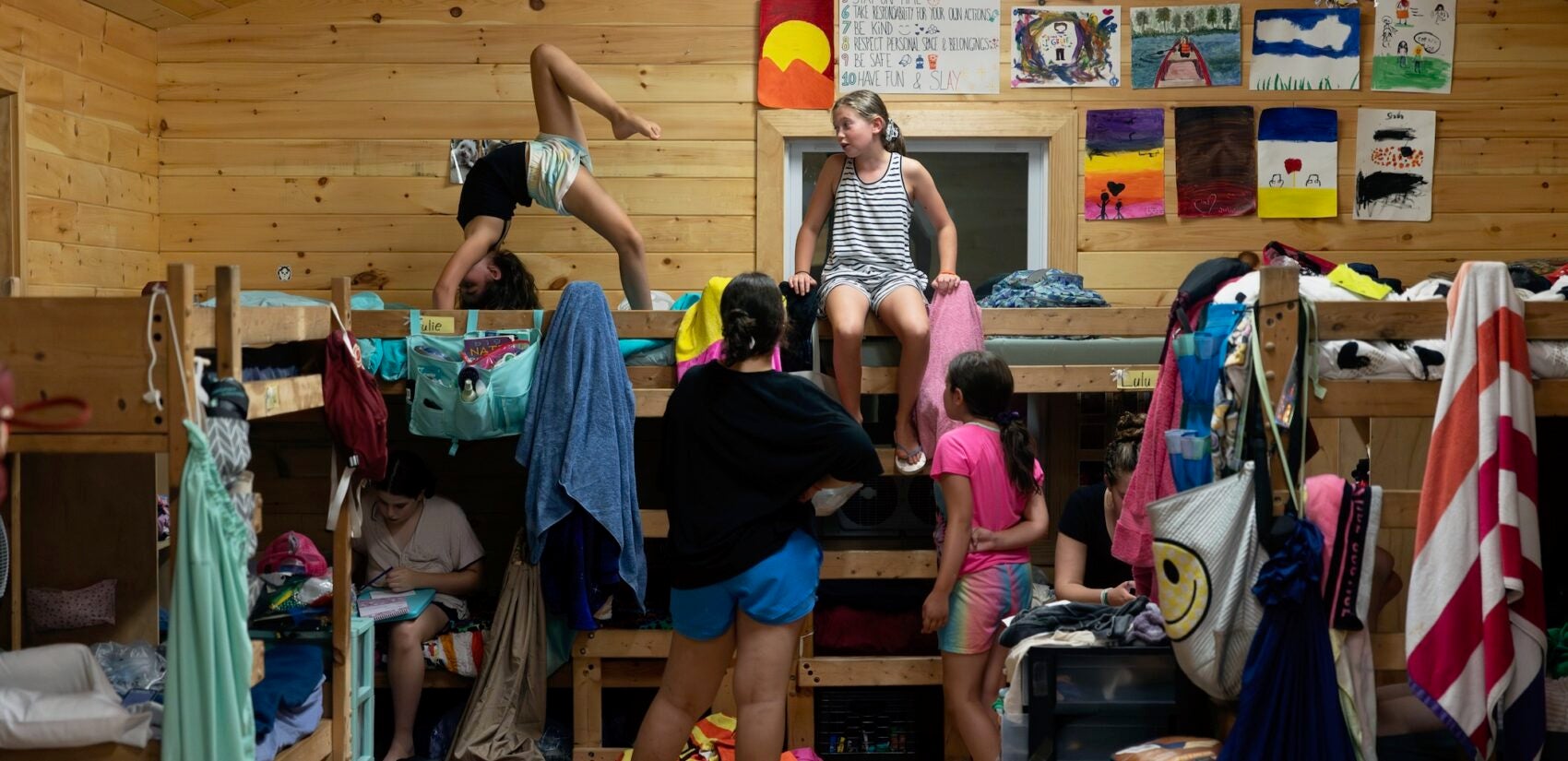
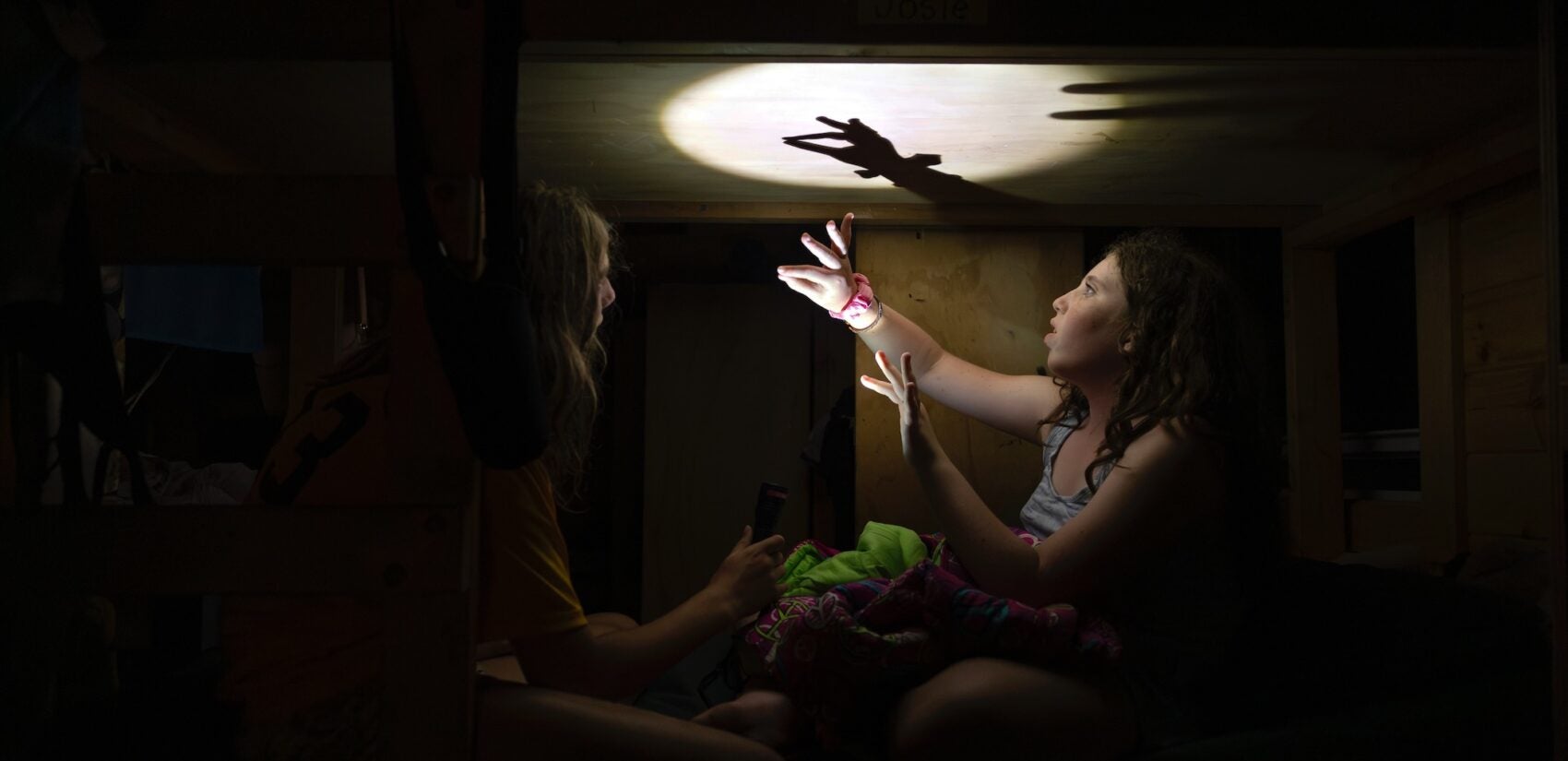
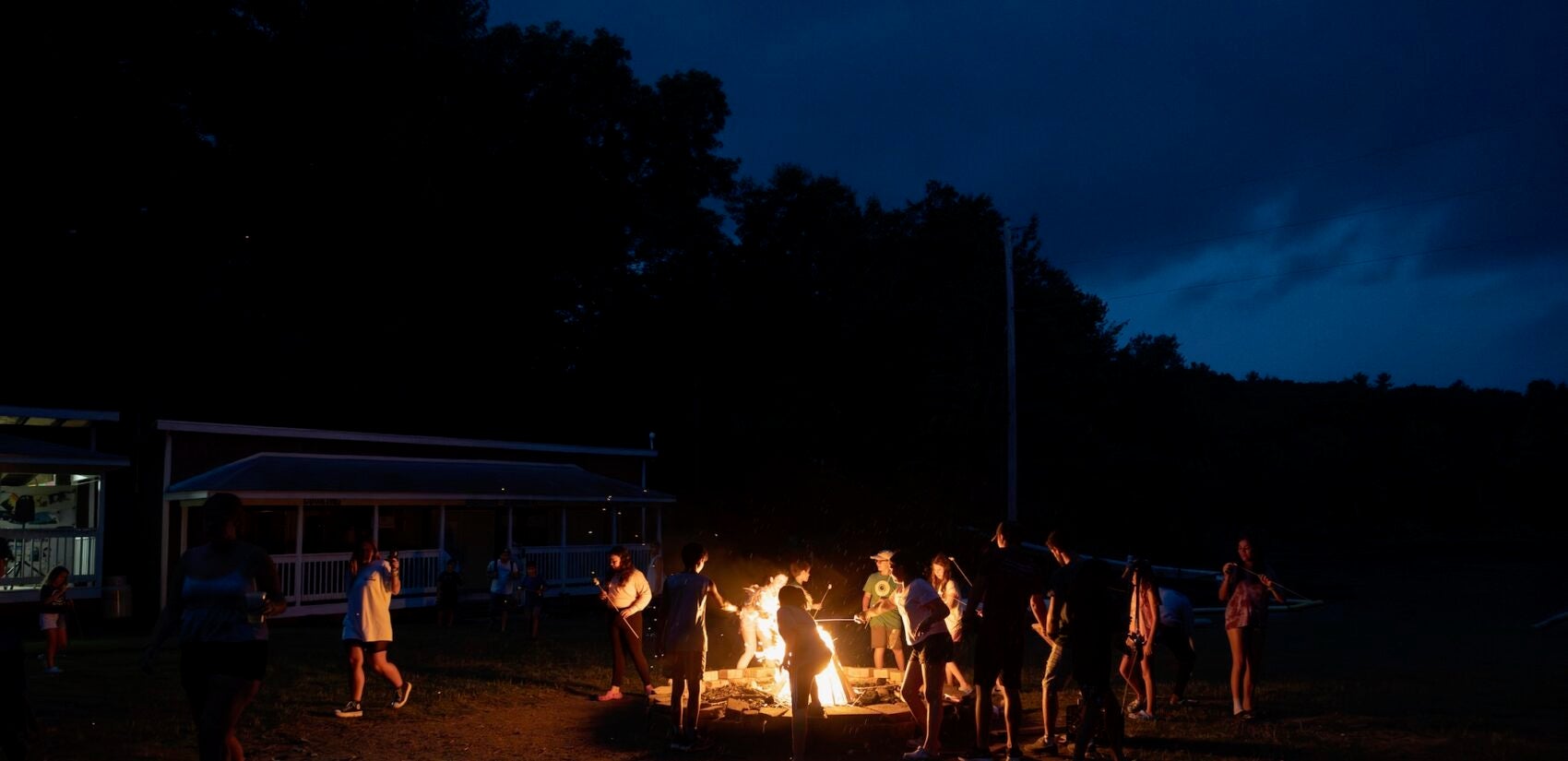
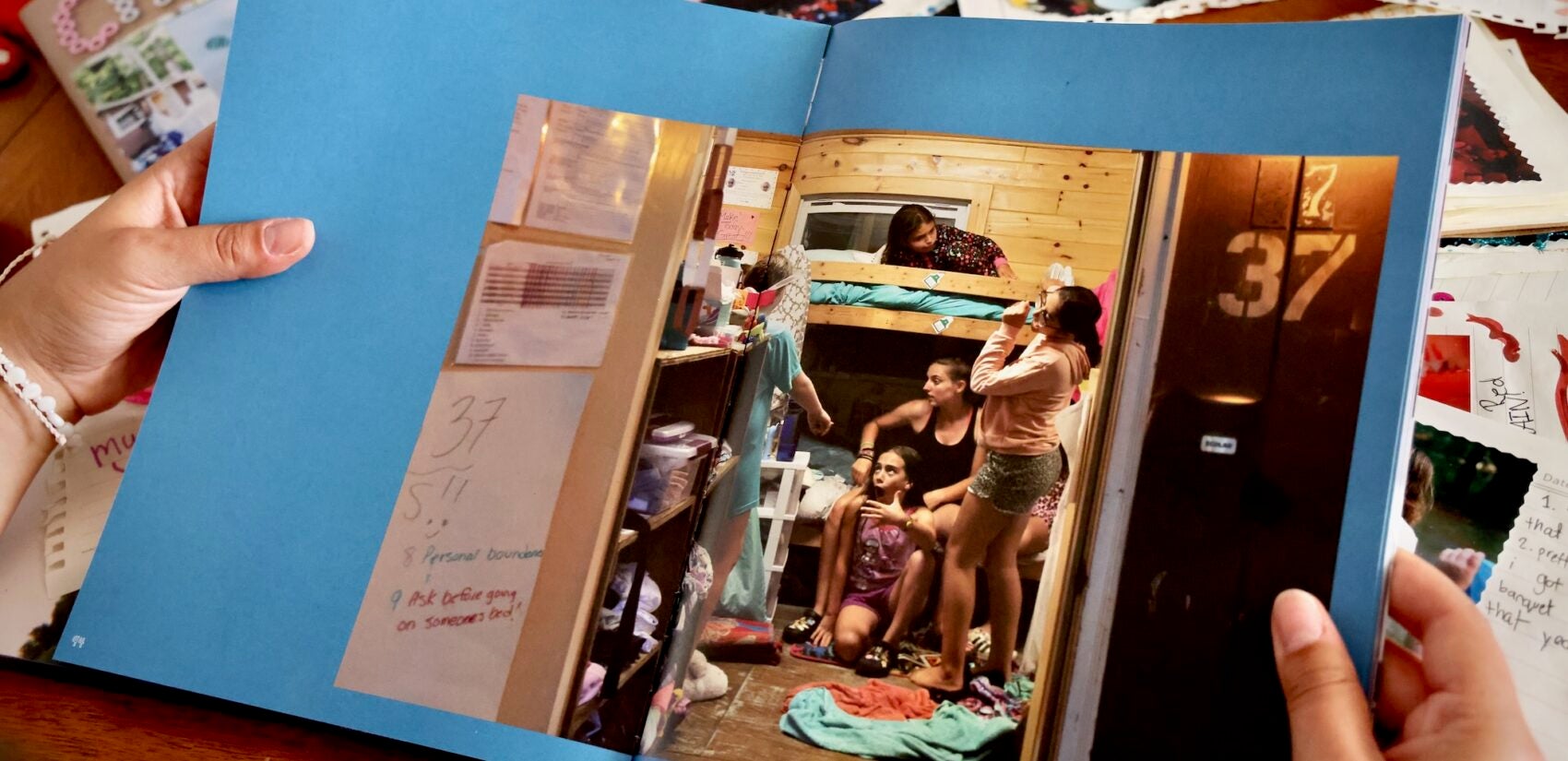
The self-published book is full of swimming, cluttered cabins and friendship bracelets. Days are spent swimming and braiding hair while nights are filled with bonfires and flashlights in bunks.
Camp Nah-Jee Wah is a co-ed camp, but boys rarely appear in the photos, and when they do, it is by chance. Adults are similarly scarce. “L’dor Vador” portrays a world of girls living every moment with one another for two months.
“Something that the girls have said to me is that they’ve become a lot closer with each other than with their school friends because they’re spending every single hour together. They’re falling asleep together, they’re showering together, they’re eating meals together,” Wisniewski said. “It really was only each other that they saw.”
A complicated experience with summer camp
Wisniewski, 32, is a freelance photographer who has filed for outlets like The New York Times, The Washington Post and WHYY. Through a photography mentorship program at the Anderson Ranch Arts Center in Colorado, she developed a long-term documentary concept and received guidance to help her through it.
Wisniewski chose Jewish summer camp as a topic because she has a complicated relationship with it. She grew up Jewish in Philadelphia but was not observant. She never went to Hebrew school nor had a bat mitzvah. As a girl, Wisniewski went to Jewish summer camp in order to feel more attuned to Jewish life, but she only lasted one week. Her time at camp ended prematurely due to a severe homesickness that led to a clinical diagnosis of separation anxiety. She never got the full camp experience.
“I felt like I had one foot in the Jewish community and one foot out and it always made me feel, like, ‘I’m such a baby, why can everyone else do this thing and I can’t do it?’” she said. “It sounds weird but I just never let it go. I had started to come into myself, starting to travel on my own, I’m going to college on my own and it was always in the back of my head: If I’m such an independent person, why couldn’t I last two weeks at summer camp?”
-
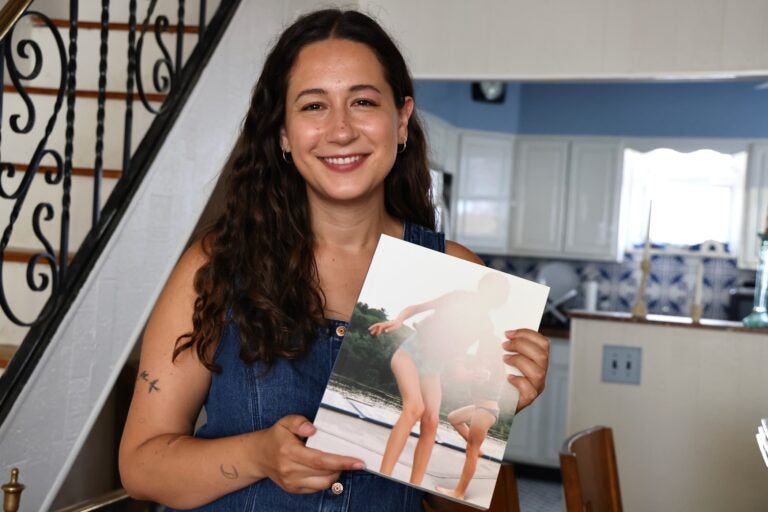
Photographer Rachel Wisniewski self-published her book ''L'Dor Vador,'' which follows 13 girls over three summers at Camp Nah-Jee-Wah, a 102-year-old Jewish summer camp in the Poconos. (Emma Lee/WHYY) -
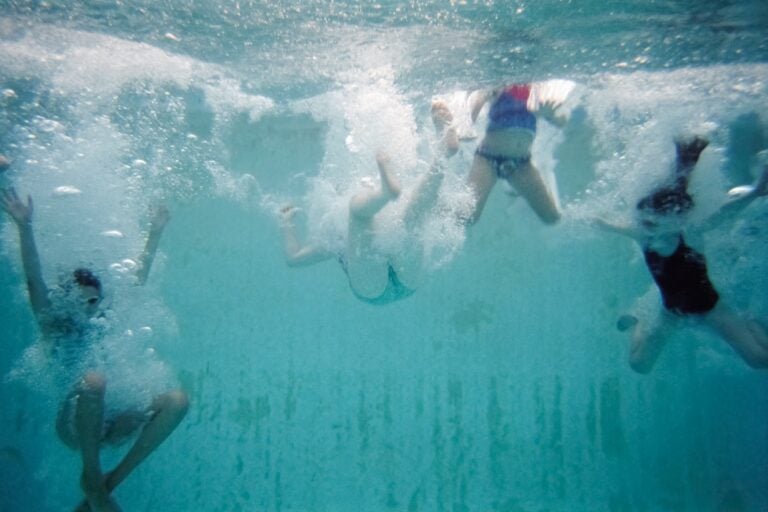
Campers (from left) Sadie Shvetz, Amelia Goldin, Morgan Bloomfield and Sari Lampert jump into the pool on July 27, 2021. (Rachel Wisniewski/L'Dor Vador) -
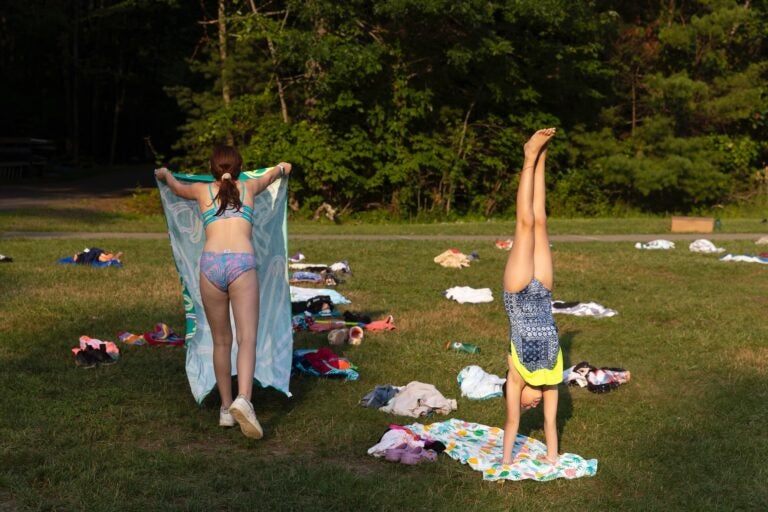
Morgan Bloomfield (left) shakes out her towel while Eliza Goodman does a handstand beside the pool at Camp Nah-Jee-Wah in Milford, Pennsylvania, on July 15, 2021. (Rachel Wisniewski/L'Dor Vador) -
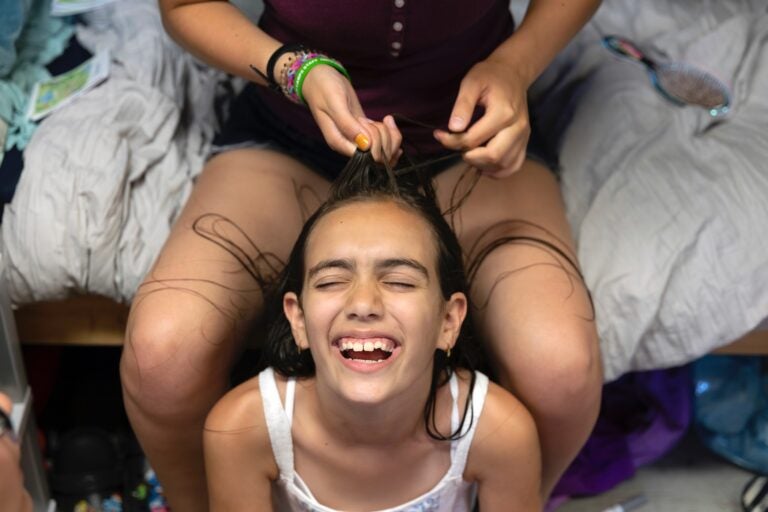
A camp counselor braids Nili Suissa’s hair after a shower in July, 2021. (Rachel Wisniewski/L'Dor Vador) -
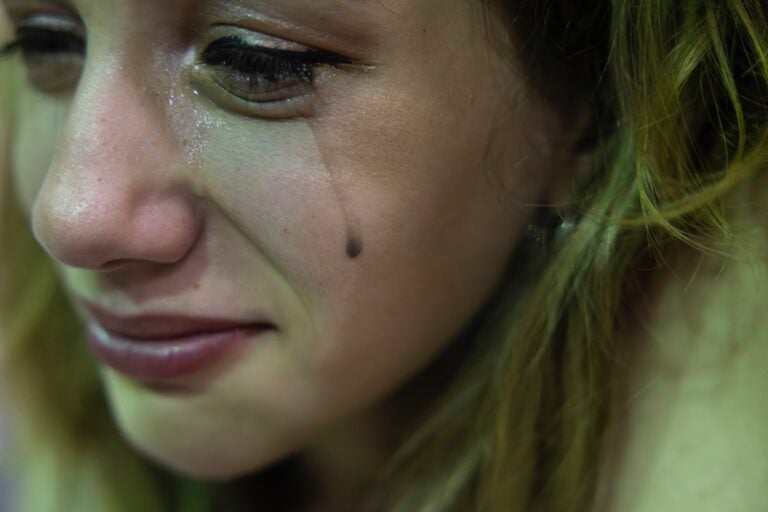
Carly Kreisler cries as she says goodbye to friends on the last night of the camp session at Camp Nah-Jee-Wah in Milford, Pennsylvania, on July 24, 2022. Campers were allowed to wear makeup only on the final day of camp. (Rachel Wisniewski/L'Dor Vador) -
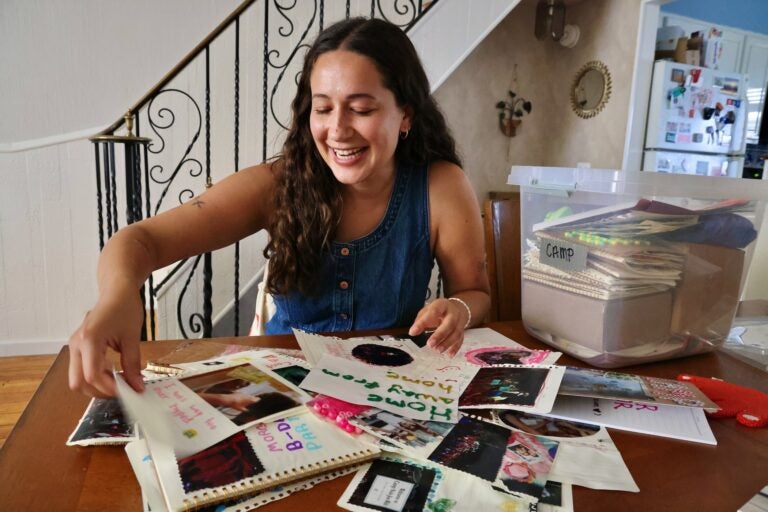
Photographer Rachel Wisniewski sorts through materials from her stays at Camp Nah-Jee-Wah. (Emma Lee/WHYY)
Related Content
With creativity and play, Thomas Jefferson STEM camp nurtures the next generation of engineers
America is facing a deficit of STEM professionals. A Philly-based program aimed at middle school kids is trying to turn things around.
3 days ago
Listen 1:50Summer camp as a bedrock of American Judaism
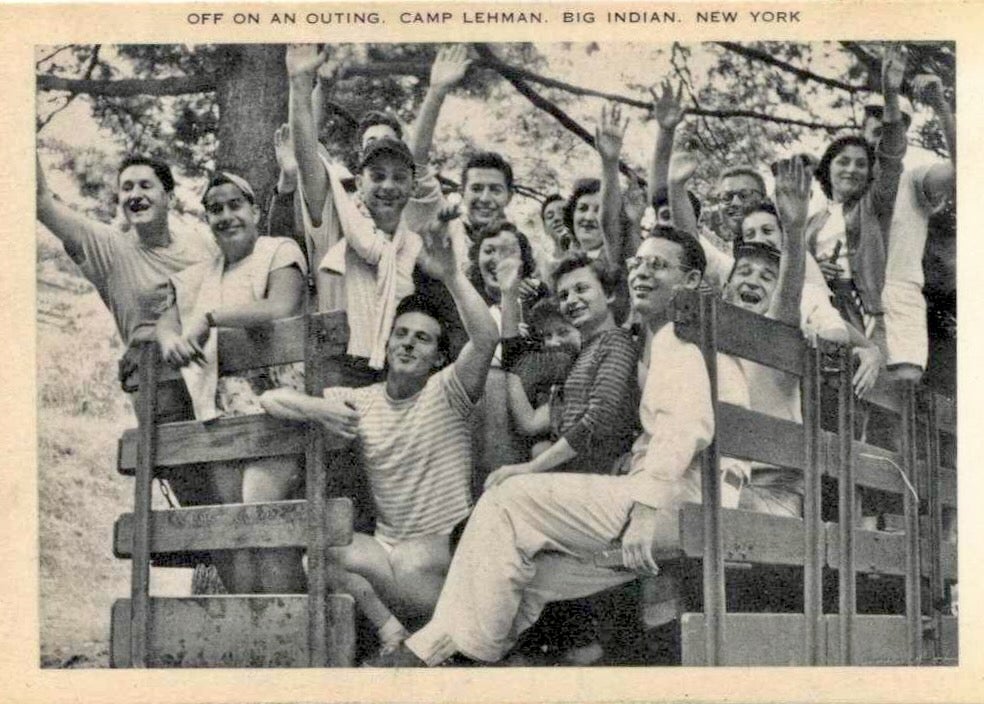
Summer camp has played a central role in the American Jewish experience for over a century. What first began as programs to get children of recent immigrants out of urban cities for a few weeks became by the mid-century incubators of Jewish identity when many feared Jews were losing their heritage to the dominant American culture.
In “The Jews of Summer: Summer Camp and Jewish Culture in Postwar America,” author Sandra Fox describes camps of the 1950s and ‘60s as being driven by various Jewish ideologies such as Reformist, Conservative, Zionist and Yiddish.
“But campers inevitably arrived with their own desires and aspirations for their summers,” Fox wrote, “increasingly expecting substantial degrees of freedom within the camp environment.”
Josh Perelman, senior advisor for content at Philadelphia’s Weitzman National Museum of American Jewish History, said many Jewish summer camps these days put religious ideologies on the back burner.
“If you were to visit a Jewish summer camp and not know it’s a Jewish summer camp, they look and feel and have the same types of activities as any other summer camp that a parent might send their child to,” Perelman said. “Where it finds its uniqueness is summer camp provides this opportunity to come together and build knowledge, pride and continuity amongst young people.”
Summer camp is so integral to American Jewish identity that the Weitzman’s core exhibition gallery has an entire section devoted to it, including a photo of Supreme Court Justice Ruth Bader Ginsberg as a 15-year-old attending a Jewish camp in upstate New York.
Learning to be Jewish
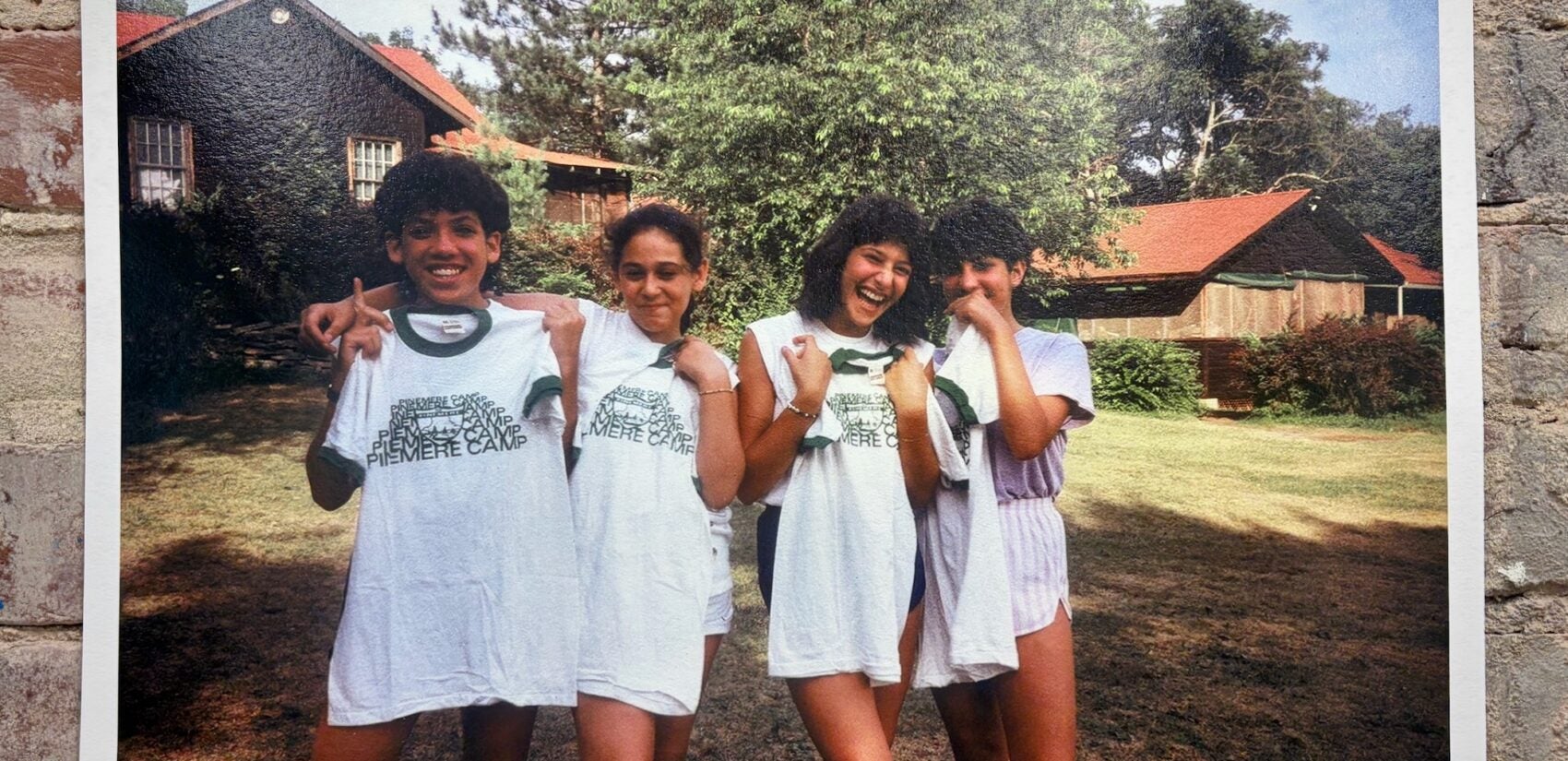
Old photos of Jewish summer camp also appear in “The Summer Feeling,” an exhibition of personal vacation snapshots at PhotoLounge in Center City. Alyson Bell submitted a 1983 photo of herself as a 14-year-old at Pinemere Camp. She is with her sister and two friends, also sisters. The four of them are holding up their new Pinemere T-shirts on the first day of camp.
“I’m the one with the biggest smile,” Bell said.
Bell, who works in marketing and public relations, describes Pinemere as her “happy place.” Four decades later, it still is: After being a camper there for a few summers she became a junior counselor, then a supervisor and now sits on the camp’s board.
Bell’s heritage is Jewish, but she says she did not grow up religious. Much of what she knows about Judaism comes from summer camp.
“My grandfather on my mother’s side was an atheist. My father was raised a little more religious, but my sister and I didn’t belong to a synagogue,” she said. “Our Jewish comes from camp.”
Perelman said young people can feel more free to express their Jewish heritage in public at camp.
“In this contemporary moment, there is so much rising antisemitism that there is a sense that sending your child to Jewish summer camp is a safe space in which for them to openly, publicly, enthusiastically live out their Jewish identities,” he said.
Related Content
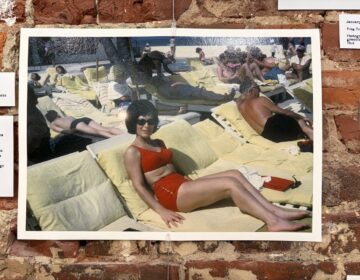
Philadelphia’s Photo Lounge shows what summer looked like before Instagram
Over 60 customers submitted family vacation snaps to “That Summer Feeling” from 1931 – 2010.
2 weeks ago
Listen 2:23A social media vacation
Most camps do not allow campers to have cellphones, nor are the girls allowed to wear makeup at Camp Nah-Jee-Wah. There are few opportunities for them to see what they look like. Social media does not appear in “L’dor Vador.”
In 2023, Wisniewski published some of the camp pictures in The Washington Post as a photo essay. She quoted one of her young subjects, Amelia Goldin, saying, “If you had your phone at camp, it wouldn’t be as fun.”
“When camp was first starting, it was not a big deal to not be able to contact your parents for a few weeks because that’s how it was, pre-cellphone,” Wisniewski said. “Now we are so connected — too connected — that having a space where kids can travel back in time to a place that’s pre-cellphone is incredibly helpful for their mental health.”
Girls allowed to portray themselves
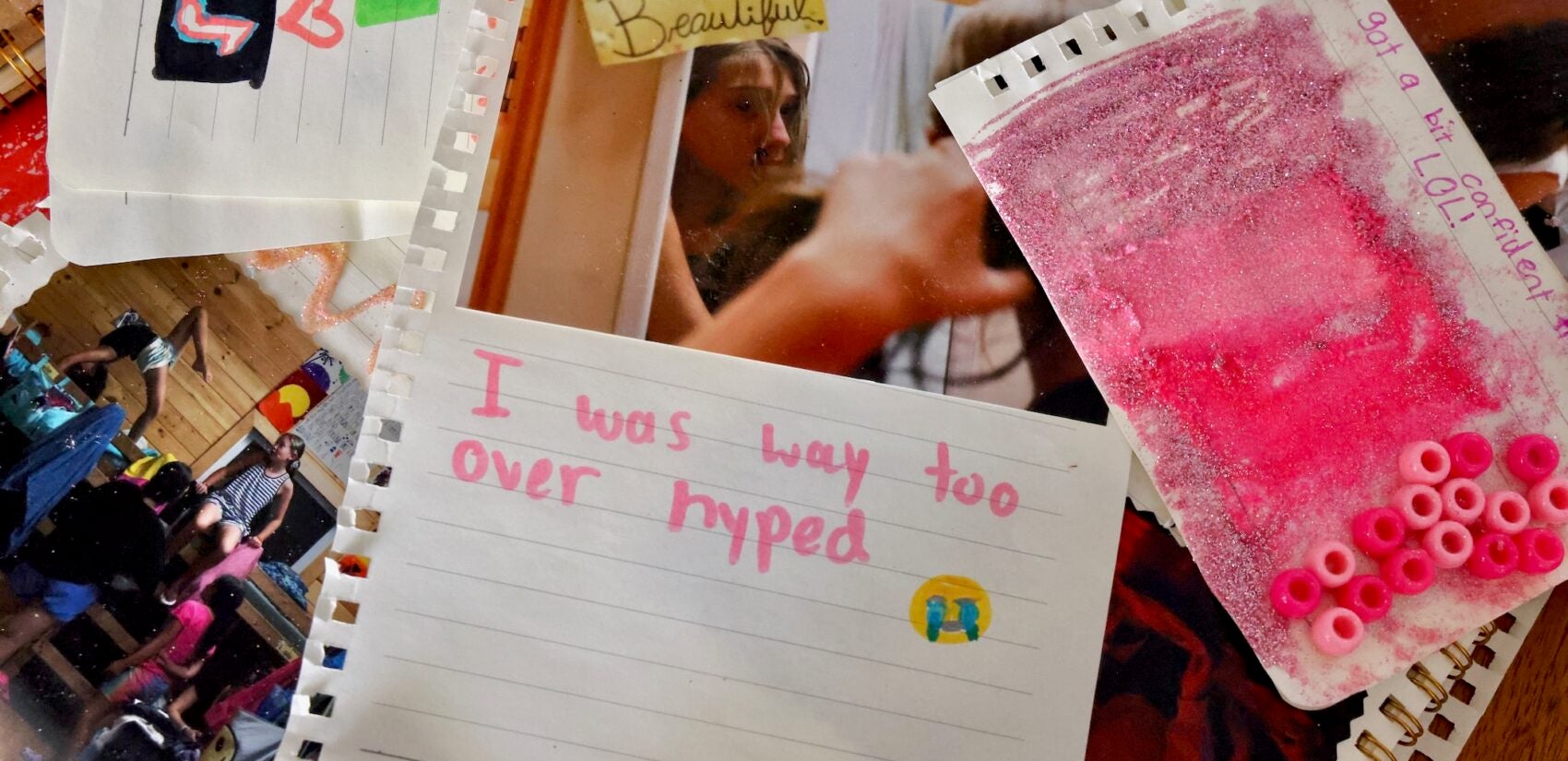
Wisniewski went beyond documenting by giving the girls a chance to shape their own portrayal. The photographer gave them a folder full of printed photos and art supplies, inviting them to make collages of their own images that are included in the book.
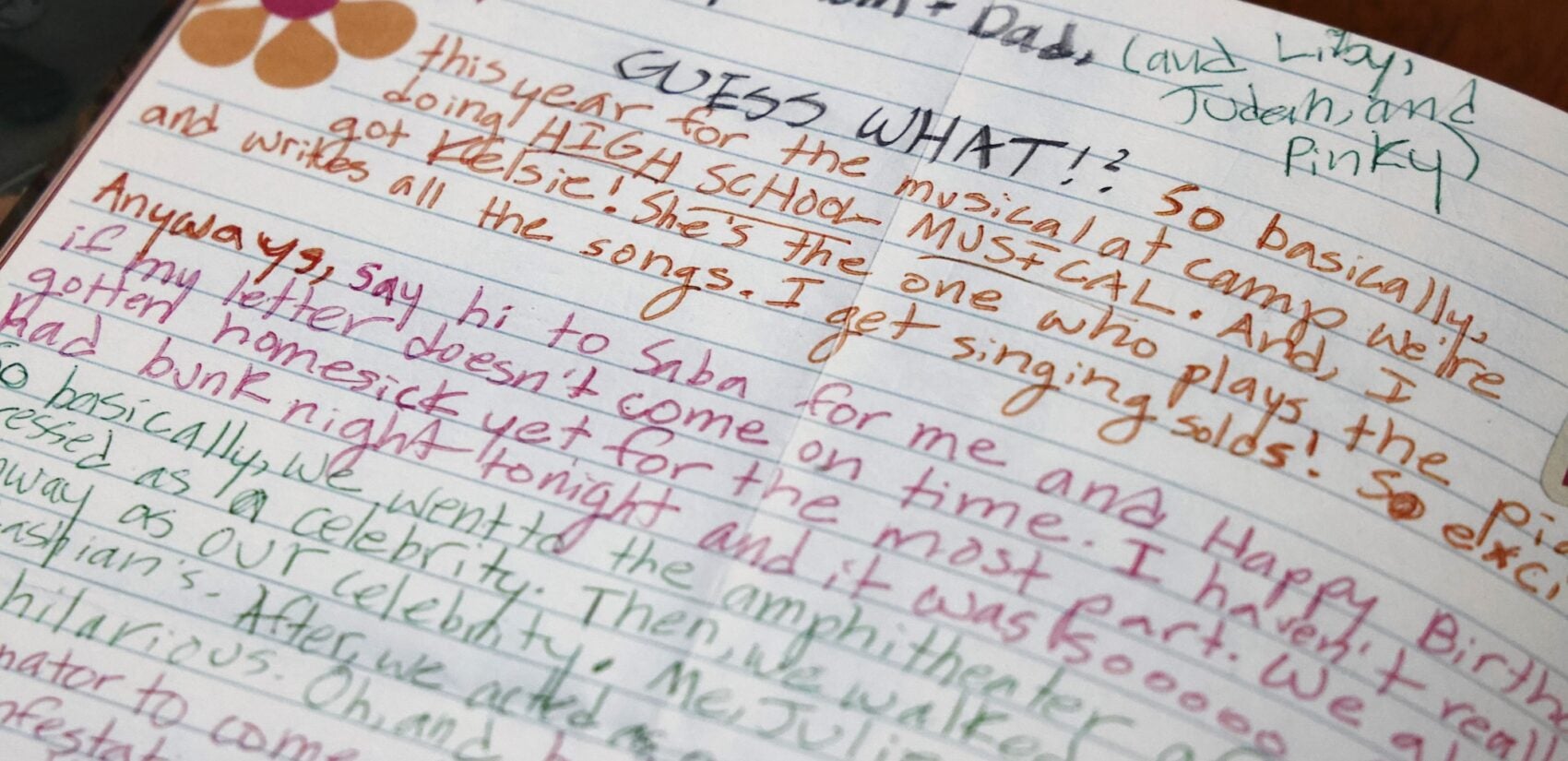
Wisniewski also included campers’ handwritten letters to parents describing their days at camp, some featuring pen inks in multiple colors and hearts over the i’s.
“I really was shocked at every turn that these girls were okay with everything. I felt that as a huge compliment because girls kind of hate every picture of themselves,” Wisniewski said. “There’s a lot of research that shows that a young girl will take 200 pictures of herself before she finds the one that she likes.”
“I was really nervous that at any point any of them were going to say, ‘I hate every picture of me. Take it out of the book.’ I would have, but I would have had no book left,” she said. “I think I was showing them in a way that was different than they’ve ever been shown before. These are not selfies, nothing was taken on an iPhone. I think they had never been captured in this way and so they really bought into the process.”
“L’dor Vador” is a self-published and self-distributed book, available from Wisniewski’s website.

Saturdays just got more interesting.
WHYY is your source for fact-based, in-depth journalism and information. As a nonprofit organization, we rely on financial support from readers like you. Please give today.

Why Yiddish is experiencing a grassroots revival in West Philadelphia
A rag-tag group of younger adults has rediscovered the West Germanic language and culture for heritage and politics.
5 months ago
Listen 4:41
A new musical about a Jenkintown Holocaust survivor is premiering at Gratz College in Elkins Park
Ruth Kapp Hartz evaded Nazis as a young Jewish girl in France during WWII. Now, she is watching her story onstage through the musical “Hidden.”
2 years ago
Ruby Bridges, desegregation trailblazer, writes kid’s book
“I Am Ruby Bridges” goes on sale Tuesday. It’s aimed at readers as young as 4 at a time when teaching the history of race in America has never been more difficult.
4 years ago