
Philadelphia’s Germantown opens its own brick-and-mortar visitor center
The Germantown Historical Society’s building renovation makes room for tourists to find areas of interest in Philly’s outer neighborhoods.

From Philly and the Pa. suburbs to South Jersey and Delaware, what would you like WHYY News to cover? Let us know!
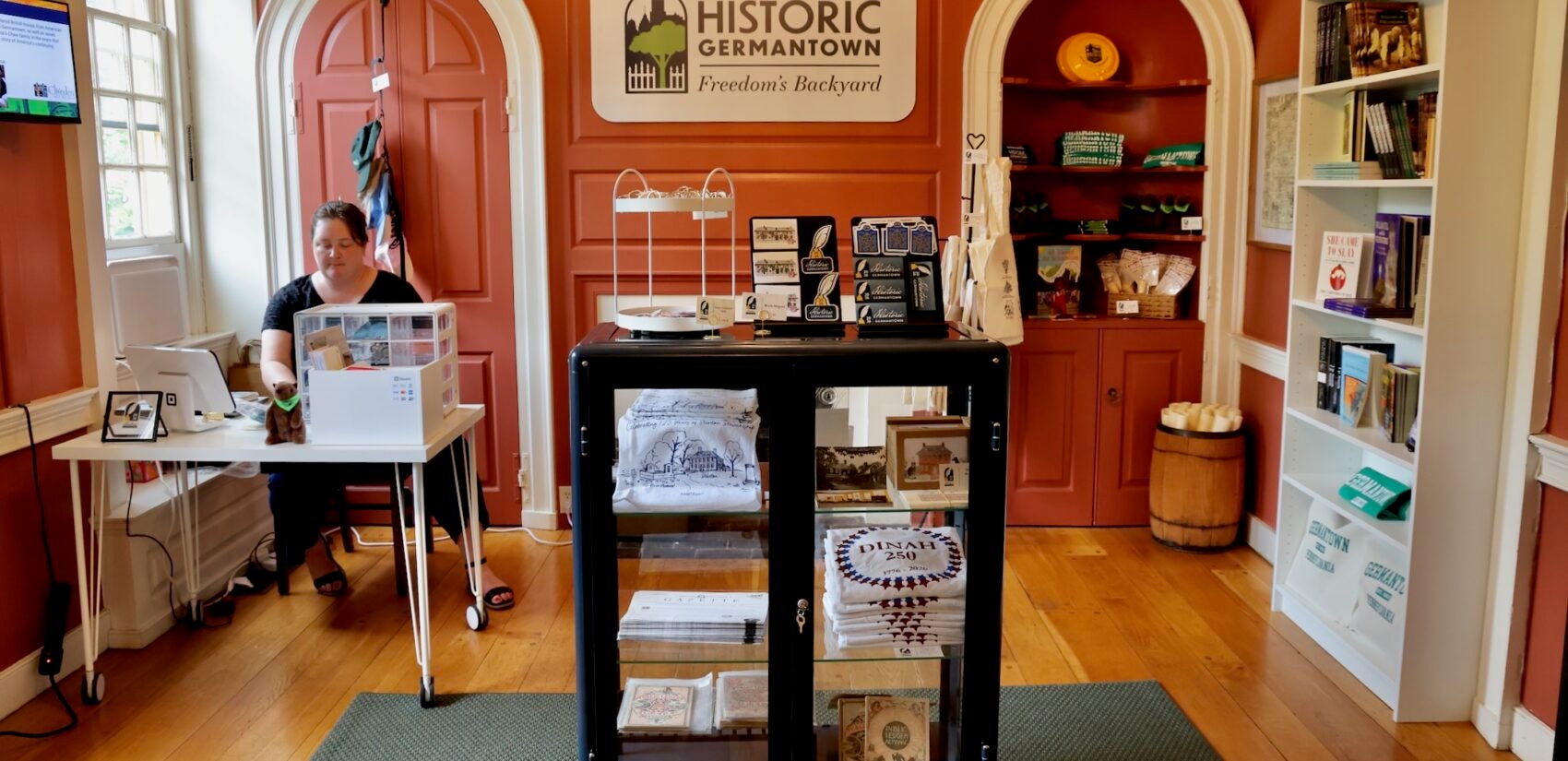
Germantown unveiled a visitor center, the first of its kind in an outlying Philadelphia neighborhood.
The Germantown Historical Society has long used its Colonial Revival building on Market Square as its base of operations. With a new $100,000 interior renovation, the organization carved out a room where visitors can find maps and pamphlets to orient themselves to 20 neighborhood attractions and buy a Germantown-branded T-shirt.
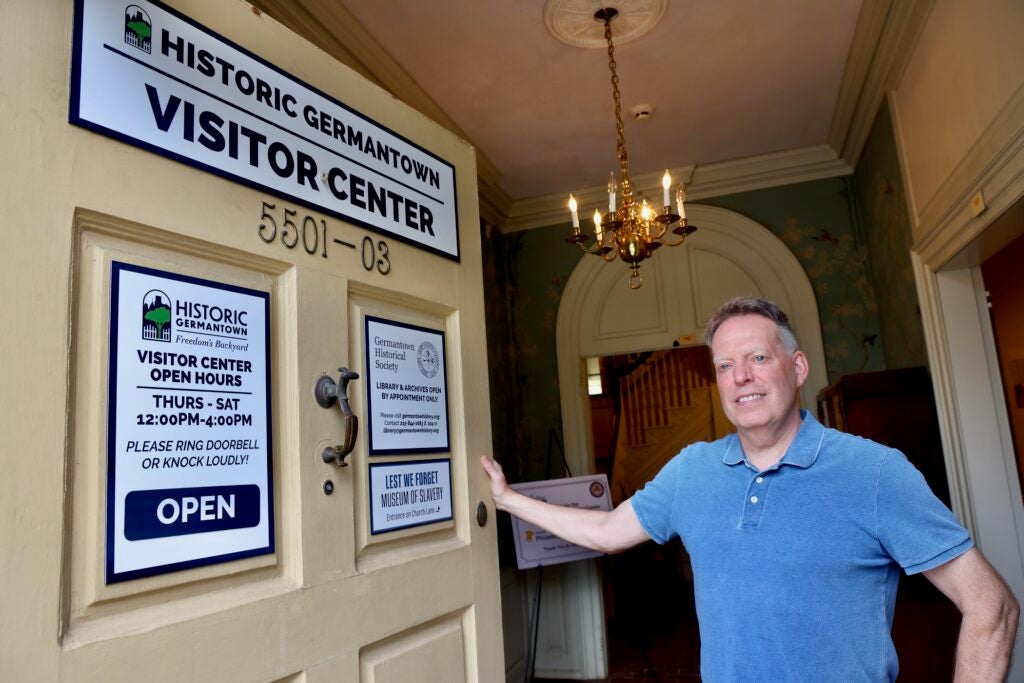
“We did not have a dedicated visitor center,” said Executive Director Tuomi Forrest. “That was largely the impetus for this project, to create a physical space, a jumping off point where visitors — whether they’re from the neighborhood, from around the region or visiting from across the country — can come to learn more about what we have to offer across Northwest Philadelphia.”
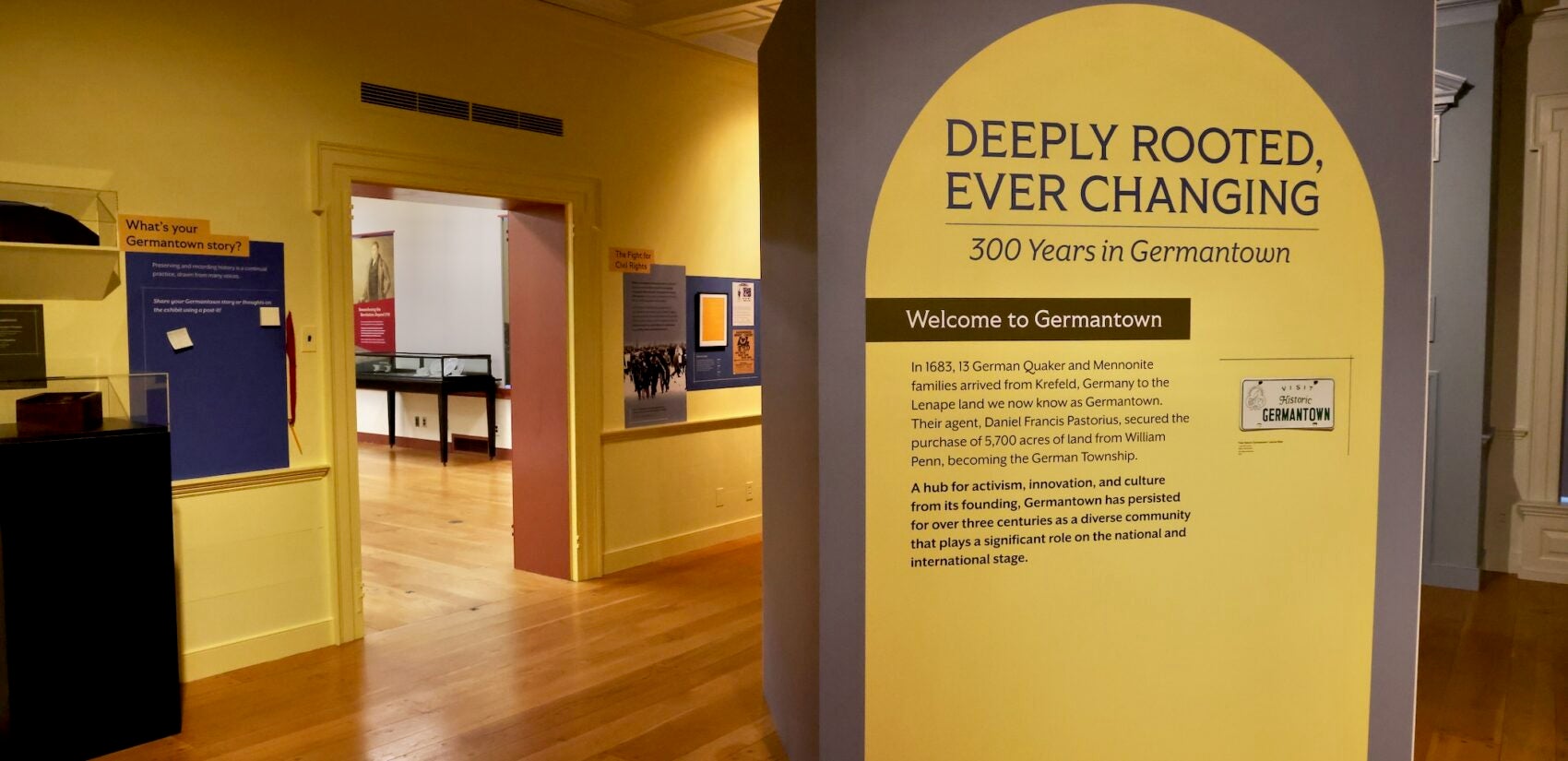
The Historical Society coordinates Historic Germantown, a consortium of the neighborhood cultural attractions, including America’s first 17th century paper mill, the 18th century house used as President George Washington’s secondary “White House,” one of Philadelphia’s only publicly accessible Underground Railroad houses and a museum dedicated to Black soldiers of World War II.
There are also art museums, historic gardens such as America’s oldest rose garden at Wyck House and walking trails at Awbury Arboretum, known for birdwatching.
“We cover 300-plus years of history, contemporary arts and culture, nature, gardens, and green space,” Forrest said. “If you can’t find something of interest here, then you’re not looking too hard.”
Related Content
Philadelphia’s oldest Juneteenth festival draws thousands to the Johnson House in Germantown
The festival celebrated its 20th year with music, vendors, a small-business opening and renewed calls to preserve Black history.
2 months ago
The region’s main tourism hub is the Independence Visitor Center in Philadelphia’s Independence National Historic Park, which can direct interested tourists to Valley Forge and Philly’s outer neighborhoods.
According to Forrest, Germantown gets about 125,000 visitors a year, a number he said is climbing.
“Visitors to the city certainly will want to see the Liberty Bell or Independence Hall, but oftentimes the most memorable part of their visit may be getting out into the neighborhoods,” he said. “That’s really a new approach for the tourism industry.”
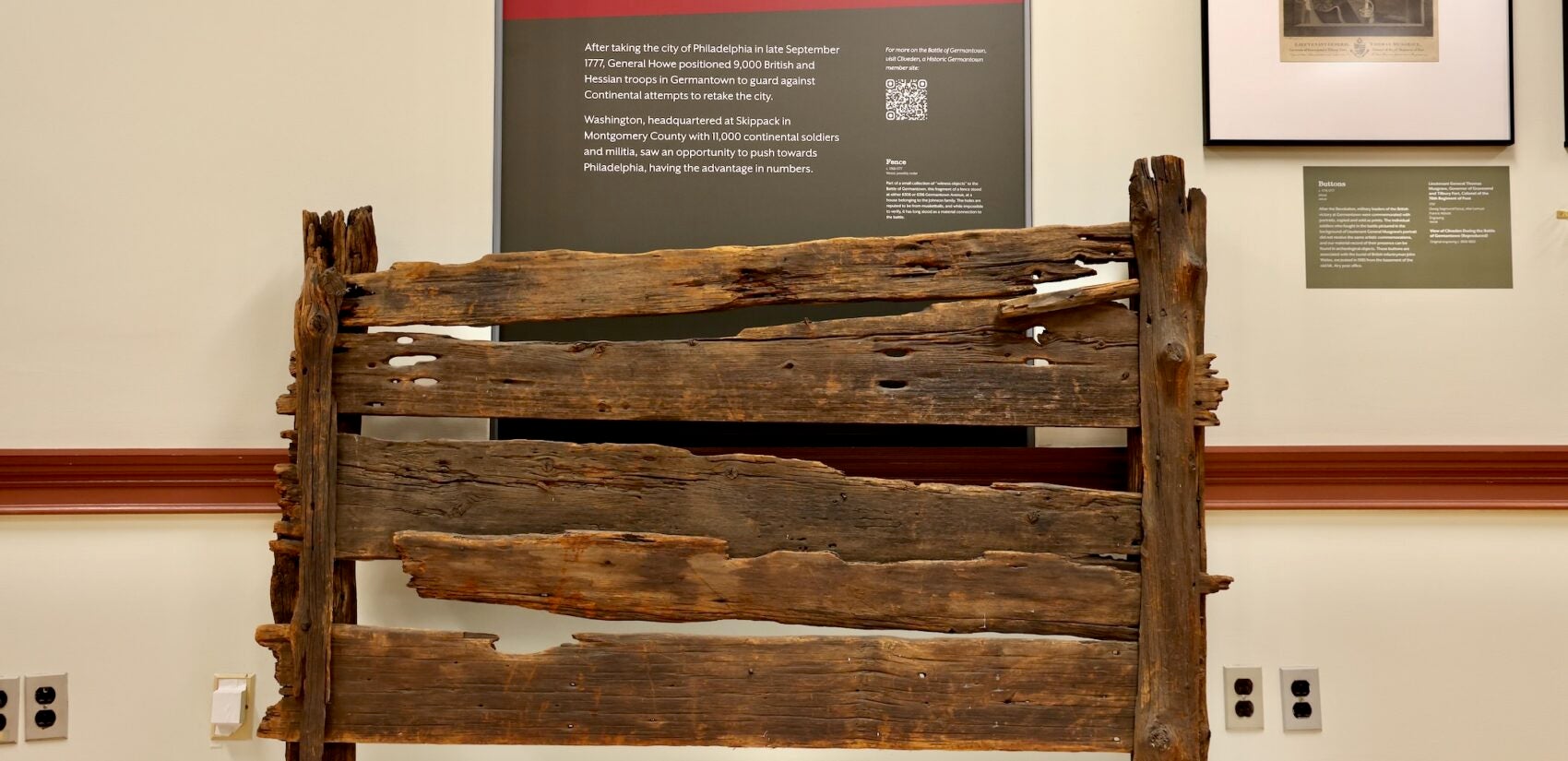
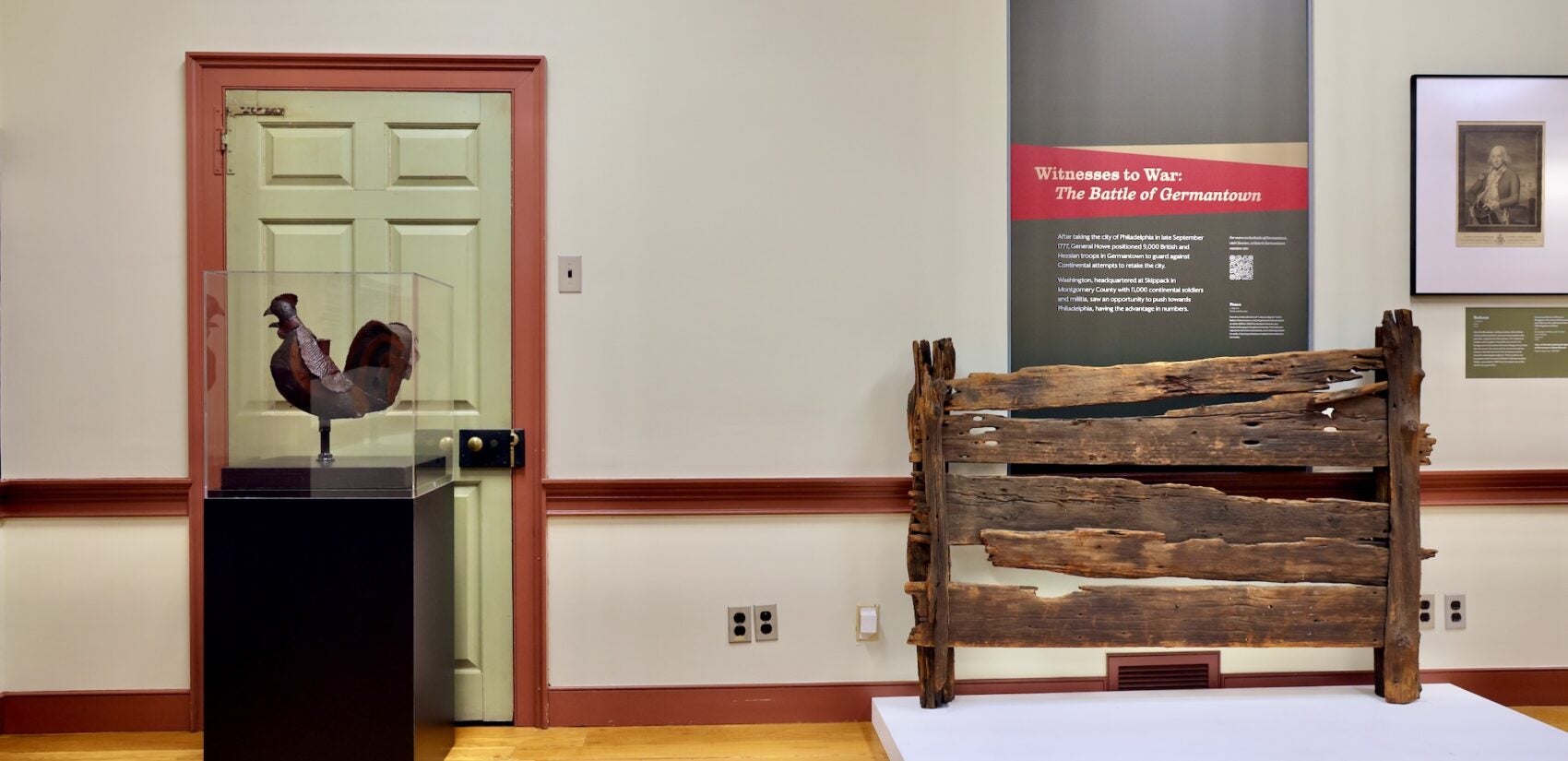
Whereas Independence National Historic Park and most of Old City has been intentionally developed as a largely Colonial-era experience, Forrest says Germantown represents a much wider swath of the American experience, as a Revolutionary War battle site, the home of the the Abolitionist Lucretia Mott and a pioneering example of modern urban development: America’s first commuter rail connecting residents of Germantown to jobs and businesses in downtown Philadelphia opened in 1832.
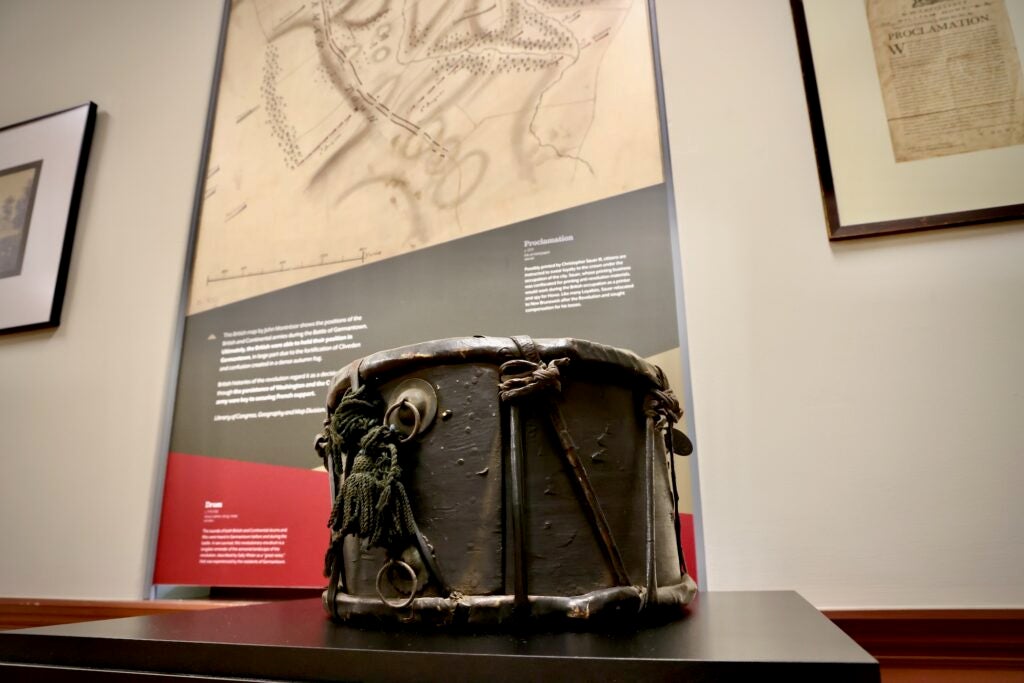
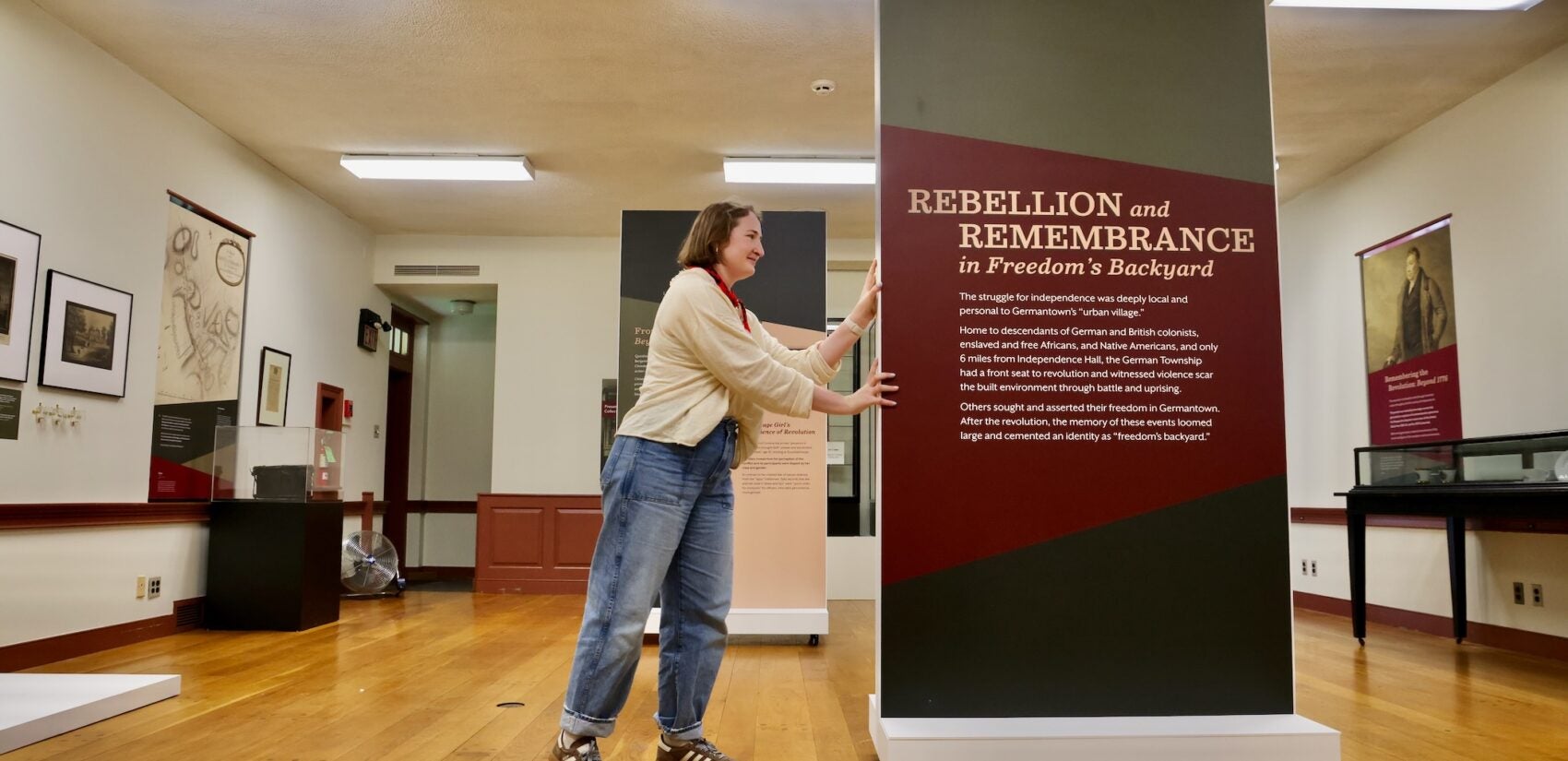
Much of that story of 18th century nation-building, 19th century industrialization and 20th century civil rights is explained in the Historical Society’s exhibition rooms adjacent to the Visitor Center.
“Every community in America is a microcosm of the larger story. That’s what local history matters,” said Kaila Temple, the Historic Society’s curator of collections. “It’s one thing to sit in your school class and read out of a textbook and hear about the national story. It’s another to connect it to the street names that you walk by every day and see images of what the places in your backyard used to look like. It really brings the American story home.”

Get daily updates from WHYY News!
WHYY is your source for fact-based, in-depth journalism and information. As a nonprofit organization, we rely on financial support from readers like you. Please give today.
Philadelphia’s oldest Juneteenth festival draws thousands to the Johnson House in Germantown
The festival celebrated its 20th year with music, vendors, a small-business opening and renewed calls to preserve Black history.
2 months ago
The Philly-based organization combines ancient rituals, storytelling, art and healing practices to help others explore and move through grief.
10 months ago

New program offers overdose-reversing medication for free outside 61 Philadelphia firehouses
The program is part of a national effort to get the life-saving overdose reversal drug into the hands of people who truly need it.
12 months ago
Listen 1:16