

A former Chinatown cosmetics factory with a Gilded Age backstory may soon join Philly’s historic register
Henry Tetlow helped shape America’s cosmetics industry with more affordable — less caustic — face powders before his company collapsed into a family feud.

Have a question about Philly’s neighborhoods or the systems that shape them? PlanPhilly reporters want to hear from you! Ask us a question or send us a story idea you think we should cover.
Generations before beauty influencers picked up their first makeup brushes, a Philadelphia cosmetics company helped turn face powder into a mass-market product for American women. Now, the Philadelphia Historical Commission is poised to designate its former factory in Chinatown.
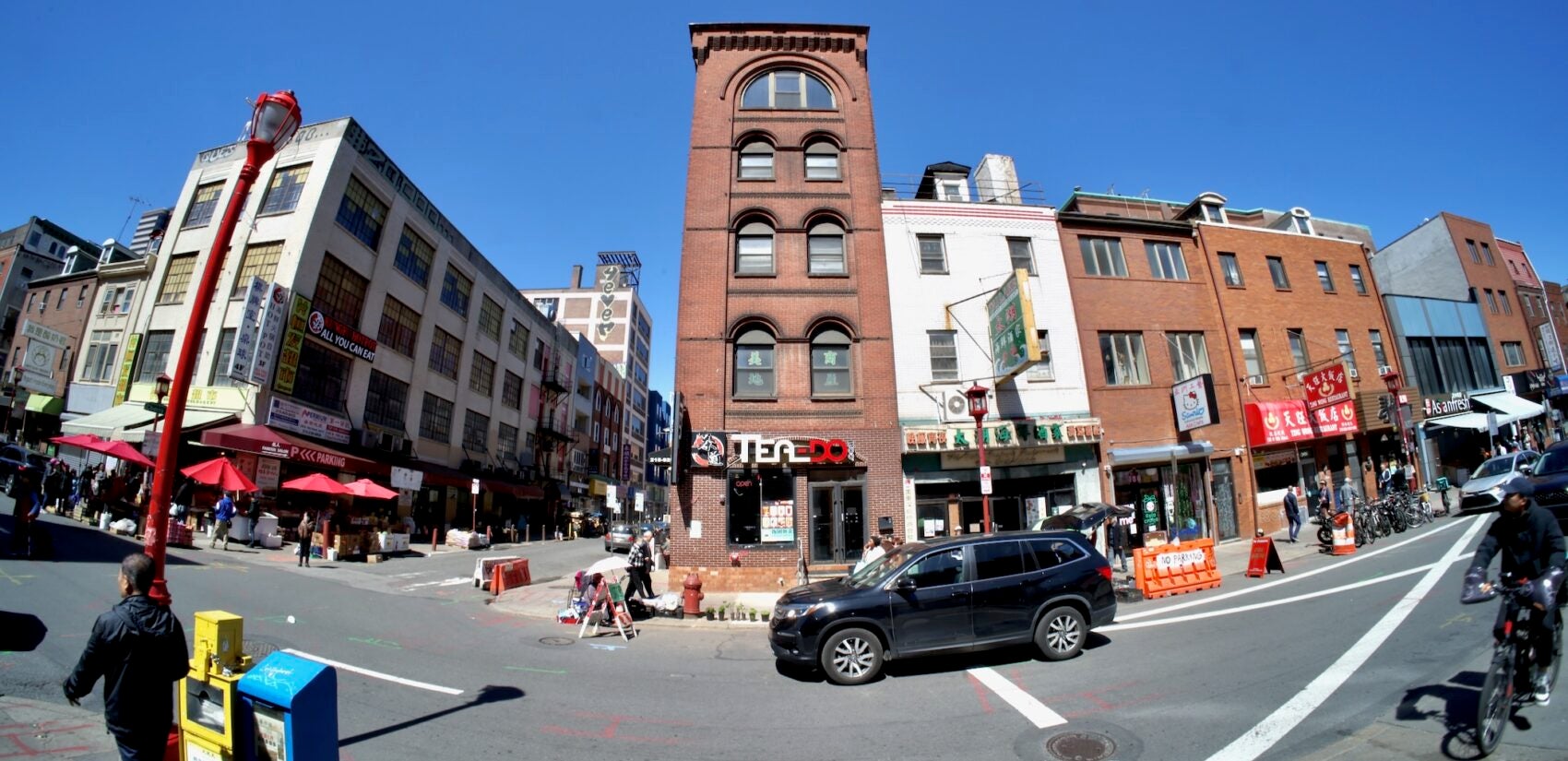
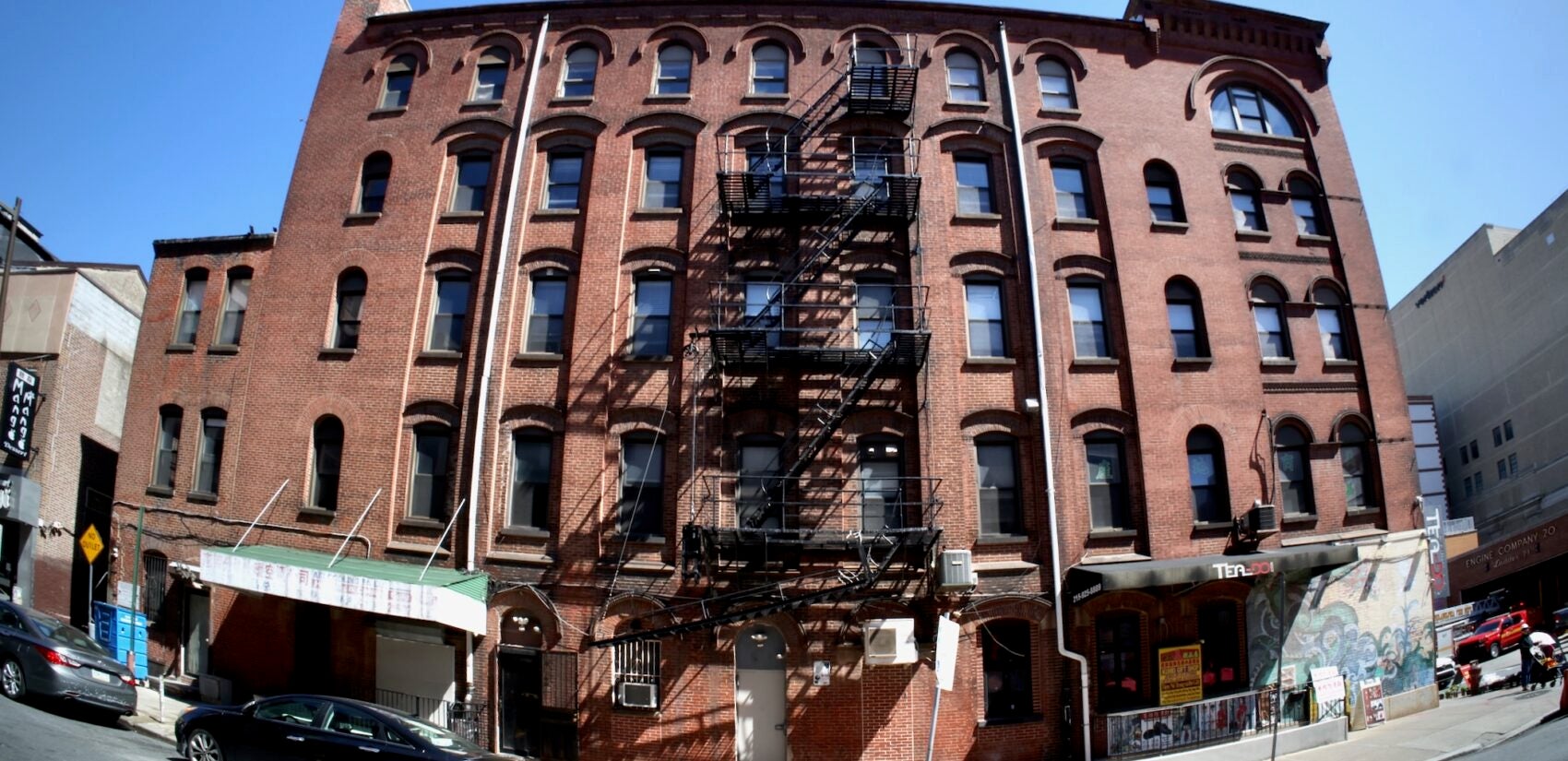
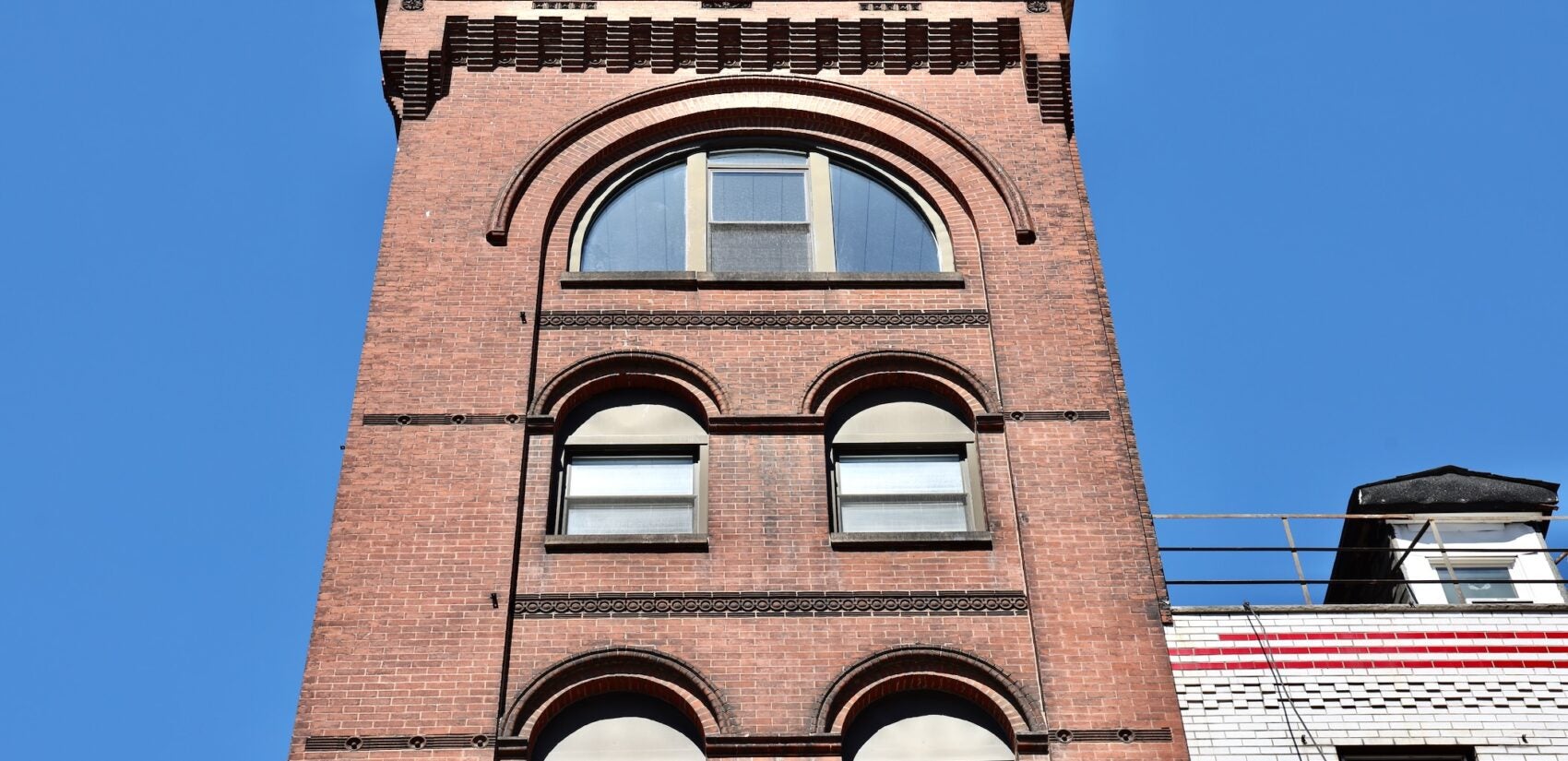
The five-story property sits at the corner of 10th and Cherry streets, a block north of the Chinatown Friendship Arch.
These days, the narrow brick building is home to a tea shop and rental units. But starting in the 1880s, the towering structure was the site of a toiletry and cosmetics company, which operated under several names over time, including the Tetlow Manufacturing Company and Tetlow Toilet Powders & Perfumery Company.
The business, which started as a soap maker, is considered one of the founding companies of the American cosmetics industry. And its story has a little bit of everything: industrial chemistry, Victorian Era beauty culture, trademark confusion and an old-fashioned family schism.
“Its innovations democratized face powders for women, transformed expectations of consumer safety and color stability, and established techniques of packaging and celebrity-driven marketing that shaped the modern beauty industry,” according to the nomination.
Henry Tetlow, an English immigrant, is credited with discovering that zinc oxide could be safely used in face powders. Previously, powders often contained “toxic or volatile compounds” that were poisonous, the nomination states, including lead and arsenic. By comparison, zinc oxide was harmless and cheaper to manufacture, making cosmetics available to working-class and middle-class women for the first time.
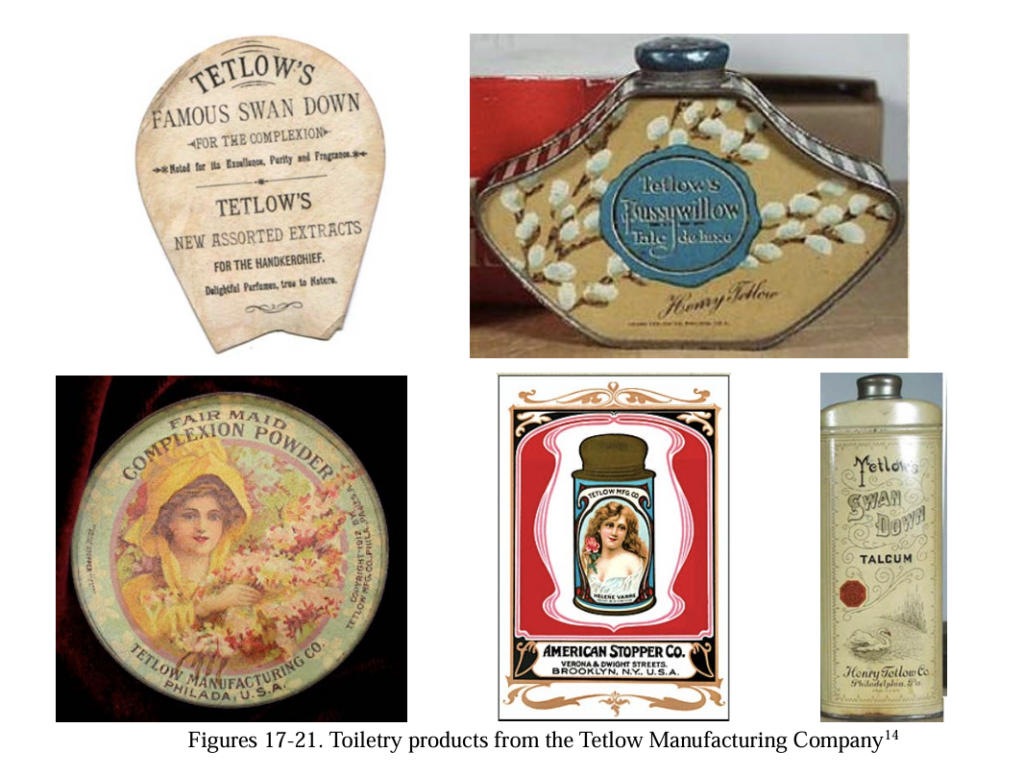
By the 1880s, the products were available across the country.
“When the commercial zinc powder came on the market, it was so popular that the company focused solely on manufacturing of cosmetics, instead of traditional soap. Had Tetlow patented his formula, his name might rank beside Colgate or Ivory today,” according to the nomination.
Related Content
Philly historical commission designates ‘flashy’ Frankford movie palace
The Circle Theatre was once home to a 3,000-seat auditorium. The ornate property remains today, but it hasn’t shown movies for decades.
5 months ago
Tetlow opened his factory as light manufacturing was burgeoning north of Market Street.
The company’s history on 10th Street coincides with the rise of Chinatown, a period the nomination says brought a population boom paired with a “rise in boarders, clerks, seamstresses, small factory workers, and immigrant families.”
“It was a time where people felt there was opportunity and that we saw increasing immigration from Europe into the U.S. as well,” said preservationist Annie Liang-Zhou, who authored the nomination.
The role of women in society was also changing amid the suffrage movement.
“They were becoming more educated … they were looking for jobs and more entrepreneurial positions,” Liang-Zhou said.
The business suffered after a feud between Tetlow and his brother, who then started his own cosmetics company with a very similar name. That split “diluted brand identity, undercut profits, and contributed to long-term decline,” according to the nomination.
The company was further weakened by a “celebrated” court battle over Tetlow’s will in 1921. The business relocated in the 1930s and completely disappeared from record books around 1940.
The nomination is slated to come up for an initial vote Wednesday. A second and final vote is scheduled for June.

Subscribe to PlanPhilly
WHYY is your source for fact-based, in-depth journalism and information. As a nonprofit organization, we rely on financial support from readers like you. Please give today.
Brought to you by PlanPhilly

PlanPhilly
In-depth, original reporting on housing, transportation, and development.
A $425M revamp: Bartram Village in Southwest Philly will be replaced with 500+ affordable rentals
An emergency declaration cleared the way for the site’s 44 aging, vacant homes to be demolished.
1 week ago
Listen 0:56
Philly homeowners are about to receive new property assessments. Here’s what to know
The new valuations will be used to calculate property tax bills that will be due next March.
2 weeks ago
After 2 centuries, this historic Mt. Airy home may be demolished
The city recently determined that the Leibert House is “imminently dangerous.” It’s unclear if its owners will move to repair the property.
3 weeks ago
Listen 1:13