

Bug season has arrived. How are Philly and Jersey fighting ticks and mosquito-borne diseases?
Mosquito and tick bites can put people at risk for contracting Lyme disease, West Nile virus and alpha-gal syndrome.
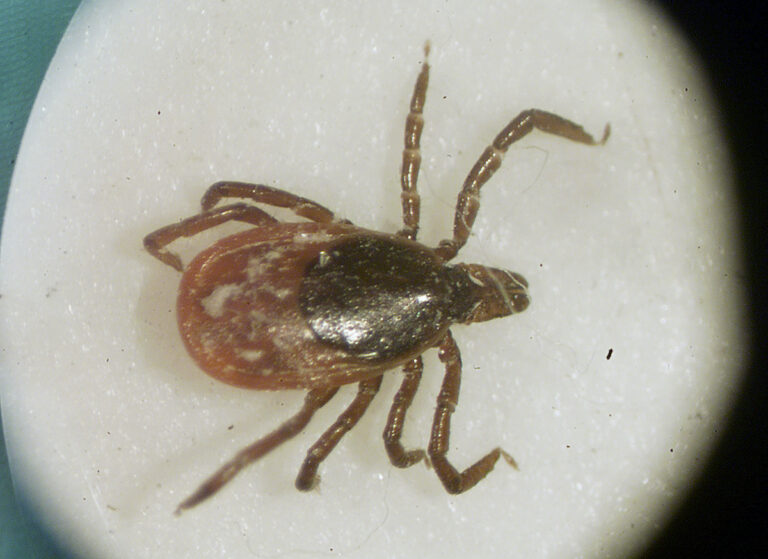
FILE - A female deer tick is seen under a University of Rhode Island microscope in the entomoloy lab March 18, 2002. (AP Photo/ Victoria Arocho, File)
From Philly and the Pa. suburbs to South Jersey and Delaware, what would you like WHYY News to cover? Let us know!
As the sun dipped in the sky on a recent Monday evening, a white pickup truck with the Philadelphia Department of Public Health logo on its doors entered FDR Park in South Philly.
As the vehicle slowly moved throughout the park, a machine that looked like a large, black cannon sitting in the truck bed projected a fine cloud of mist, which gently fell onto the road, grass and walkways.
The mist was a chemical treatment meant to kill adult mosquitoes, which are known carriers of diseases like West Nile virus and eastern equine encephalitis. The insects can easily be found in spots like FDR Park, which is close to sports stadiums hosting baseball and FIFA World Cup games this summer.
“We know that FDR Park is going to be heavily used this summer,” said James Garrow, health department spokesman. “So, this is an effort for us to sort of get ahead of the problem and see if we can knock down populations before it gets too bad.”
FDR Park is just one of several locations the city plans to target with its bug control measures this summer. Early efforts to control insect and tick populations by killing them or eliminating their eggs have become vital as more cases of vector-borne diseases in humans and animals are seen every year.
This year is no different. Some experts predict a “bug boom” of tick and mosquito populations this summer in Greater Philadelphia and around the country.
As climate change, environmental habitat disruption and global migration continue to drive vector-borne diseases, researchers are busier than ever before in searching for better ways to control bug populations, prevent the transmission of disease, treat illnesses in people and identify the next big threats on the horizon.
“One thing is about what the next vectors are, but the other is what the next pathogen is,” said Sara Cherry, a virologist and professor in the Department of Pathology and Laboratory of Medicine at the University of Pennsylvania. “And I think all of us are paying attention to outbreaks.”
Controlling insect populations from the start
Certain species of mosquitoes and ticks, like the Asian longhorned tick, were once considered distant threats, only existing continents away. They’re now becoming commonplace in parts of the U.S., including in the tristate area where higher temperatures and humidity for longer periods of time make for perfect environments for these insects and arachnids to thrive.
These environmental changes have also given mosquitoes and local species like the blacklegged tick and lone star tick the ability to populate at faster rates, researchers said.
As these bloodsucking arthropods feed off deer, rodents, birds and other animal hosts, diseases and viruses begin to spread among the parasite and host populations. That makes it more likely for people who are bitten to be exposed to West Nile virus, Lyme disease and alpha-gal syndrome, an allergy to red meat and dairy products.
Philadelphia and other municipalities try to kill off adult bugs and their larvae by spraying pesticides throughout the warmest months. In addition to FDR Park, the city will also target areas around Philadelphia International Airport, Pennypack Park and the Wissahickon Valley Park.
People should avoid standing directly near the aerosolized chemical sprays, but the products pose minimal danger to animals, plants and people if they are exposed, Garrow said.
The city Department of Public Health’s Vector Control unit distributes dunks, or small donut-shaped pieces that are tossed in standing water to prevent mosquito larvae from growing. City experts can also help residents assess their properties to identify sources of mosquito breeding, which can include something as small as a water-filled bottle cap.
“Go out onto your property, see if there’s water just sitting there. A great time to do this is if you have a summer rain come through, that next day, all that water will have collected there,” Garrow said. “See what potentially could be holding water. Tip it over.”
Related Content
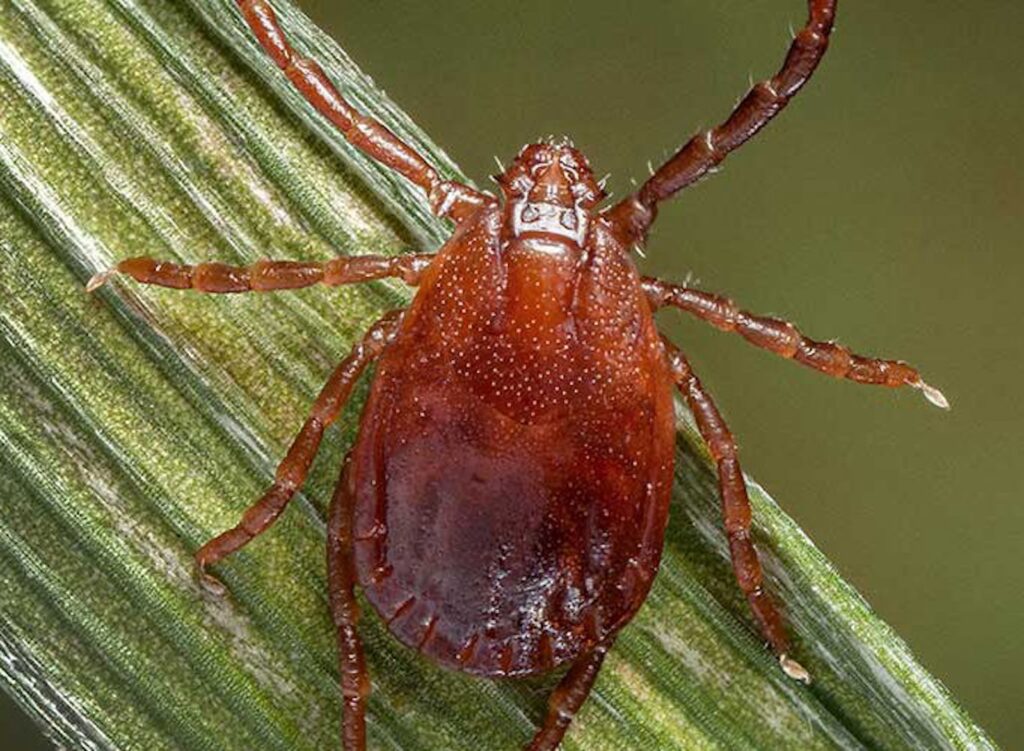
Pennsylvania researchers see tick population and related diseases ticking up
The state's Tick Research Lab, based at East Stroudsburg University, has recorded more than twice as many ticks this May compared to the same time last year.
1 year ago
Investigating new prevention and treatment options
Most vector-borne infections pass with little more than itchy bug bites or temporary flu-like symptoms. But in rare cases, people face serious illnesses that can come with long-term complications like chronic fatigue, joint and muscle pain, neurological damage, cardiovascular problems, paralysis and cognitive impairments.
While health providers can test for these vector-borne diseases and viruses, targeted treatments and medical prevention methods are still limited, Cherry said.
“There are basically no vaccines or specific therapeutics for arthropod-borne viruses,” she said.
Scientists and researchers at Cherry’s laboratory at the University of Pennsylvania are dedicated to understanding how these vector-borne pathogens affect their natural animal hosts, information that they could use to understand how the diseases affect people and their immune systems.
They’re investigating small-molecule therapeutics that could block infection of these viruses, as well as ways to boost the body’s immune system to protect people from infection complications.
“Just really trying to understand what happens when you productively clear what happens if you get sick,” Cherry said. “What defines those things and can we come up with strategies to shift it?”
Other researchers and scientists like Alvaro Toledo, an associate professor of entomology at Rutgers University, are working with colleagues at the Center for Vector Biology to improve over-the-counter tick repellents.
“We have repellents that work. We have DEET-based repellents that are very good,” he said. “One of the limitations … is some people don’t like chemical-based repellents. They prefer something that is natural.”
Tick and mosquito sprays that use natural ingredients provide some protection, Toledo said, but they fall short of the strength of DEET. He and other researchers hope to develop natural repellents that are just as strong, if not better, at providing protection against bug bites.
“If people start using more repellents, their likelihood of getting bitten is lower,” he said. “We should have something that counts as an alternative as good as DEET for those people, and I think there’s a gap in the market right now and a gap in knowledge that we need to close.”
Researchers are also looking at outdoor insecticides that are more sustainable and environmentally friendly, but just as effective as what’s available now. For example, Toledo said that they’re exploring the use of fungi to control ticks in nature.
How to protect yourself against bug bites and disease
Despite the complexity of vector-borne diseases, there are simple steps people can take to protect themselves as much as possible, Cherry said.
It involves taking these diseases seriously, using repellents, wearing long pants and sleeves that cover the skin, doing regular tick checks, and removing sources of standing water.
The more people who take these actions, the greater the benefits will be, Cherry said.
“I don’t think people are aware that those small little things can have such a big impact,” she said. “Those things together will protect you and protect your neighbors and protect our city.”

Get daily updates from WHYY News!
WHYY is your source for fact-based, in-depth journalism and information. As a nonprofit organization, we rely on financial support from readers like you. Please give today.
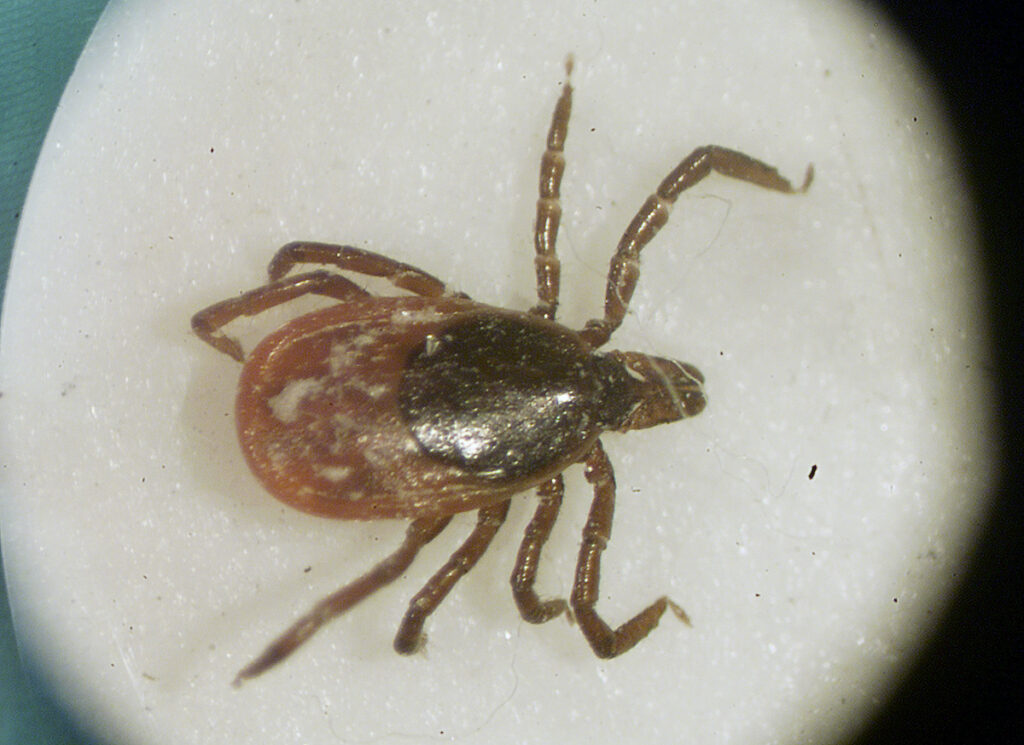
How to protect yourself — and your yard — from ticks
Experts say this summer is shaping up to be the worst tick season in a decade — and a lot of bites are happening in people's own backyards.
4 months ago
Listen 0:54
Pennsylvania researchers see tick population and related diseases ticking up
The state's Tick Research Lab, based at East Stroudsburg University, has recorded more than twice as many ticks this May compared to the same time last year.
1 year ago
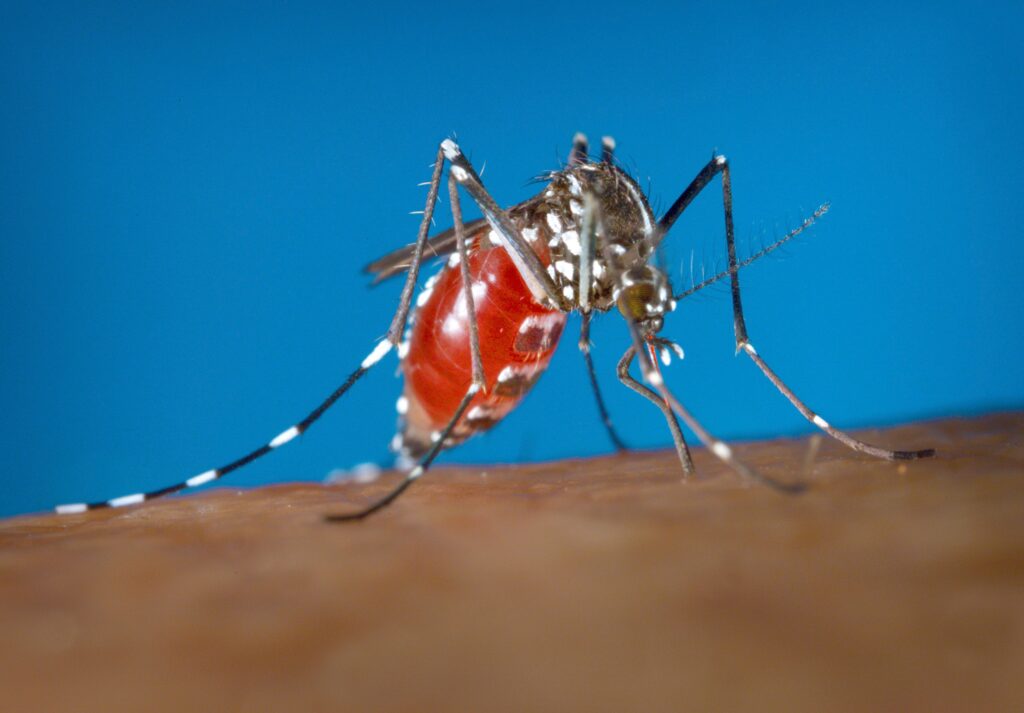
Mosquito-borne illnesses discovered throughout Philadelphia region
West Nile virus has been found in mosquitoes in nearly every county in the region, and one case of Eastern equine encephalitis was reported in Atlantic County, New Jersey.
2 years ago