



The face and identity: from Renaissance portraits to modern selfies
For most of human history--before mirrors and cameras--we had no idea what we looked like. So how did the face become so central to our identity?
Listen 50:01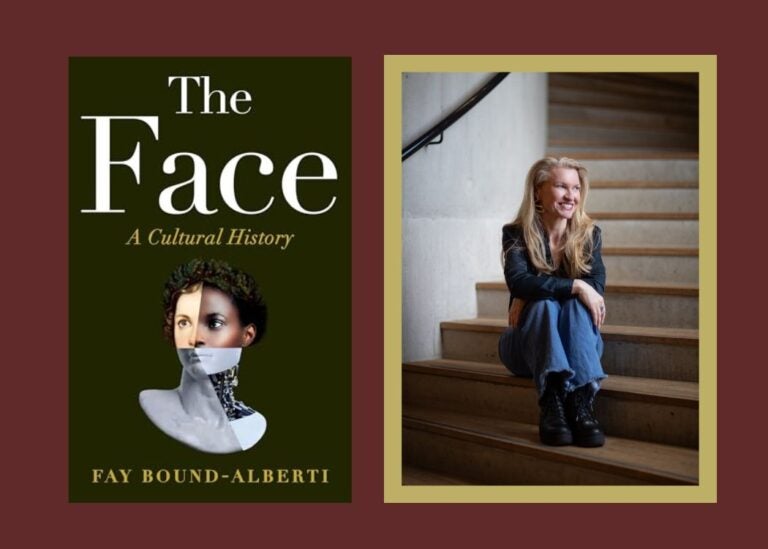
(Credit : Alastair Hilton)
For most of human history, we had no idea what we looked like. This was before mirrors and cameras became part of everyday life. We might catch our reflection in a glass window, or, like Narcissus, see ourselves looking back from a pool of water. If we didn’t know what we looked like, who did we think we were? How much of our sense of self is based on our face? How far will we go to improve our appearance?
This week: how our faces became so central to our identity. Our guest is historian Fay Bound-Alberti, founder of the Centre for Technology and the Body at King’s College London and author of a new book, The Face: A Cultural History. She also has face blindness, a neurological condition that makes it difficult for her to recognize familiar faces…even the face of her own child.
WHYY is your source for fact-based, in-depth journalism and information. As a nonprofit organization, we rely on financial support from readers like you. Please give today.
Brought to you by The Connection with Marty Moss-Coane

How to find love in a “romance recession”
Gen Z is dating less than generations past. What's holding them back?
Air Date: September 3, 2026
Listen 51:11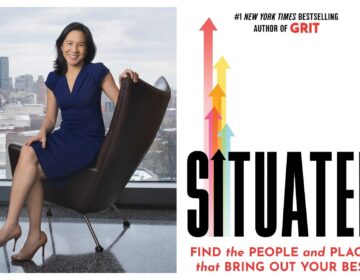
Angela Duckworth on the importance of getting situated
Psychologist Angela Duckworth on her new book "Situated" about how to create relationships and the right environment to help us do what we want to do.
Air Date: September 4, 2026 12:00 pm
Listen 50:00
An existential psychologist on making a meaningful life
Psychologist Clay Routledge explains one downside to our focus on mental health is what he calls the "pathologizing of ordinary life."
Air Date: August 21, 2026 12:00 pm
Listen 50:00