



The Body Remembers: Exploring the Invisible Wounds Left by Serious Illness
A look at the lingering effects of serious medical events, and what true healing really means.
Listen 49:34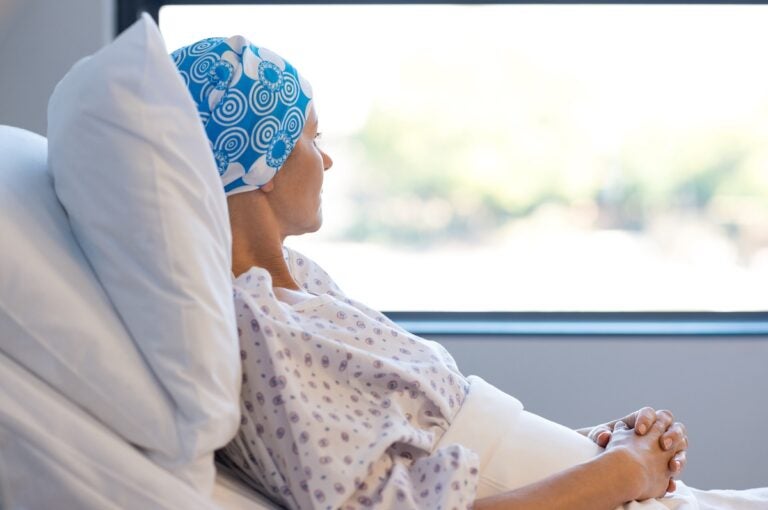
(Rido81/Bigstock)
When someone experiences a serious medical event, the immediate focus is on survival — often followed by a mission to “get back to normal” in whatever way possible. Whether people are recovering from cancer or a car crash, we applaud those who bravely journey from illness to wellness, the patients who inspire and uplift others.
But, for a lot of people, physical recovery isn’t the final chapter in this story. Instead, they experience ongoing physical and emotional symptoms. What do our bodies and minds really need to heal after serious illness? On this episode, we explore the lingering effects of medical crises, and what true healing really means. We hear about one physician’s journey to reconnect with her body after nearly dying, what researchers are learning about medical trauma, and how a traumatic brain injury transformed the lives and marriage of a couple.
SHOW NOTES:
- As a physician, Rana Awdish’s goal was to get her patients healthy as quickly as possible. But when she experienced her own medical emergency — one that ended her pregnancy and nearly killed her — her perspective on the role of clinicians shifted. Awdish later wrote a memoir about her experience, “In Shock,” that explored the importance of not only healing patients, but connecting with them on an emotional level. But the story didn’t end there. Fellow doctor and podcast host Neda Frayha talks with Awdish about her continuing journey, in the wake of the book’s success, to realizing that she hadn’t fully healed from her medical crisis, and that just as clinicians needed to connect with their patients, she needed to connect with her own body. Awdish’s new book is “After Shock: Learning to Reinhabit My Body After Illness.”
- We talk with psychologist Jim Jackson about his decades-long work on medical trauma — the invisible psychological scars that many patients experience after serious illness or injuries. We hear about the causes of medical trauma, helpful and harmful ways of responding to it, and treatment options. His new book is “Reclaiming Your Life from Medical Trauma: Recognize the Symptoms, Find Treatment That Works, and Heal Your Brain and Body.”
- Medical crises don’t just affect patients — they affect their loved ones too. Pulse reporter Liz Tung talks with writer Abby Maslin and her husband T.C. Maslin about dealing with the fallout of an assault that almost killed T.C. and left him with a traumatic brain injury. They explore the effects on their lives and marriage, and dealing with cognitive and personality changes that made Abby feel like she was married to a stranger. Her book on their experience is “Love You Hard: A Memoir of Marriage, Brain Injury, and Reinventing Love.”
WHYY is your source for fact-based, in-depth journalism and information. As a nonprofit organization, we rely on financial support from readers like you. Please give today.
Brought to you by The Pulse


Battling compassion fatigue became critical for mental health professionals amid busier schedules, clients’ increased trauma, and their own stresses.
5 years ago
Listen 4:49
New fund helps Pa. abuse survivors pay for counseling without involving police
Pennsylvania residents who’ve experienced sexual assault can apply for a share of $5 million to pay for counseling — even if they never reported it.
7 years ago
Philadelphia therapists reflect on legacy of innovator Salvador Minuchin
The psychiatrist and innovator in the field of family therapy died last week at the age of 96.
9 years ago