


An existential psychologist on making a meaningful life
Psychologist Clay Routledge explains one downside to our focus on mental health is what he calls the "pathologizing of ordinary life."
Listen 50:00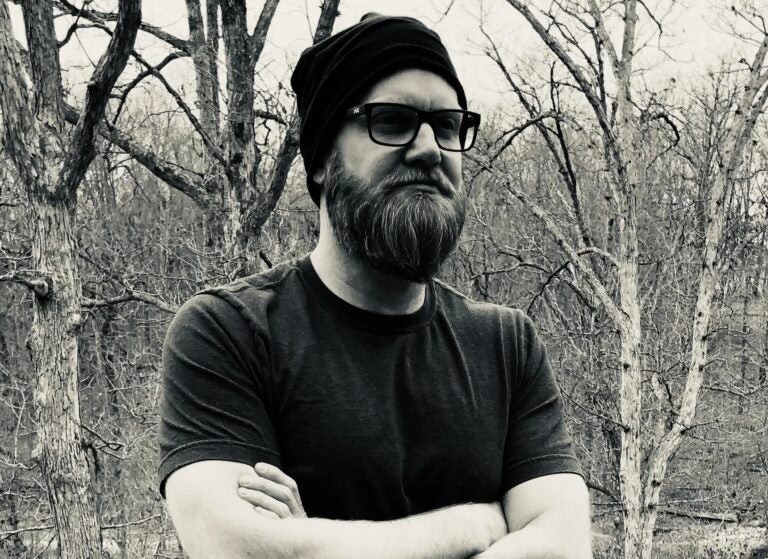
Research psychologist Clay Routledge wrote in a recent New York Times op-ed that the focus on mental health today is unprecedented. There are untold numbers of programs at work and in schools, plus a proliferation of apps and public health campaigns, all aimed at getting us to better understand our emotional lives.
That has had the benefit of reducing the harmful stigma around mental illness. A 2025 study by the American Psychological Association found that an overwhelming majority of Americans – 88% – said having a mental health disorder is nothing to be ashamed of.
Routledge sees a downside to this focus on mental health, which he calls the “pathologizing of ordinary life.” Instead of feeling better about ourselves, normal anxiety, stress, grief, burnout, and sadness are seen as signs that something is wrong with us. A diagnosis becomes, in his words, “a self-fulfilling prophecy.”
Clay Routledge explores the reasons for this phenomenon and what it reveals about our culture and ourselves. He is director of the Human Flourishing Lab at the Archbridge Institute.
WHYY is your source for fact-based, in-depth journalism and information. As a nonprofit organization, we rely on financial support from readers like you. Please give today.
Brought to you by The Connection with Marty Moss-Coane

Why more adult children are living with their parents
Nearly half of 18-30-year-olds are living with their parents, pushed there by tough job market, soaring housing prices and the rising cost of everyday life.
Air Date: August 18, 2026
Listen 51:13
The face and identity: from Renaissance portraits to modern selfies
For most of human history--before mirrors and cameras--we had no idea what we looked like. So how did the face become so central to our identity?
Air Date: July 17, 2026 12:00 pm
Listen 50:01
Tips for the best weekend in Philly
What belongs in the perfect Philly weekend? From coffee and cheesesteaks to museums and murals, we're crowdsourcing the city's ultimate must-do itinerary.
Air Date: July 9, 2026 12:00 pm
Listen 51:15