



40 Years after Chernobyl: What caused the disaster — and how it changed nuclear energy
Forty years later, a look back at what caused the Chernobyl disaster, and its continued impact on nuclear safety.
Listen 49:34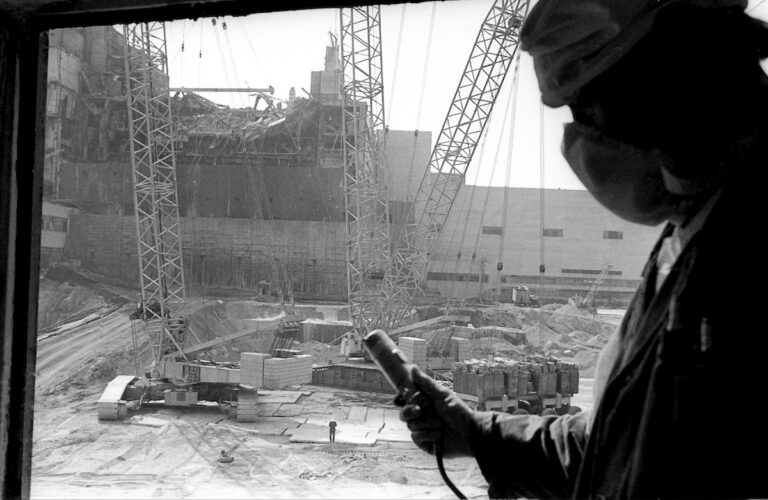
In this 1986 photo, a Chernobyl nuclear power plant worker holding a dosimeter to measure radiation level is seen against the background of a sarcophagus under construction over the 4th destroyed reactor, Ukraine. (AP Photo/Volodymyr Repik)
Forty years ago, news was only beginning to emerge that an accident had occurred — one that could put millions of people at risk. A reactor at Chernobyl Nuclear Power Plant, then part of the Soviet Union, had exploded, releasing a plume of radioactive gases and particles into the atmosphere and spreading some of the most hazardous radionuclides known to humanity.
We look back at what caused this devastating nuclear accident, and explore its legacy with Adam Higginbotham, author of “Midnight in Chernobyl: The Untold Story of the World’s Greatest Nuclear Disaster.” He describes the perfect storm of Soviet secrecy, design flaws, and a series of bad decisions and mistakes that led to the accident, and how it shaped the future of nuclear energy. We’ll find out how a special fungus discovered in the reactor could help protect astronauts from cosmic radiation. And we’ll also hear why and how nuclear energy is making a comeback in the U.S. — including at Three Mile Island, the site of another nuclear accident.
SHOW NOTES:
- The exclusion zone surrounding Chernobyl is often thought of as a wasteland — but several years ago, scientists discovered an unusual form of life in the burnt-out reactor: a black fungus that seemed to be thriving despite the radiation. We talk with NASA biomedical engineer Nils Averesch about what makes this fungus unique, and how it could one day be used to help protect astronauts from cosmic radiation.
WHYY is your source for fact-based, in-depth journalism and information. As a nonprofit organization, we rely on financial support from readers like you. Please give today.
Brought to you by The Pulse

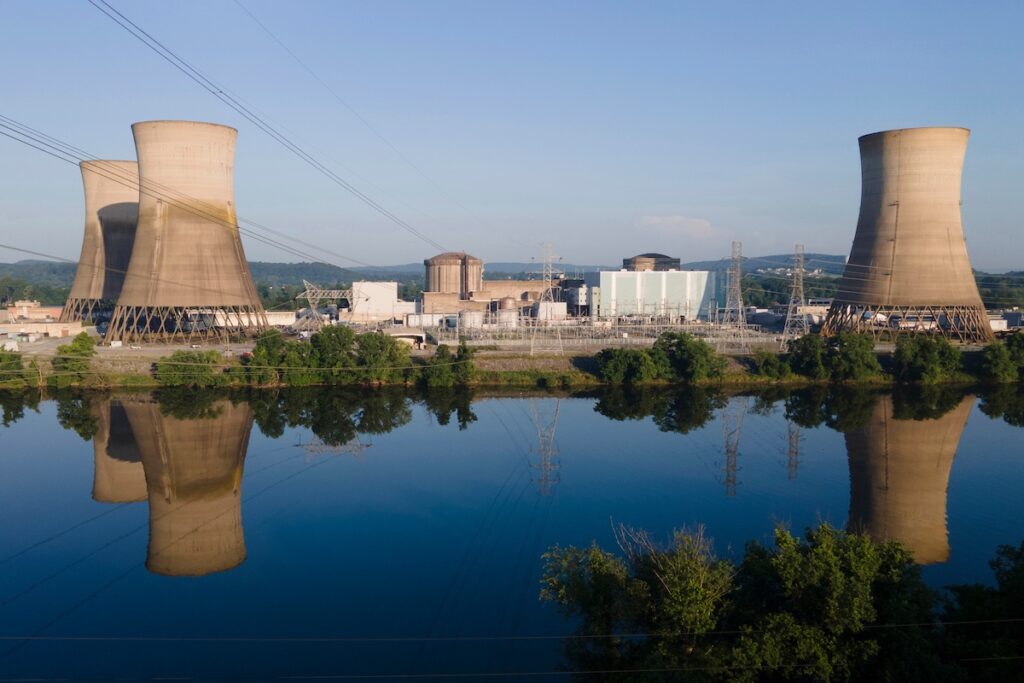
Gallup polls show American support for nuclear energy has not been this high in more than a decade.
6 months ago
Listen 12:30
New Jersey lawmaker proposes surcharge on data centers using a lot of electricity
Assemblywoman Andrea Katz is sponsoring a bill that would impose a surcharge on data centers and use the money to modernize the region’s electrical grid.
12 months ago
Listen 0:52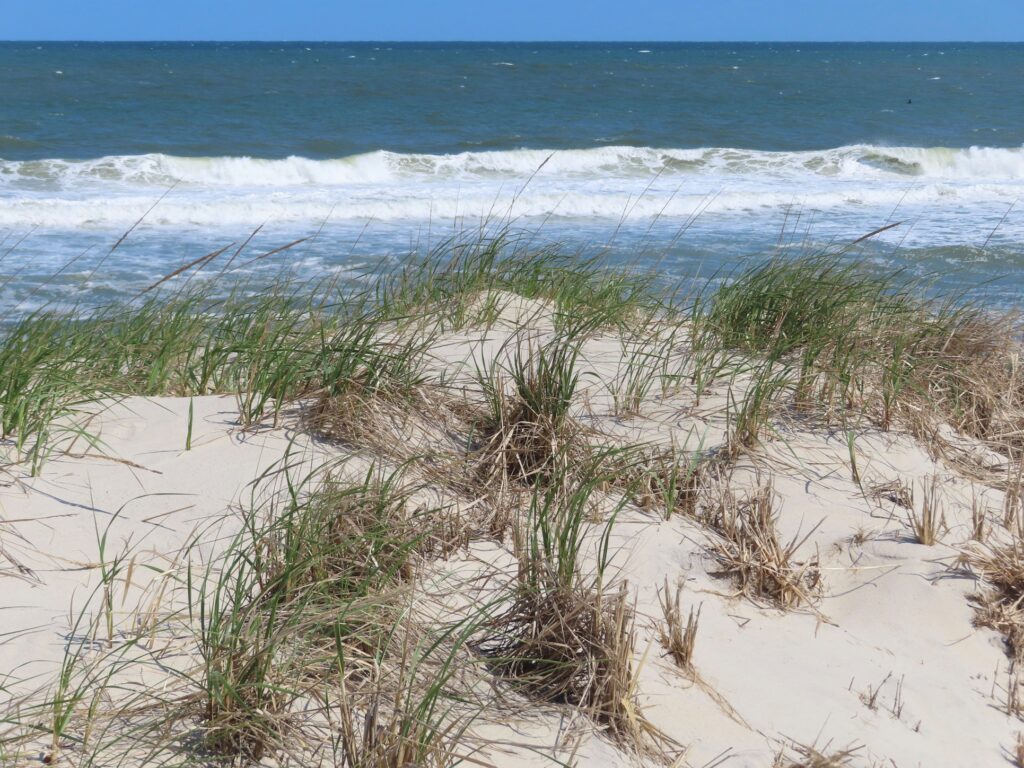
New Jersey and Delaware report significant beach erosion following nor’easter
The nor'easter led to a state of emergency in New Jersey, and voluntary evacuations in parts of Delaware.
12 months ago
Listen 1:12