

Trenton City Council delays vote on ICE cooperation ban after pushback on immigration detainers
The proposal has been tabled for two weeks after tensions between city council members and immigrant activists flared at Thursday’s council meeting.
Listen 1:10
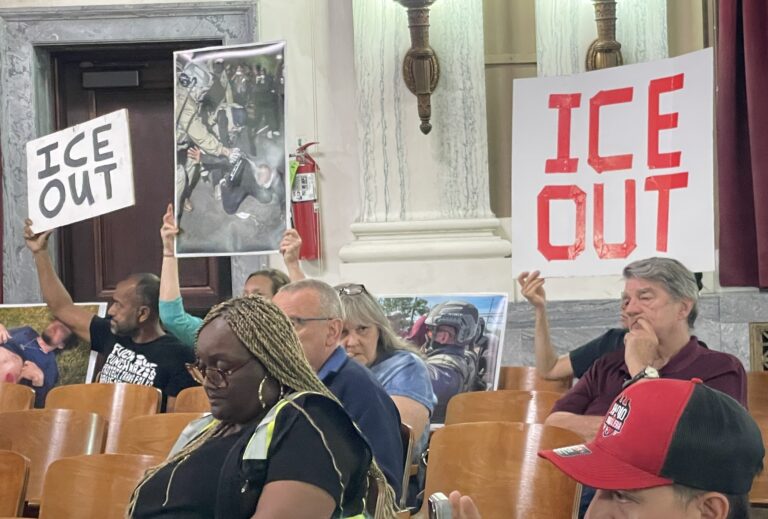
Some audience members at the June 4 Trenton City Council meeting showing support for a bill that would prevent Trenton Police from assisting federal immigration officials with civil enforcement. (P. Kenneth Burns/WHYY)
From Camden and Cherry Hill to Trenton and the Jersey Shore, what about life in New Jersey do you want WHYY News to cover? Let us know.
A bill to prohibit the Trenton Police Department from working with federal immigration officials on civil enforcement was tabled by the City Council until its next meeting on June 16 after tensions flared between activists and council members during their Thursday night meeting.
At the center of the conflict are immigration detainers, which are issued by federal officials when they identify someone as “potentially deportable.” Activists want the proposed ordinance to include language that prohibits the police department from honoring them.
“We want the Trenton police to stop collaborating with [U.S. Immigration and Customs Enforcement], unless there is a judicial warrant,” said David Schraeger, vice president of Resistencia en Acción New Jersey, an immigrant advocacy group in Mercer County. “[Trenton Police] should not be putting up perimeters for ICE and they should not be helping ICE arrest anybody without a judicial warrant.”
According to the American Immigration Council, compliance with detainers is voluntary and at the law enforcement agency’s discretion.
One person who expressed disapproval of some council members saying they would vote against the measure was arrested for refusing to leave the council chambers. She was later released on a summons.
One person was taken into police custody during tonight’s Trenton City Council meeting as tensions flared during a discussion on a bill that would prevent city police from assisting ICE with civil immigration enforcement. @whyynews #NewJersey pic.twitter.com/wEPeCqVcro
— P. Kenneth Burns (@PKBNews) June 5, 2026
Trenton council members express frustration with activists
During public comment, more than 20 people spoke on the proposed ordinance. Though supportive of the proposal, they expressed disappointment that it failed to address detainers or lacking enforcement measures for officers who violated the prohibition.
City Council President Jenna L. Figueroa Kettenburg said the council responded to advocates’ concerns by putting forward an ordinance.
“Is it perfect? No. Were we able to get everything in here that you all asked for? Absolutely not,” she said. “But we got 85% of what you all asked for in there.”
Other council members expressed similar sentiments.
“This ordinance tonight is a start to make sure and to be an example and, as council president wisely indicated, a beacon to other towns to other parts of this country,” said Council Vice President Jennifer Williams.
Williams said that the bill was only the initial step and that officials have fought alongside activists to protect immigrants. Some council members weren’t happy that activists didn’t appreciate their efforts..
Councilmember Teska Frisby was prepared to vote against the ordinance to “oblige” those who complained that the proposal did not address immigration detainers.
“If the answer is that you don’t want this, then you don’t want it. OK, then we vote it down. But we’re trying here” she said, while warning that if the ordinance failed, then the work on a new proposal would start from scratch.
Related Content

About 300 protesters demanded to see the governor as they called attention to conditions inside of Delaney Hall in Newark.
4 months ago
Listen 0:55Frisby said that she took time from her full-time job “to protect my Latino brothers and sisters and my Haitian brothers and sisters.”
Councilmember Crystal Feliciano said that as a teacher at Trenton Central High School, she ensured her students were safe during the first Trump administration.
“We are all over again, living in a crazy time,” she said, adding that she wants the city to be “legal and right.”
“What I don’t appreciate is that when you come here and then you say it’s not enough … it’s not fair to us,” she said.
The ordinance needed four votes to pass.
Edward J. Kologi, the council’s attorney, said that the council could table the ordinance to a later date. Sensing the tension in the room, Figueroa Kettenburg called for a vote to do just that after the council approved an amendment to fix clerical errors in the proposal.
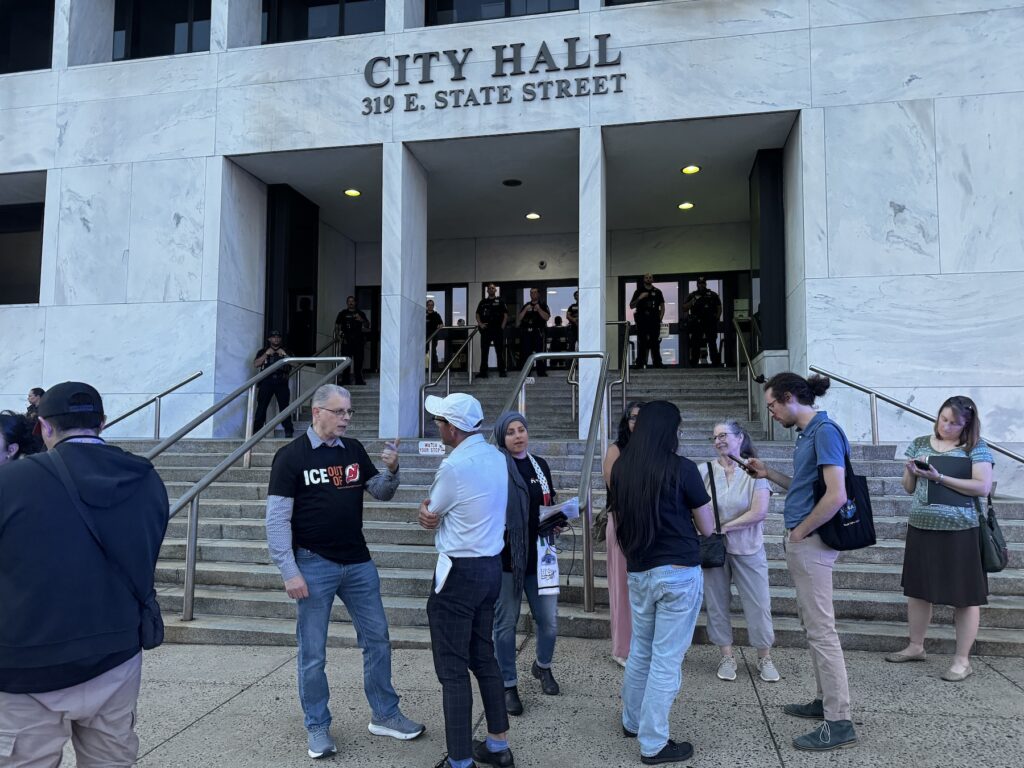
Asma Elhuni, an organizer with Resistencia en Acción New Jersey, was unsympathetic to council members who took offense to activists expressing their concerns about the bill.
“If you don’t have thick enough skin to hear your constituents literally telling you this is what’s needed for our community … maybe this leadership role isn’t for you,” she said. “You’re a leader. You got to take heat.”
Elhuni said she hopes that both sides will take the next two weeks to address concerns about detainers.
“We do want to continue to work together to ensure that we are continuing to provide protections for immigrants because they’re desperately needed, particularly now,” she said.
The council moved forward with the proposed ordinance at its May 19 meeting. The measure expands on a series of state laws signed by Gov. Mikie Sherrill in late March, and specifies when the Trenton Police Department can assist ICE officers by distinguishing between judicial and administrative warrants.
Under the proposal, Trenton police would be prohibited from aiding in civil immigration enforcement, which stems from an administrative warrant issued by an immigration officer within the U.S. Department of Homeland Security. City resources, including property, equipment and personnel, are also barred from use in civil enforcement actions.
The police department would not be restrained from cooperating with federal officials when enforcement action is initiated by a judicial warrant, which is issued by a judge from an Article III court on the federal level — the U.S. Supreme Court, U.S. Court of Appeals, U.S. District Court or U.S. Court of International Trade — or state court.
Officers would also be able to continue participating in joint law enforcement operations when they do not involve civil immigration enforcement.
Mayor Reed Gusciora said he would have to review the bill after the amendments are added before deciding whether to sign it.

Get daily updates from WHYY News!
WHYY is your source for fact-based, in-depth journalism and information. As a nonprofit organization, we rely on financial support from readers like you. Please give today.
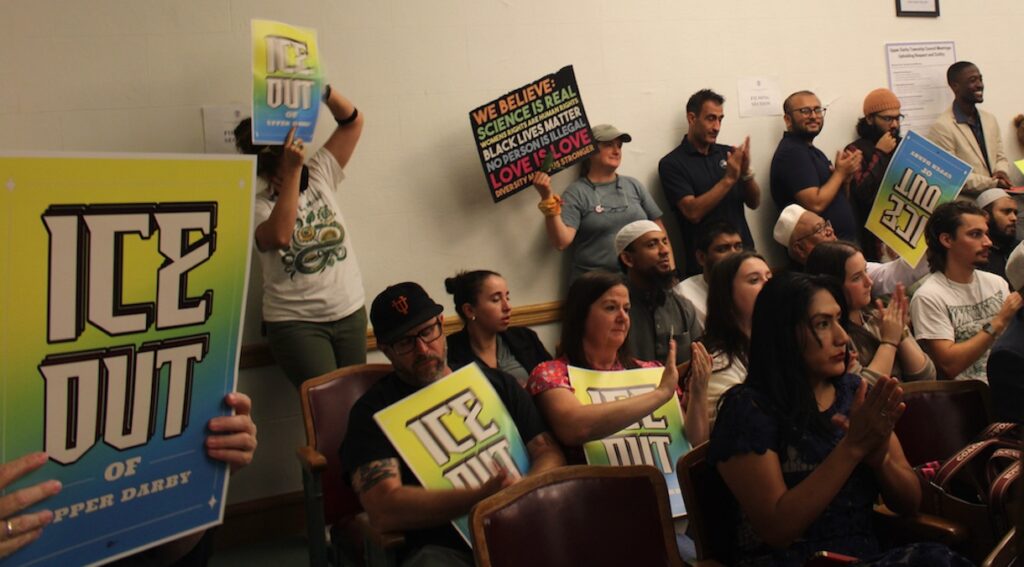
Upper Darby restricts collaboration with ICE in sweeping ordinance
Speakers at a meeting Wednesday night touted the importance of the ordinance in a township where nearly a quarter of residents are foreign-born.
2 weeks ago
Listen 1:08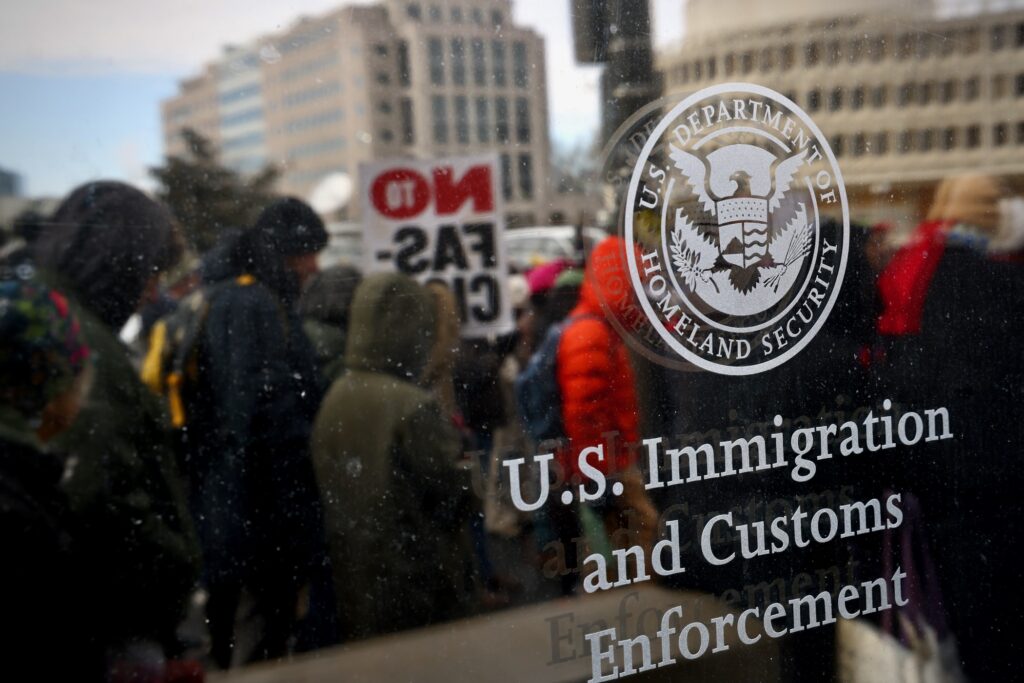
Upper Darby introduces expansive ICE ordinance
The legislation could serve as a “model ordinance” for other municipalities, said Upper Darby Councilmember Kyle McIntyre.
4 weeks ago
Listen 1:29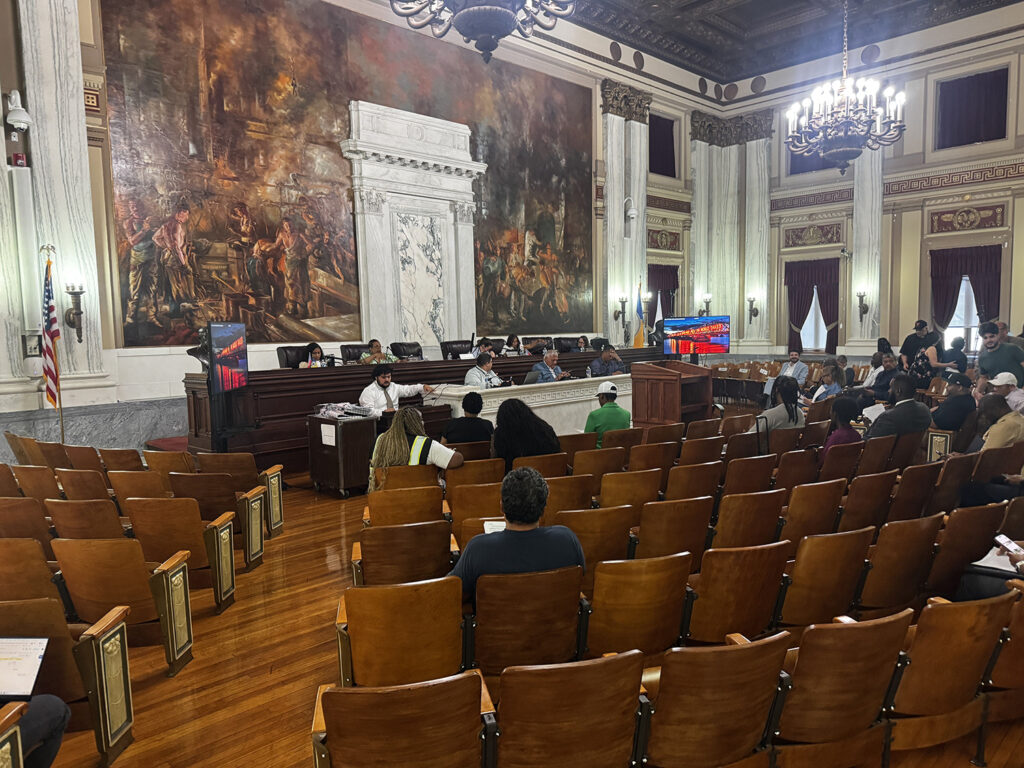
Trenton City Council votes to prevent its police department from assisting ICE
The council passed the proposal that prevents Trenton police from assisting ICE on civil immigration enforcement in a 4-2 vote.
3 months ago
Listen 1:07