

Pennsylvania ACA health insurers propose double-digit premium increases for 2027
The total average premium rate increase request in the individual market is 17%. Some insurers like Ambetter are requesting an average increase of 40%.
Listen 1:05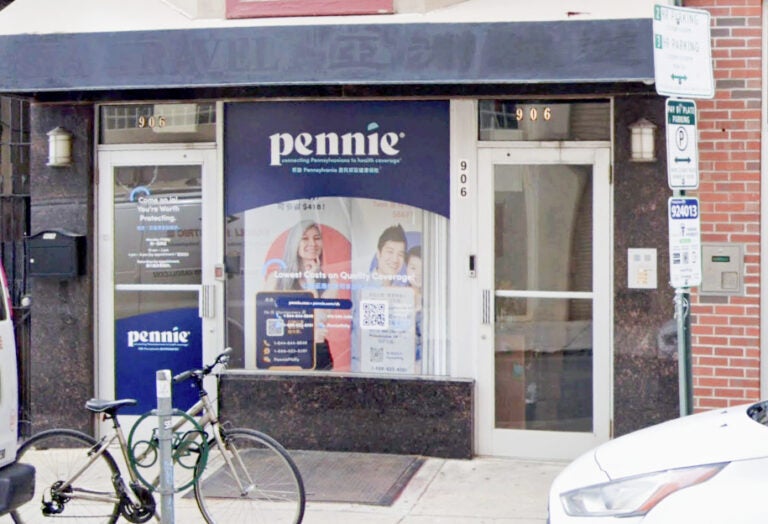
Outside the Pennie office in Philadelphia's Chinatown. (Google Maps)
From Philly and the Pa. suburbs to South Jersey and Delaware, what would you like WHYY News to cover? Let us know!
Nearly all health insurance companies that sell individual plans on Pennie, Pennsylvania’s Affordable Care Act marketplace, are asking for average premium increases ranging from 10.5% to as high as 41% for coverage in 2027.
The Pennsylvania Insurance Department released the rate requests Thursday.
A public comment period during which people can submit testimony on the proposals will be open through Aug. 22. The state department will review the requests and public feedback before approving final premium rates this fall.
Annual open enrollment for ACA marketplaces, when people can shop for plans and switch coverage for 2027, begins Nov. 1.
“These rates are higher than we’d hoped and reflect continued rising costs across the health care environment,” Pennsylvania Insurance Commissioner Michael Humphreys said in a statement. “PID’s team will be closely examining each filing to ensure rates are reasonable and justified and not charging any more than necessary to deliver promised benefits.”
The proposed double-digit premium increases come at a time when many Pennsylvanians are paying double, on average, for their health insurance coverage this year than they did last year after enhanced pandemic-era federal tax credits expired at the end of 2025.
Some residents who lost the federal subsidies, which helped them pay their monthly premiums, are now paying more than $1,000 a month to stay insured.
More than 177,000 other Pennsylvanians have canceled their ACA plans altogether in the last eight months, according to Pennie data. State insurance experts say they believe many who have dropped coverage are going uninsured because they can no longer afford to pay the monthly premiums.
Related Content
120,000 Pennsylvanians have dropped ACA health insurance since the loss of federal subsidies
High monthly premium payments without enhanced tax credits, coupled with high costs of daily living, have caused some to cut insurance.
5 months ago
Listen 1:15Proposed premium hikes and health costs in 2027
Insurance carriers that offer individual and small group health insurance plans on Pennie must submit rate requests to the state Insurance Department every year for review.
Health insurers set premium rates based on how much they expect to spend on medical claims in the coming year.
Companies also factor in annual administrative expenses and expected profit margins in their calculations.
The average premium increase request across all plans is 17.1% in the individual market, and 11.5% in the small group market for 2027.
The exact amount by which someone’s monthly premium may increase will vary by individual insurance plan and where someone lives.
Insurance companies proposing the largest average premium increases include Ambetter Health of Pennsylvania (40.9%), Highmark Benefits Group (21.4%) and Partners Insurance Company (20.5%).
Keystone Health Plan East, which sells plans in the greater Philadelphia area, is requesting an average increase of 14.7%. It is smaller than last year’s 23.5% request.
Leaders at affordable health care advocacy groups say additional premium increases next year would be burdensome for many people.
That’s especially true for small business owners, gig workers, restaurant workers, child care professionals, retail employees and others who don’t have access to health benefits through an employer, said Antoinette Kraus, executive director of the Pennsylvania Health Access Network.
“If these proposed rates take effect, even more Pennsylvanians are likely to be priced out of coverage,” Kraus said in a statement. “Those who remain insured may have to switch to plans with higher deductibles or less coverage, or make painful cuts to other household expenses just to afford their monthly premiums.”
A majority of Pennie enrollees still qualify for some tax credits or other kinds of financial assistance, said state insurance experts, but people are generally paying more out-of-pocket for their health insurance than they have in past years.

Get daily updates from WHYY News!
WHYY is your source for fact-based, in-depth journalism and information. As a nonprofit organization, we rely on financial support from readers like you. Please give today.
120,000 Pennsylvanians have dropped ACA health insurance since the loss of federal subsidies
High monthly premium payments without enhanced tax credits, coupled with high costs of daily living, have caused some to cut insurance.
5 months ago
Listen 1:15
Pennsylvanians have until Dec. 31 to switch health insurance plans for coverage to kick in on Jan. 1.
8 months ago
Listen 1:44
About 3 in 4 Pennsylvanians will still qualify for some tax credits, but the amounts will, on average, be smaller. Others face paying for plans at full price.
10 months ago
Listen 2:48