

Penn study finds GLP-1 use associated with lower breast cancer risk; researchers to launch clinical trial
Women in the study who were obese and taking GLP-1 weight loss medications were 30% less likely to develop breast cancer than other women.
Listen 1:23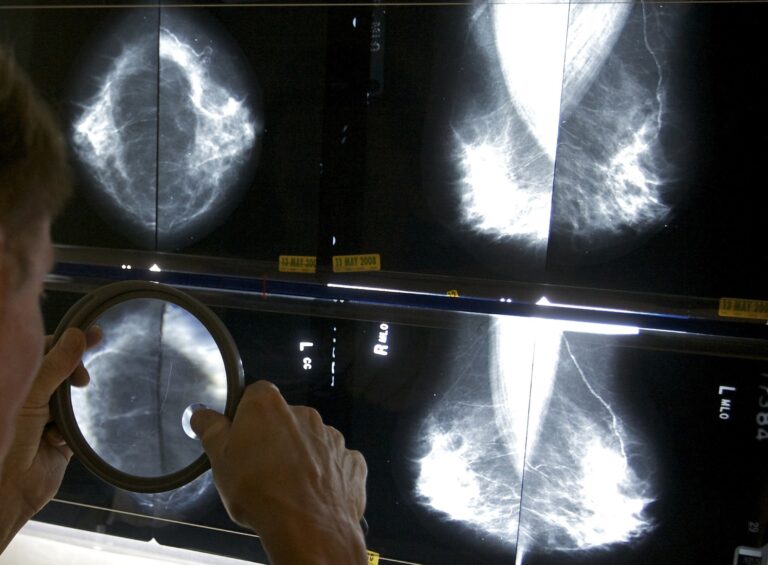
FILE - A radiologist uses a magnifying glass to check mammograms for breast cancer in Los Angeles, May 6, 2010. (AP Photo/Damian Dovarganes, File)
From Philly and the Pa. suburbs to South Jersey and Delaware, what would you like WHYY News to cover? Let us know!
The rising popularity of glucagon-like peptide-1 receptor agonist medications, or GLP-1s, like Ozempic and Wegovy, has led to thousands more women nationally taking the drugs for weight loss or diabetes.
Researchers at the University of Pennsylvania now believe the medications have another benefit: preventing or reducing breast cancer risk.
Women who were obese and had taken GLP-1 drugs were 30% less likely to get diagnosed with breast cancer, compared with other women who hadn’t taken these medications, according to a new study published in the medical journal, JCO Oncology Practice.
“If this is reducing cancer risk by 30%, that’s tens of thousands of cases,” said Dr. Elizabeth McDonald, breast radiologist and co-director of the Breast Cancer Translational Research Group at Penn Medicine. “It’s very exciting to think about the possibilities, but we do have to take the appropriate next steps.
Those next steps involve testing the results of this retrospective study in a randomized controlled clinical trial. Researchers will then be able to confirm whether or not GLP-1 use definitively and directly reduces cancer risk in enrolled participants.
The implications are significant, McDonald said, as researchers look at early evidence that these weight-loss drugs could help prevent new cases, slow disease progression, increase survival rates and prevent cancer recurrence – not just for breast cancer, but for many other cancers.
“So now is the time to move to the clinical trial,” she said. “And whether that is positive or negative, it is a success to have the resources to test the evidence and to get health care decisions out to our patients that are based on evidence.”
Related Content
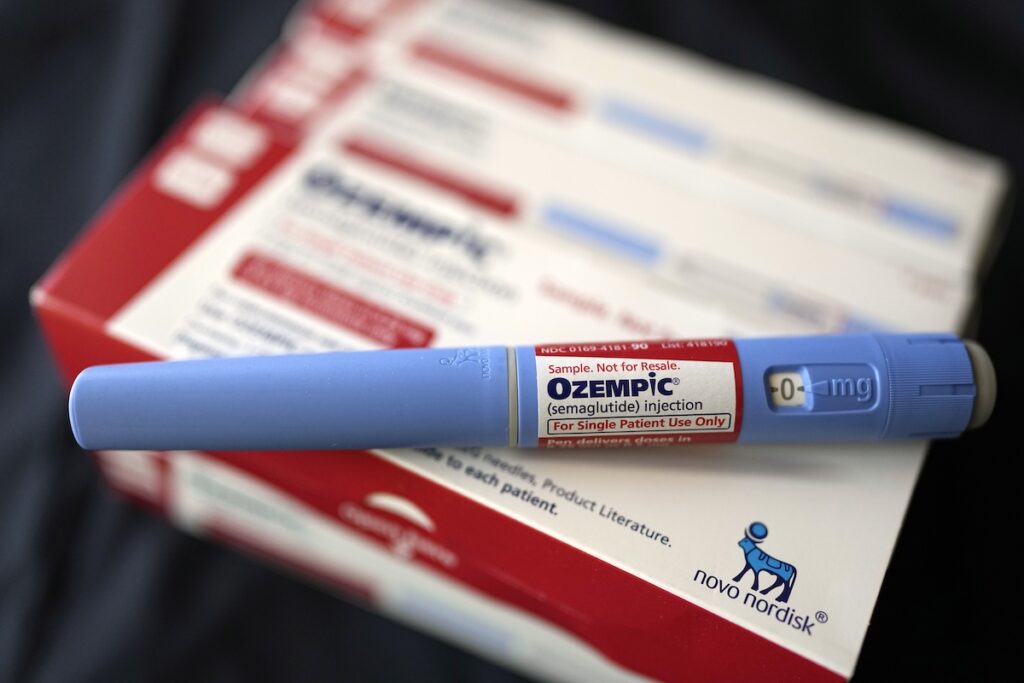
Out-of-pocket costs, insurance coverage, side effects and a lack of long-term safety data can be barriers to medication for childhood obesity.
5 months ago
Listen 1:18Using GLP-1 drugs in cancer prevention
Doctors know that women who are overweight or obese have a higher risk of developing breast cancer, especially after menopause. That’s when the hormone estrogen is no longer produced by the ovaries, but instead comes from fat cells.
And when these fat cells produce elevated levels of the hormone, that can lead to chronic inflammation, which is a major contributing factor for breast cancer.
“Maintaining a healthy weight in perimenopause and menopause is so important for women, and yet women tend to gain weight during that time period,” McDonald said. “And that weight is extraordinarily difficult to keep off.”
So, it makes sense that GLP-1 drugs, which target these fat cells by changing hormones that regulate appetite and blood sugar, might work in decreasing risk factors for breast cancer, she said.
Penn researchers analyzed patient data and health outcomes for 111,646 women who were 45 to 80 years old and had body mass indexes of 25 or higher. A BMI of 25 or higher is considered overweight or obese.
They looked at several years’ worth of data and breast cancer diagnoses. After factoring in GLP-1 prescriptions and comparing women of similar ages, races and ethnicities, BMIs, breast densities and Type 2 diabetes statuses, researchers found significantly lower rates of breast cancer in those who had used a weight-loss medication.
A clinical trial will enable researchers to take a deeper look into exactly how GLP-1 medications might reduce cancer risk or prevent tumor progression, McDonald said.
“Is it the weight-loss mechanism? Or is it the anti-inflammatory mechanism? Or is it the insulin regulation mechanism?” she asked. “And when we figure that out, then we can create targeted drugs for cancer prevention, hopefully that could be taken by all women.”
Funding challenges in launching a clinical trial
In a clinical trial, researchers can also investigate whether the timing and dosage of GLP-1 prescriptions affect cancer prevention activity.
Doctors and scientists are also interested in using the same data collected from trial participants to study how these weight-loss drugs could reduce risk of cardiovascular disease in women who are overweight, but not obese.
Researchers at Penn and around the country are working with the American Society of Clinical Oncology, the American College of Radiology and other partners to design the clinical trial, which will initially include more than 100,000 women already participating in another national trial looking at different mammography screening methods.
The trial will eventually expand to include more women and participants, but McDonald said the timeline for all of that depends on securing enough funding to launch the project.
“We need industry to collaborate with government to collaborate with foundations to really have the resources to open the clinical trial,” she said. “We have a structure in place … and we’re ready to go, but not yet fully funded. So, it’ll be a little bit before we open it.”

Get daily updates from WHYY News!
WHYY is your source for fact-based, in-depth journalism and information. As a nonprofit organization, we rely on financial support from readers like you. Please give today.
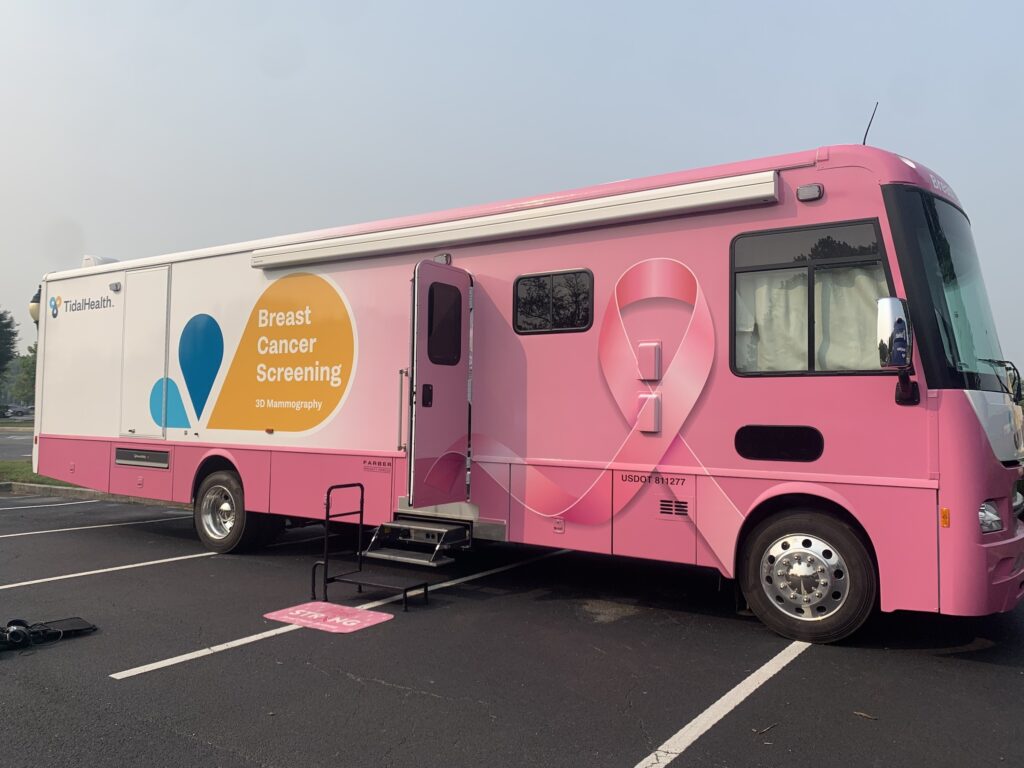
New mobile mammography unit aims to address barriers to receiving care in Sussex County, Delaware
TidalHealth Mobile Mammography launched this month. Its goal is to bring screenings to neighborhoods in Sussex County with limited preventive care.
2 months ago
Listen 0:58
Penn PCOS Center to undergo name change in effort to improve care
The name change, which was 10 years in the making, reflects growing research showing that the effects of PCOS go far beyond reproductive health.
4 months ago
Listen 1:00
Out-of-pocket costs, insurance coverage, side effects and a lack of long-term safety data can be barriers to medication for childhood obesity.
5 months ago
Listen 1:18