

In prison, women develop diseases earlier and often
The stress and conditions of incarceration can lead to health issues at younger ages than normally expected.
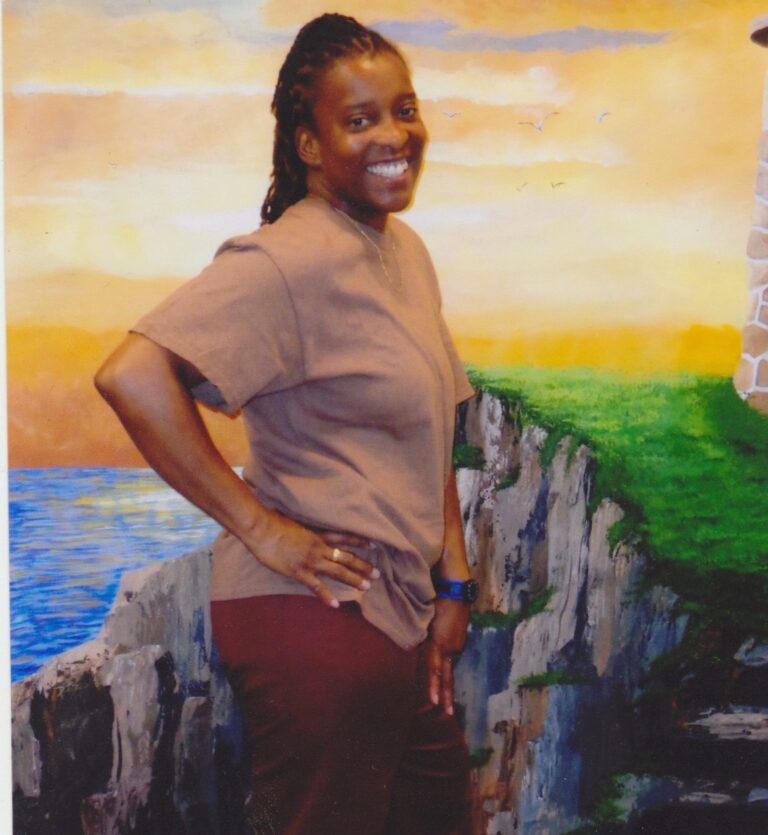
Terri Harper is serving a life sentence without parole at State Correctional Institution Muncy. | COURTESY ABOLITIONIST LAW CENTER
Terri Harper’s body is breaking down. For 34 years, she’s been serving a life sentence at State Correctional Institution Muncy, and in the last 15 she’s had seven surgeries all over her body.
“It includes the cage that I have from midline down to my crack, a plate and screws in my right foot,” Harper, 57, said.
She takes toroidal shots every five days for acute pain so she can walk normally. She’s had multiple surgeries in her back, surgery on both hands and a hysterectomy.
Harper is one of nearly 200 women sentenced to life without parole in Pennsylvania. Poor nutrition, stress, and inadequate healthcare is leading many of them to age rapidly and develop serious and often deadly ailments at mid life.
Medical experts call it “accelerated aging.”
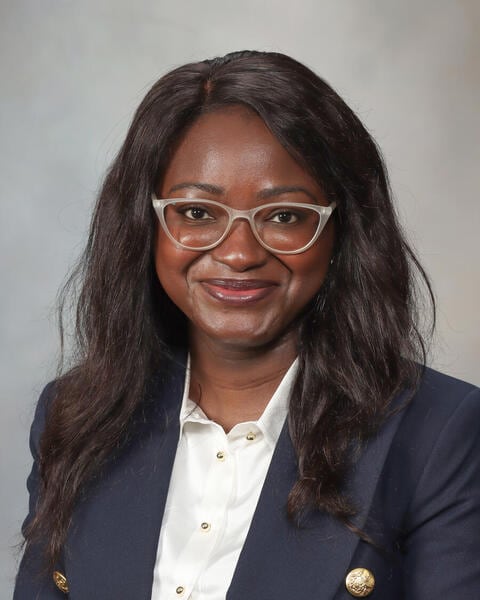
“Someone who may have been incarcerated and is 30 years old may actually have the physiological body of a 40-year-old,” said Dr. Oluwadamilola Oladeru, a radiation oncologist with an expertise in breast and gynecological cancer treatment at the Mayo Clinic in Jacksonville, Florida. “They’re restricted in movement, their bones are weaker, their nutrition is worse.”
Harper feels it daily.
“The consequences for the lifers specifically is that your health is deteriorating,” Harper said. “It seems faster. It’s like a different, whole other scale.”
There are more than 1,000 women at SCI Muncy, one of only two women’s prisons in Pennsylvania; About 150 of those women are serving life without parole sentences. Nationally, more than half of the people in U.S. prisons were serving sentences of 10 years or longer in 2019, up from 1 in 10 in 2000, according to the Sentencing Project.
At the same time, the need for medical care is surging. Infirmary visits at Muncy have sharply increased 573% between 2019 and 2024, according to data obtained via public records requests. Statewide, prison healthcare costs have more than doubled since 2002, exceeding $366 million last fiscal year and this is a national trend.
Cancer is the leading cause of death among people who are serving prison sentences.
Dr. Chris Manz, a medical oncologist at the Dana-Farber Cancer Institute and a professor at Harvard University who conducts research on incarcerated people, said people living in prison are receiving cancer diagnoses at younger ages.
“The average age of a cancer diagnosis in prison is about 56, whereas for people who’ve never been incarcerated, it’s about 65,” he said. “And that’s a reflection of the phenomenon of accelerated aging.”
But those diagnoses often come late because of lack of cancer screenings in prison.
“Which means they’re less likely to be cured,” he said.
Women also tend to not want to complain about their symptoms, Oladeru said.
“What’s unfortunate is that women generally tend to be more ignored and so symptoms get ignored or they’re dismissed or attributed to other things,” said Oladeru.
Harper said too many of the women at Muncy wait to tell staff they are in pain because they don’t think they will be believed. She said she has had to step in on their behalf.
“So quite often, I’ve gone to the deputy and said, ‘listen, inmate so-and-so are dealing with this and they’re scared to come to you, or they feel like they keep getting the run around on sick calls, can you please look into it?’,” Harper said.
A woman could be told her abnormal bleeding is due to menopause, but it’s actually ovarian or endometrial cancer, Oladeru said. Many incarcerated women don’t know their family medical history and could be carrying the genes that predisposes them to breast cancer, she said.
Cancer-screening mammograms are done outside the prison, which requires planning for transportation and security arrangements as guards have to accompany patients to the hospital. Research shows coordinating this takes a long time and prolongs the diagnosis process, and once the diagnosis is made there is another host of barriers.
“The oncologist can’t coordinate the care because the prison has to arrange the security and transportation,” Manz said. “The oncologists can’t even provide very precise information to the patients. They can’t tell patients exactly when they need to come back because prisons are worried about escape concerns, so you can’t provide exact appointment dates to individuals who are incarcerated because the prisons are worrying they might coordinate an escape attempt.”
If care falls through the cracks, the patient doesn’t necessarily know it because they weren’t told when it was supposed to happen, Manz added.
It’s also hard for any doctors to follow up with patients who are incarcerated as they are only allowed to disclose certain details and cannot always contact inmates being moved from one facility to another.
“I had a patient who I had done a surgery on, and I was really seeking to follow up with them and couldn’t find them in order for them to come back to the clinic and get their staples removed,” said Dr. Jessica Beard, a trauma surgeon at Temple University Hospital.
Scheduling surgeries are unpredictable and conversations between the doctor and patient are often strained because prison guards are present and the patient can’t have a family member there to help with questions or even visit after surgery, Beard said.
“People who are incarcerated are probably the most marginalized group of people in our country,” Beard said. “And it’s not easy to do research studies on incarcerated people. They are a protected class of research participants that require special consideration.”
Doctors need to do the research to understand how to improve the care, Manz said.
“We’re not talking about testing drugs on people or experimenting on people,” he said. “We are talking about just understanding what’s happening and improving the way that we deliver care.”
He wants researchers to be able to work with departments of corrections to help them understand why the security and the health environments are linked together and why doing this low-risk research is beneficial for everyone. It’s “really a win-win situation,” he said.
“There’s lots of cost-effective ways that we can improve care, just by adapting things that we do in the community all the time,” he said. “But we need to know what’s going on to be able to implement those improvements.”
Taxpayers pay for healthcare in prisons, he said.
“We should be good stewards of that taxpayer dollar and get our money’s worth and actually provide good quality care within prison,” he said. “These are real people. And yes, at some point, they probably did something wrong. But that doesn’t mean that they deserve to die of cancer. I’ve never heard of someone being sentenced to die from cancer, especially inadequately treated cancer.”
WHYY is your source for fact-based, in-depth journalism and information. As a nonprofit organization, we rely on financial support from readers like you. Please give today.