Uber launches campaign against Philly’s proposed $1 rideshare tax
Under the mayor’s proposal, $1 from every Uber and Lyft ride in Philly would go to the city’s school district. Uber says riders will bear the cost.
Listen 0:57
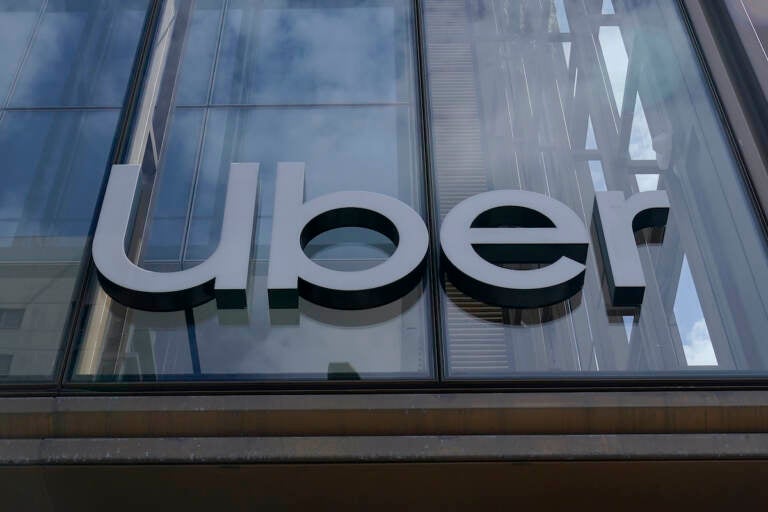
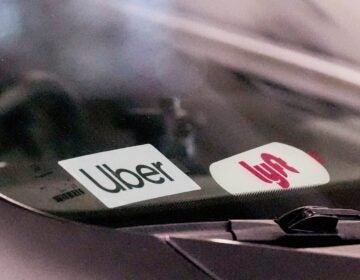
File photo: An Uber sign is displayed at the company's headquarters in San Francisco, Monday, Sept. 12, 2022. (AP Photo/Jeff Chiu, File)
From Philly and the Pa. suburbs to South Jersey and Delaware, what would you like WHYY News to cover? Let us know!
Uber has launched a six-figure advertising campaign criticizing Philadelphia Mayor Cherelle Parker’s proposed $1-per-ride tax on rideshares.
The ad campaign calls on Philadelphians to voice opposition to the tax, saying it would affect citizens facing a high cost of living, as well as senior citizens and people with mobility issues.
Uber’s app began displaying a message last week saying, “Learn more about Mayor Parker’s proposed tax that will make your trips more expensive.”
Uber said in a statement that the campaign is focused on correcting a misconception among the Parker administration about who uses rideshare in Philadelphia.
“Our efforts are focused on amplifying the voices of the hundreds of thousands of weekly riders who use Uber to get to work, medical care, and school, and the more than 30,000 drivers who depend on the platform, ensuring policymakers understand the real-world consequences of this proposal,” an Uber spokesperson said in an emailed statement.
The proposed tax would benefit the School District of Philadelphia, which is facing a $300 million budget deficit. The school district proposed $225 million in budget cuts for the 2026-2027 school year that would eliminate 220 substitute positions and reassign 340 school-based roles.
Related Content
The updated proposal from Parker is a fivefold increase to her plan to use the city’s rideshare tax to fund schools as the district grapples with a $300 million deficit.
5 months ago
Listen 1:04Revenue would also be used to provide free SEPTA passes to eligible school district employees. The proposal would also launch a three-year pilot program with the Philadelphia Parking Authority to help eligible residents pay parking tickets.
If approved, the tax would go into effect Jan. 1, 2027, and could generate $48 million annually by 2028. Parker has defended her plan by suggesting companies like Uber and Lyft, not drivers, should shoulder the cost.
WHYY News has reached out to the mayor’s office for a statement and is awaiting a response.
Never miss a moment with the WHYY Listen App!


WHYY is your source for fact-based, in-depth journalism and information. As a nonprofit organization, we rely on financial support from readers like you. Please give today.
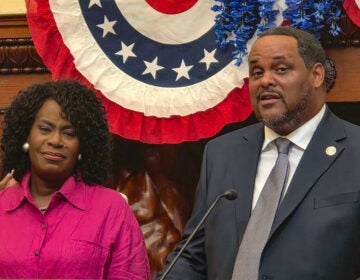
Thiel is heading back to the private sector, and there is a new city solicitor and deputy mayor in Parker’s cabinet.
3 weeks ago
Listen 1:00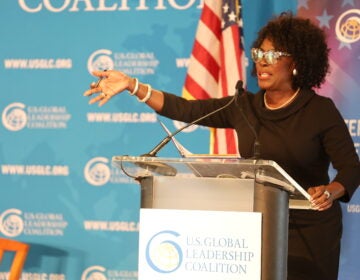
U.S. Rep. Brendan Boyle and Mayor Cherelle Parker lauded the city’s explosion onto the world stage, but contended the Trump administration is reducing global goodwill.
4 weeks ago
Listen 1:11
Parker blamed “billionaire tech companies” after Council rejected a $1 per-ride tax on rideshare services meant to benefit the school district.
2 months ago
Listen 1:17