

ICE abandons plans to convert 2 rural Pennsylvania warehouses into detention centers
The Pennsylvania Department of Environmental Protection said doubling the population of the rural communities would tax the sewage system and drain drinking water supplies.
Listen 1:00
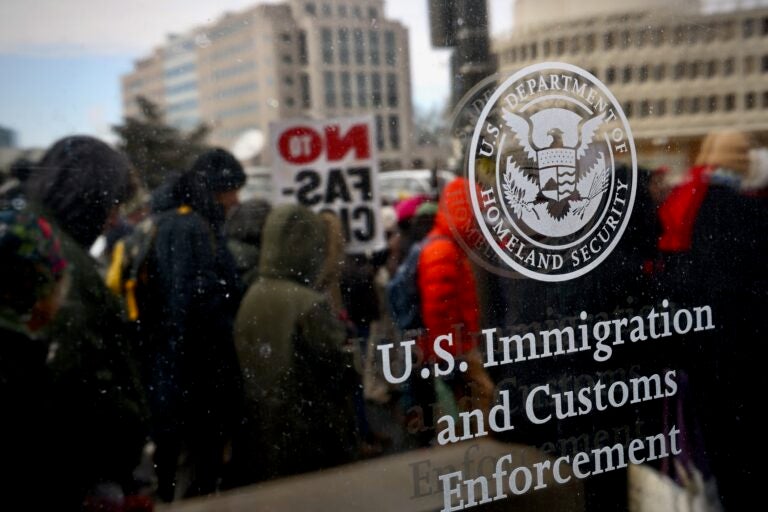
Protesters gather outside the U.S. Immigration and Customs Enforcement offices at 8th and Cherry streets in Philadelphia, Jan. 19, 2026, to call for an end to ICE raids. (Emma Lee/WHYY)
From Philly and the Pa. suburbs to South Jersey and Delaware, what would you like WHYY News to cover? Let us know!
The federal government has abandoned plans to turn two warehouses in Berks and Schuylkill counties into immigration detention centers. Gov. Josh Shapiro announced the move Wednesday, citing letters from the U.S. Department of Homeland Security dated July 13 that withdrew its request for drinking water and sewage permits.
The DHS had announced plans in January to house 9,000 people at the former warehouses in rural Pennsylvania. The letters do not indicate how the two properties would be used.
The controversial project faced opposition from local residents and advocacy groups.
“This is an important victory for our communities, and it happened because people in Berks and Schuylkill counties organized and refused to let ICE warehouse thousands of people in their backyards,” said Miguel Andrade of the Shut Down Detention Campaign.
Andrade said the $207 million the federal government used to purchase the warehouses “should have been invested in people, not detention.”
Shapiro had opposed the conversion of the facilities into detention centers because of the large volume of water needed, which he said would have impacted local residents and the environment.
“From the beginning, I’ve been clear that these warehouses should not be used as ICE detention centers because they are not suitable for people and converting them to detention centers would have posed serious risks to the health, safety, and infrastructure of the surrounding communities,” Shapiro said in a statement. “My Administration stood with local leaders and residents, enforced Pennsylvania law, and worked across agencies to protect people from being held in these warehouses and to protect the surrounding communities.”
Related Content
Bucks County commissioners unanimously oppose use of warehouses for ICE detention
“Bucks County is not a county that needs or wants a detention facility,” the county’s lone Republican commissioner said.
7 months ago
In March, the Pennsylvania Department of Environmental Protection issued orders to DHS prohibiting it from using the site as a detention center. DEP estimated that the two facilities would require 800,000 gallons of water per day and strain the local sewage system. DEP Secretary Jessica Shirley said the detention centers would double the population of the small communities and could result in “polluted waterways from overwhelmed sewage facilities leaking raw waste into our streets and rivers.”
“There are serious concerns about the environmental impacts of these actions,” Shirley said at the time. “The conversion of warehouses to detention facilities risks harming the communities in and around Tremont and Upper Bern townships, overwhelming their sewage facilities and exceeding the available drinking water supply.”

Get daily updates from WHYY News!
WHYY is your source for fact-based, in-depth journalism and information. As a nonprofit organization, we rely on financial support from readers like you. Please give today.

The governors said political disagreement is essential to democracy, but warned that dehumanizing rhetoric is contributing to violence and eroding trust.
1 week ago

State Democratic leaders announced the effort in the district of U.S. Rep. Scott Perry, one of four Republican-held seats they hope to flip in November.
2 months ago
Listen 1:13
Under Trump, immigration arrests surge in Pennsylvania, Delaware and New Jersey
New Jersey and Pennsylvania rank among the 10 states with the most immigration arrests during the first 14 months of President Donald Trump’s second term.
3 months ago
Listen 1:43