




Should there be political age limits?
The case for and against age maximum limits for our political leaders. And should we also have health transparency rules?
Listen 51:16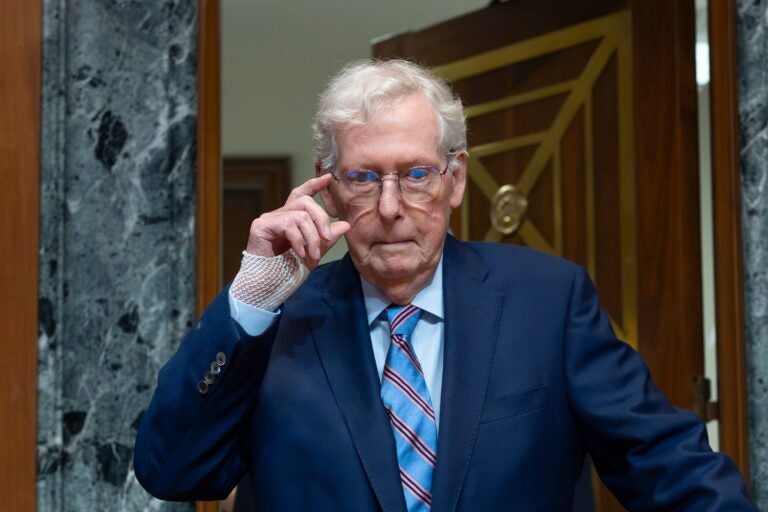
FILE — Sen. Mitch McConnell, R-Ky. at the Capitol in Washington, May 19, 2026. (AP Photo/J. Scott Applewhite, File)
The 119th Congress is among the oldest in history — 24 members are over 80, and many of them are running for re-election. Recent events have put the question of aging elected officials back in the spotlight: the extended hospitalization of Senator Mitch McConnell, speculation about President Donald Trump’s health, and lingering questions about former President Joe Biden’s final years in office.
Supporters of keeping the status quo without electoral age limits argue that age brings institutional knowledge, political wisdom, and Capitol Hill know-how. Critics counter that a gerontocracy risks losing touch with a rapidly changing culture, shutting out a younger generation from political engagement, and relying on officials who aren’t cognitively fit for a demanding job.
A recent poll found broad, bipartisan support for age limits, with 8 in 10 in favor.
There are also growing calls in D.C. for greater health transparency. Right now, no rule requires lawmakers to disclose their medical status. Members of Congress can disappear for months with unexplained absences, leaving constituents without a representative to vote or fight for their interests. Senator McConnell has been out for over a month with little explanation, and New Jersey Congressman Tom Kean Jr. missed four months of work before revealing it was due to depression, telling reporters that he’s a “private person by nature.”
Should lawmakers owe the public more during a personal medical crisis?
Today: where does the line fall between a lawmaker’s right to privacy and the public’s right to representation? And the case for and against age limits for our political leaders.
Guests:
- Maya Kornberg, senior fellow at The Brennan Center for Justice at NYU Law and the author of Stuck: How Money, Media, and Violence Prevent Change in Congress
- Tracey Gendron, chair for the Virginia Commonwealth University Department of Gerontology and executive director at the Virginia Center on Aging
- Adam Jentleson, former chief of staff for U.S. Senator John Fetterman and the president of Searchlight Institute
WHYY is your source for fact-based, in-depth journalism and information. As a nonprofit organization, we rely on financial support from readers like you. Please give today.
Brought to you by Studio 2


Pa. election 2026: What to know about the 160th House District race in Chesco and Delco
Republican incumbent state Rep. Craig Williams is facing a challenge once again from Democratic candidate Elizabeth Moro.
4 hours ago

Pa. election 2026: What to know about the 144th House District race in Bucks County
Democratic incumbent state Rep. Brian Munroe is facing a challenge from Republican Mike Murphy.
6 hours ago
Secretary of State Al Schmidt addressed speculation over mail-ballot restrictions and disputed claims about noncitizen voters.
16 hours ago