



‘Nobody’s Normal:’ on autism, stigma and culture
Anthropologist Roy Richard Grinker on the progress in understanding autism, the ongoing efforts to overcome mental health stigma, and the need to dispel persistent myths.
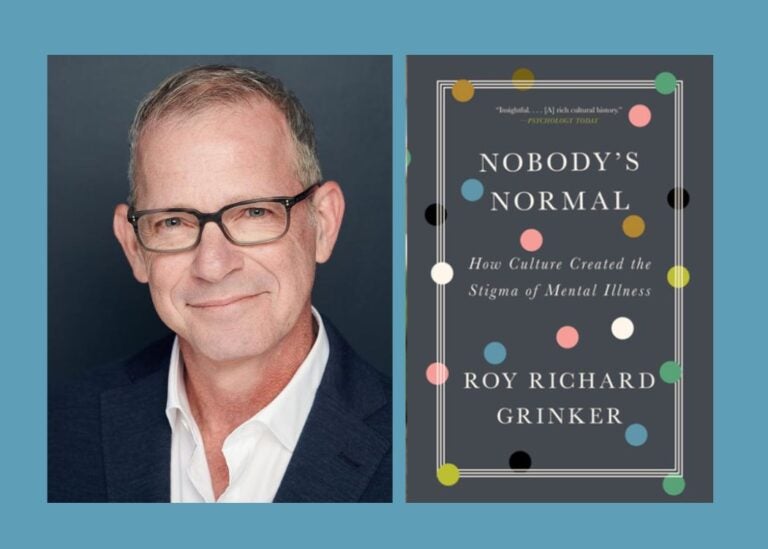
Anthropologist Roy Richard Grinker comes from a long line of psychiatrists—his father, grandfather, and great-grandfather among them—all of whom believed that everyone carries some degree of mental illness.
Grinker’s book Nobody’s Normal traces the shifting history of stigma and acceptance toward people perceived as different. He writes about his daughter, who was diagnosed with autism in the 1990s, when the condition was still considered rare.
In an op-ed for The New York Times, Grinker criticized Health and Human Services Secretary Robert F. Kennedy Jr. and President Trump for describing autism as a “tragic epidemic” and a “horrible crisis.”
This week on The Connection, Roy Richard Grinker joins us to discuss the progress made in understanding autism, the ongoing efforts to overcome stigma, and the need to dispel persistent myths that threaten to set back public understanding.
We’ll also explore how war has shaped our understanding of psychological adversity, the limitations of psychiatric diagnoses, and the powerful role culture plays in defining what we consider mentally healthy, or not.
WHYY is your source for fact-based, in-depth journalism and information. As a nonprofit organization, we rely on financial support from readers like you. Please give today.
Brought to you by The Connection with Marty Moss-Coane

A report from the State Employee Benefits Committee said market realities prevent more strident moves to address rising drug costs.
15 hours ago
Listen 1:03
Why are more women freezing their eggs?
We're looking at how modern women are balancing life goals and fertility.
Air Date: August 11, 2026 1:00 pm
Listen 51:12
More than 80% of resident doctors in Philadelphia region now covered by union contracts
Resident doctors at Temple Health and Jefferson Health organized to form unions more than a year and a half ago, and recently ratified their first contracts.
4 days ago
Listen 1:29