




How Music Shapes Memory, Emotion, and Imagination
What “musical daydreaming” is, and why it’s good for our brains.
Listen 49:34
(Grandfailure/Bigstock)
It can happen while you’re driving, or washing dishes, or mid-conversation — a certain song comes on, and suddenly you find yourself transported to a whole other time and place. Lazy afternoons in your best friend’s basement, sitting on a sunny beach, dealing with heartache after a breakup, or dancing at college parties.
Music has a unique ability to transform our mental landscapes. It can evoke old memories, trigger changes in mood and emotion, or even help us imagine and play out new scenarios in our minds.
On this episode, we explore how music affects our brains, and what makes it so powerful. Our guest is Elizabeth Margulis, a music cognition researcher at Princeton, who explores the phenomenon of “musical daydreams.” She describes what makes music so good at tapping into our memories and imaginations, what functions musical daydreaming plays in our lives, and how it could be used to improve our mental health. And we listen back to an interview with neuroscientist and award-winning musician Daniel Levitin about how our brains process music and its potential therapeutic power.
SHOW NOTES:
- We talk with Elizabeth Margulis, director of the Music Cognition Lab at Princeton University, about how music affects our brains, and how it helps us make meaning and sense — both of ourselves, and of the world. Her new book is “Transported: The Everyday Magic of Musical Daydreams.”
- We listen back to an interview with musician and neuroscientist Daniel Levitin about music’s ability to engage our brains, its close link with physical movement, and its function — both therapeutically, and in human evolution. He’s the author of “I Heard There Was a Secret Chord: Music As Medicine.”
WHYY is your source for fact-based, in-depth journalism and information. As a nonprofit organization, we rely on financial support from readers like you. Please give today.
Brought to you by The Pulse

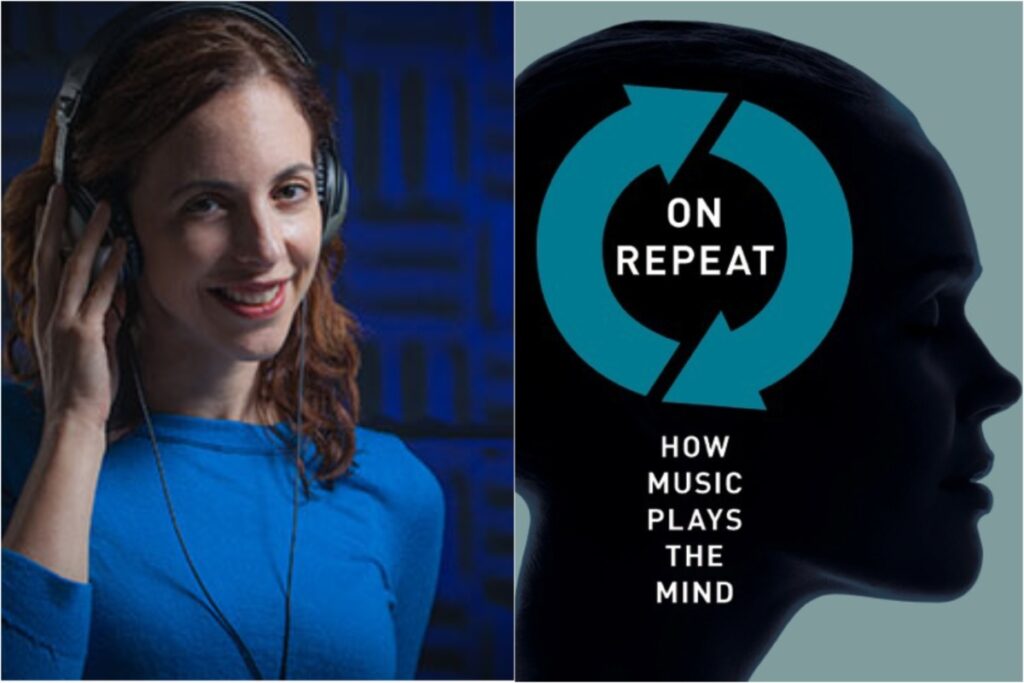
Princeton professor Elizabeth Margulis explains why music has the power to affect our emotions, transport us to far away places and connect us to others.
Air Date: August 29, 2025 12:00 pm
Listen 49:59
How an American musician is using AI to translate grief across cultures
AI-created art has been widely decried as the end of human creativity. But for one Palestinian woman, AI is helping to democratize art.
1 year ago
Listen 15:58
Music on our minds: how music affects our memories and emotions
Princeton professor Elizabeth Margulis explains why music can affect our mood, transport us to another time and place, and connect us to others.
Air Date: March 14, 2025 12:00 pm
Listen 50:23