


How constraints make us happier and more productive
In a world with seemingly infinite competition for our time and attention, how do we decide what to prioritize?
Listen 51:08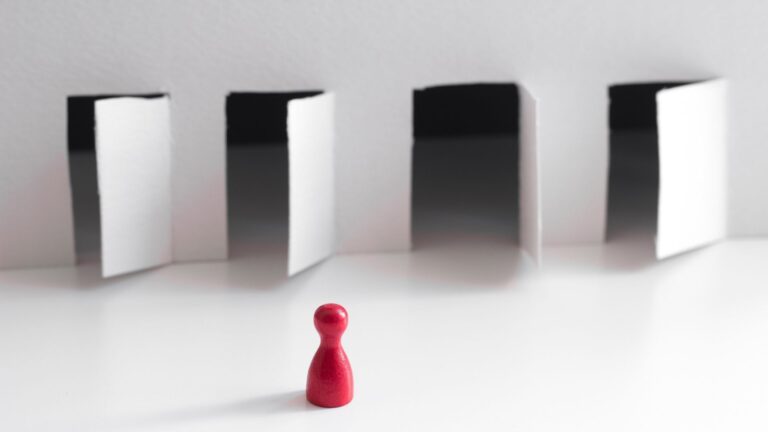
For most of human history, we had far less competition for our attention. There was no internet, no chirping notifications, and no infinite scrolling. For better or worse, most people had fewer choices in their day-to-day lives.
The past few decades have brought a major shift. Now, we are up to our ears in decisions big and small — who to spend time with, what to focus on at work, what show to watch, what towels to buy. And while more freedom seems like a good thing, it can also leave us scattered and overwhelmed.
When everything is available all the time, how do we decide what actually deserves our attention and energy?
In his new book, “Inside the Box,” journalist David Epstein argues that our brains are simply not wired to thrive in this environment. Drawing on examples including a failed tech company, a famous novelist, a Nobel Prize-winning psychologist and Dr. Seuss, Epstein explores the benefits of boundaries, the dangers of multitasking and why the best decision is not always choosing the best possible option.
Today: would we be happier and more productive with less freedom? And in the modern era, what would that even look like?
Guest:
- David Epstein, journalist and NYT best selling author of “The Sports Gene,” “Range,” and most recently: “Inside the Box: How Constraints Make Us Better.”
WHYY is your source for fact-based, in-depth journalism and information. As a nonprofit organization, we rely on financial support from readers like you. Please give today.
Brought to you by Studio 2
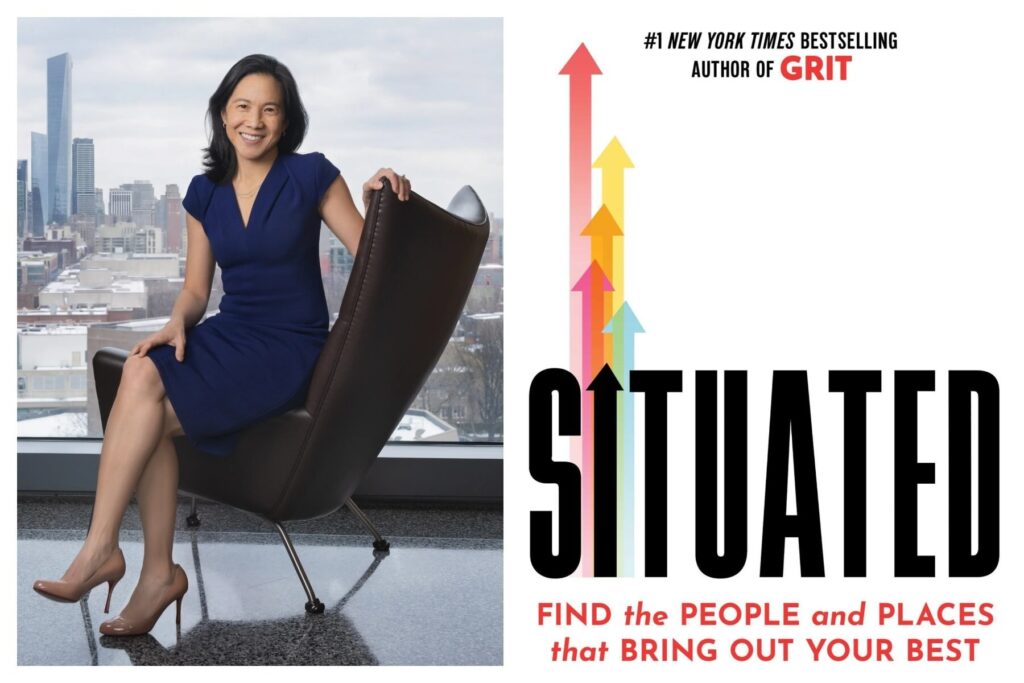
Angela Duckworth on the importance of getting situated
Psychologist Angela Duckworth on her new book "Situated" about how to create relationships and the right environment to help us do what we want to do.
Air Date: September 4, 2026 12:00 pm
Listen 50:00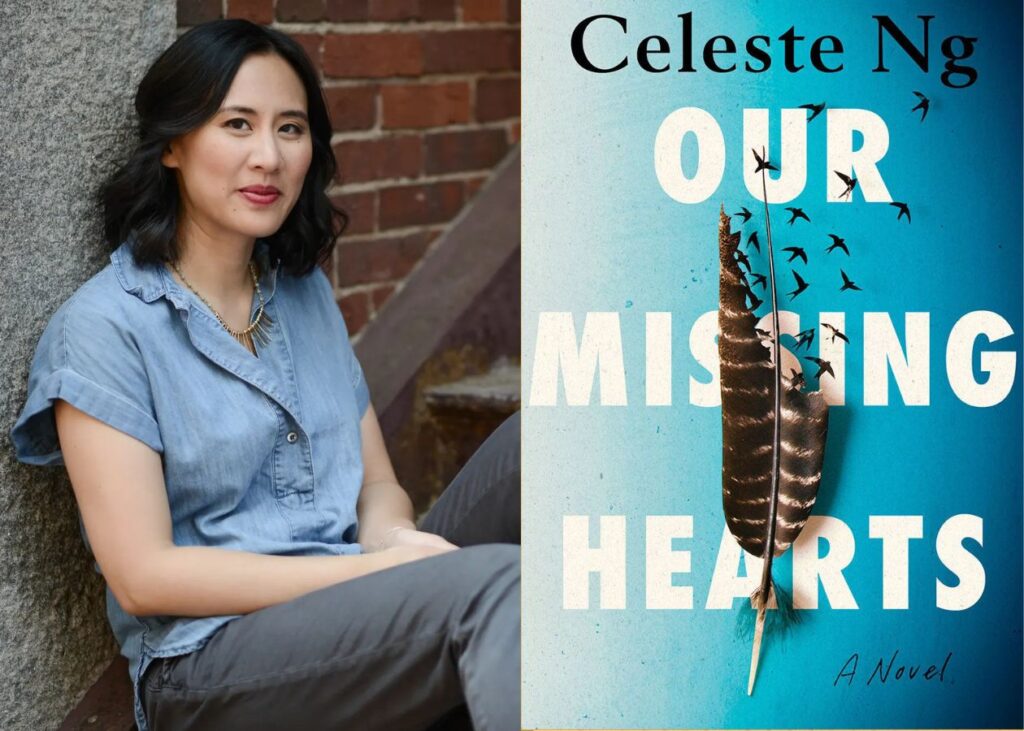
Studio 2 Extra: Bestselling author Celeste Ng
In Our Missing Hearts, writer Celeste Ng meticulously crafts a near-future American dystopia, not far removed from the real world. It's the 'One Book, One Philadelphia' pick.
Air Date: May 22, 2026 1:00 pm
Listen 22:06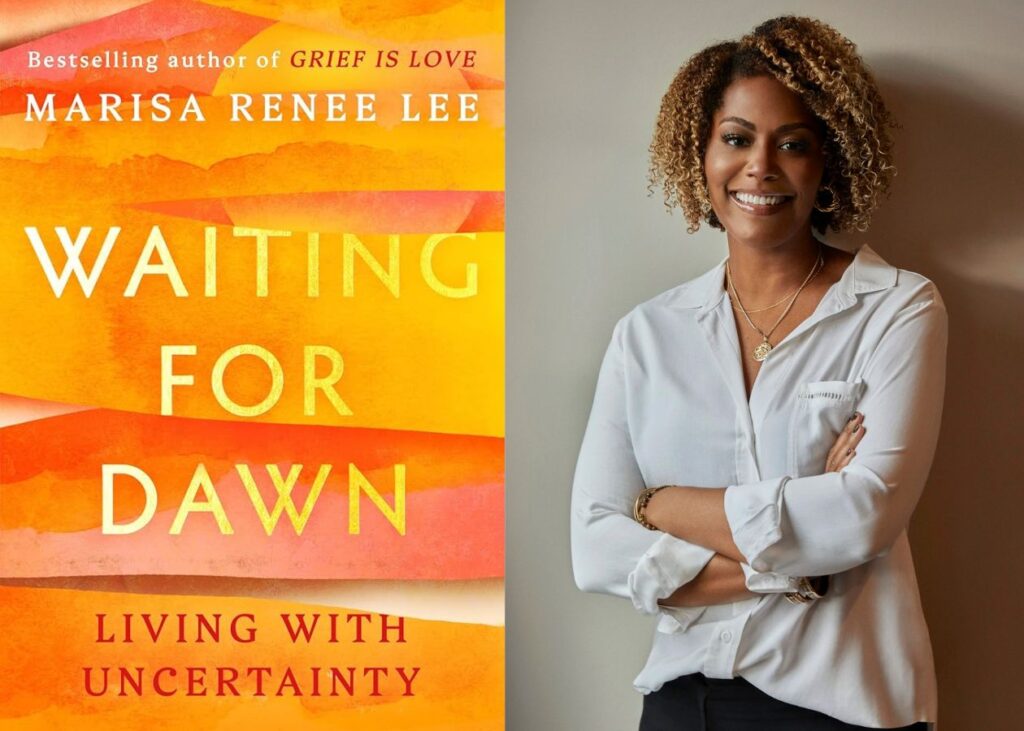
In "Waiting for Dawn", author Marisa Renee Lee explains how to how to truly thrive during times of sadness, grief and uncertainty — without forcing positivity.
Air Date: May 8, 2026 12:00 pm
Listen 49:59