


The Virtues of Quitting, with Ultra-Distance Cyclist Lael Wilcox
We talk about something that most elite athletes never even allow themselves to consider: quitting.
With an explosive offense and a star quarterback, the Chicago Bears have high hopes for a deep playoff run this year. But will Caleb Williams’ hamstring injury put a damper on the team’s promising season? We’re sitting down with Kevin Fishbain, a senior writer at The Athletic who covers the Bears, to check on one of the highest-ceiling teams in the league.
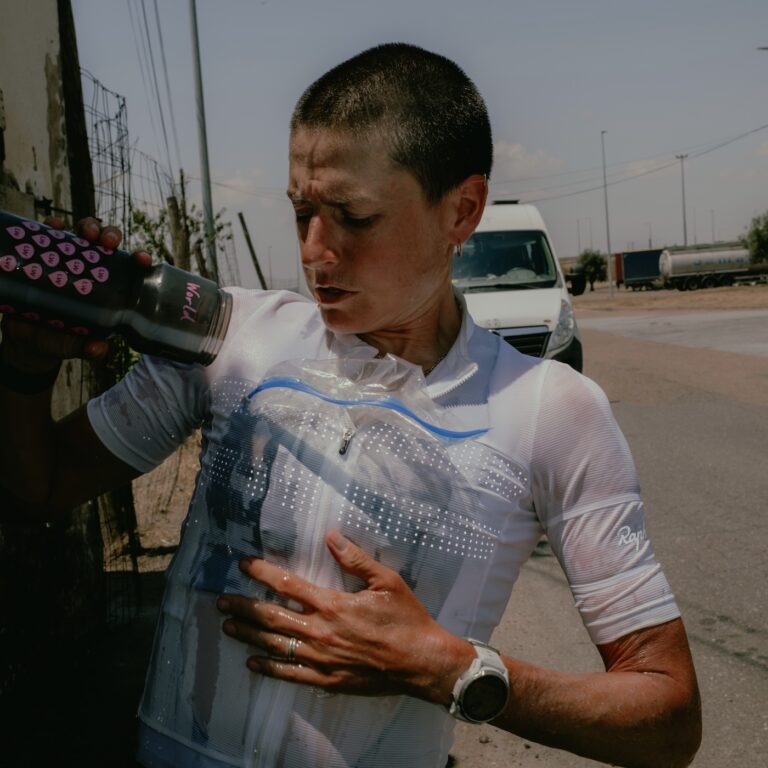
Then, we’re going to talk about something that most elite athletes never even allow themselves to consider: quitting. Lael Wilcox is an ultra-distance cyclist who became the fastest woman to ride her bike around the world in 2024. This summer she wanted to try for the men’s record too, and become the fastest person to cycle around the world. But early on in her effort, a historic heatwave in Europe made it unsafe for her to keep going. How did Lael make the tough decision to stop, and what good came out of it?
Show Notes
- Lael Rides Around the World | Full Film
- Why is the heat in Europe so deadly? | CBS Evening News
- So you want to ride around the world? | Cyclist
- Listen to Lael Wilcox’s podcast Lael Rides Around the World
- Listen to Kevin Fishbain’s podcast Breaking In With Kevin Fishbain
-
Episode Transcript
DAVID GREENE, HOST: Hey everybody, welcome to Sports in America. I am chatting with Kevin Fishbain. He’s a senior writer at The Athletic and we are here to talk about football this week, but here’s the reality for sports fans. Sometimes you get on the line with someone and you see what’s behind them and you feel this incredible sense of jealousy. And I’m looking at a Chicago Cubs pennant behind you, Kevin, and you’re probably getting excited for the baseball playoffs, which as a Pittsburgh Pirates fan, I just have to sit here and in misery wondering what that’s like. What is that like? What is it like to get excited for the postseason in baseball?
KEVIN FISHBAIN: Well, the life of a fan can be fickle because I was at the Cubs game on Tuesday night and it was a great atmosphere and a miserable loss and then you just for a second lose the reminder of how fun it can be.
DG: Don’t lose it. You’re going to have fun. Don’t loose it. You could be me. You could.
KF: And in Chicago, it looks like we’re gonna have both teams in the playoffs, which has been pretty cool. I should note that pennant that you pointed out, it says Cubs 1984 World Series. Baseball fans know the Cubs did not make the 1984 World series. So that’s one of those pennants that was probably made and thrown to the side.
DG: That’s probably worth a lot of money or no money at all. I don’t know. Are things that have mistakes, are they worth money in sports? I can’t remember.
KF: Yeah, I don’t know. Somebody left it on the gift table at my wedding and I thought it’d be a fun thing to throw on the backdrop.
DG: That’s fantastic. Okay. Well, good luck to the Cubs and White Sox, both, looking like they’re going to the postseason, but I want to talk about football and more misery for, um a few fan bases. We watched in Week Two three young quarterbacks suffer injuries. Caleb Williams with the Chicago Bears, Jayden Daniels with the Washington Commanders and then Jaxson Dart with the New York Giants. I don’t know, there was some reminder in watching all three of those replays of just how fragile this all is for star players, for young players who are trying to build their careers for fan bases. How did you react to all that?
KF: Your season blink of an eye it’s gone sometimes and the Bears are the fortunate ones it looks like right now that Caleb Williams is only going to be out for a few weeks, but sitting in the press box that day I’ve been there for every snap of Caleb Williams NFL career and he’s been sacked a lot. He has been broken in half. It looks like and he always gets up and he always takes the next snap. So to see him kind of writhing on the ground In that moment, where he was four yards away from taking the lead, an entire hush went over the stadium. I should also, it rained the entire game and the fans were still out there. They sat in the rain for three plus hours and they’d finally gotten excited. And then for him to go down like that, it would, you know, everyone’s sitting there been like, our season could be over just like that. This whole, is it a week earlier, we were talking about how Caleb Williams could be ab MVP candidate after they scored 59 points, and now suddenly, the worry was he might be out for the year.
DG: Yeah. What’s the latest? I mean, it looks like it’s not the worst news, right?
KF: Yeah. So, you know, on Monday, Ben Johnson, the head coach said it’s a week to week. You, there was a report that said he could even play Monday. He’s not going to practice this week. It would be shocking if he played Monday night. But the thing with Caleb Williams is you can’t really put a timeline on him. He is just very tough. He s going to have a lot of different opinions and get, I mean, he s a type guy that’s going to make sure he’s working on the hammer string 24 seven. So he can get back as soon as possible. Now it’s really early in the season. So I think the Bears are going to try to probably want to be a little judicial with when he gets back out there, but it does seem like, you know, he might miss anywhere from maybe one to two, three, maybe four games, but way, way better timeline than it looked like as he got carted off.
DG: Which is good news, hopefully for him and for Bears fans. But I can’t imagine what New York giants fans are going through right now. Similar thing, they had a great looking Week One, their young quarterback, Jaxson Dart was also in the conversation for, you know, could he be one of the great quarterbacks this year? And then Week Two, just an injury that, that it wasn’t clear how bad it was in the beginning, but the reports out of New York are that, I mean, he could need surgery and miss the entire season, which is, I means, this is a fan base that’s just been starving to get back to to glory, and this young kid was sort of at the center of it.
KF: Yeah, and that was kind of the opposite of the Caleb Williams situation where the earlier reports were that it was maybe just an MCL. It’s easy for me to say Justin MCL, but those are, you know, could be four to six weeks. And then so Giant fans at that point have hope, but yeah, for only the just in Week Two, to see your whole season and, you know, luckily the, the medical world, the advancements, I mean, these guys can come back and have incredible careers. Tom Brady missed an entire season, went on to win several more Super Bowls. You know, it’s kind of a blip and, and we tend to, you find yourself when you cover football to talk about injuries somewhat flippantly because you know, they’re going to be back. But with that one, Giants fans watch what happened when Jameis Winston came in the game and that that’s a normal backup situation. A lot of times the young quarterback has a veteran journeyman backup and you just know there’s a ceiling. You just know that Jameis Winston is only going to be able to do so much. The Bears, fortunately, have a little bit of a better situation where they have this guy in Tyson Bagent, who’s their backup, who there’s a lot of intrigue about him, you know, that he could at least be something, somebody, and you don’t know. With Jameis Winston, everyone’s seen what his ceiling is in the NFL. People know what he is, and so if you’re a Giants fan, you kind of know that you can really only go so far. And to go from after Week One thinking the Giants are back, they got the new coach and they finally got the quarterback to this, it’s like you just, you have to almost throw a season away. And for a lot of the players in the team, NFL careers are short. You know, if you’re a player on a one-year deal, you’re in a contract year, like, you know, it might be a throwaway season for fans, but you still got 15 games to get through. It’s a brutal, brutal sport. And it’s just so unfortunate to see these young guys go down this early.
DG: I was thinking about like how to tell fans in these cities that all, all is not lost even if you lose your quarterback for a long period of time. I mean, Nick Foles is probably the big example. He came in as the backup for Carson Wentz when the Philadelphia Eagles, I mean took the Eagles to their first Super Bowl win in franchise history. So you can never tell what what’s next. Even though the kind of heartache feels deep when you watch your young star go down like that.
KF: Yeah, and there are a few other stories like that, where at least a backup, you know, gets a team competitive, you know, I go back to when Brady went down Matt Cassel, I mean that they had a pretty good year, they missed the playoffs, but a lot of seasons that team would have made the playoffs. So you need to have a really good defense, you need have a really good run game, you need to have a very good coaching staff, you just need to kind of take all the pressure off the quarterback and hope that he’s not going to turn the ball over and use your whole game plan change, your whole perspective changes, and it’s difficult. But yeah, we’ve seen teams do it. We’ve seen backup quarterbacks have this incredible run You know, there’s a phrase in Chicago that has kind of been retired since Caleb Williams got here but the phrase has been, “The most loved quarterback in Chicago is the backup,” and that was something that was uttered for years because people had so many issues with the starter and you just always wanted to see what the backup could do because you’d be frustrated that the starter wasn’t doing it And so, you know, I remember a few years ago, I talked to about 10 former Bears backup quarterbacks about kind of what it was like to be in that role. And it’s kind of like, it’s kinda exciting that fans are excited about you, but then you get in the game and sometimes it’s like, oh, that’s why you’re the backup. So there is always that kind of, you don’t know what’s behind door number two, but for some of these guys, we kind of have enough tape. You can go to Washington, Marcus Mariota. Again, there are few backups who are better than Marcus Mariota and more experienced and and Mariota has done some nice things in the league but again when you’re Marcus Marioto like there’s a reason you’re a backup at this point and so like he can help keep them afloat for a long time because he knows what he’s doing out there but yeah it’s a challenging thing so you know like one of the beauties of the NFL is hope. Like the NFL is structured in a way that like so many fan bases can create hope because of the parody and the way the salary cap is and the schedules that teams can come out of nowhere, but a lot of that hope relies on your quarterback and it’s hard to have that hope when it’s a quarterback who’s been in the league for 10 years and you kind of already know what he’s all about.
DG: I do wonder, do you think we’ve learned any lessons about training and conditioning in the preseason from watching these three young quarterbacks go down? You know, there was so much talk of coaches deciding like to just tell really limit play for especially their key players. But I’m wondering if maybe some of these guys should have played a little more to get into shape?
KF: Yeah, it’s so difficult because I think obviously you go back to the era of the two a days when these teams practice literally two full practices a day in the summer.
DG: Right. Grueling but like at least you were getting your body kind of in shape
KF: And injuries were not at the level they are now. And, you know, on the flip side, we have so much more information. You know, there’s all these medical professionals and scientists and doctors and, people who do all this research on what the ramp up should be, what the proper way to practice and the time, and then the players, obviously the there’s the collective bargaining element of it, cause the players are always going to try to collectively bargain for less practice time, cause they don’t want to have to practice more. And the owners will go ahead and take that if it means more games, more revenue. But within the rules, to your point, there are ways to do it and there are ways to get more preseason reps and have a more physical practice. I know again, me being in Chicago, I’ve watched Ben Johnson. They have a very, very physical training camp. With that said, they’ve had a bunch of injuries. So it’s the correlation is tough. It’s tough to find that happy medium. I mean, the, the fact of the matter is it’s football and these guys— I mean Caleb Williams is a perfect example. I mean, it was just a freak thing. He’s just sprinting like he’d already done 15 times this season and his hamstring just gets pulled as he’s trying to stride away from a defender. And these things are just, again, it’s just brutal because it’s really, really hard to predict when these things go occur.
DG: Bears lass Super Bowl when, what, more than 30 years ago? Do I have my math right
KF: 1985 the 1985 season so January of ’86.
DG: Wow, 40 years ago. What would it mean for this fan base to get back there?
KF: Well it’s been 40 years and every single member of that team can still drink for free in the city of Chicago. I mean those guys.
DG: (Laughs) So that’s incentive to not have them win again. They should just keep that, keep that like drinking, free drinking thing going.
KF: Yeah, those guys are celebrities and this is, look, everybody here loves the Cubs, they had the 90s Bulls, the Blackhawks had their run, but this is first and foremost a Bear’s town well above anything. I can’t even imagine, like as a writer, I should be able to put into words what it would be like, but I can’t. It would be mayhem in this city. I mean, everybody on the team would be a hero for life. And the quarterback of that team, there would be statues of him everywhere. I mean, it would be an incredible thing, because again, this city talks about the ’85 Bears all the time. And it was 40 years ago. I was not alive for it. It was, it’s just this thing. And the Bears, they got there once, they got to Super Bowl in the ’06 season, lost to Peyton Manning. But yeah, for the, I mean right now, Bears fans are so thrilled they finally have a quarterback and a head coach they believe in and I think especially with considering Caleb’s injury I think next year is a big year to circle like they can continue to make progress this year and if they can bulk up the defense I think 2027 is probably the year when you consider the salary cap and Caleb Williams is going to need a new contract at some point. Like that’s kind of the season that you might want to put all your eggs in that basket and just see but it, you know, again, it really speaks to how amazing it is that the Chiefs did what they did with Patrick Mahomes and what the, and what the Patriots did with Belichick and Brady, it is so hard in this league, and Bears fans have waited a really long time. It would be, I mean, the city, the city would shut down for a week, probably if they ever won the Super Bowl again.
DG: Kevin and I were talking about the, the pain of quarterback injuries, with season suddenly hanging in the balance. and the heartbreak that, that you can feel the conversation we’re about to listen to I had with Lael Wilcox, different sports. She’s an endurance cyclist, but had to make a decision, not because of injury, but because of heat, to stop and stopping is one of the hardest decisions. I think that elite athlete has to make and one one that they just never even want to contemplate the idea of quitting but she learned a lot from it. So we’re gonna hear that conversation coming up But first Kevin Fishbain senior writer at The Athletic, he hosts the podcast “Breaking In with Kevin Fishbain.” Kevin great talking to you. Thanks so much
KF: Yeah, thanks so much for having me.
DG: Hey everybody, welcome back to Sports in America, and today, we’re gonna talk about something that’s pretty taboo in the world of sports, quitting.
[MUSIC]
DG: It’s something many athletes don’t even dare to think about, especially in professional or elite sports, quitting is basically sacrilegious. It’s just not what you do. You push your body to the absolute end of your rope until you achieve success, end of story. That mentality sounds great and all, especially when it’s your team refusing to back down, but it doesn’t leave very much room for an athlete to be human. Lael Wilcox had to admit this very thing to herself earlier this summer, that she’s human. Lael is a long-distance cyclist, and a really good one, by the way. She set the women’s record in a 3,000-mile race called the Tour Divide in 2015. Then, the next year, she won the Trans Am. That’s a race from Oregon to Virginia that spans more than 4,000 miles, becoming the first American and the first woman to win the race overall. And because apparently 4,00 miles on a bicycle is not long enough, well, Lael went on to set the Women’s Guinness World Record for the fastest. circumnavigation of the globe, riding 18,125 miles in just over 108 days. This summer, she wanted to take that Around the World record yet another step further and beat the men’s record for biking the globe as well. That means she would be, not just the fastest woman to do it, but the fastest person overall. Then about two weeks into her all out effort to bike Around the World, Lael quit.
LAEL WILCOX: I mean, they were worried I was gonna have a heart attack and die out there, And I felt like almost responsible to ride until I passed out.
DG: Fueled by the changing climate, an historic heatwave hit Europe earlier this summer, right when Laos started to cycle through the continent.
BROADCASTER. Well, the heat wave has been nothing short of scary. In Italy, it got to 36.9 degrees Celsius. 16 cities there have been issued with red alerts.
DG: After weeks of suffering from heat strokes, strapping ice to her chest and shaving her head and still biking 14 hours a day, Lael had no choice but to prioritize her health and pull out of her Around the World attempt. Look, no athlete wants to give up any competition, but since Lael has had to, she’s learned a lot from it.
LW: Sometimes when things don’t work out, we just keep going back to it because we’re trying to prove it to other people that we’re capable. And in fact, that’s not that motivating.
DG: Today on Sports in America, what it feels like when an athlete is pushed to the point of quitting, and what good can come out of it.
You know, I normally, out of respect, never bring up someone’s appearance like in an interview, but I can’t not notice your buzzed haircut since I think you shaved your head as part of just trying to maximize your chances of setting this record in this Around the World race, right?
LW: And I’m so glad I did, because it’s so good for the heat, you know, because I had this long hair and it’s just like, I mean, that’s like a layer on your neck. I shaved my head in May, just before I started this Around the World, but it wasn’t for heat, it was because then I realized, oh, I’d save 10 minutes a day not washing it or brushing it.
DG: Oh, so it wasn’t like aerodynamics.
LW: It was time saving.
DG: It was like time saving. Interesting.
LW: And then I mean, my wife was like, don’t do that. It’ll look terrible. And then now I’m like, I like it, you know? And well, the problem is, I mean even if I do want to grow it out, then it’s gonna be like this grow out phase, you know, so short for now. But for the heat, it’s been amazing.
DG: Is it a reminder of the race and sort of the really hard decision and the amount of work that you put into winning?
LW: There’s so many reminders daily because it’s like, they made me this special bike with the special paint job with the full route on it. I shaved my head. I mean, like— somebody, you know, exposure that helps me with lights made like an engraved light. Like I have all this really, really special kind of custom gear and then I’m like, and I didn’t even do it. I just like, you know,you feel like you’re letting everybody down with this stuff. So Fortunately, all my partners have just been really supportive. They’re like, we’re amazed you made it as far as you did and kept on pace for that long because it was really pretty unbearable, you know? And then they said it’s good that I stopped.
[MUSIC]
DG: Maybe you’ve never considered riding a bicycle around the entire planet or shaving your head to save time to do it. In fact, you might be wondering how someone would even do that, given the giant oceans in the middle of the planet. Well, here’s a little background on how this whole thing works. To set an official Guinness world record for circumnavigating the world by bicycle, the rider has to cover at least 18,000 miles entirely on two wheels. They have to start and finish in the exact same location and they have to ride in one continuous direction the whole time, either east to west or west to east. They can use planes or ferries to get across bodies of water, but that counts toward their total time. And fascinatingly, the cyclist has to pass through two locations that could be connected by a straight line through the center of the earth. A lot of rules here. Well, in Lael’s case, she was planning to do that by passing through Madrid, Spain, and Wellington, New Zealand. The first time Lael cycled Around the World, she broke the women’s record by finishing in 108 days. To beat the men’s record as well, she would have to shave off about a month from that time. This was a pretty ambitious goal, one that required a staff to support her.
LW: This Around the World ride, it was my first supported ride. So that means I had a team with a vehicle. And then that just made me feel like, well, I better do it for these guys because they’re basically, you know, there are five or six of them just living for me. And I’d never had that before. Most of my races are self-supported, or even the first time I rode Around the World and set the women’s record, it was me and my wife and she was just taking photos and I was buying food. And then we’d meet at night to have dinner and record a podcast and sleep, and then I’d go do it again. But that felt like, oh, well, every day I’m just taking care of myself. I make my own decisions. And so I’m only letting myself down instead of others. So then even with this ride this summer, it was just, I was out there for 14 days. The plan was 78, and 12 out of the 14 days were headwind. I mean, the whole reason I planned it to ride east was because it’s supposed to be a tailwind.
DG: When Lael started her second attempt to cycle Around the World, she started in Chicago. She planned to head north through Wisconsin and then east through Canada. She would board the first of six total flights on her journey, this time to Lisbon, Portugal, and then she would bike more than 3,500 miles across Europe to Turkey. Then comes the Middle East, then Southeast Asia, then Australia, then New Zealand, then Alaska through Canada and back to Chicago. I mean, no big deal, right?
LW: And then the first eight days were in, starting in Chicago and then going into like the Eastern provinces in Canada. And that was all new, so that was really cool. But it was like headwind and then really cold, rained most days. One day was torrential rain from 6 a.m. to 6 p.m., and I was like, oh.
DG: Drenched the whole day, I would imagine.
LW: The thing about this is it’s like you’re not even racing anybody, you’re just racing the clock. But I mean, I still, even then you think, well, it’ll come around, you know, in a couple weeks I’ll have a tailwind, everything will be perfect. I love Europe. You know, I’m going there. And then I get to Europe and it was like their biggest heatwave in 80 years. And I was like, I was so looking forward to getting out of the cold.
DG: Then you’re like, I wish I had that cold again.
LW: I was just dying in the heat. I mean, I was like trying new things, you know, and also like, you know, my crew were just basically my friends and none of us knew what to do. You know, first they’re packing plastic bags full of ice and I’m just wearing them everywhere and then someone wrote us a message and said, you should really get like pantyhose because then it’ll melt on me. So we started doing that and that actually really helped but it, you just wasn’t enough.
DG: The biggest barrier that Lael faced was by far the heat. Lael landed in Portugal on June 16th, 2026 to begin her journey through Europe. Just nine days later, hot air from the Sahara Desert traveled to Europe, causing a severe heat wave. Seriously, this heat was no joke. June 2026 was the second warmest June that Europe had ever experienced, with temperatures surpassing 100 degrees Fahrenheit in several countries. Meanwhile, in these conditions, Lael was trying to cycle more than 200 miles each day.
You know, I know that you were facing heat exhaustion. Like what does that feel like? Like what was that feeling like in the moments when you just realized you couldn’t do it anymore?
LW: I mean, it took me a while to even kind of wrap my head around what was happening to me. I think it was six days in extreme heat and I would ride, my goal was to ride 16 hours a day. I was riding more like 14, because I’d have to take breaks to get in the shade and cool down. But the things that were happening were I was just, like my skin felt like it was on fire. I felt like I was gonna throw up all the time, and then eventually I was throwing up. But I, you know, I have pretty bad asthma and acid reflux. So I just kind of said, oh, that’s that. But it would always hit like in the middle of the day. And then it started coming on in the mornings too and kind of a pounding head, like really bad headaches midday. The problem with heat exhaustion is that you can’t recover unless you stop exposing yourself because it’s cumulative. And you know, I learned this as I was going. I didn’t even know before. So, and then eventually, I mean, so I had this team and I just trusted them to kind of make broad decisions like where are we gonna sleep tonight, you know? And then I think day six of the heat wave or maybe seven, you know, my team just asked me to stop and they’re just crying and they were like, you can’t do this anymore. You know, you’re, I mean, they were worried I was gonna have a heart attack and die out there. And I felt like almost responsible to ride until I passed out. And then, I mean, that’s not healthy, but I was just, first of all, didn’t wanna let my wife down, didn’t want to let my team down. You know, this is the biggest project of my life. I’d raised the most money, I’d put the most effort in. I was like, there’s gotta be a way out of this. And then the real problem was it was this heat dome from North Africa. And it was like traveling my same distance per day at my same pace. So then I was like, Oh, I can’t ride out of it. I mean, maybe I could have taken like, you know, three days off, but then I’m out of record contention. And that was the whole point of this was to go after this men’s overall record. And then I’m like, well, I’m just doing it just to do the ride. Cause I did that two years ago, you know, so then I was like, eh.
DG: You know, I’m struck that it was your wife and the team telling you that you had to stop, because I feel like this is not the first time that I’ve heard an elite athlete say that you need to have people surrounding you who are protecting you from yourself, in a way. That you were never gonna make that decision on your own and you needed people who you love and trust to say that it was time. Is that kinda what happened?
LW: Exactly. I mean, and then, you know, I didn’t fight them because I was like, it’s not worth it. You know, if my team doesn’t think this is a good decision, I trust them, you know, cause I didn’t have a lot of self-awareness in this. I was like, the goal is this, trying to do this. And I mean even if like I was feeling pretty awful and every day I would think today might be my last day, I still was enjoying a lot of it because I was learning so much and I was— I invited people to ride with me so they would show up. I mean, not many came in Europe because it was so hot. And the ones that did, I would just see them over the course of like three, four hours, just sunburned skin, you know, just faces like melting. And I thought, oh, they’re really having a hard time. And then of course I probably looked exactly the same.
DG: Like oh that might that’s happening to my skin, too. That’s not just these people who are riding with me.
LW: Totally. Yeah, I mean it was just intense. In France, they were shutting everything down, like people weren’t going outside, no one was driving, I was like riding in the afternoon just alone. You know, they closed schools, they canceled graduation.
DG: Oh, that’s such an eerie image. Like you’re just the only sort of human in the outdoors facing these elements biking as best you can. I wonder, like, do you have a different relationship with heat now, since this is the sort of natural force that took you down, at least in this race?
LW: The problem is I can’t get away from it. So, you know, I quit the Around the World and then I was like, oh great, I’ll race in Ireland. It’s always rainy there. And then it was their biggest heat wave in 40 years and it didn’t rain for 14 days straight and it was hot. You know, and then, I realized I think day five or six of that race that I really wasn’t recovered because like in the middle of the afternoon, I just feel like, wow, I’m just losing my mind. I guess it’s made me more empathetic. In general to like first, like, I mean, of course, people like directly experience in it through the day outside, workers, anybody walking around, but also people living in it because it’s like, where do they go? They can’t just leave, you know, that’s where their home is and that’s where they operate. And I mean of all the world experiencing climate change, I think Europe’s just heating up the fastest and it’s scary to see for sure.
[MUSIC]
DG: I watched your Instagram video that was so raw it felt like in the moment I felt like you were laughing and crying all at once which I don’t know just getting to know you a little bit that feels like very much your your personality in in some ways
LAEL WILCOX VIA INSTAGRAM VIDEO: I mean, it’s kind of a miracle I haven’t just passed out.
TEAM: Yeah. We’re so proud of you., I just hope you know that cuz you’re [EXPLETIVE] awesome. You’re [EXPLETIVE] Lael Wilcox.
LAEL WILCOX VIA INSTAGRAM VIDEO: I’ve never tried so hard (Crying).
TEAM: You did so good, and we’re so proud of you.
LAEL WILCOX VIA INSTAGRAM VIDEO: I’ve never tried so hard.
DG: Like trying to make the best of something but clearly wrestling, like take me to that moment as we’re watching and listening to you confront the decision.
LW: I mean, this is so great, because it’s like my wife is a photojournalist. So then but then it’s great because I’m comfortable around her. So I, you know, I’m not overthinking what I’m expressing. And then she’s basically like, you have to talk about this a little bit. So then I just kind of go off and I mean, my biggest thing was apologizing to her because she believed in this project more than I did. The problem is she’s like, well, if you don’t do this, you’re not achieving your full potential. And then even like weeks after I stopped, she’s, like, we have to try again and trying to figure out how we could do that because we learned so much. First of all. I didn’t have enough budget. I didn’t have enough crew. But then my big thing is, I can’t control the weather. And I don’t know if it’s stable enough, you know, to even attempt these kinds of things anymore. Or you’d have to get really lucky. First of all, to strain together almost 80 days and you’d have to have, you know, a team of basically scientists to kind of predict how it might go. And that’s tough. But also I’m like, you. I had to stop that one, but there’s always another bike ride. And the main thing is… Even doing this stuff, I still love riding my bike. I love being outside, I love meeting people, I love learning about these places, and I care much more about them from seeing them and like physically kind of experiencing them. So I’m not over that, but I just, you know, I mean, I loved having this big goal, but I’m just like, well, I don’t wanna try again and then just be stopped by the weather again. You know, if the goal is just time. Instead of, and I even struggled with this going into it because I was like, well, the goal is not really experience-based necessarily because I’ve done it before. It’s really about like, I think I would enjoy it but it’s really about just getting that time and then it’s just so hard to even like think I can do it. This was the most humbling ride of my life every single day. I was just like, it doesn’t matter how fit I am or how strong I am or determined. It’s like these things are very much out of my control, like the wind in my face and the heat. But I mean, I think more than anything, it’s good to share this stuff because it makes people realize these things are really happening.
DG: It was very relatable. Like it was very, I mean, you know, not relatable in that I understand what it would be like to bike at such an elite level, but just the human experience of facing a decision about something that you’ve worked so hard on and don’t wanna disappoint people and having to just face it.
LW: Yeah, I mean, and that’s good, because I think everybody encounters these things. And you know, the thing people like to tell me as well, you learn so much when you fail than when you succeed, which is true, but it doesn’t make it fun.
DG: No.
LW: You know what I mean, it’s hard, you know? And then you’re like, well, what now? What do I do? Do I need to try again or? You know, and then I think just giving myself some breathing room just to do some other things and focus on having fun. Like, and for me, fun is still challenging myself. But it doesn’t have to be like the biggest goal, you know, for it to be good.
DG: If you can believe it, the very same woman who has ridden a bicycle around the entire planet actually did not really like biking to begin with. As a kid growing up in Alaska, she was way more into other sports.
I would love to talk a little bit about home. I mean, you’re growing up as a kid in Alaska. I mean what was family like? Were you in a sports family? Was being an elite athlete something that you thought about a lot when you were a kid?
LW: Yeah. I mean, I wasn’t in a sports family, but I think you can’t avoid having a connection to nature there because it’s, that’s what’s around. We lived in Anchorage. So it’s the biggest city in the state, but that’s still only 300,000 people, but it’s half the population of the whole area and the states twice the size of Texas. It’s huge, you know, but I wasn’t into biking because it so snowy.
DG: You were into running, right? Cross-country running was your thing early on.
LW: Yeah, and before that it was soccer and basketball.
DG: Okay.
LW: And then, cause you can play those in the gym. Yeah. Basketball’s really big in Alaska cause it doesn’t take much.
DG: What’d you like about running?
LW: I mean, running, I loved because you didn’t have to plan. Oh, and I still love it because you can just jump out the door and go. And even when it’s cold, you keep yourself warm. And it’s like, you know, running for an hour feels like this big, you know, kind of intense workout. And then the rest of my day is great and I can do whatever else. The bike takes a lot longer.
DG: But the bike, as I’ve read, I mean, you were working as a server in a restaurant, and you were sometimes biking just functionally to get to and from work.
LW: Oh yeah, yeah, right. That’s the cool part about it is it’s the vehicle. So that’s how I got into biking was to get to work that was like four miles away. And then I was living in Washington, state of Washington, and I wanted to go visit my sister in Seattle. And I usually took the bus. Yeah, I didn’t have bus fare, so I rode there. And that was like super eye opening, because I was like, oh, if I could ride to Seattle, I could write across the country.
DG: Hmm, which you did, right?
LW: Which I did, like a couple months later, you know, and then it wasn’t at all about being athletic. It was more the travel, it was inexpensive, I’d just finished college, and so I thought this would be you know my one big adventure, and then I’d come back and go to medical school, and I just never did. I just kept riding.
DG: I know there was this race in 2016. That was the Trans Am, right? From Oregon to Virginia. That is seen as a big moment, not just for you, but for women in cycling as a whole. Tell me about that race and how we should interpret what you accomplished.
LW: I mean, this was, so the Trans Am goes from Oregon to Virginia. It’s on Adventure Cycling’s TransAmerica route. That was, the touring route was made in 1976. So I got to actually ride it for the 40th year of the route. And this was like a big start for people traveling by bike in the U.S. And then I actually entered the race because I had a failure the previous fall where I had to quit this ride on the Arizona Trail. And then it was like, you know what? I’m gonna race the TransAm, I’m going to win overall, and I’m in a set the fastest time. Which was super audacious. I was not used to riding on the road. And then I showed up and I’m like, I have to win. And I was in like fifth place by like five days in and I was like, I have to win this race. Like, there’s no other option, you know, coming off a failure. And and I said I was going to do this thing. So then I just kept working and kept chipping away. And, I mean, the race in the end, it took 18 days. And it was like 18 days of just trying the hardest I could, trying to chase these people down. And then about halfway, I was riding with another guy and there was only one guy ahead of us into Kansas. And then basically we were like, you know, trying to catch him. And he got scared because he’s like, oh no, this woman’s gonna catch me. So he stopped sleeping. He’d only sleep for like an hour at a time.
DG: Oh my God.
LW: Which, I mean, you’re out there for two and a half weeks. Like, I don’t know.
DG: You gotta sleep.
LW: You gotta sleep.
DG: You gotta play a long game.
LW: Sleep some. I was sleeping like five hours a night, which is not great, but it was like.
DG: Still, but you freaked him out so much that he just stopped sleeping to try and keep his lead?
LW: Yeah!
DG: Oh my god.
LW: So he’s just taking cat naps and little by little, I’m like catching him. And then I think about three days out, I was like, okay, I mean, the only way I’m gonna catch this guy is if I start cutting sleep. So then three nights out, I sleep three hours, and then two nights out two hours. And then the last night, I slept I think half an hour. And then, I didn’t know, I was just sleeping outside like in a field basically, but I pop up to try to chase him down. Because at this point, he’s like 10 miles ahead of me. And at one point he had a gap of like 150 miles. So I was like within range and I was like, this is my chance. This is when I can get him. And then I didn’t know that he had like, stopped to take a nap at the same time. And then when he woke up, he was so disoriented, he started riding backwards.
DG: Oh my god, that can happen? Like you just get on the road and they’re wrong?
LW: Oh yeah. I’ve done this before and this was also like at this point. I didn’t have a smartphone I had like an old-school GPS unit where it would change directions and it was kind of hard to read. So I did that in a race before too and then I rode backwards for an hour and then realized I was in the same town where I’d passed through. (Laughs)
DG: That must be devastating, God.
LW: You’re just like, I mean, you just have to laugh because you’re like, well, I got to turn around and just go do it again.
DG: I mean, that’s one reaction. I’m impressed that you can laugh at it. That would drive me insane.
LW: You also have to let this stuff go. I mean, how many hours are you out there? So many. So it’s like, ah, you always make some mistakes.
DG: So this guy went the wrong direction and started eating away at his lead over you.
LW: We like collided, basically. He came back towards me. So he comes back towards to me and I’d never seen him cause he’d always been ahead of me. So I was like, who is this? And I’m already a bit out of my mind cause I hadn’t been sleeping much either. But I, he like sees me and then he flips around and he starts riding next to me. And I was, like, is this like a fan or who is this guy? Cause like people would come out to see me, but usually they’d say hello or something. (Laughs)
DG: Did he realize who you were?
LW: Yes, I mean, somehow he knew. So then he turned around, he’s riding next to me and I turned to him and I see he’s like, you know, he’s pretty dirty like I am. He’s got the bags on his bike. He looks pretty tired. And I just turned to them and I was like, “What’s your name?” And he’s, like, “Stefan.” And then I was, like that’s the guy. This is the guy I’ve been chasing for 17 and a half days. And then, I just took off.
DG: No more pleasantries, you’re just like.
[MUSIC]
LW: I was like, I’m going, and we still had like, I don’t know, 150 miles to go. I mean, like, there’s no way I could like maintain that pace, but I was, like I’m going, this is it. You know, and somehow, I mean I must’ve had adrenaline from just actually seeing this guy, you know, and then I’m like going and he’s getting level with me and we’re just riding both full out for like 20 miles. And then the thing is, you’re navigating yourself, the course isn’t marked, so I make a wrong turn. And I’m like ahead of him and I go to the right and he calls out, “It’s to the left.” So then I come back around. Yeah, I mean, that was nice, but I would have noticed too. But then because he like helped me, I was like, when I came back, he said, “Let’s talk.” And I was, like, okay, you know, let’s talk. And he’s like, we’ve been battling for two weeks. Let’s just finish this together. And I was like, together? It’s like I’ve been chasing you for over two weeks. I’m not finishing together. This is like the best part. You know, we actually get to race to the finish. And, and then, so I basically said, no, we have to race through the finish and then.
DG: This is an amazing story. My god.
LW: And then I go and like six miles later, I look back and he’s gone. You know, he’s totally gone. And I was like, then I start feeling like anxiety because I was like, oh my God, I could actually win this race because if you’re in second, you always think I’m chasing, I’m chasing, but you never think you’re actually going to win.
DG: Yeah, but now you’re in the lead.
LW: Now I’m in the lead.
DG: And was he, did he stop or were you just?
LW: I think he just really slowed down.
DG: Maybe his asking you can we finish together was almost like a desperate plea like you knew he didn’t—
LW: I mean, that’s what people have told me after the fact. They’re like, well, that was his last card, you know? And I’m like, I mean. So I’m going and then I’m starting to stress like, oh my God, I could actually win this race. I could I actually lose this race and then, I’m rolling along and then had this new technology at the time, this electronic shifting and it died. And I was like, no, like a mechanical 130 miles out. I can’t do this. At first I thought, ah, screw it, I’ll just single speed the rest of the way, but if you don’t have higher gears, you can’t ride faster. So then I pull over in this, it’s like first light, cause I found the guy at like two in the morning. First light, then I like, I’m like, okay, I’ll hide behind this bank and try to fix it, but hope he doesn’t see me, cause then he’ll get fresh hope to beat me.
DG: Yeah.
LW: So then, I pull my seat post out, get a different battery, I connect it, but I can’t get the old one out, so then I just stuff them both in there.
DG: Lest anyone think this is a glamorous sport. You are hiding behind a bank fixing your bike, hoping the guy who’s in second place doesn’t see you and it’s like six in the morning. This is, this is the real window.
LW: (Laughs) And then I’m on the bike and it works again. And then, I had bought extra food in case I caught him so I wouldn’t have to stop anymore. And then full focus, don’t make any mistakes. No more flat tires, no more wrong turns, no bonking, do not make any mistake. So then I just was like…
DG: Bonking?
LW: When you don’t eat enough and your brain goes crazy.
DG: Got it. Okay. Yeah, let’s not do that. Okay
LW: So I’m eating like these yogurt covered pretzels, just like a robot. Like I’m finishing this race and just riding really consistently for like another, I don’t know, four or five hours. And then I finish and it ends in Yorktown, Virginia at this monument. And there are like, I dunno, maybe 10 people there to cheer me in. And that’s it. That’s the thing with ultra racing is there’s no prize money. There’s no glory. I mean, there’s nothing. It’s just you, and then somebody pulled out a camp chair and gave me a beer, and I was like, I can’t drink that. Like, I’ll pass out, you know? But then they just…
DG: But how did it feel to win this thing?
[MUSIC]
LW: I mean, I think I just felt relieved that I was finished. I guess it took a while for me to realize that it was important, you know, because I’d had the goal. I was like, I have to do this. And then in the end, I didn’t set the fastest time. I was eight hours slower than the fastest-time. So it’s like, oh, actually I did pretty good. I got pretty close. And then I think the thing was just, you know I’m not the only woman that’s winning outright, but it’s one more like good example that it’s possible. Because, first of all, like when I started racing, people said I wouldn’t even finish the race. They’re like, women can’t do that. Finish. And then, I mean, that of course fired me up to like, I’m gonna win. You know, I’ve got to. And then to actually do it, I was like, you know, you learn a lot. Like, it’s not just pure power or muscle. It takes so many different elements to do something that takes 18 days.
DG: Yeah, no, it sounds like it’s so much more than the mechanics of just, you know, cycling.
LW: Physical ability. Yeah, exactly.
DG: After she absolutely crushed her competition in the Trans Am back in 2016, Lael approached cycling with this new vigor. She went on to set the fastest known time on the 1700 mile Baja Divide route in Mexico. She met her wife, a photojournalist named Rue, who was thrilled to accompany Lael on her longest rides, albeit from the front seat of a car instead of on a bicycle. Rue snapped photos of Lael along the way and helped her start a podcast to give her fans a window into each journey. In 2024, Lael became the fastest woman to race around the whole world. But for a ball of energy like her, it just wasn’t enough this summer, she set out to do it again and even faster, which brings us to June, 2026, when Lael had to make that difficult decision to pull out of her second Around the World try, but this failure did not discourage her for long.
You were talking about your wife and saying that like, you’re not going to reach your full potential if you don’t at some point break this record. I mean, I would hear that as like, your encouraging me and reminding me like I can still do this, even if this one didn’t work out. How were you taking that message?
LW: I mean, also just, she was like devastated. You know, she’s like, I want everybody to know how good you are. And then like, well, I’m just human. I can only do what I can do. But then, you know, it’s like we took some time and we went hiking in Switzerland, did the race in Ireland. And then when we’re outside, we always talk about ideas. And so she was, like, well, a couple of years ago, I wanted to do this ride that’s Alaska to Argentina. And I’m from Alaska. So I’ve ridden all of that through, you know, the lower 48 and then down a bit into Mexico, but not much south of there. And then that kind of came back up and it’s mixed of dirt and pavement and it’s got a lot more climbing. Because that was the thing with the Around the World Ride is to go after the record, you have to kind of flatten it out and not go through the mountains, but there’s no way to ride flat for a Alaska to Argentina and I love the climbs. That’s what my body likes to do, and that’s where you see all the beautiful views, and so you have to travel through the Andes. And then she got all fired up about this idea, because it’s another big ride. The overall record is, I think, 75 days, but there’s one woman that’s set like a fastest time, and I think it’s somewhere just like the low 100s. I have to look at the exact number. But it’s awesome that she did that, and many, many people have ridden this route. Kind of on their own adventures and taking different variations and some taking years. And I thought, well, how cool for me to just take a crack at it, see what kind of ride I can do, make there out something that works for me and then, you know, go for my fastest time. But also if I’m doing something new, I’m not like only chasing a specific time. I’m like, okay, let’s see what I can and then hope that the weather cooperates where I could make it. But even if I ran into problems, it’s like, well, that’s a cool thing to highlight as well. And also, a lot of the time we don’t go to South America. And so it’s cool to highlight that and highlight the local cycling that happens there because they’re crazy about bikes. I’d spent five weeks in Colombia and I’ve never seen so many cyclists anywhere in my life. So yeah, it’d be good to go back.
DG: I love how you approach this. Like it’s, you know, you’re an elite athlete and you’re doing these races, but you’re also, it like gives you the opportunity to be a tourist and to.
LW: Totally.
DG: To see the world and to go on these adventures.
LW: And you have this like specific cycling lens, you know, so then the people will come out to ride with me cause it’ll be an open invite like last time. It’s like, they’re so passionate about that. And then it’s the best part is they’re local, so they tell me about the places.
DG: Nice.
LW: Stuff I wouldn’t know.
DG: Yeah, best way to travel. Well, let me finish with just, how do you, you know, you’re some weeks on now from this huge decision to bow out of trying to do the round the world race. You’re already thinking about the next big one from Anchorage to Argentina, which is awesome, but you know for people who are in the thick of elite athletics and just never wanna quit, like that’s an unfathomable thing to even contemplate, like what’s the larger lesson that you feel like you’ve learned here?
[MUSIC]
LW: I mean that’s so tough you know because it’s like my the way I ride can be so creative and so I can kind of change the plan but you know what I’ve learned sometimes when things don’t work out we just keep going back to it because we’re trying to prove it to other people that we’re capable and in fact that’s not that motivating. It’s like it’s better to take something fresh on where you don’t know if you can do it either so I think if people are kind of hitting their heads against the wall It’s like maybe take a step back and then look at the bigger picture of like, what else would I be interested in trying? Where could I apply these skills that might give me some kind of fresh experience? We need to give ourselves a little bit of grace and then kind of broaden the picture a bit and see where else we might be interested. And I mean, maybe it’s, you know, taking a step back from sports and doing something else you were passionate about before. But it’s tough to give up because I think a lot of us as athletes, we see that as part of our identity is first of all, just doing the sport that you love. But second, kind of the racing and the achievement. So can be tough to let go, but I think you get these feelings of like things are just not flowing smoothly. And I think that might be the time to just try something different, take a little break, reassess, you know, and then maybe think about why you’re doing it in the first place.
DG: Lael, what a pleasure talking to you. Thank you so much. And best of luck as you take on the next challenge, whatever it is. And if it’s Anchorage to Argentina, I’ll be following your story and rooting like hell for you.
LW: Thanks so much, David. Great talking with you.
[THEME MUSIC]
DG: Next time on Sports in America.
COACH MIKE SINGLETARY: Vernon just, it was something that I told everybody at the very beginning of the week. I will not tolerate players that think it’s about them when it’s about the team.
DG: Super Bowl champion Vernon Davis talks us through the time his coach took him to task very publicly for his poor attitude on the field.
VD: I didn’t quite understand in the beginning, but I had to learn through tough love
DG: We’ll discuss how this incident served as a wake-up call for Davis, why his grandmother loomed so large in his approach to the game, and what happens when you apply your NFL skill set to a Hollywood acting career.
VD: Just like Sundays when you’re playing football, when the cameras are rolling, when it’s time to shoot, you live, you live within the moment.
DG: That is next time on Sports in America.
This is Sports in America. I’m your host, David Greene.
Our executive producers are Joan Isabella and Tom Grahsler. Our senior producer is Michael Olcott. Our producer is Michaela Winberg, and our associate producer is Bibiana Correa.
Our engineer is Mike Villers. Our theme music is composed by Emma Munger. Our talent booker is Britt Kahn. Our tile artwork was created by Bea Walling.
Sports in America is a production of WHYY in Philadelphia and is distributed by PRX. Some of our interviews were originally created by Religion of Sports with special thanks to Adam Schlossman. You can find Sports in America on Apple Podcasts, Spotify, Amazon Music, the iHeartRadio app, wherever you get your podcasts.
And we also wanna hear from you. How about you drop us a line? You can write us at sportsinamerica@whyy.org. That’s sportsinamerica@whyy.org. Thanks, everyone. And we will see you next time for Sports in America.
collapse -
Program Credits
Host: David Greene
collapse
Executive Producers: Joan Isabella, Tom Grahsler
Senior Producer: Michael Olcott
Producer: Michaela Winberg
Associate Producer: Bibiana Correa
Talent Booker: Britt Kahn
Engineers: Mike Villers
Tile Art: Bea Walling
Theme Song: Emma Munger
Sports in America is a production of WHYY, distributed by PRX, and part of the NPR podcast network.
WHYY is your source for fact-based, in-depth journalism and information. As a nonprofit organization, we rely on financial support from readers like you. Please give today.
Brought to you by Sports In America

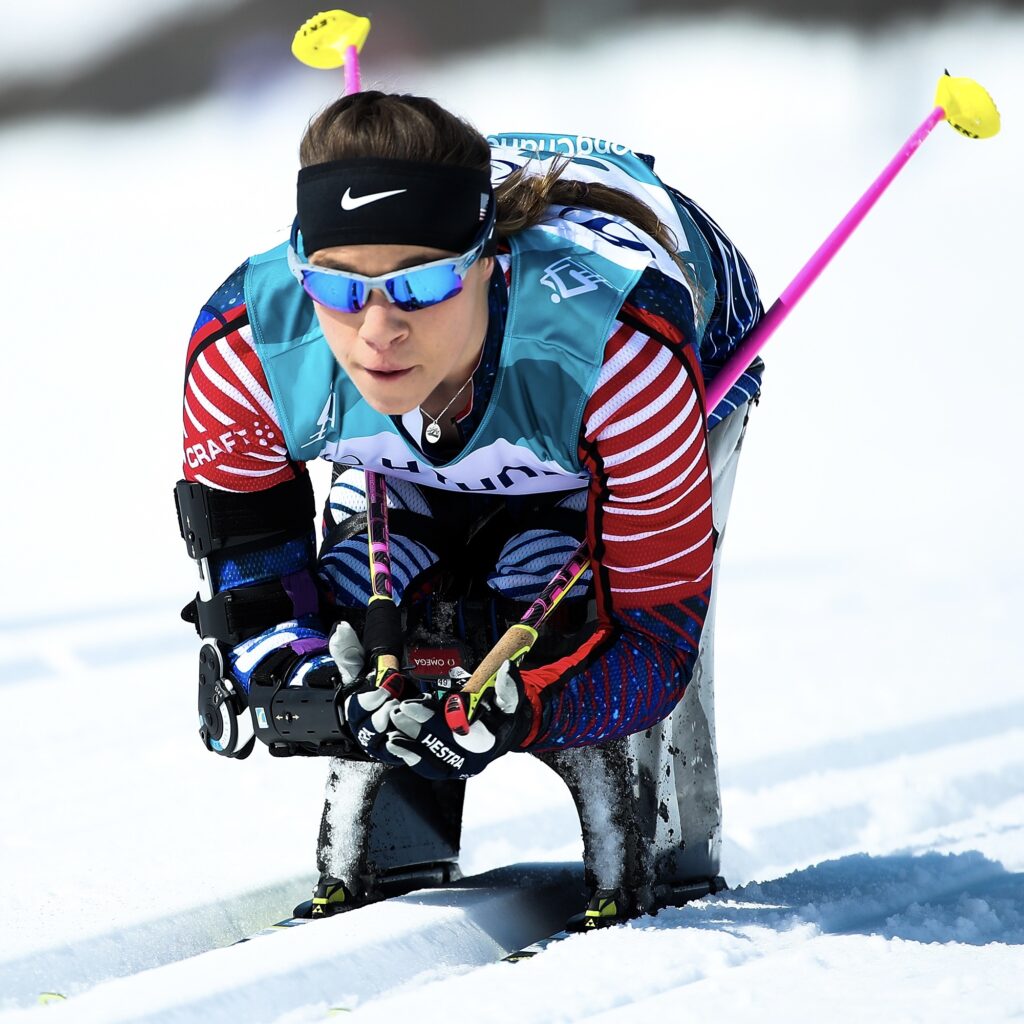
Oksana Masters Went From Chernobyl to the Paralympic Podium
Oksana Masters sustained a handful of permanent birth defects as a result of the Chernobyl nuclear disaster. But that didn’t stop her from becoming a powerful athlete.
Air Date: October 9, 2026 2:00 pm
Listen 53:24
6 Burning Questions We Have About the Phillies
John Stolnis, Justin Klugh and Liz Roscher discuss what the Phils need to do this off-season.
Air Date: October 5, 2026
Listen 01:12:42
The Philadelphia Phillies 2026 Season Ends at the Hands of the Braves
The Phillies were eliminated from the postseason in the NL Wild Card round.
Air Date: October 2, 2026
Listen 01:03:24