




The Science of Eating: What We Get Wrong About Diet and Nutrition
We explore what’s on your plate, find out why it matters — and try to make sense of conflicting nutrition advice.
Listen 49:18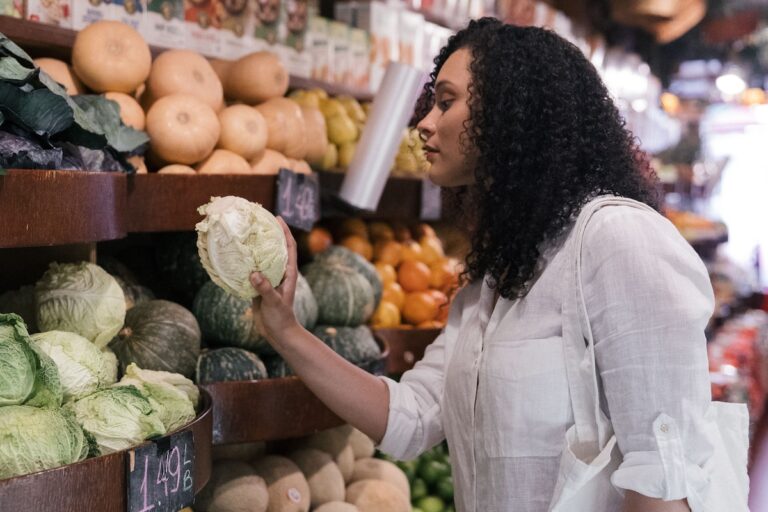
(Mike Jones/Pexels)
So many of us want to do “the right thing” when it comes to nutrition. We watch our calories, try to steer clear of too many fatty or ultra-processed foods, or limit our sugar intake. But in reality, eating healthy is hard — like when you’re out for breakfast, and realize you just blew through your entire calorie budget for the day, and had more added sugar than you’re supposed to in a week. At the grocery store, we can choose from thousands of different items, leaving us wondering what we should buy, cook, and eat.
On this episode, what to eat, what not to eat — and how to not drive ourselves crazy in the process of deciding. We hear what two teenagers learned from tracking how much added sugar they had in a week, find out what serving healthy and fresh school lunches really entails, and talk with paleoanthropologist Daniel Lieberman about why choosing what to eat is so hard from an evolutionary perspective, what popular diets like raw food, Paleo, and high-protein get wrong, and how to approach healthy eating.
SHOW NOTES
- We all know we’re supposed to limit our sugar intake — but tracking how much we’re actually eating can be hard, especially given how many products, ranging from pasta sauce to salad dressing, contain added sugars. We talk with recent high school grads Joe Faranda and Jay Lopez about what they discovered after tracking their sugar intake for a week. Also: The two document their experience along with student Arad Ginez.
- It’s a question we ask ourselves every day, multiple times a day: What should I eat? The answer has gotten increasingly complicated over the years, as our food options have ballooned, and dietary advice shifts. We talk with evolutionary biologist Daniel Lieberman about why humans are poorly adapted to decide what to eat, how our diets — and the way we think about them — have changed, and why nutrition labels don’t give the full story. Lieberman’s new book is “Fed Up: What Evolution Reveals About Food, Diet, Health and Eating Well.”
- Growing research on the negative health effects of ultra-processed foods has led to a call for healthier school lunches — but what does that really mean, and what would it require? Reporter Megan Myscofski visits a California school district that provides nutritious, locally sourced meals that are often made from scratch — and finds out why similar efforts are out of reach for many districts.
WHYY is your source for fact-based, in-depth journalism and information. As a nonprofit organization, we rely on financial support from readers like you. Please give today.
Brought to you by The Pulse
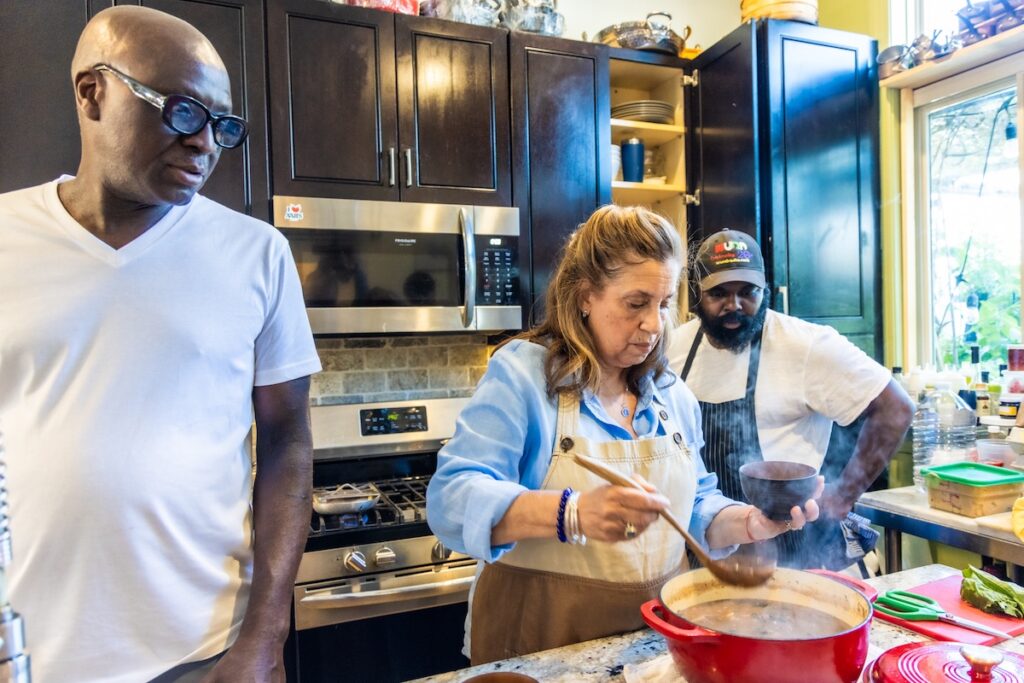
‘Pepper pot soup slam’: 3 chefs reimagine one of the first American street foods
Pepper pot soup was known as a survival meal during the American Revolutionary War, but the stew's African and Caribbean roots are often overlooked.
4 months ago
Listen 15:36
At Penn’s DumoLab, researchers work to solve multiple problems: how to keep food waste out of landfills, make healthier building materials and tackle climate change.
5 months ago
Listen 6:37
So Many Cravings, So Few Rewards: Understanding How Dopamine Works
A discussion with NPR’s Michaeleen Doucleff about dopamine, and escaping the vicious cycle of chasing pleasure.
Air Date: April 16, 2026
Listen 49:34