


Big Fix: Money in Politics
We discuss how dark money shapes policy, how to curb pay-to-play corruption, and how to limit the influence of billionaire donors.
Listen 51:10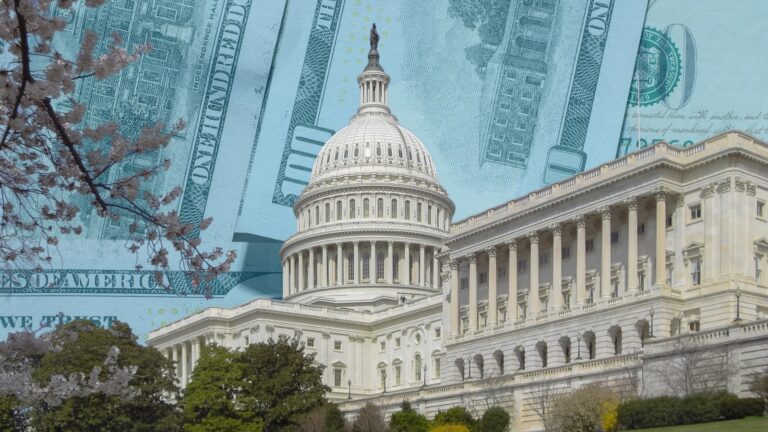
(Image compilation: Giorgio Trovato and Diego Delso)
The midterm elections are on track to be the most expensive in history, with a projected $11.6 billion in advertising spending, surpassing the $11.2 billion spent during the 2024 presidential race. With control of Congress at stake and new industries like AI, crypto, and online gambling pouring record amounts of cash into campaigns, renewed concern over the influence of money in our politics is growing.
Recent polls by Politico and the Brennan Center show that a majority of Americans, across party lines, believe there is too much money in our elections, that it’s corrupting, that billionaires and special interest groups wield too much power, and that stricter regulations are needed.
On this month’s Big Fix episode, we’ll tackle the impact of money on our politics and democracy. We’ll discuss how dark money shapes policy, how to curb pay-to-play corruption, and how to limit the influence of billionaire donors. We’ll also examine the harm it does to ordinary voters, who are left feeling sidelined, and if there are ways to level the playing field. Plus, we’ll ask if spending matters as much as we think. Our three experts each bring concrete solutions for reforming campaign finance and rebuilding public trust in the political system.
Guests:
- Robin Kolodny, professor of political science at Temple University
- David Keating, president of the Institute for Free Speech
- Daniel Weiner, senior director of the Elections and Government Program at Brennan Center for Justice
WHYY is your source for fact-based, in-depth journalism and information. As a nonprofit organization, we rely on financial support from readers like you. Please give today.
Brought to you by Studio 2
Part of the series
The Big Fix
A monthly series from Studio 2 exploring solutions to some of the country’s thorniest issues
City roundup: school closures, Uber tax, ICE bills
We're diving into the top local news stories impacting Philadelphians.
Air Date: May 5, 2026 1:00 pm
Listen 51:40
David Cay Johnston on Trump’s conflicts of interest
Guests: David Cay Johnston Investigative journalist DAVID CAY JOH ...
Air Date: February 15, 2018
Listen 49:29
Korean Peninsula primer / Dow Jones update
Guests: Mark Zandi, Frank Plantan All eyes will be on the Korean Peninsula beginning Friday, a ...
Air Date: February 7, 2018
Listen 49:29