



Adult ADHD: Why You Know What to Do But Can’t Do It
A look at attention deficit hyperactivity disorder in adults — how to spot it, how to treat it, and how to function with it.
Listen 49:34
(Feodora/Bigstock)
For years, ADHD was mainly viewed as a childhood disorder — something that could cause significant struggles, but would eventually fade with adulthood. Researchers now recognize ADHD as a lifelong neurodevelopmental condition that can affect all areas of people’s lives. It doesn’t magically disappear with age — but it does look different in adults.
On this episode, we explore ADHD in adults — how to spot it, how to treat it, and how to function with it. We talk with a leading psychologist in the field about what’s behind the often frustrating symptoms of adult ADHD and what successful treatment can look like. We hear what it’s like to receive a diagnosis late in life. And we find out why people with ADHD are often very sensitive and struggle with feedback.
SHOW NOTES
- People with ADHD often struggle with task initiation — especially when it comes to tasks that they find boring, complicated, or aversive. Pulse reporter Liz Tung offers a day-in-the-life glimpse at what it’s like trying to start one of these tasks … and what she ended up doing instead.
- We talk with psychologist Russell Ramsay, the co-founder and former co-director of the University of Pennsylvania’s Adult ADHD Treatment and Research Program, about why ADHD in adults has been neglected for so long, and the many parts of people’s lives it affects — from work, to relationships, to their own self-perception. He also discusses what’s behind time blindness, why people with ADHD struggle with long deadlines but excel at short ones, and what’s going on in the brain that causes these behaviors.
- For a lot of adults with ADHD, finally receiving a diagnosis can be a relief — something that explains and reframes a lifetime of struggle. But it can also be destabilizing, especially when the diagnosis comes later in life. Pulse reporter Alan Yu tells the story of how one older woman’s diagnosis transformed her life, her understanding of herself, and her relationship with her daughter.
- For years, psychiatrist Sasha Hamdani thought she was just sensitive — she would cry at the drop of a hat and spiral when she’d made a mistake. It wasn’t until years later that she encountered a name for what she was experiencing: Rejection Sensitivity Dysphoria, or RSD — a powerful emotional reaction, common in people with ADHD, to perceived criticism or rejection. Hamdani discusses how RSD shaped her professional life, the proposed brain mechanism behind it, and techniques for dealing with it. Her book is “Too Sensitive: Rejection, Resilience, and the Science of Feeling Deeply.”
Segments from this episode
WHYY is your source for fact-based, in-depth journalism and information. As a nonprofit organization, we rely on financial support from readers like you. Please give today.
Brought to you by The Pulse

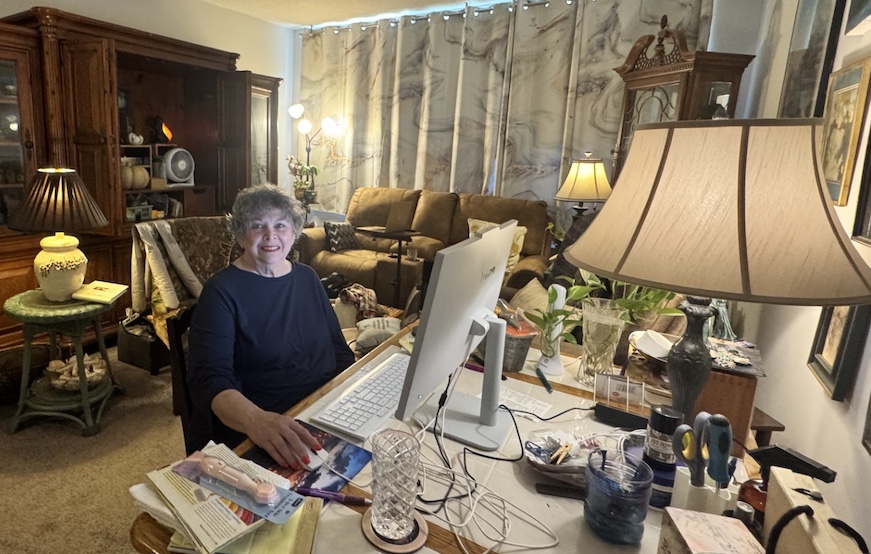
As more seniors get diagnosed with ADHD, it often comes with regret — but also relief
ADHD in older adults can often go unnoticed and symptoms can appear similar to signs of aging, memory problems, or dementia.
4 weeks ago
Listen 9:05
Autism, neurodivergence and our diagnosis culture
The term "neurodivergent" has emerged as a popular buzzword often featured in social media bios. But what does it really mean? How does it relate to formal diagnoses?
Air Date: January 29, 2025 12:00 pm
Listen 51:12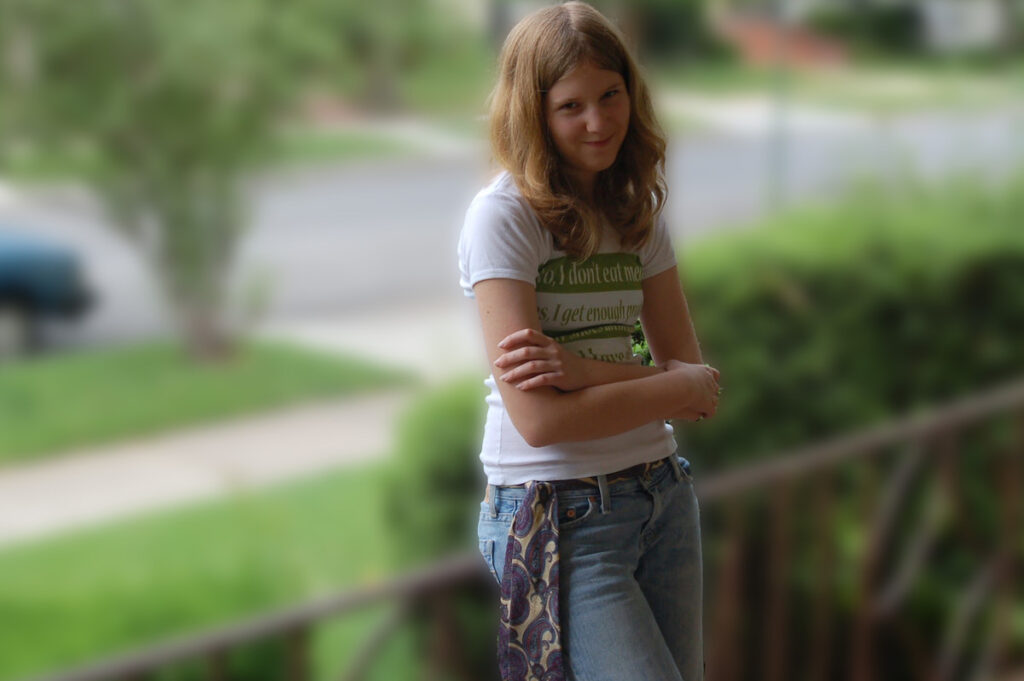
For those with sensory issues, ‘fitting in’ at school can be a huge challenge
Growing up in the early 2000s, Rebecca Kaplan faced challenges fitting in due to autism-related sensory issues — but on a whim, she hoped buying a pair of jeans would help.
2 years ago
Listen 10:20