

EPA announces new plan to clean up arsenic contamination at Vineland chemical site
The Vineland Chemical Company produced arsenic-based herbicides and fungicides for 45 years, causing widespread contamination.
Listen 0:53
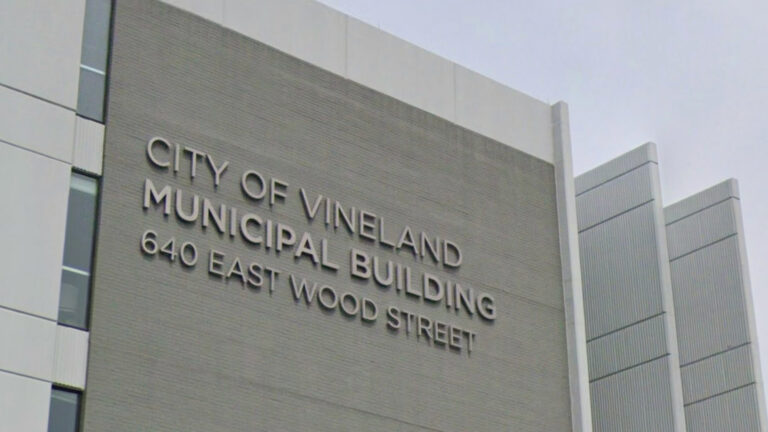
File - The municipal building for the city of Vineland, N.J. (Google Maps)
This story is part of the WHYY News Climate Desk, bringing you news and solutions for our changing region.
From the Poconos to the Jersey Shore to the mouth of the Delaware Bay, what do you want to know about climate change? What would you like us to cover? Get in touch.
The U.S. Environmental Protection Agency has finalized a new plan to clean up arsenic contamination at the site of a former chemical company in Vineland, New Jersey.
The Vineland Chemical Company produced arsenic-based herbicides and fungicides between 1949 and 1994. The company improperly stored arsenic salts in open piles, lagoons and chicken coops, causing widespread contamination in the area, according to the EPA.
The contamination continues to impact groundwater, sediment and nearby floodplain areas. The EPA said the cleanup efforts will address arsenic in the soil beneath the groundwater table.
“Finalizing this cleanup plan marks a critical step in addressing a vexing and persistent source of arsenic contamination at the Vineland Chemical site,” said Michael Martucci, EPA regional administrator, in a statement. “Arsenic-contaminated soil beneath the groundwater table continues to affect groundwater, sediment, and nearby floodplain areas. EPA’s plan directly targets that remaining source, builds on decades of cleanup progress, and will help protect human health and the environment for years to come.”
Related Content
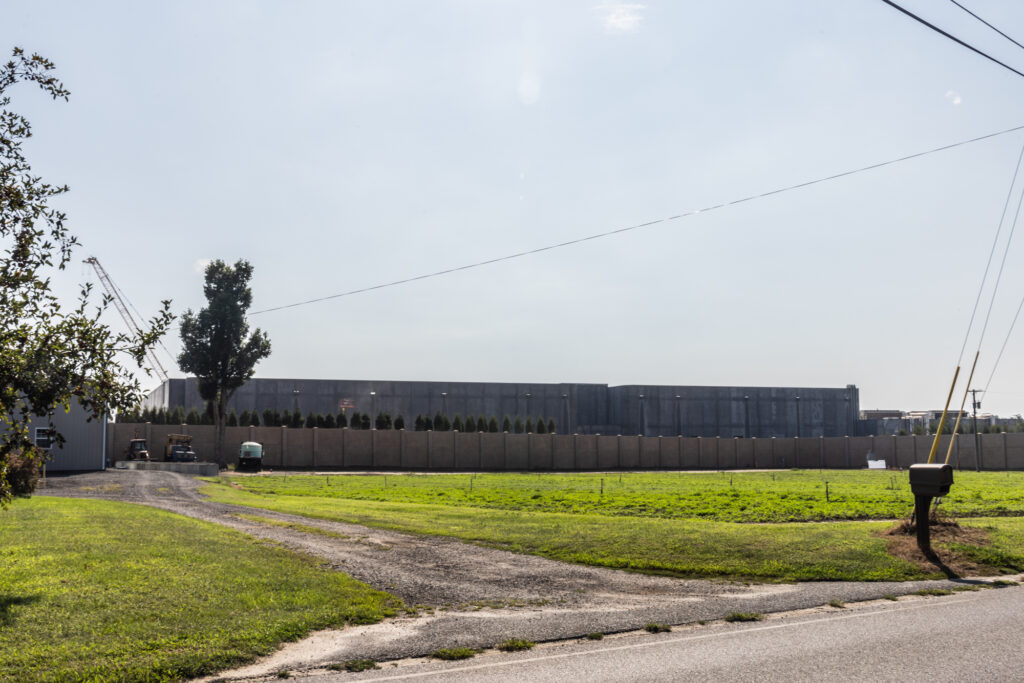
Vineland residents have pushed back against the data center, citing noise and air pollution.
2 months ago
Listen 1:00Arsenic is linked to serious health problems, including some cancers. The EPA added the site to the federal Superfund National Priorities List in 1984, and has been leading cleanup efforts in the area since the early ‘90s, spending more than $200 million. Under the federal Superfund law, New Jersey supports those cleanup efforts by sharing 10% of the cost. The EPA also secured settlements with several responsible parties for more than $3 million to help pay for the cleanup.
Drinking water in the area is regularly tested to ensure it meets state and federal standards. The EPA has worked with New Jersey regulators to restrict well installation and other groundwater uses in the area.
The new remediation plan involves treating underground areas and pumping air into the ground to stabilize contamination. Iron-based materials will be injected into the ground to prevent arsenic from traveling, and a horizontal hydraulic barrier will be installed underground to stop arsenic from accumulating in floodplain soil and sediment.
The EPA said it will also restore wetland areas that could be impacted by the cleanup efforts. The agency said it will monitor the cleanup process to ensure the plan is effective, as well as continue to evaluate the site after the remediation initiative is complete.

Get daily updates from WHYY News!
WHYY is your source for fact-based, in-depth journalism and information. As a nonprofit organization, we rely on financial support from readers like you. Please give today.
Part of the series
State and federal environmental officials say air monitoring has “not detected elevated levels” of toxic pollutants after a pipeline was hit last week.
4 days ago
Listen 1:09
Philadelphia releases toolkit to help neighbors talk about climate change
The digital toolkit is meant to help residents get to know each other and prepare their neighborhoods for extreme heat, flooding and more.
2 weeks ago
Listen 0:58
Gov. Shapiro signs law requiring home sellers to disclose more about a home’s flood risk
Sellers will now be required to reveal whether a home has flooded and whether they’ve filed a flood insurance claim.
3 weeks ago
Listen 0:58