

Schuylkill Center completes $1 million project to curb flooding, erosion
The restoration uses the natural landscape to manage stormwater runoff and protect wildlife habitat in North Philadelphia.
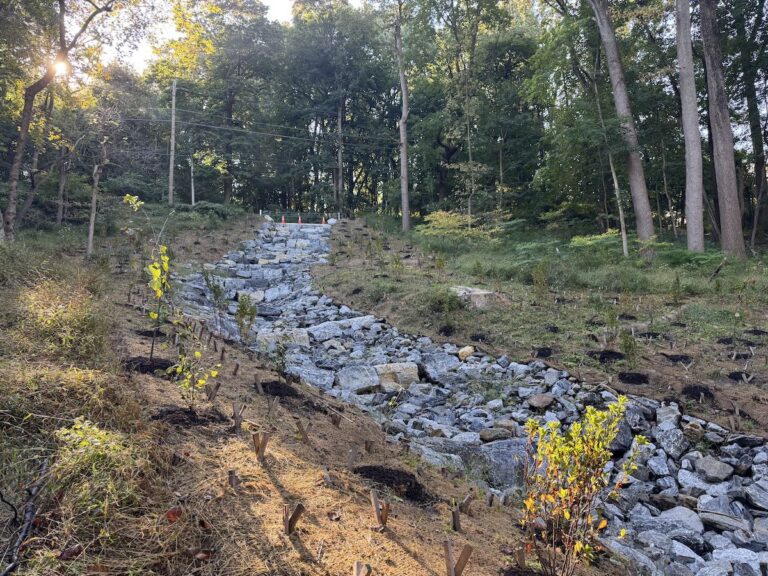
The completed water conveyance channel for the Port Royal Gully Stabilization Project, which will reduce flooding and erosion. (Courtesy of Jared Mummert and Terracon)
From Philly and the Pa. suburbs to South Jersey and Delaware, what would you like WHYY News to cover? Let us know!
When Stephen Goin started working at the Schuylkill Center 12 years ago, he noticed a particular tree standing healthy and tall. Five years later, the tree’s root system started to become more exposed. Eventually, Goin watched the tree wash downhill.
This tree was one casualty of years of stormwater erosion that damaged the Schuylkill Center’s landscape between Port Royal Avenue and Wind Dance Pond. In March 2026, after years of fundraising and planning, the center broke ground on the Port Royal Gully Stabilization Project to address the damage. The project will celebrate its completion Saturday.
“I have some friends and neighbors who have known me for a little while and they’re like, ‘Geez, Steve, you’re really smiling here,’” Goin said. “It’s because I’m just so happy to finally address this long-standing environmental issue.”
The project cost $1 million and is the largest land development project ever undertaken by the Schuylkill Center.
During heavy rainfall, stormwater rushed down Port Royal Avenue and pooled at a low point in the road with no drainage, often making travel difficult for residents. From there, it flowed downhill through the woods toward Wind Dance Pond.
“It would flow down the road and gather strength and momentum,” Goin said. “Rain would manifest into a stream that would become a raging stream of storm water that could move boulders and logs. It was surprising to me how much power was behind it.”
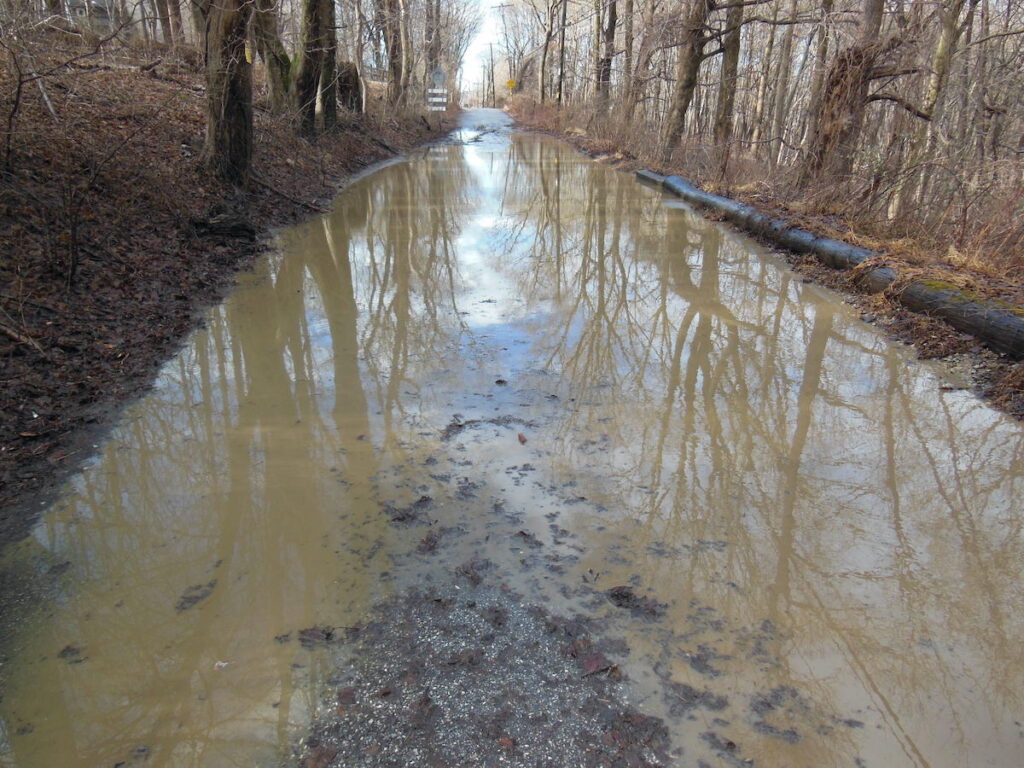
Over time, the water carved three separate gullies into the landscape, carrying sediment and debris with it. Trees usually act as a natural barrier to flooding, but the continuous flow of water began to erode away at roots and foundations. If the flooding continued unmitigated, Wind Dance Pond, the largest pond on the Schuylkill Center’s property, would eventually have been filled in by sediment. Many species of fish and waterfowl would have lost their habitat.
In total, about 1 acre of land was affected by the soil erosion.
Related Content
Help WHYY News tell the stories that matter across Philly, its suburbs, South Jersey and Delaware
You put the “public” in public media. Our newsroom wants to know what stories aren’t being told, plus what kind of coverage is most useful in your everyday life.
2 months ago
Engineering a natural solution
The project created an engineered channel that directs stormwater downhill without further eroding the landscape. The design was developed through a collaboration among the Schuylkill Center, Terracon, Philadelphia Water Department, Flyway Excavating and the Hinge Collective.
Jared Mummert, Terracon’s design engineer for the project, said engineers reinforced the gullies that had been carved by stormwater and created a new, rock-lined channel to carry runoff to the foot of the site. Because it is so steep, the new channel is stepped to diminish the water’s energy on the way down.
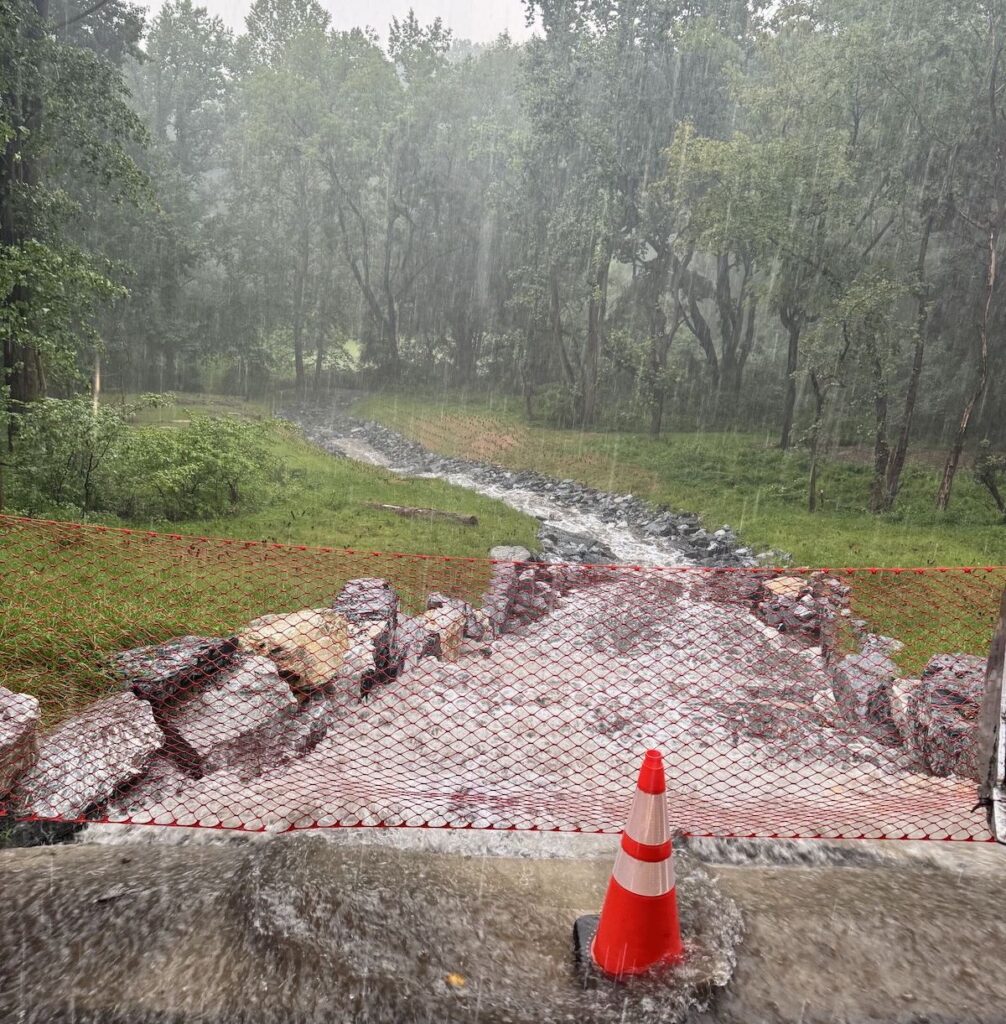
The channel also mitigates flooding along Port Royal Avenue by providing drainage at the low point in the roadway.
It took more than two years to plan, design and gain regulatory compliance. Researchers at the Schuylkill Center, alongside engineers from Terracon, considered a variety of designs, with the final design completed in the fall of 2025.
Before construction could begin, a team from Flyway Excavating cleared the site and installed control measures to ensure sediment would not leave the site during the construction process.
Goin said sustainability was a major consideration. They initially considered building a culvert but decided to pursue a more natural solution. The final design uses natural stone, biodegradable materials, existing soil and native vegetation so that the infrastructure integrates into the surrounding landscape.
To celebrate the project’s completion, the Schuylkill Center is hosting a tree-planting event Saturday. As part of the stabilization project, the center planted 800 trees and shrubs to restore the habitat and protect against any future flooding or erosion.
“So many people came together to make it happen and I just really appreciate that,” Goin said. “All the visitors that come to bird watch, enjoy the pond or just go for a nice hike and enjoy the natural scenery–they’re going to have a better experience because this is in place.”

Get daily updates from WHYY News!
WHYY is your source for fact-based, in-depth journalism and information. As a nonprofit organization, we rely on financial support from readers like you. Please give today.
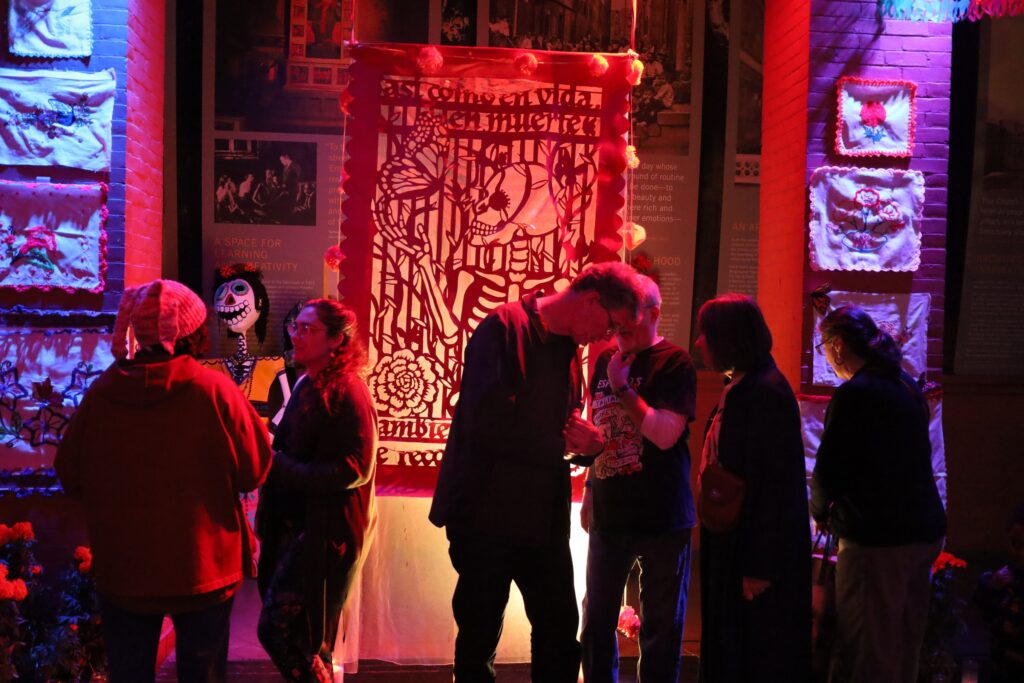
Philadelphia celebrates Día de los Muertos with thousands joining in procession
Thousands gathered in South Philadelphia for the traditional Mexican holiday that celebrates culture and ancestry.
5 days ago
Listen 1:25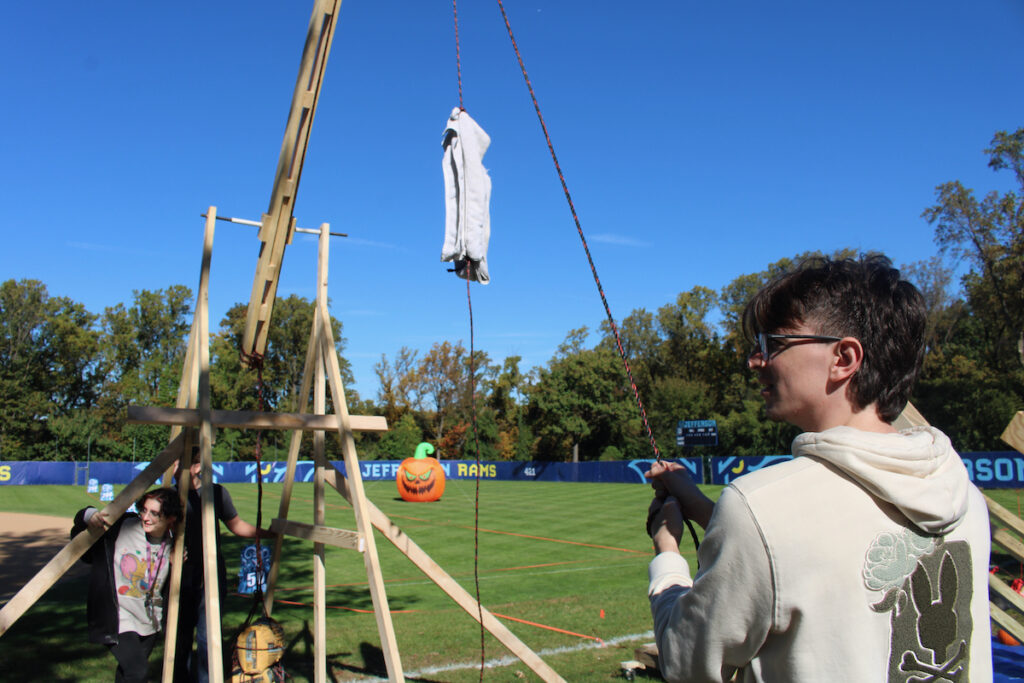
Seven teams of architecture, design and engineering students built wooden contraptions to see who could launch a 5-pound gourd the farthest.
2 weeks ago
Listen 1:10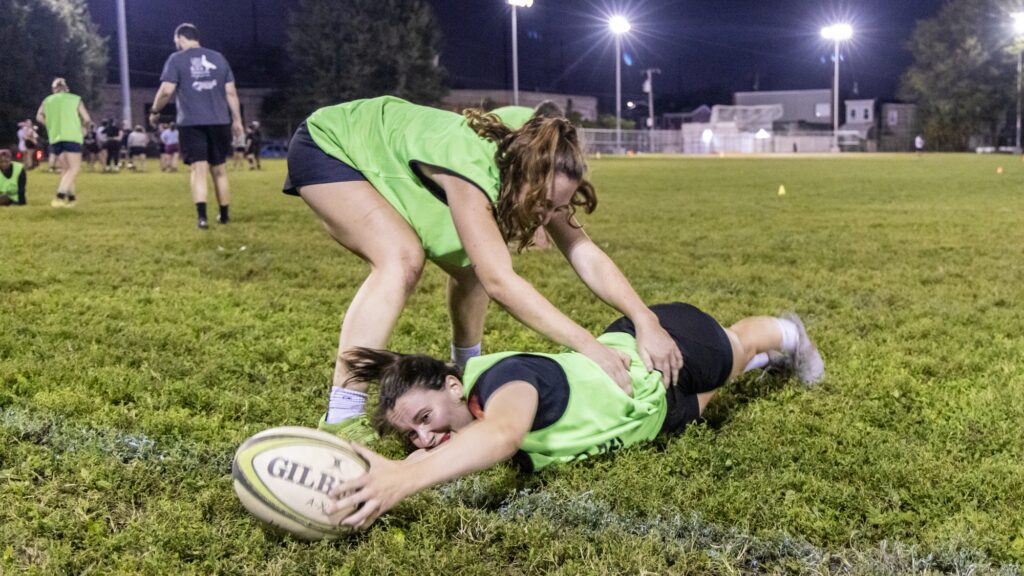
Want to make friends in Philly? These rugby players suggest a good tackle
From the city to pockets of Delco, rugby devotees have endured broken bones, torn ACLs and more than a few bruises. But to them, “all is good in the world.”
2 weeks ago
Listen 4:31