

Philly judge dismisses federal lawsuit against recently passed renter protections
Friday’s ruling comes two days before the legislation takes effect. The landlords behind the suit say they will keep fighting.
Listen 1:09
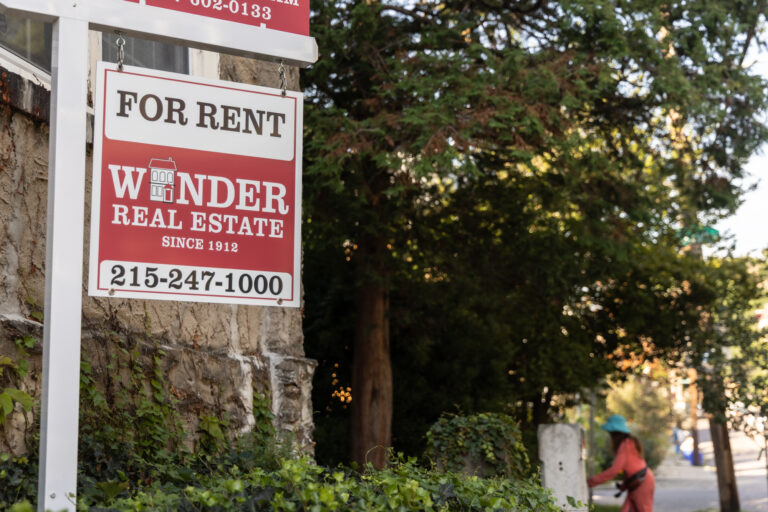
Apartments for rent in Philadelphia’s Germantown neighborhood. (Kimberly Paynter/WHYY)
Have a question about Philly’s neighborhoods or the systems that shape them? PlanPhilly reporters want to hear from you! Ask us a question or send us a story idea you think we should cover.
A federal judge has ended a lawsuit aimed at invalidating renter protections that Philadelphia City Council passed earlier this year.
In a 23-page opinion released Friday, U.S. District Judge Wendy Beetlestone said she dismissed the constitutional challenge because the complaint’s allegations were not supported by facts that raised them “above the level of mere speculation.”
She also wrote that the new laws serve “legitimate state interests,” including protecting public health, reducing displacement and promoting housing stability.
“By introducing stronger licensing requirements, protecting tenants from retaliation for reporting housing code violations or participating in tenant organizing, and requiring evictions only for good cause, the bills rationally serve legitimate state interests,” Beetlestone said.
The opinion was entered without prejudice, meaning the two landlords who filed the suit can amend their complaint and renew the lawsuit.
Beetlestone’s ruling came two days before the laws were set to take effect, handing another victory to the fair housing advocates who fought for them.
“This lawsuit was always a desperate attempt by the landlords to stop laws that they oppose. They didn’t have the votes against the bills in City Council, so they turned to the courts, threw everything against the wall, and hoped that something would stick,” said Madison Gray, staff attorney at the Public Interest Law Center, in a statement.
“The court rightly recognized that Philadelphia has the right to protect renters,” she said.
Filed in March, the lawsuit argues that the legislation is unconstitutional because it violates “fundamental property rights” spelled out in the Fifth and 14th Amendments, including the “right to exclude and the right to control the use of the property,” according to the complaint.
The suit also maintains that the legislation disproportionately “burdens” independent landlords in Philadelphia, who are “least able to absorb financial shocks and are most likely to reduce investment or exit the market under increased regulatory pressure.”
According to the complaint, that will shrink the city’s already limited supply of affordable housing, hurting those small businesses and the population the laws are intended to help.
For these reasons and others, Seth Floyd, one of the landlords who filed the suit, said Friday that he intends to keep fighting the legislation.
“We don’t have a choice. We’re gonna fight as long as we can. The problem isn’t gonna go away. We’re just seeing the tip of the iceberg for what it’s going to look like,” Floyd said after Friday’s hearing.
Related Content
Philly renters just secured new protections from landlord retaliation. A lawsuit could undo them
Fair housing advocates say the City Council measures will make it safer for tenants to speak up about dangerous living conditions. But a federal lawsuit looms.
7 months ago
Listen 1:19What’s in the legislation?
Floyd’s complaint targeted two laws included in the Safe Healthy Homes Act, a legislative package crafted in partnership with tenant organizers to strengthen renter protections and reduce instances of landlord retaliation against tenants.
The legislation expands “good cause” protections to all renters in Philadelphia. That means regardless of the term of a tenant’s lease, landlords must state in writing the legally defined reason why they want to terminate or not renew a lease.
Currently, that “good cause” restriction applies only to month-to-month leases and leases that run for less than a year.
Advocates say the exemption has provided a loophole for unscrupulous landlords, enabling them to effectively evict tenants with longer leases without having to justify their decision or even give renters advance notice. Legal experts say that has made it difficult for renters to dispute their landlord’s decision if they suspect the eviction is retaliatory and want to file a complaint with the city.
“It’s not necessarily a hard and fast rule, but it makes it really hard to challenge it when you’re kind of fighting against silence,” Gray said in February.
Separately, the legislation expressly bars landlords from ending or modifying a tenant’s lease because that tenant is cooperating with a city investigation, has discussed their living conditions with a council member or reporter, or has joined a tenant association.
While tenants have always had the right to organize, that right was not spelled out in the law. Advocates say the change will help empower more renters to form new tenant associations to protect their rights.
Additionally, the legislation clarifies that tenants have the right to sue for back rent if their landlord has illegally collected payment. Under city law, landlords must have an active rental license and a certificate of rental suitability to collect rent.
Landlords, however, will not be penalized if they lack those documents because of administrative delays from the city, including the Department of Licenses and Inspections.
Opponents argue they are still at risk of losing thousands they cannot afford to, a claim tenant organizers have brushed off.
“The biggest economic impact for landlords or property owners is if you’re not following those laws,” said Melissa Monts, a member of OnePA Renters United after Friday’s hearing. “But as long as you’re on board with what you’re supposed to be doing, there’s no major issues there.”

Subscribe to PlanPhilly
WHYY is your source for fact-based, in-depth journalism and information. As a nonprofit organization, we rely on financial support from readers like you. Please give today.
Brought to you by PlanPhilly

PlanPhilly
In-depth, original reporting on housing, transportation, and development.
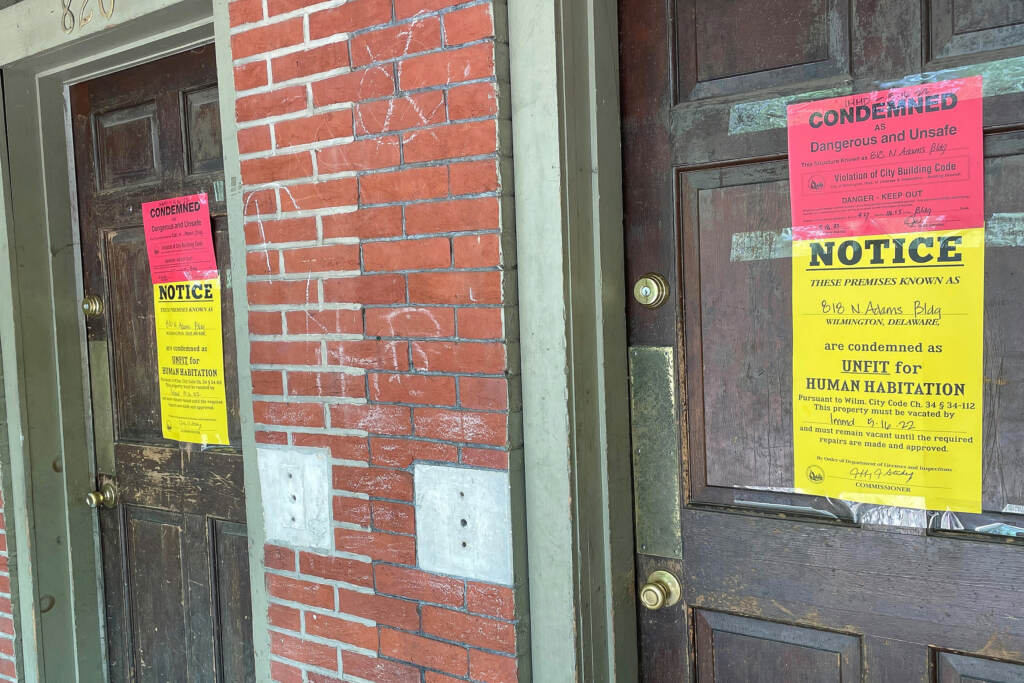
A Wilmington landlord will pay $150,000 to tenants who suffered from a 2022 wall collapse after he repeatedly ignored essential repairs.
2 years ago
Listen 1:54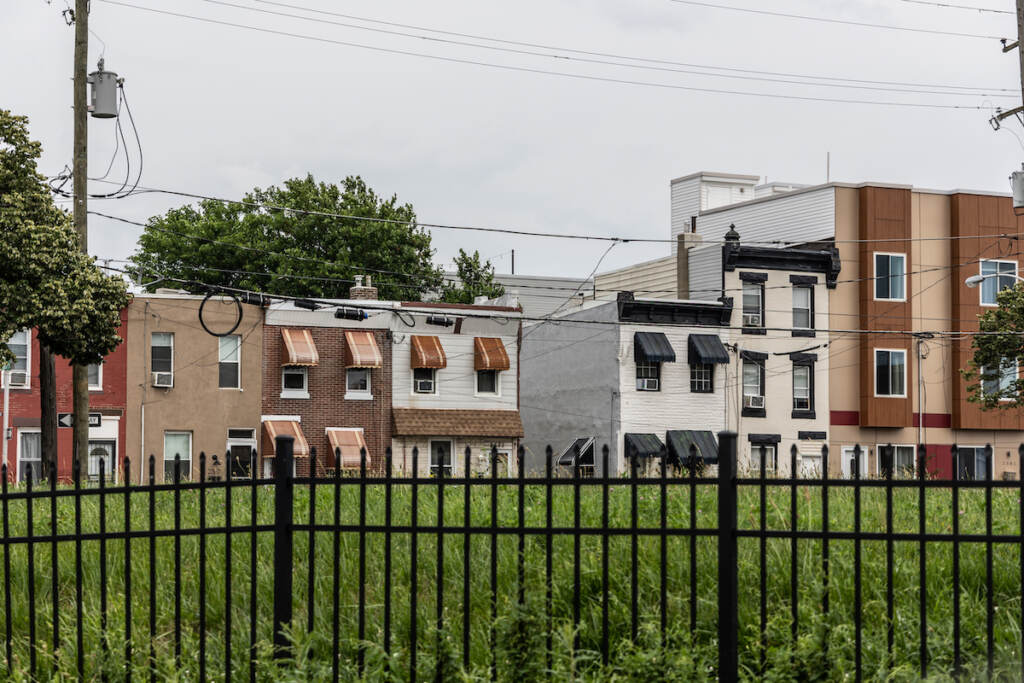
Philly’s controversial for-profit eviction system could shut down in the coming weeks
The Landlord and Tenant Office may not have the insurance it needs to continue operating.
2 years ago
Listen 0:58
Philly eviction contractors may need licenses to perform lockouts
These private security hires currently do not need any special training to work.
3 years ago
Listen 1:12