Philly’s economy partly depends on international students. New federal rules could have a ‘huge chilling effect’
In 2025, international student enrollment declined for the first time in years, leading to an estimated $50 million loss for Pennsylvania.
Listen 1:50
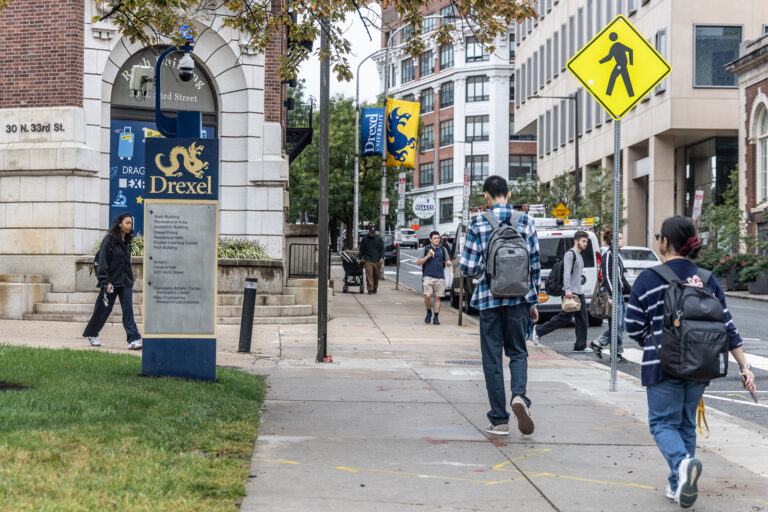
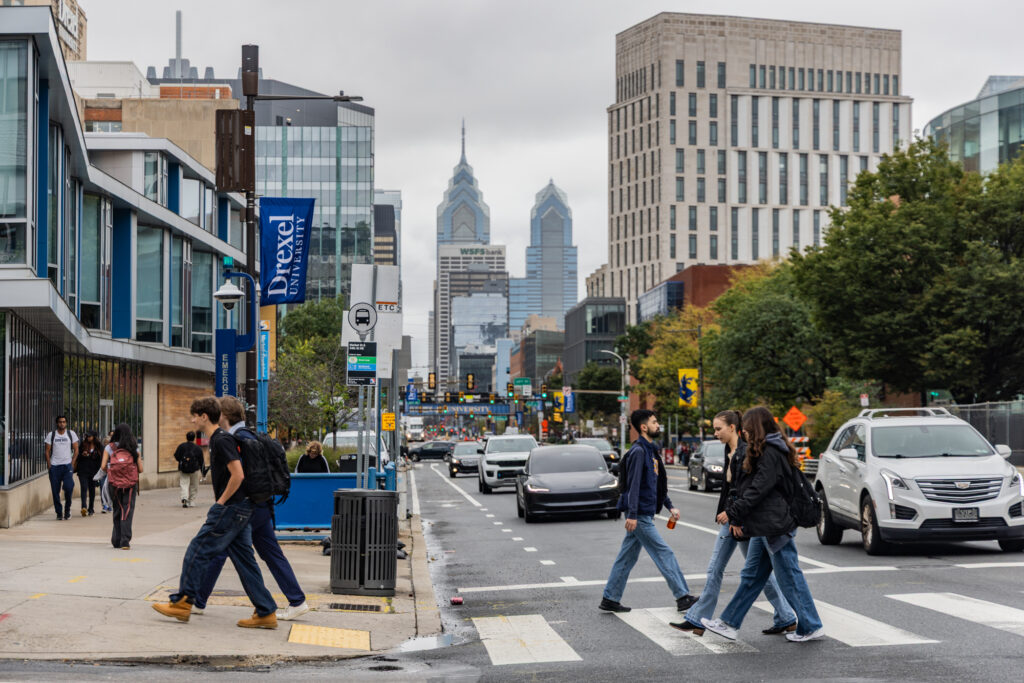
Students shuffle between classes on Drexel University’s campus in Philadelphia. (Kimberly Paynter/WHYY)
From Philly and the Pa. suburbs to South Jersey and Delaware, what would you like WHYY News to cover? Let us know!
Philadelphia region university leaders and nonprofits that work with international students warn that new restrictive immigration policies could discourage future students from coming to the U.S. That could mean an economic hit to Philadelphia and Pennsylvania.
In the past, international students in the U.S. could stay as long as they needed to finish their studies and they remained actively enrolled in a university or college. However, two months ago, the Department of Homeland Security changed the rules so that students can only stay up to four years and need to apply for extensions to stay longer. The department said the new rule is necessary because of “rampant visa abuse.” This is despite the fact that many programs, such as doctoral programs, routinely take more than four years to complete.
The future of this rule is uncertain, as a federal judge blocked it in mid-September, a day before it was scheduled to take effect.
International students are confused and dismayed by this new rule, said Bill Keyes, executive director of International House Philadelphia, a nonprofit that welcomes international students to the city.
“The first impression is one of hurt and confusion because what the decision signals is a deep distrust in this population and the higher eds that oversee this population in the U.S.,” he said.
He pointed out that the existing system already requires schools to regularly report to the federal government about their international students.
“International students and scholars, before even the first Trump administration, were already the most monitored and vetted classes of nonimmigrants in our whole alphabet soup of immigration statuses,” Keyes said.
‘A cloud of unpredictability and instability’
The University of Pennsylvania has already lost students because of the new rule, according to a declaration the school filed to a federal court in a case challenging the Trump administration.
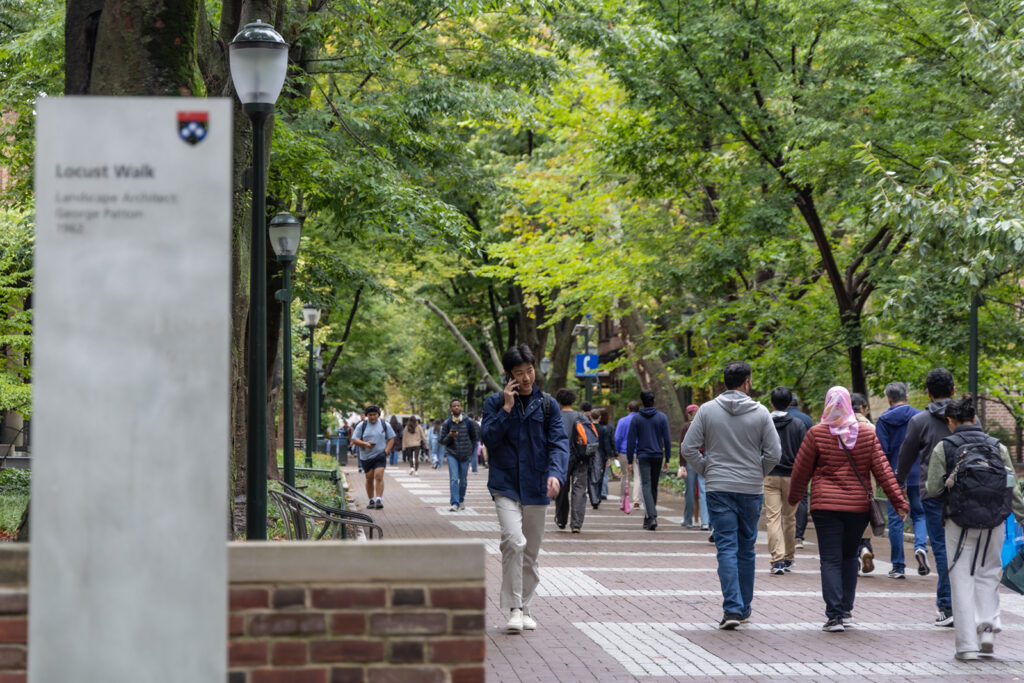
Penn reported that in a master’s program, several dozen students withdrew from the incoming class this summer, citing concerns about visas and their ability to travel freely. The school also said their staff would have to track students more closely to comply with the new rules, and it would cost them as much as $1 million.
It’s an unusually challenging time for international students, said Amy Gadsden, associate vice provost for global affairs at Penn.
“There’s still a lot of enthusiasm and excitement among our international students for being at Penn. But there is a cloud of unpredictability and instability around visa policy and how that will impact students in the course of their education,” she said.
Overall international student enrollment in the U.S. has increased in recent years, but declined for the first time in 2025, according to data from NAFSA: Association of International Educators, a nonprofit organization for international education. The organization estimates this led to economic losses in every state, including more than $50 million in Pennsylvania.
Related Content
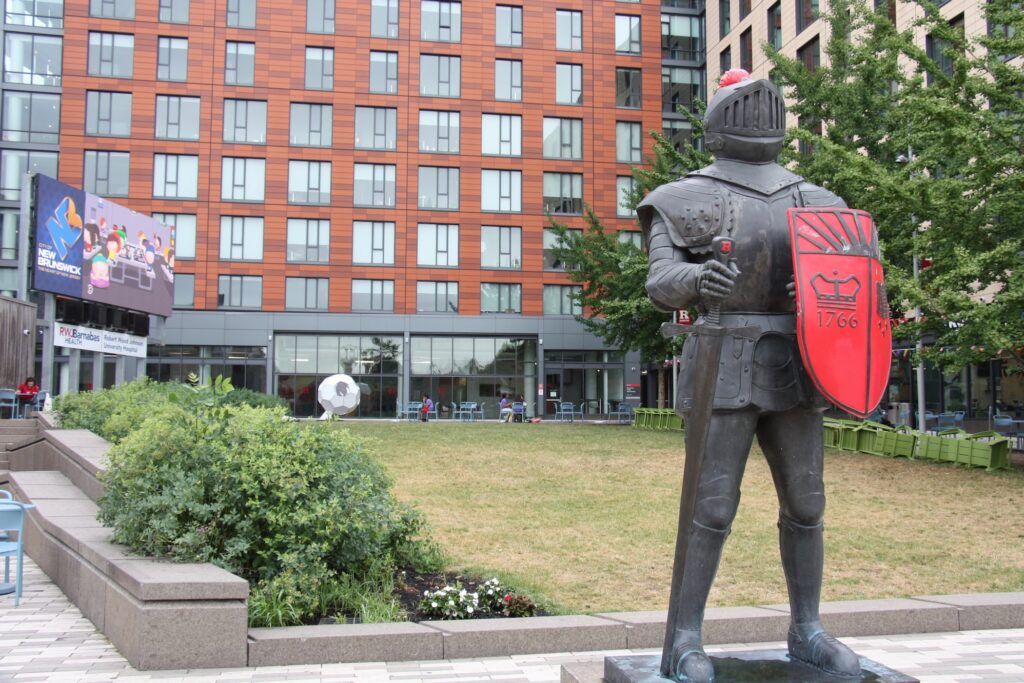
A combination of promotion and recruitment strategies has kept the international student population at universities stable.
4 months ago
Listen 1:04Some schools have bucked the trend. For instance, Bryn Mawr College has increased international student enrollment, said Charity Alinda, director of international student and scholar advising at the school. He credits that to the school’s work to support international students who want to come to study, but added that he has not seen such sweeping and significant changes in immigration policy since the period after the 9/11 terrorist attack.
The Trump administration also made another policy change to make it far more expensive for companies to apply for work visas, which international students need to stay and work in the U.S. in the long term. The administration wants to dramatically increase the cost of the visa to more than $100,000 per application.
Pennsylvania’s international students contribute $2B to economy, report says
Tarec Midani, a Drexel University student from Romania currently pursuing a Master of Business Administration degree, said that he applied to study in the U.S. partly because of the opportunity to stay and get the experience of working for American companies after graduation.
“These sort of rules get you to question whether you want to stay or not in the first place,” Midani said. “It does discourage you, absolutely.”
Taken together, these new rules are going to have a “huge chilling effect” on future international students coming to the U.S., said Jeff Hornstein, executive director of the Economy League of Greater Philadelphia.
A recently published research brief from the Economy League pointed out that Pennsylvania has the sixth-highest number of international students in the U.S., and they contribute more than $2 billion to the economy and support 21,000 jobs.
Hornstein cited more research showing that the foreign-born population in Philadelphia has grown in recent years, that they are more likely to start businesses and families, and that international graduates staying in Philadelphia contributed more than $1 billion to the city in 2024.
“The policies pursued by the current administration seem pretty well designed to destroy the growth that places like Philadelphia, New York and other cities have enjoyed” due to having the greatest universities in the world, Hornstein said.
In a statement, a DHS spokesperson called these concerns “performative outrage,” adding that “if the media really cared about legitimate international students, they would be thanking President [Donald] Trump for cracking down on the rampant fraud to ensure only those truly intending to study in the United States are given the privilege.”
Hornstein warned that even if a different administration were to reverse these policy changes, the damage may have already been done.
“So much trust has been broken,” he said. “It’s difficult to imagine people from China or India or you know, and any of the countries that have been targeted saying, ‘Oh, OK, let’s just have faith that America is going to be a welcoming place once again.’”

Never miss a moment with the WHYY Listen App!


WHYY is your source for fact-based, in-depth journalism and information. As a nonprofit organization, we rely on financial support from readers like you. Please give today.
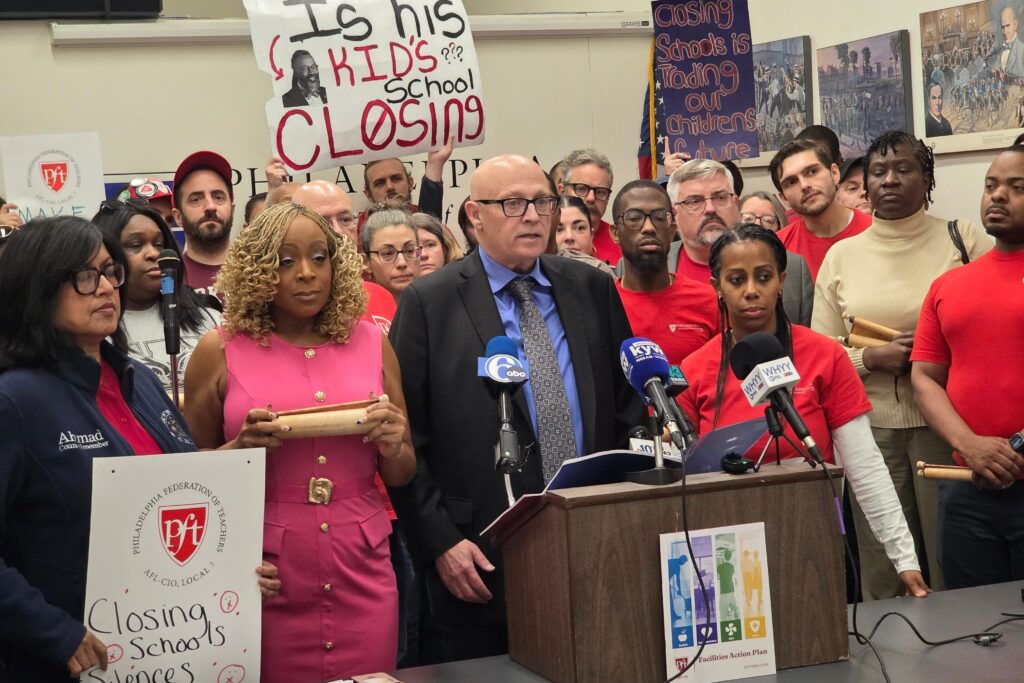
Philadelphia teachers union releases plan to save 17 schools
The Philadelphia Federation of Teachers is calling on Mayor Cherelle Parker to intervene to stop the closures and begin overdue maintenance.
4 days ago
Listen 0:57
Drexel University halts all student events involving alcohol following fraternity suspensions
This comes after Pi Kappa Phi and Lambda Chi Alpha fraternities were placed under interim suspension earlier this week for hazing allegations.
2 weeks ago
Students push back against ‘pause’ of Drexel University’s elementary education major
The university enrolled only seven full-time students this fall, but students and alums say all pathways into teaching must be preserved.
2 weeks ago
Listen 0:59