

Momentum builds among Philly-area doctors, farmers, nonprofits to grow ‘food as medicine’ approach
Coalition members aim to address food waste, access to fresh produce, food supply chain issues, availability of nutrition education and more.
Listen 1:31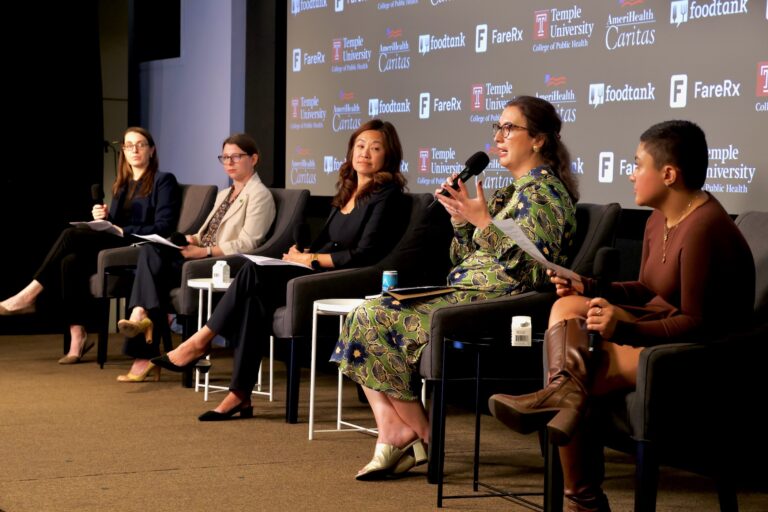
Panelists discuss building a food-is-medicine system during the Food First Health Summit held at WHYY in Philadelphia, Oct. 27, 2026. They are (from left) Lauren Eberly of the University of Pennsylvania and Indian Health Service, Julia Koprak of The Food Trust, Karen Lin of the Lewis Katz School of Medicine at Temple University and Julia Weatherly of Centers for Medicare and Medicaid Services. The panel was moderated by Beatrice Forman of The Philadelphia Inquirer (right). (Emma Lee/WHYY)
From Philly and the Pa. suburbs to South Jersey and Delaware, what would you like WHYY News to cover? Let us know!
The idea sounds simple: Nutritious foods can have a long-term positive impact on health. But many barriers get in the way of eating healthier diets: awareness, access, availability and affordability.
These challenges can drive disparities in who is more at risk of developing diabetes, obesity, heart disease and other costly, and sometimes deadly, chronic diseases.
Experts and leaders just launched the new Philadelphia Food as Medicine Coalition to identify new solutions to make nutritious food more available, tackle food insecurity with the ultimate goal of reducing the incidence of chronic disease.
“We know health outcomes can differ greatly in just a matter of miles and zip codes,” said Jennifer Ibrahim, dean of the College of Public Health at Temple University. “In this city of ‘eds’ and ‘meds,’ we should not see a 20-year difference in lifespan when you’re moving from one zip code to the next.”
The “food as medicine” approach brings together doctors, policy experts, farmers, grocers, nutritionists, food and meal donation nonprofits, and legislators to prioritize food as a preventative treatment tool.
The initiative aims to find new solutions, expand existing programs, and strengthen the coordination of efforts across sectors.
“Through medically tailored meals, nutrition, education and produce prescriptions that aid in the affordability of healthy food, we can all make a difference together,” Ibrahim said Tuesday at the city’s inaugural Food First Health Summit.
Related Content
Health care providers say initiating conversations about weight and nutrition is a key aspect to tackling obesity-related health problems.
3 months ago
Listen 4:45Addressing food insecurity, nutrition education at younger ages
Experts and organizations gathered at the health summit to share new ideas and solutions to expand access to healthy foods in local communities.
Nonprofits like The Food Trust, based in Philly, have been taking a “food as medicine” approach since it opened in the early 90s. More than 1 in 6 city residents are food insecure, meaning they lack access to an adequate amount of healthy and nutritious foods, according to Feeding America.
The trust promotes the sale of fresh, affordable produce at farmers markets, corner stores and supermarkets, and runs a food assistance prescription program, cooking demonstrations and nutrition education throughout the region.
“There have been a lot of efforts to talk about the cross-section of food, nutrition, and health,” said Julia Koprak, director of incentives, health care and policy at the trust. “But every time these folks get together, with each convening of stakeholders, there’s more energy brought to it.”
Through the new coalition, participants hope to leverage the expertise of health systems, agricultural researchers and farmers, and local organizations to scale up food as medicine initiatives and reach kids and families before they develop diet-related chronic diseases.
“If you can start early with families, pregnant and postpartum [women], young children, giving resources to buy fruits and vegetables and have a better diet early on, you’re going to see those outcomes that are much better than what we’re seeing right now in this generation,” Koprak said.
-
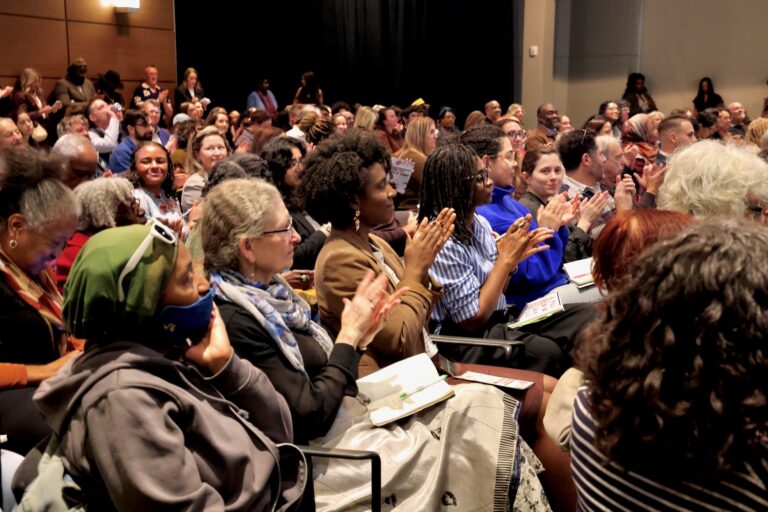
Attendees at the Food First Health Summit at WHYY in Philadelphia applaud a panel on building a food-is-medicine system, Oct. 27, 2026. (Emma Lee/WHYY) -
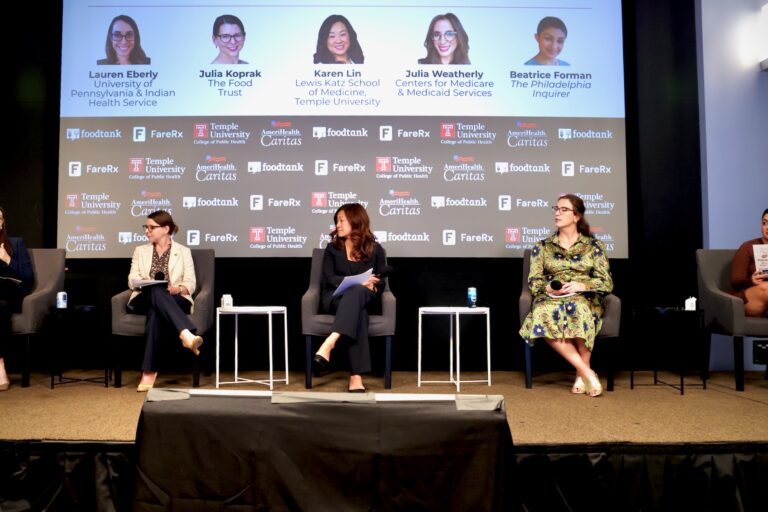
Panelists discuss building a food-is-medicine system during the Food First Health Summit held at WHYY in Philadelphia, Oct. 27, 2026. They are (from left) Lauren Eberly of the University of Pennsylvania and Indian Health Service, Julia Koprak of The Food Trust, Karen Lin of the Lewis Katz School of Medicine at Temple University and Julia Weatherly of Centers for Medicare and Medicaid Services. The panel was moderated by Beatrice Forman of The Philadelphia Inquirer (right). (Emma Lee/WHYY) -
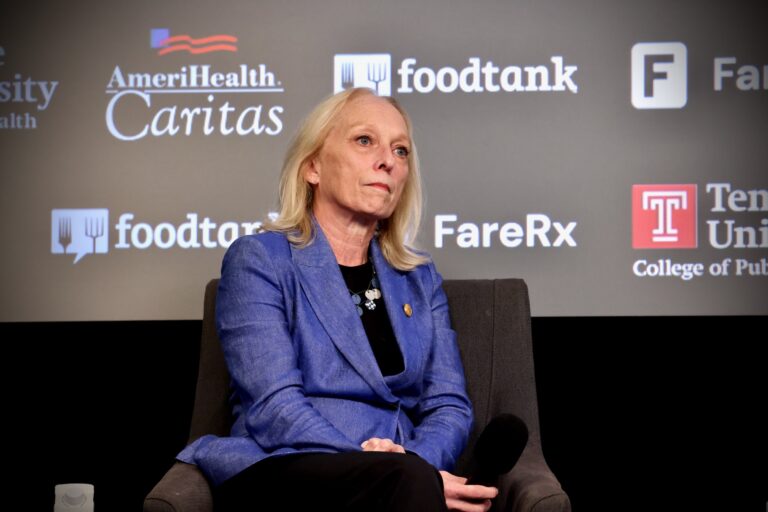
U.S. Rep. Mary Gay Scanlon participates in a panel discussion on federal policy at the Food First Health Summit at WHYY in Philadelphia, Oct. 27, 2026. (Emma Lee/WHYY) -
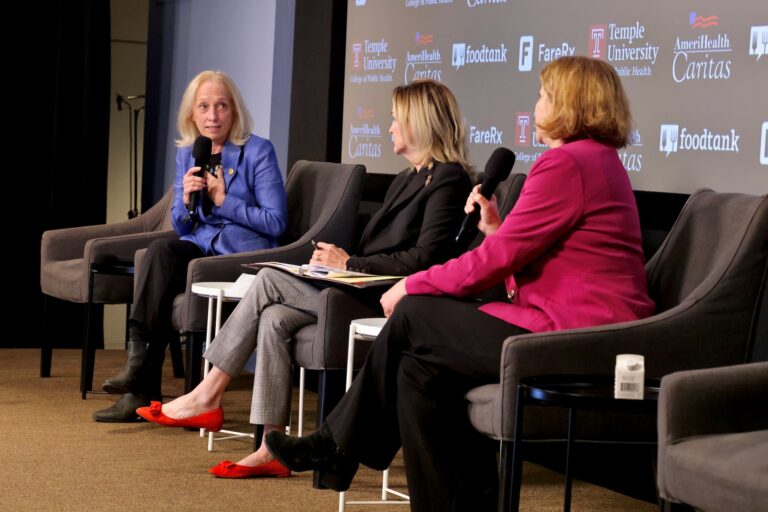
U.S. Rep. Mary Gay Scanlon (left) and U.S. Rep. Madeleine Dean discuss federal policy at the Food First Health Summit at WHYY in Philadelphia, Oct. 27, 2026. The panel was moderated by Maiken Scott (right), host of WHYY's health and science show, ''The Pulse.'' (Emma Lee/WHYY) -
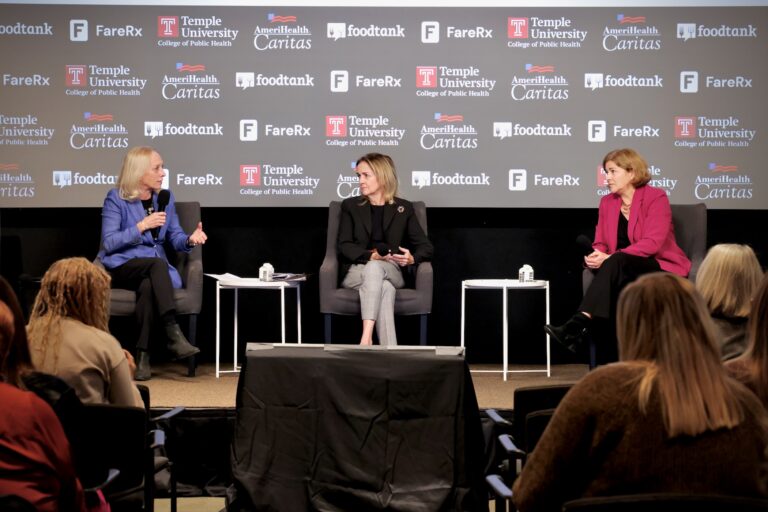
U.S. Rep. Mary Gay Scanlon (left) and U.S. Rep. Madeleine Dean discuss federal policy at the Food First Health Summit at WHYY in Philadelphia, Oct. 27, 2026. The panel was moderated by Maiken Scott (right), host of WHYY's health and science show, ''The Pulse.'' (Emma Lee/WHYY) -
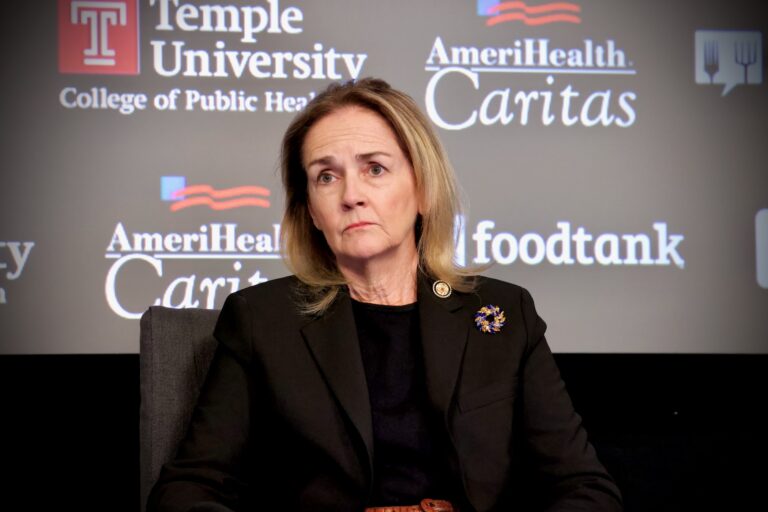
U.S. Rep. Madeleine Dean participates in a panel discussion on federal policy at the Food First Health Summit at WHYY in Philadelphia, Oct. 27, 2026. (Emma Lee/WHYY)
Related Content
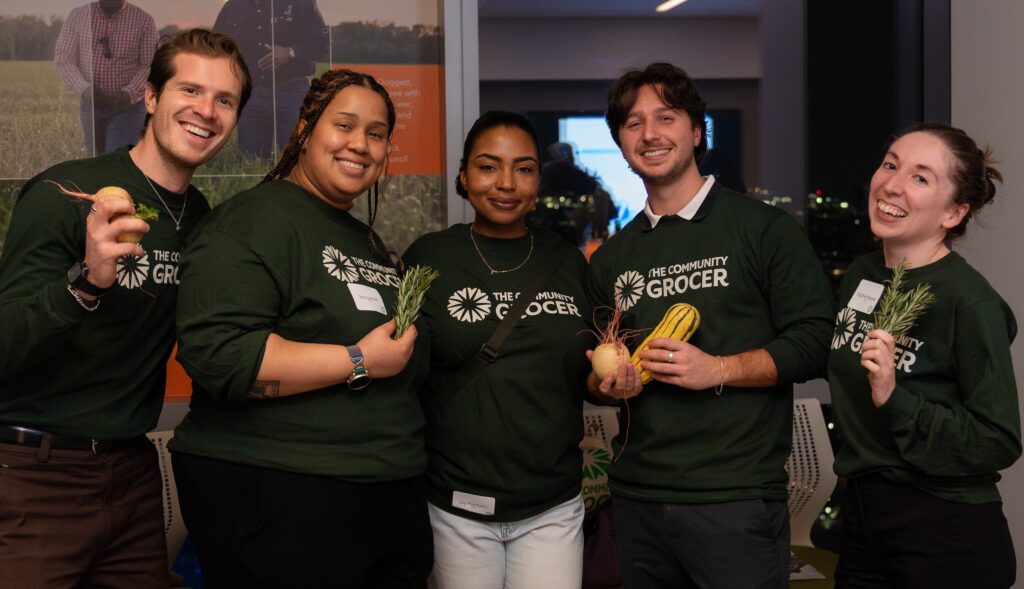
The Community Grocer is using a meal-kit workaround so SNAP recipients can leave with hot meals, as new federal work requirements threaten benefits for thousands in Philly.
8 months ago
Empowering people with food choice and limiting food waste
This work also aims to ensure that people have true choice in food and nutrition, said Briana Mills-Walker, aka Farmer Bri, director of agricultural education and research at FarmerJawn Agriculture, an urban farming operation in Greater Philly.
“That means no matter what your socioeconomic background is, you’re able to go into any store, any retailer, and grab exactly what you want,” she said. “Another solution is localizing our food systems … actually having people engage and interact with the food that’s growing around them and know the importance of why our health as people and individual bodies is connected to the health of the environment as well as the health of each other.”
Addressing food waste and creating smart systems to source and distribute fresh produce in sustainable ways can also help address accessibility and affordability barriers for people who could benefit the most from nutritious foods and meals, said Evan Ehlers, founder and CEO of Sharing Excess, a national food rescue nonprofit that redistributes food surpluses to food banks and pantries, community fridges and other local food distribution sites.
The organization’s mission was born from a project that Ehlers started in 2016 while a student at Drexel University in Philly. He distributed excess meals that would have otherwise expired under his college dining plan to people on the street.
“We are wasting healthy, nutritious food in the same communities where people are not able to access it,” he said. “Tens of millions of pounds of fresh produce are going into landfills every day because of supply chain difficulties when it is literally a matter of reaching out and getting that food to be accessible by organizations that can provide dignifying access to that food.”
Members of the new city coalition say they hope to convene a food health summit at least annually and work more closely together to advance the food is medicine approach in Philadelphia and other parts of Pennsylvania.
This story is part of a series on managing chronic diseases supported by The National Institute for Health Care Management (NIHCM) Foundation.
WHYY News produces independent, fact-based news content for audiences in Greater Philadelphia, Delaware and South Jersey.

Get daily updates from WHYY News!
WHYY is your source for fact-based, in-depth journalism and information. As a nonprofit organization, we rely on financial support from readers like you. Please give today.
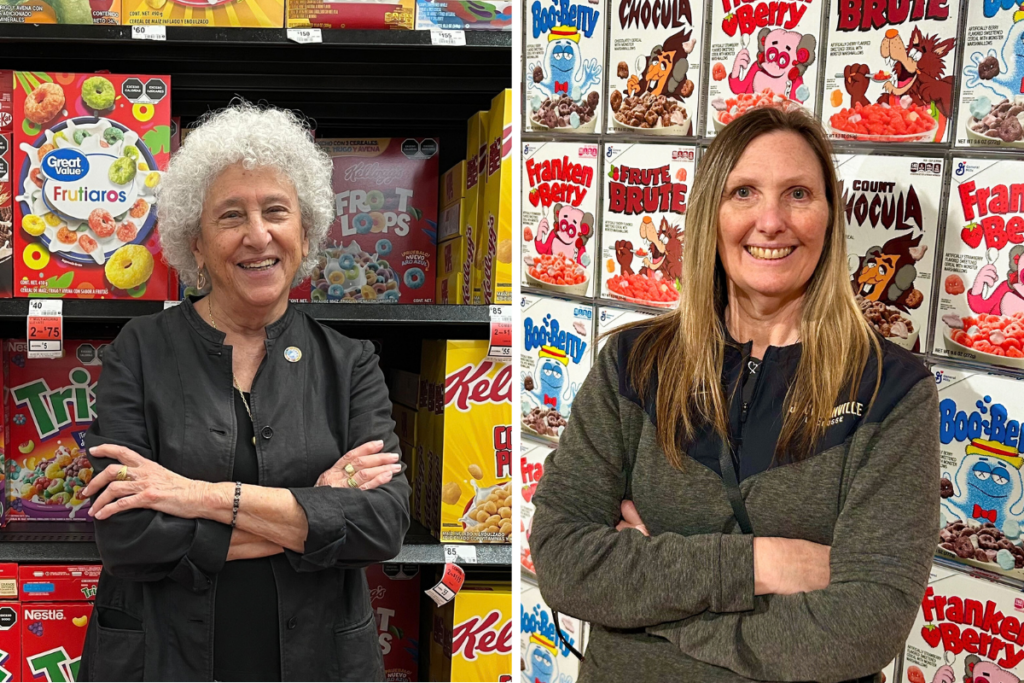
How the Cereal Industry Won Breakfast
Marion Nestle and Lisa Sutherland discuss their new book, “Sugar Coated: Unboxing the Hidden Forces Shaping America’s Favorite Breakfast Food.”
Air Date: September 23, 2026
Listen 28:01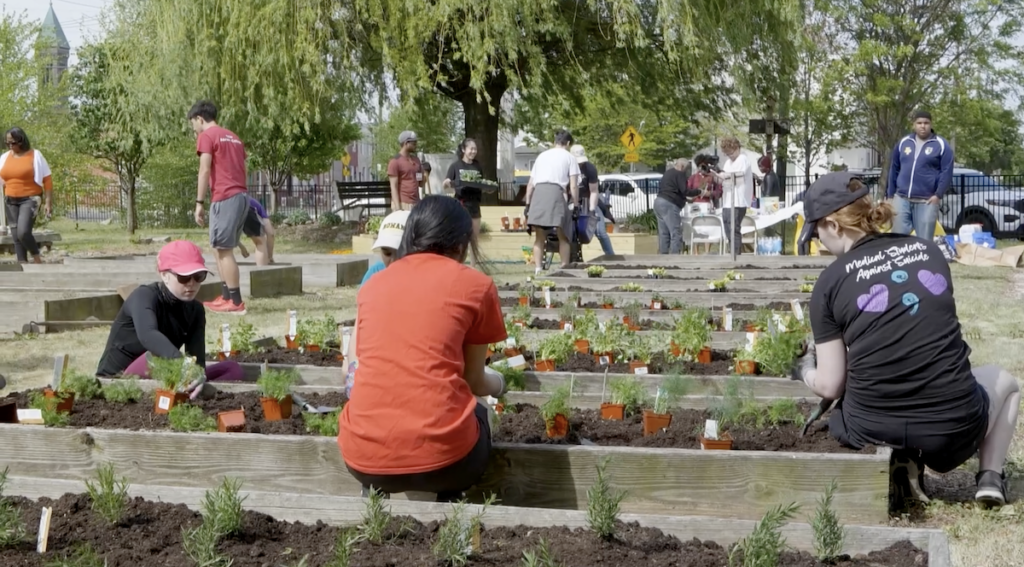
3 Philadelphia-area medical schools agree to add nutrition education in response to RFK Jr.’s push
The push to teach nutrition in medical schools predates the current administration. So far, 73 medical schools have signed on to the campaign.
4 months ago
Listen 1:35
From Soy to Carbs: How Food can Ease Menopause Symptoms
Registered Dietitian Jenn Salib Huber explains how to get the best nutrition during menopause.
Air Date: January 13, 2026
Listen 48:51