

At this Mayfair high school, Philly teens take over Election Day polling place
The school’s operation is almost entirely run by Lincoln High School students and recent alumni.

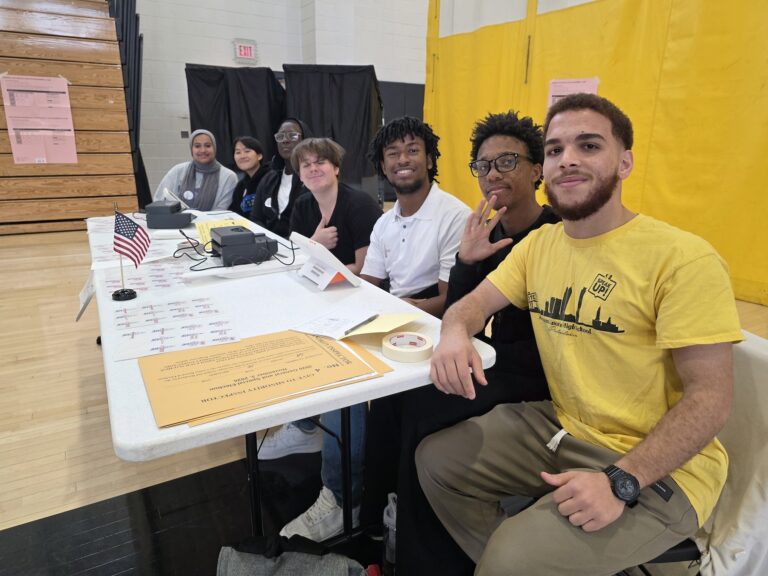
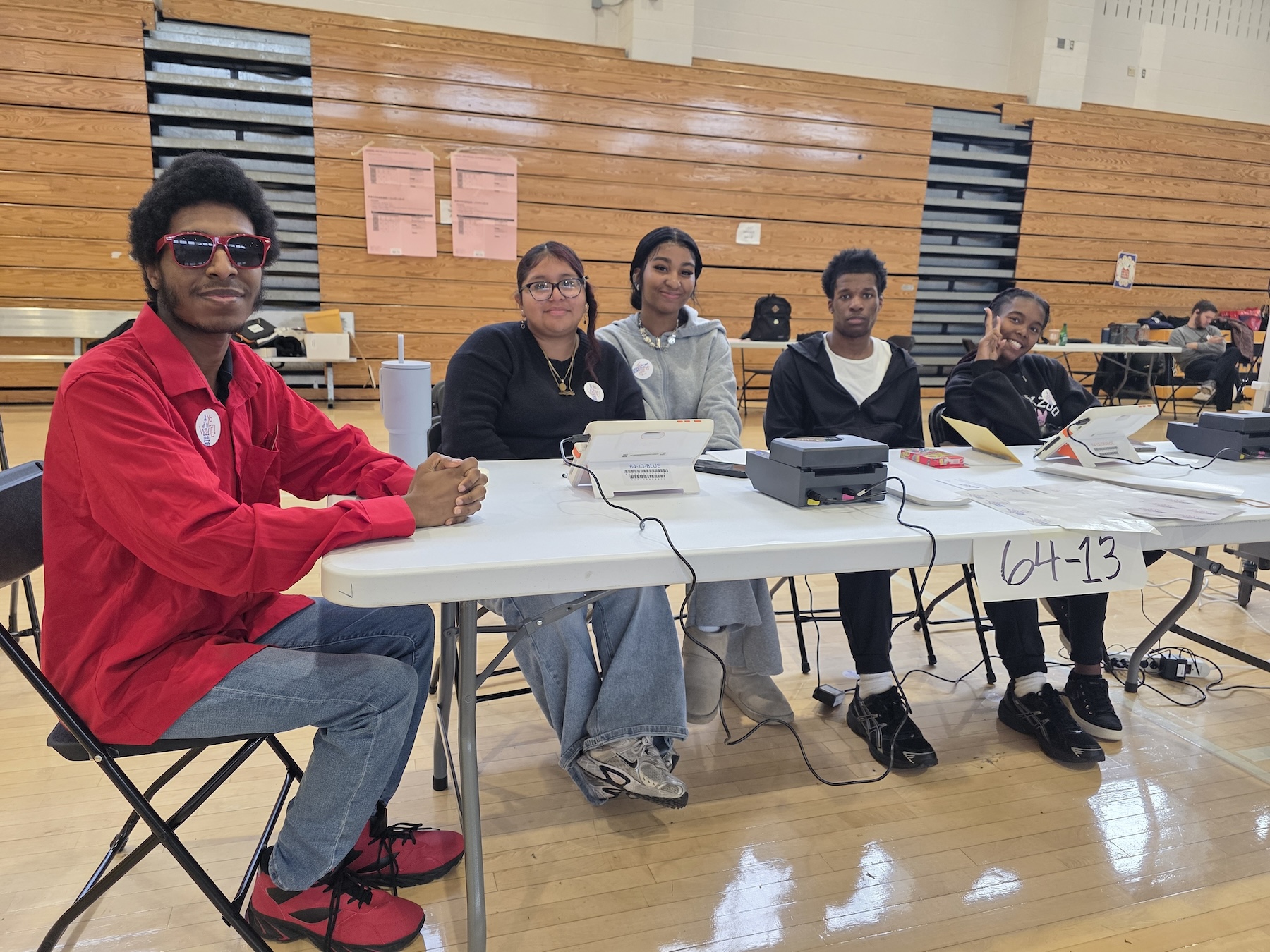
Abdallah Sumrein, 18, graduated from Lincoln last year and returned to work the polls for the third time. (Emily Swanson/WHYY)
Election Day means no school for the Philadelphia School District, but this year, more than 100 students from Lincoln High School in Mayfair showed up at 6 a.m. to work the polls.
The youth poll worker effort began in 2022 with eight students with learning disabilities. The number of students had grown to 35 when WHYY News visited for the 2024 primary election, and now, there are three times as many.
Over the years, as students recruited friends and alumni returned for the day, the teen takeover of Lincoln’s polling site has become a beloved school tradition.
Science and special education teacher Sarah Caswell leads the workers and said inclusivity has been key to growing their ranks. The students cover every imaginable ability, grade point average, language, culture and political affiliation, or lack thereof, she said.
Caswell said that during the school day, students are often separated by academic ability level, honors and Advanced Placement, deaf and hard of hearing, autistic support, general education and other categories.
When working the polls, those differences melt away, Caswell said.
“When they come here, they’re just students, they’re just children, and they’re all working together at a table accomplishing a job,” she said.
Back in 2022, she recruited a few 17- and 18-year-olds at the request of local ward chairs, who were having trouble finding enough poll workers as pandemic-era restrictions began to lift. Eight students agreed, but it was a hard day, with long hours in a stuffy room that had no air conditioning, she said.
After that first time, Caswell vowed to never do it again — but one student, Jibril Graves, immediately asked about working the next election, and it just kept going. Years later, the cohort of trained poll workers has become ingrained in school culture, Caswell said.
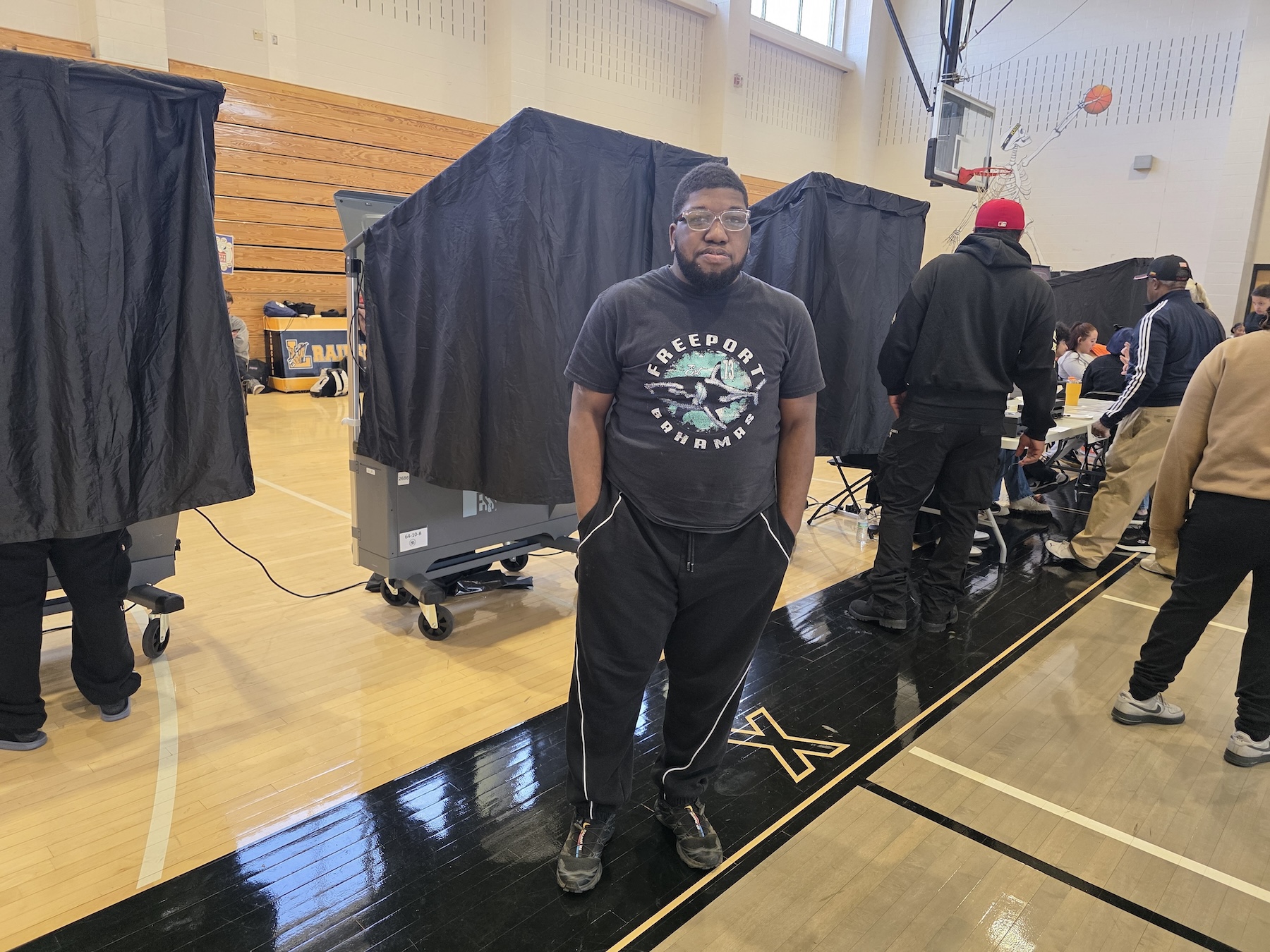
She said the opportunity to work the polls, have pizza with friends and earn a $280 paycheck has become a motivator for Lincoln students’ attendance and behavior. “I’m not spending my day off with clowns, that’s what I tell them,” Caswell said.
The day’s wages help many students afford senior dues and prom outfits while providing a supervised social opportunity and work experience. From handing out “I Voted” stickers to checking registrations, each person has a role, and no one is limited, regardless of ability.
Caswell said she hopes the youth poll worker movement will spread far beyond Lincoln.
Getting teens involved in elections, even if they cannot vote, helps them become comfortable in political spaces that often exclude them, she said.
Contrary to stereotypes, teens are actually interested in political issues, Caswell said. “I think many students feel very disenfranchised because these spaces don’t feel welcoming when you walk in and it’s all 80-year-olds in there.”
Related Content
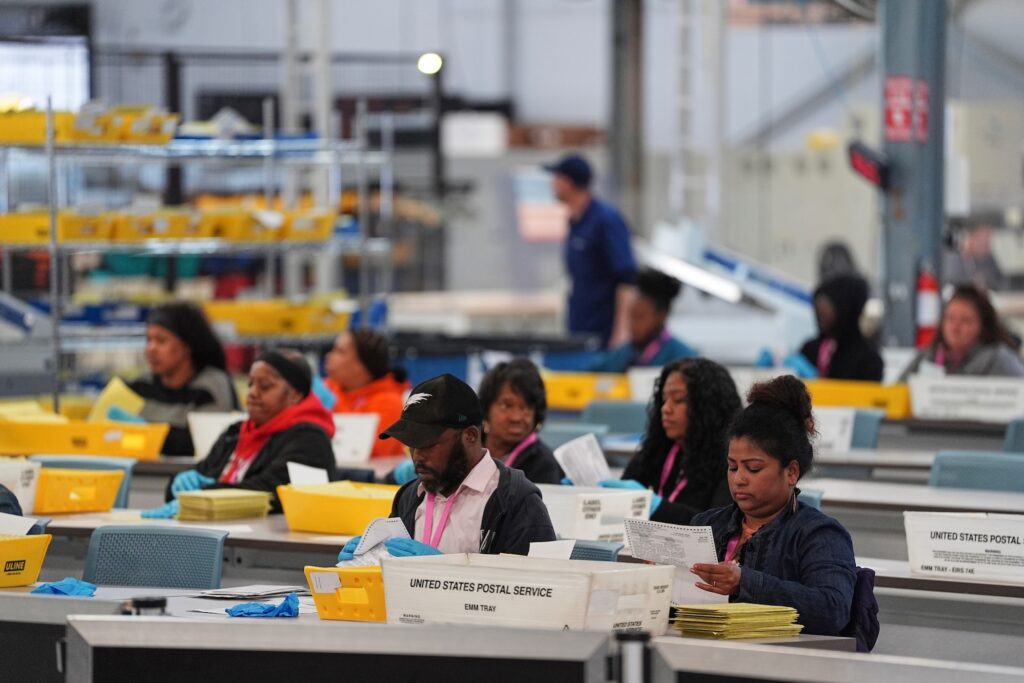
Follow along for live special coverage of the 2026 general election, with reporting on the ground from Pennsylvania, New Jersey and Delaware.
2 weeks ago
The youth perspective
Graves, Caswell’s former student, is now 22 and has worked every election at Lincoln since 2022. He said he enjoys coming early to set up, and he now helps train others on the tablets to check in voters.
On the issues he cares most about, Graves said he’s unhappy with how the federal government is enforcing immigration law. He’s said he’s seen many social media videos of people being detained by ICE, which are “awful to see.”
“I’m tired of seeing that,” Graves said. “Every day, it’s something like [people] being torn apart, and the president goes and hides. So hopefully that’s something we can fix before this year ends.”
Another returning worker was Abdallah Sumrein, 18, who is now a freshman at the University of Pennsylvania but came back to work the polls for the third time.
Sumrein said midterm elections present an “underrated” opportunity to get involved. While most of the focus goes to presidential elections, “a lot of things need to be approved by the Congress that is impacted by our votes today,” he said.
Given his experience, he served this year as a table judge, assigning roles and helping less-experienced workers.
“When I got used to it, I was like, we need to get more people to do this,” Sumrein said. “It felt like a perfect opportunity for me to give back to the community and teach other kids.”
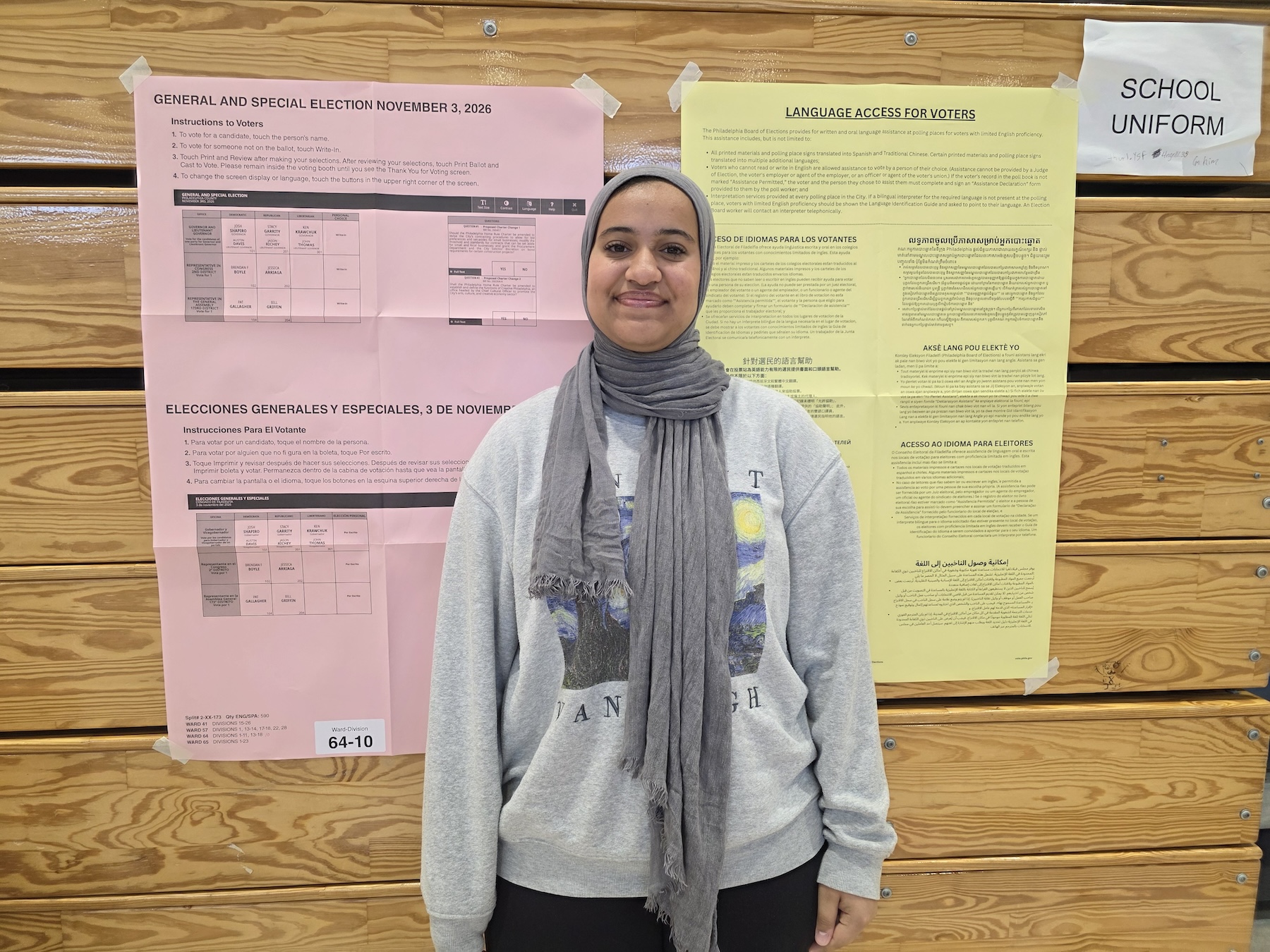
Among the first-timers was Mariam Soweid, a 17-year-old senior who said training and getting started as a poll worker was “very smooth.” She served as majority inspector, checking in voters and ensuring proper registration, as well as an Arabic-English translator.
Although Soweid is too young to vote, she said she wants to learn about important issues before going to the voting booth. Soweid said there should be youth-oriented community classes and social media campaigns to explain the importance of midterm elections and how local government works.
“It’s always good to know earlier what’s going on around you,” she said. “Most of us don’t know what these [midterm] elections are for.”
Senior Eion-Matthew Trower, another first-timer, said he normally would’ve spent the day playing video games but decided he could use the $280 and wanted to try something new. “I don’t get to get out of my house much,” he said.
Trower said he’s extremely concerned about the housing crisis, with rising rents and mortgages cutting into people’s ability to afford basic needs like food and gas. This reality has hit teens hard, he said.
“It’s been a real bother for me, and I’m just looking out for someone who can hopefully tackle those issues and keep their word,” Trower said.
He said people his age are “desensitized to a lot of things,” having already lived through a global pandemic, wars, a contentious political climate and other challenges.
“It just becomes part of everyday life, and you learn to get used to it and live with it,” Trower said. “But we definitely care more than people say we do. It’s like, it’s affecting us.”

Get daily updates from WHYY News!
WHYY is your source for fact-based, in-depth journalism and information. As a nonprofit organization, we rely on financial support from readers like you. Please give today.
Part of the series
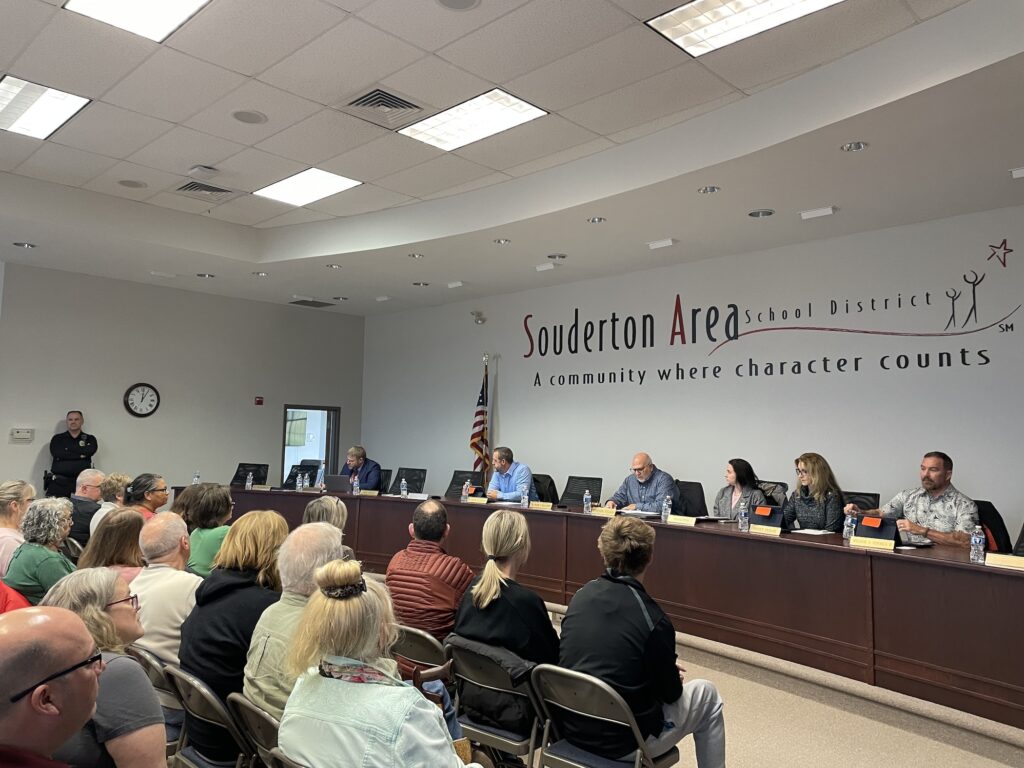
Souderton residents say school board’s Thanksgiving Eve appointment is a ‘lame-duck power grab’
Community members criticized the board’s move to fill a vacancy days before newly-elected members are sworn in.
12 months ago
Listen 1:13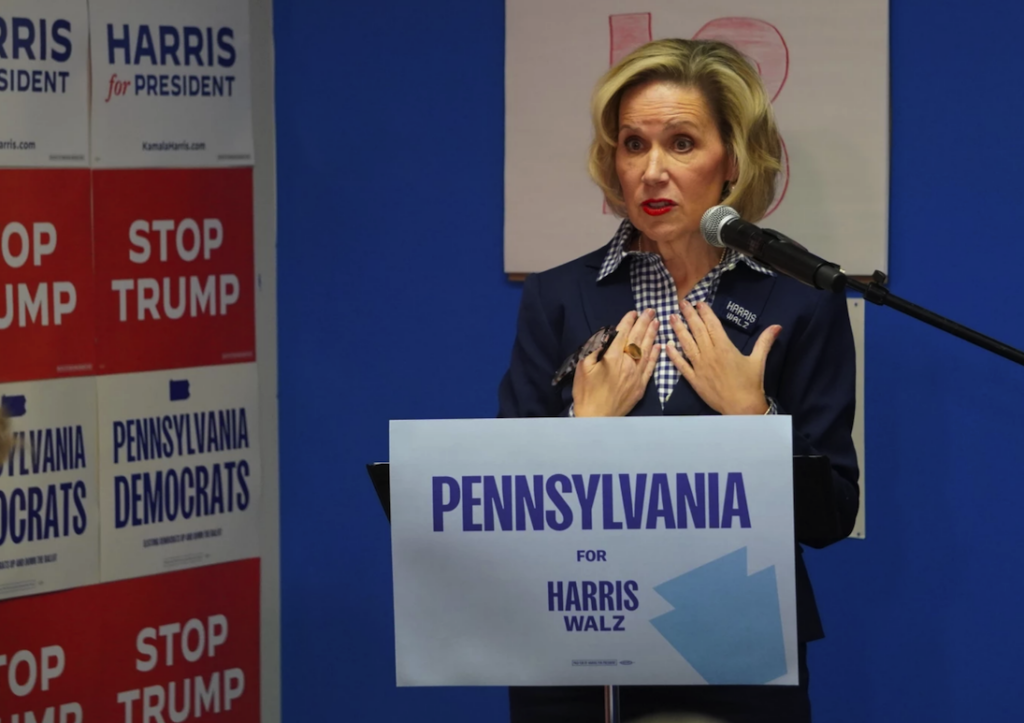
Gwen Walz advocates for education in interview with WHYY News
Gwen Walz fired back at Donald Trump, saying he would hurt education by dismantling the Department of Education, and discussed the importance of federal funds for education.
2 years ago
Listen 1:22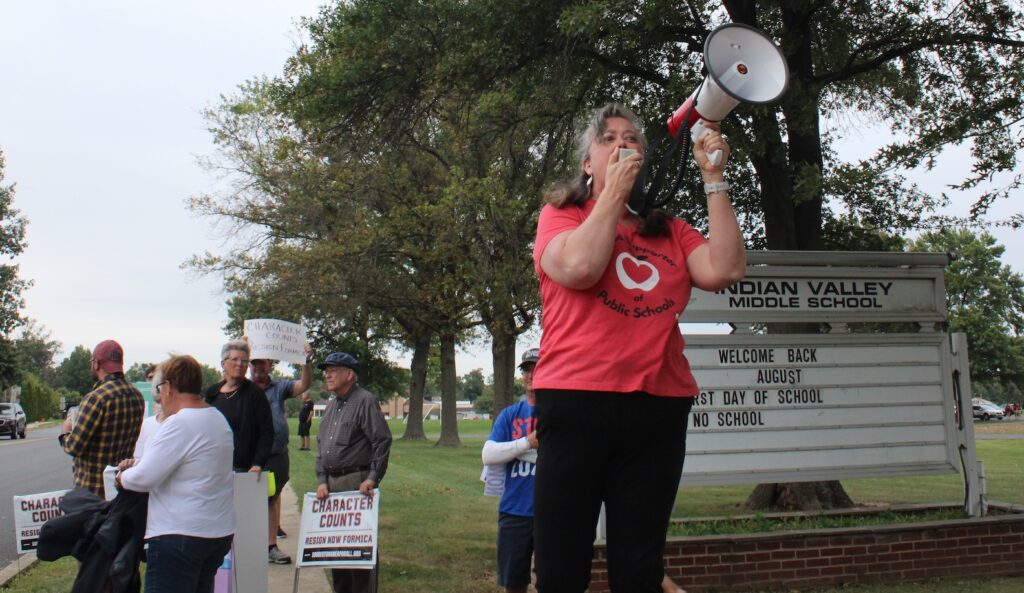
Formica apologized for lewd comments he made about Kamala Harris. He also bemoaned “hearing the tired old labeling applied to all white alpha males to shut up.”
2 years ago
Listen 1:25