

As more people survive cancer, Philadelphia-area doctors rethink what care should look like long term
Health experts say there needs to be more attention on addressing predictable side effects of highly curable diseases like prostate cancer.
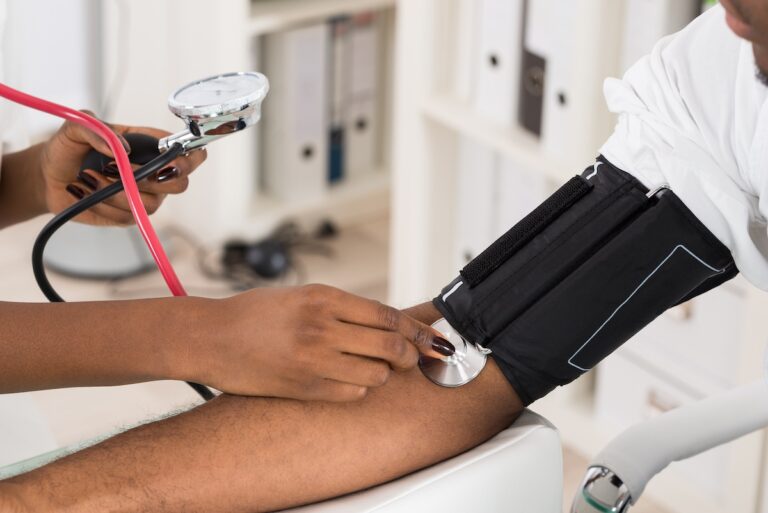
A physician measures a patient's blood pressure with a stethoscope. (AndreyPopov/Bigstock)
From Philly and the Pa. suburbs to South Jersey and Delaware, what would you like WHYY News to cover? Let us know!
More than 18 million people in the United States are living as cancer survivors, national estimates show, and that number is projected to reach 22 million in the next decade, thanks to advancements in early detection and treatment.
But cancer specialists say there are still gaps in care when it comes to helping people prepare for and manage long-term side effects they may experience after being treated and cured, including the emotional and psychosocial aspects of survivorship.
Some doctors in the Greater Philadelphia area are taking a different approach by providing pre- and post-cancer holistic care and services to better support people, especially those diagnosed with diseases like prostate cancer. It’s the most common type of cancer in men and has one of the highest cure rates.
“When I look at someone, I’m not just looking at what’s going to help this person immediately, what’s going to help them at one year, two years, five years [post diagnosis],” said radiation oncologist Dr. Manuj Agarwal. “I’m seeing them 15, 20, 25, 30 years down the line. How is their life going to be based on the decisions that we make today and the counseling that we do today?”
Agarwal, who previously practiced at the University of Pennsylvania, founded his own private practice called Blue Wellth in King of Prussia.
After cancer is diagnosed, he said it’s understandable that the main priority will be on eradicating disease from the body, especially if the cancer is aggressive or has already spread.
Related Content
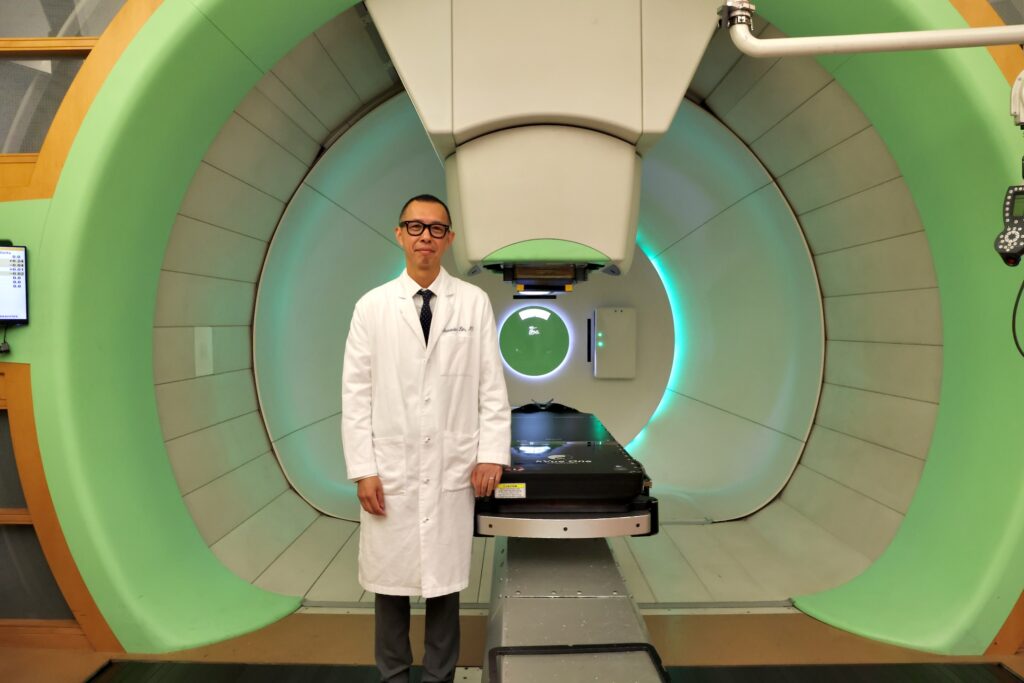
FLASH radiation therapy delivers a high-velocity proton beam at tumor sites. The approach could be a faster, more accurate type of cancer treatment.
1 month ago
Listen 4:45But in many other cases, Agarwal said there’s a missed opportunity for health teams to also be proactive in addressing predictable side effects that can come with treatment, and integrating care from other specialties like urology and cardiology ahead of time.
For example, many patients who’ve had prostate cancer can develop urinary incontinence, erectile dysfunction, bowel problems and fatigue. But too often, Agarwal said people are left to deal with the post-cancer effects on their own while trying to navigate a fragmented health care system.
“The patient becomes a project manager,” he said. “And they’re not equipped to do that, unfortunately.”
Long-term side effects can also involve the emotional and psychological aspects of surviving cancer. Discussing and making a health plan for what patients want to achieve after cancer treatment can be important for someone to not only survive, but thrive after they are cured of disease, Agarwal said.
“I’ve really seen a lot of people kind of return to a state where they’re really happy with their lives, they’re really thriving. Their relationships are thriving, their health is thriving,” he said.
While some larger health systems and cancer centers across the country have invested in expanding survivorship programs and support services, Agarwal said progress in this space has been uneven and there’s a lot more work to be done to close gaps in care.
“I really do think now in 2026, we can guide people,” he said. “And if they’re not part of a big system, we could still guide them in the right direction.”
Editor’s Note: This story has been updated to correct Dr. Manuj Agarwal’s prior role at the University of Pennsylvania.

Get daily updates from WHYY News!
WHYY is your source for fact-based, in-depth journalism and information. As a nonprofit organization, we rely on financial support from readers like you. Please give today.

Medical advances mean that more people are surviving cancer. But not everyone is benefiting from those gains equally, a new report shows.
4 months ago
Listen 2:06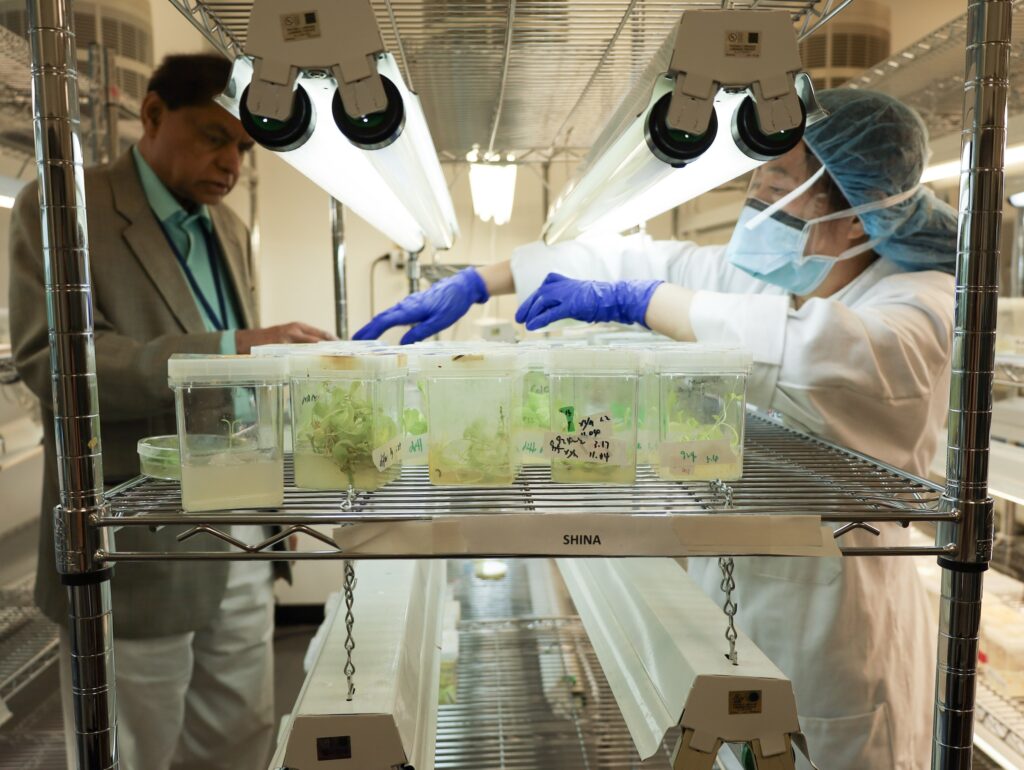
Can bioengineered chewing gum help prevent oral, head and neck cancers? Penn researchers are hopeful
The gum is made from a bean plant and contains antiviral, antibacterial and antifungal properties. It’s being tested against HPV, influenza and other diseases.
5 months ago
Listen 1:42
Dennis Massimo’s genetic diagnosis and cancer treatment plan was coordinated at the new King Center for Lynch Syndrome at Penn Medicine.
7 months ago
Listen 1:44