
Philadelphia is a rest stop for thousands of migrating birds. Can it stay that way?
Bird watching has become increasingly popular since the pandemic. Advocates hope this enthusiasm translates to action.
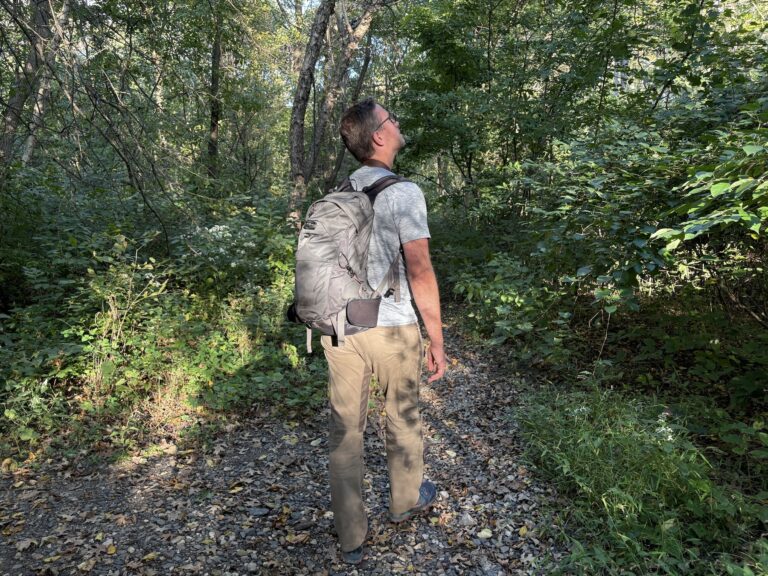
Holger Pflicke leads a bird walk at Pennypack Park. (Jaysa Dold for WHYY)
From Philly and the Pa. suburbs to South Jersey and Delaware, what would you like WHYY News to cover? Let us know!
Even among lively chatter in Philadelphia’s Pennypack Park, Holger Pflicke easily identifies unique bird calls, pointing out the faint chirps to the small crowd following him.
Philadelphia is on the Atlantic Flyway, a migration route birds travel as they move from north to south. This makes Philly and the surrounding areas a hotspot for bird watching during migration season. In recent years, Pflicke said more and more people have taken an interest.
“I’m really amazed how many people have taken up this hobby,” said Pflicke, who has been leading birding walks with Bird Philly since 2019. “I started in my teens. At that point, it was something old white dudes were into. Now we have a plethora of people of all ages and backgrounds.”
Pflicke hopes people’s heightened interest in birding will prompt greater protections and awareness for nature. While Greater Philadelphia can be a great place for birds to stop on their migratory journeys, development, urbanization and climate change may impact bird migration and threaten habitat.
As the planet warms and the length of seasons change, bird migration patterns are shifting across the Northern Hemisphere. Their ranges are shifting, too; species that prefer cooler temperatures move further north. A study by the nonprofit National Audubon Society estimates that 40% of Pennsylvania’s 227 bird species are vulnerable to climate change.
Pflicke said that while a changing climate might impact bird behavior, the biggest threat to their overall well-being is the loss of greenspaces.
“While climate change has some effect on birds, most of them are probably okay adapting,” Pflicke said. “They might change their range and migration patterns, but if they don’t have a forest to come back to, it doesn’t matter. It’s really critical that we protect their habitat.”
-
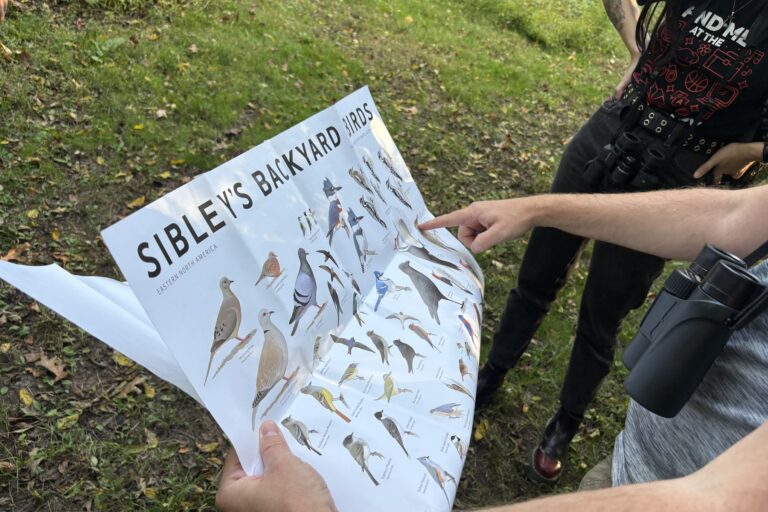
Holger Pflicke points out a bird on a backyard bird guide. (Jaysa Dold for WHYY) -
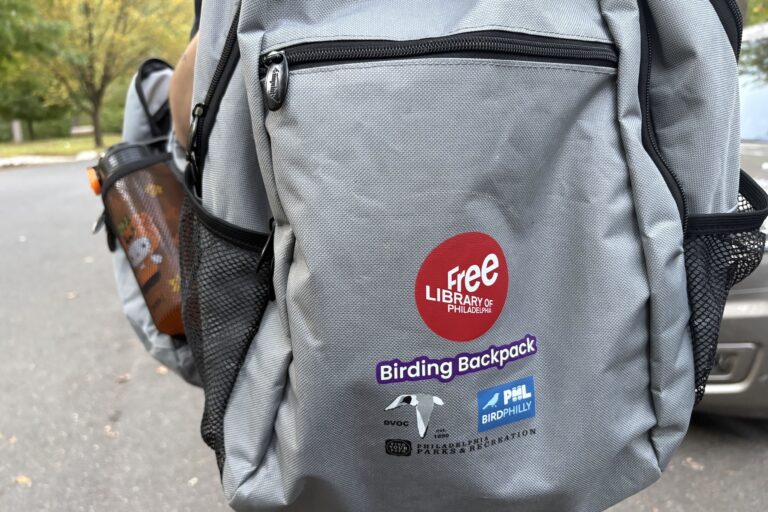
Birding backpack, available to rent at all Free Library branches. (Jaysa Dold for WHYY) -
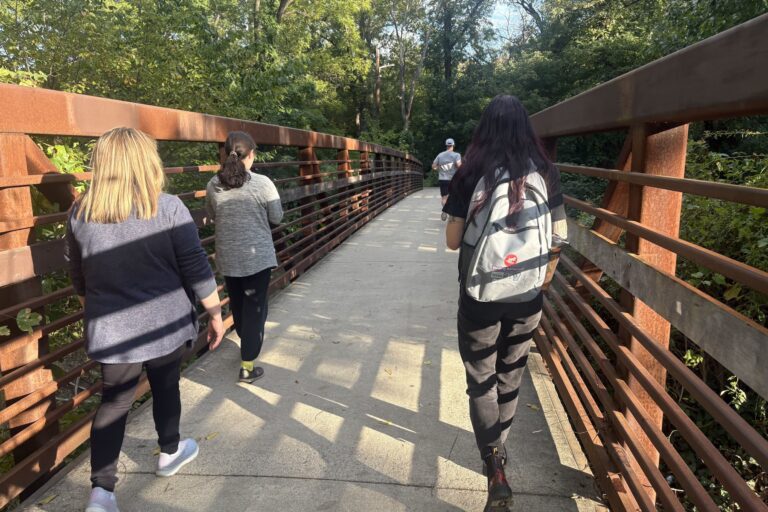
Bird watchers walk along Pennypack Park. (Jaysa Dold for WHYY)
Related Content
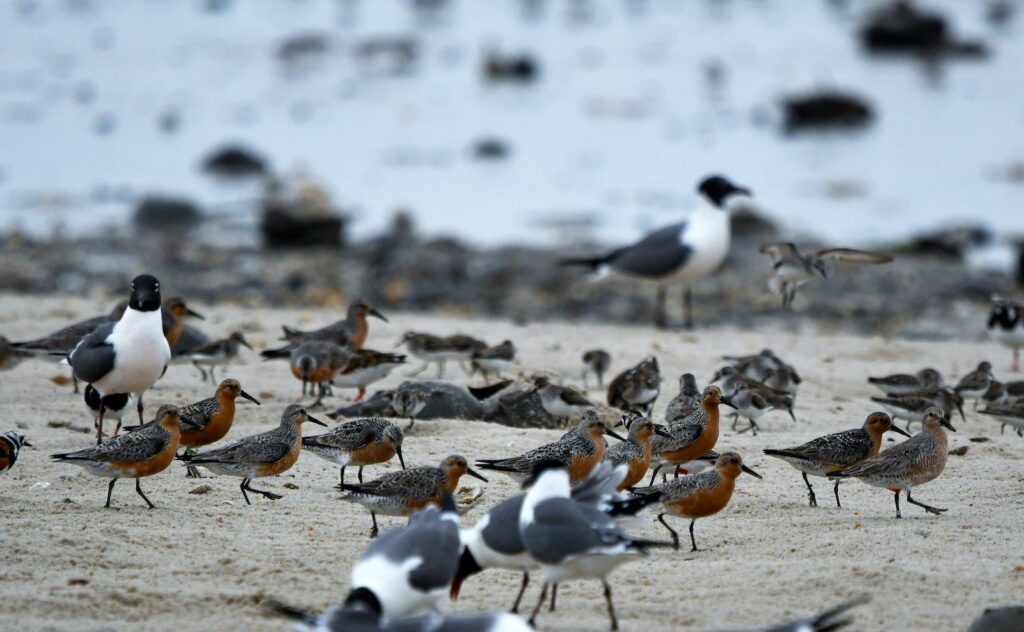
Red knot populations improve slightly along Delaware Bay, but remain fraction of historic levels
Biologists in New Jersey and Delaware spotted more red knot birds this year, but levels remain significantly lower than before the 2000s.
3 months ago
Listen 1:18Sydney Glisan, director of wildlife rehabilitation at the Schuylkill Center, said she is constantly concerned about lack of protection for natural places and wishes there were more safeguards against large-scale development. She said that environmental organizations like the Schuylkill Center rely primarily on donations and need people to care to keep them going.
“As much as I’d love to say these places will be here forever, it’s really all about the support that people give in order to keep them the way that they are,” Glisan said.
Pflicke has noticed younger people are developing a greater appreciation for greenspaces and the benefits of spending time outdoors. He attributes the shift to the COVID-19 pandemic, when people were prompted to slow down and take a closer look at the world in their own backyards.
In response to growing interest in bird watching, the Free Library of Philadelphia began offering free birding backpacks at every library branch last year. Borrowers can keep the backpack that’s supplied with binoculars and a field guide for up to three weeks.
A limited number are available on a first-come, first-served basis at all of Pflicke’s bird walks.
“It’s great to see a lot of people are taking up this hobby, which hopefully turns them into advocates for our remaining Philly green spaces,” Pflicke said.

Get daily updates from WHYY News!
WHYY is your source for fact-based, in-depth journalism and information. As a nonprofit organization, we rely on financial support from readers like you. Please give today.
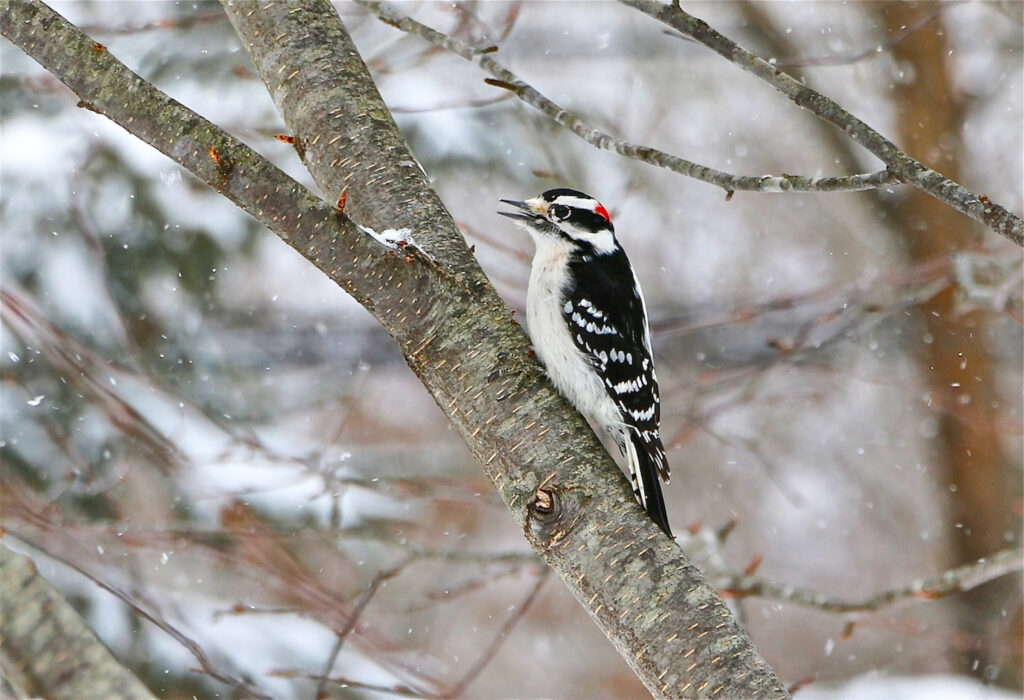
Love birds? Philadelphians can help scientists by counting them this Valentine’s Day
Skip the roses this Valentine’s Day, and grab your binoculars and a field guide for science, with this weekend's Great Backyard Bird Count.
9 months ago
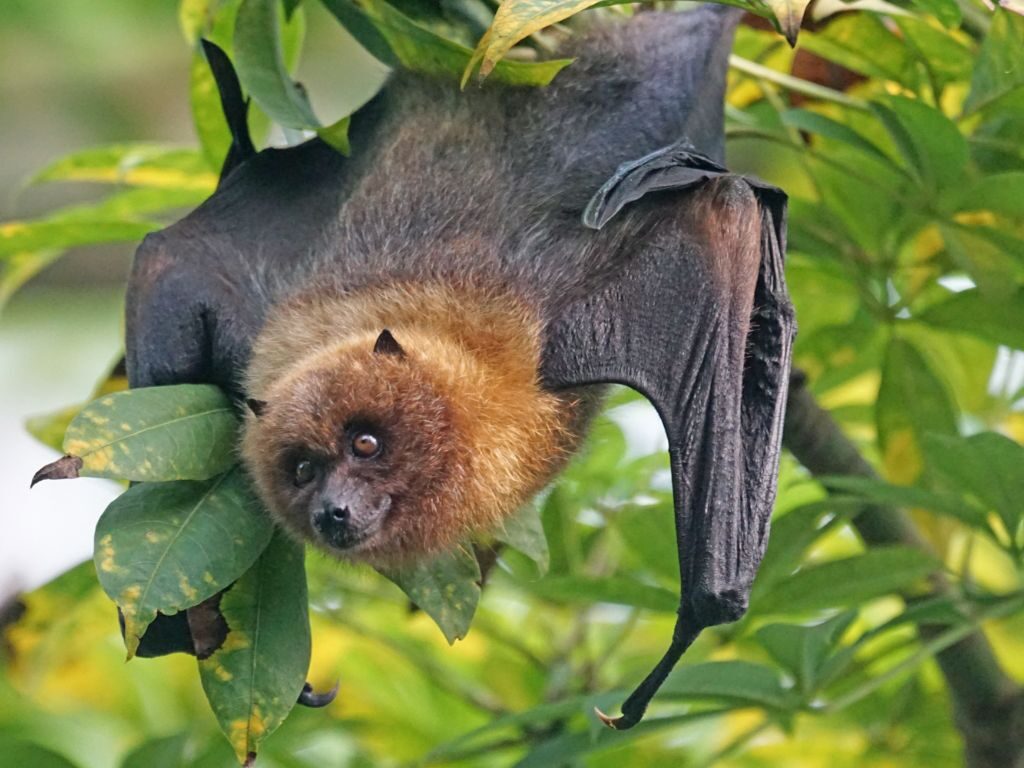
Coexisting with urban wildlife, Bakari Sellers ‘The Moment’, NJ’s data privacy law
It’s getting wild. We talk about urban wildlife – from encounters with coyotes to bats who need our help
Air Date: April 25, 2024 12:00 pm
Listen 50:01
We talk to science writer Jennifer Ackerman about her new book, "The Bird Way" and with an organizer of Black Birder week.
Air Date: July 24, 2020 10:00 am
Listen 49:00