

Pa. declares 6th measles-associated death as cases reach nearly 1,500. Here’s what to know
The current measles outbreak dates back to April. Nearly all cases are among unvaccinated children and adults.
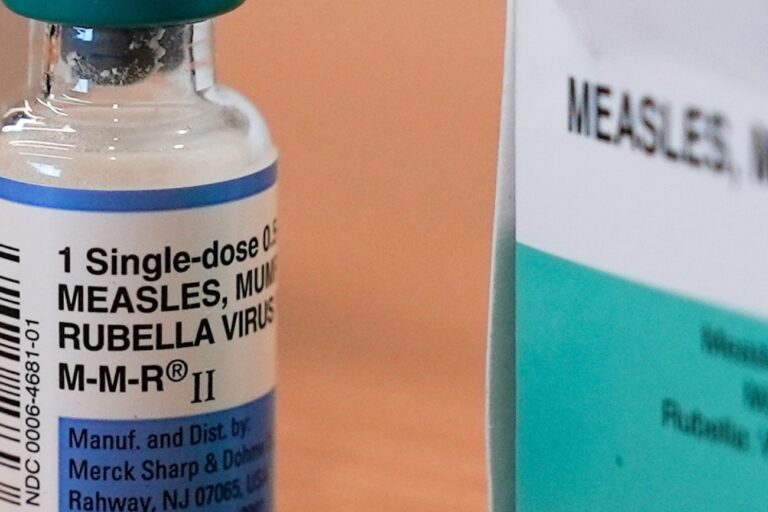
FILE - A vial of the measles, mumps and rubella vaccine is on display. (AP Photo/Mary Conlon, File)
From Philly and the Pa. suburbs to South Jersey and Delaware, what would you like WHYY News to cover? Let us know!
An unvaccinated person in Jefferson County who tested positive for measles and recently died has become the sixth measles-associated fatality in Pennsylvania.
The state Department of Health did not release any additional information about the resident “to protect the privacy of the individual and their family,” officials said Wednesday in a statement.
As of Wednesday, Nov. 4, there have been 1,467 confirmed cases so far this year, according to state data.
A statewide outbreak of measles in Pennsylvania continues to affect primarily unvaccinated children and adults as health officials try to ramp up vaccination rates in local communities.
Infections have been identified in 45 of the commonwealth’s 67 counties. The largest clusters of cases linked to community-wide viral transmission are concentrated in and around Lancaster, Chester, York, Mifflin, Snyder, Centre, Clinton, Clearfield and Jefferson counties.
About 1 in 5 people who’ve contracted the virus have been hospitalized, state data shows.
What is the measles virus?
Measles is a highly contagious virus that spreads when someone who is infected coughs or sneezes and releases the virus into the air. Other people can then become infected if they breathe in those airborne droplets, according to the Centers for Disease Control and Prevention.
Part of what makes measles so contagious is that the virus can remain active in the air or on surfaces for up to two hours, even after the infected person has left the area.
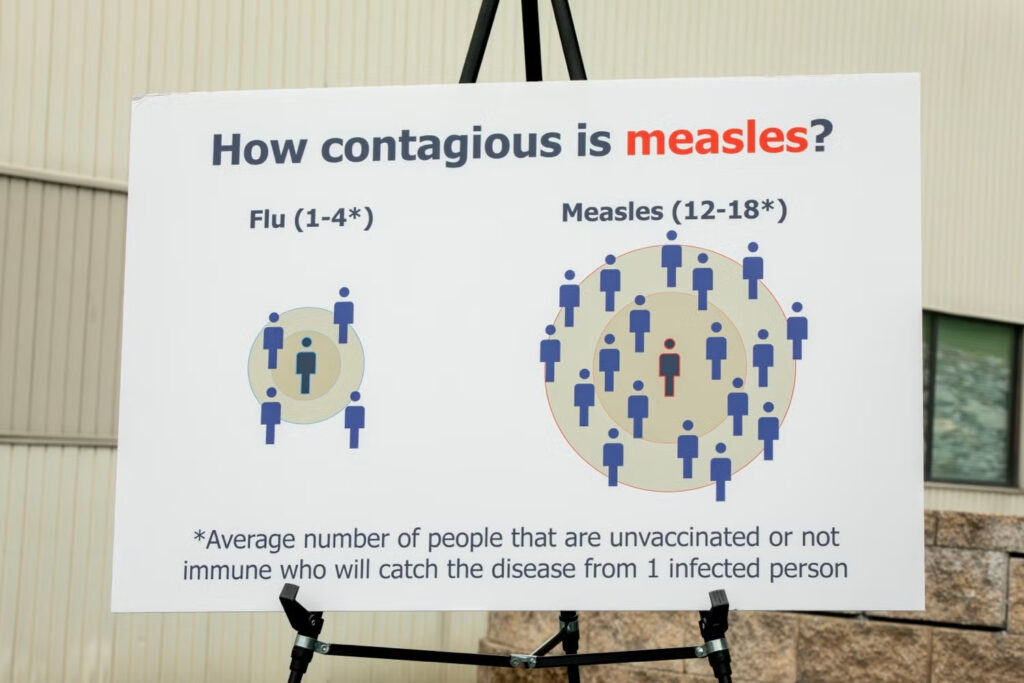
As many as 9 in 10 people who are not immunized against measles will contract the virus after close contact with an infected person, according to the National Foundation for Infectious Diseases.
What are symptoms of a measles infection?
According to the CDC, early signs of a measles infection typically appear about seven to 14 days after exposure to the virus.
Initial symptoms can include a cough, runny nose, watery eyes and a high fever. Small white spots, called Koplik spots, may develop inside the mouth about two to three days later.
A skin rash, the hallmark of measles, appears on the head or other parts of the body about three to five days after first signs of illness, according to the American Academy of Pediatrics.
A person with measles is contagious four days before and four days after the rash appears, infectious disease experts say.
While most people survive an infection, measles can lead to complications like pneumonia, encephalitis or brain swelling, deafness, intellectual disability, and, in rare cases, death.
People who are most at risk of developing measles-related complications include young children under 5, pregnant women and people with weakened immune systems, federal guidelines show.
There are no antiviral treatments or medications that are federally approved for measles.
Related Content
The two deaths occurred in Jefferson and Mifflin counties. Two other measles-associated deaths among infants in Lancaster were reported in August.
2 months ago
Who should be vaccinated against measles?
Pennsylvania public health leaders, pediatricians and other clinicians are urging people to get immunized with the measles, mumps and rubella combination vaccine. Shots are typically available at private doctor’s offices, some urgent care centers and pharmacies, public health clinics, local health departments, and pop-up vaccination sites.
Adults who were vaccinated as babies don’t need additional doses, but people who are unsure about their immunization status should consult their doctor regarding the shot, experts say.
The vaccine is about 97% effective in preventing viral infection when receiving two doses, according to decades of research. One dose of the shot is about 93% effective.
The American Academy of Pediatrics and the American Academy of Family Physicians recommend babies get their first dose after 12 months old and their second between 4 and 6 years old.
Infants who may be exposed to the virus earlier, like during local outbreaks, can get an early dose of the vaccine starting at 6 months old, according to the Pennsylvania Department of Health. The early shot doesn’t count toward the regular two-dose vaccination series required for many children to attend school, so it is sometimes referred to as “zero dose.”
What to do if you’re exposed to or infected with measles
Health experts usually require that unvaccinated children and adults stay at home and away from others for up to 21 days after a possible measles exposure to reduce the spread of disease.
That can include unvaccinated kids attending school or day care when there is a confirmed measles case.
People who are vaccinated against measles do not have to isolate or quarantine, state guidelines show.
Public health leaders recommend that people who suspect a measles infection immediately call their local medical provider or health department for guidance, and before seeking in-person treatment or care.

Get daily updates from WHYY News!
WHYY is your source for fact-based, in-depth journalism and information. As a nonprofit organization, we rely on financial support from readers like you. Please give today.
Inside Pa.’s measles vaccination efforts as statewide outbreak infects over 1,200
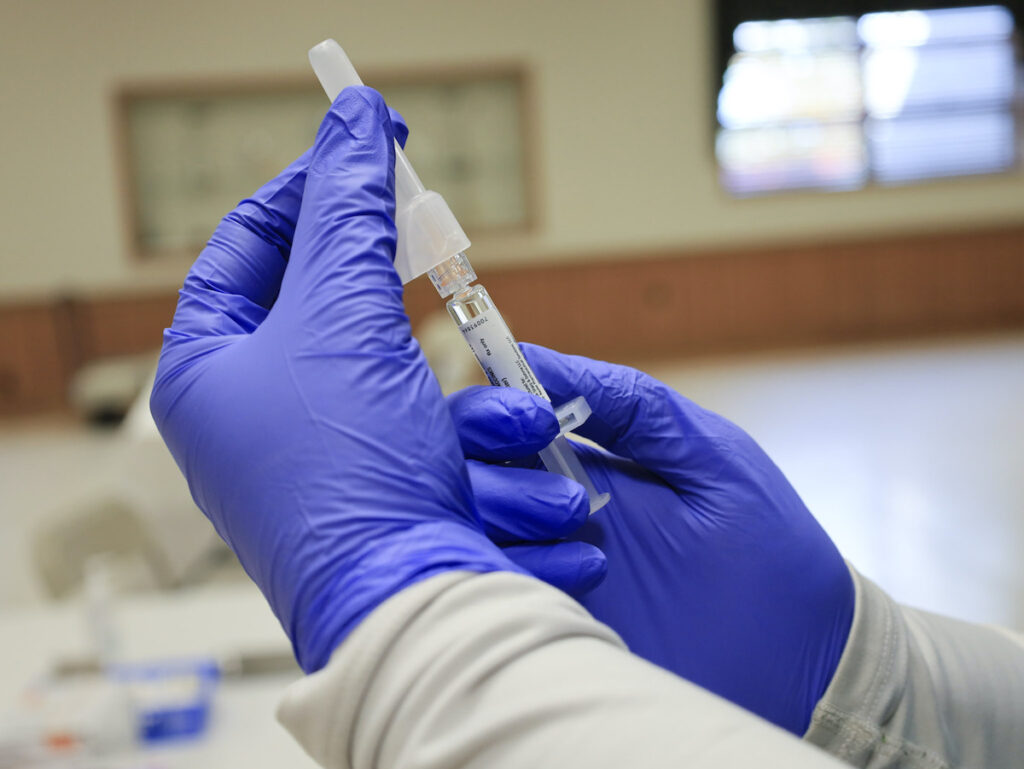
The state pop-up measles vaccine clinics are hosted at small venues in communities with pockets of unvaccinated residents, including in Lancaster County.
3 weeks ago
Listen 2:18
The Fight to Save Rural Hospitals — and Access to Healthcare
A look at the growing healthcare crisis in rural America — and emerging solutions for bringing care to patients.
Air Date: October 2, 2026
Listen 49:31
How a steady flow of data helps Pennsylvania primary care doctors manage their patients’ diabetes
Primary care providers say continuous glucose monitors can help diabetics successfully lower their blood sugar, especially when patients try them at local practices.
1 month ago
Listen 6:00