
Pa. election 2026: These state House and Senate races could change the balance of power in Harrisburg. Here’s what to know
Democrats are defending a slim House majority and trying to flip the Senate after decades of GOP control. The key contests stretch from Bucks to Lancaster and western Pa.


State Sen. Frank Farry, a Republican who represents Pennsylvania's 6th Senate District in Bucks County, faces Democratic challenger Eileen Hartnett Albillar. (Campaign photos)
In addition to the governor, Pennsylvania voters will elect all 203 members of the state House and half of the 50-member state Senate on Nov. 3.
As voters prepare to cast ballots in crucial races across the state, Republicans and Democrats are battling for control of the state legislature. The results will determine whether Pennsylvania continues operating under divided government or gives one party control of the legislature after the 2026 midterm elections.
Republicans hold a 27-23 advantage in the Senate, their narrowest majority in more than a decade. Therefore, an outright Democratic Senate majority would only require a net gain of three seats.
A Democratic sweep of the governorship and both chambers could clear a path for proposals Democrats have long pushed for but that have stalled under divided government, including raising Pennsylvania’s minimum wage, legalizing recreational marijuana, expanding transit funding, adopting paid family leave and codifying abortion protections.
While two pickups could give Democrats effective control of a 25–25 chamber through Democratic Lt. Gov. Austin Davis’ tie-breaking vote, that would only apply to procedural matters.
Democrats currently hold a 103-100 majority in the House, meaning Republicans need a net gain of two seats to take control. A Republican takeover of the House or continued control of the Senate would preserve a significant check on Shapiro’s agenda and give the party leverage over the state budget, election law, education and energy policy.
Pa. election 2026: What to know
- 🤔 Voter FAQs: WHYY News’ Pa. voter guide has the answers you need.
- 🗳️ Governor’s race: Here’s what to know about the race between Josh Shapiro and Stacy Garrity.
- 💰 On the issues: Here’s where Shapiro and Garrity stand on the economy, health care and more.
- 📬 Voting by mail: Here’s what to know about requesting, filling out and returning your ballot.
- 📱 Your go-to coverage: As election developments unfold, follow WHYY News on WHYY.org and the WHYY App.
The fight for the Pa. state Senate
Republicans have controlled the state Senate almost continuously for decades, but several suburban and exurban districts have become increasingly competitive.
Democrats’ most direct path to a majority runs through four Republican-held districts in eastern Pennsylvania: the 6th, 16th, 24th and 40th. If they can win three, without losing any of their own seats, they will gain an elected majority in the state Senate for the first time since 1978.



Related Content
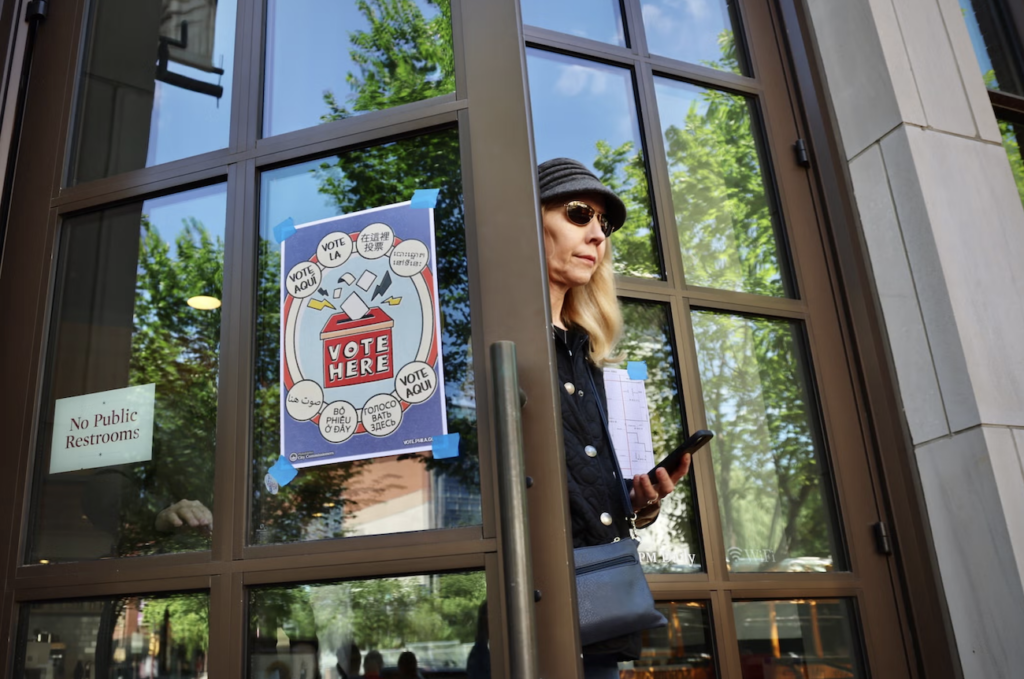
Pa. election 2026: Voter guides, key races and more
Election Day is Tuesday, Nov. 3. Here’s what you should know beforehand, from voter deadlines to who’s on the ballot in Philadelphia and statewide.
3 months ago
Democrats defend the Pa. state House
The House battlefield is broader, with competitive races scattered across western Pennsylvania, the northeast, the Philadelphia suburbs and the rapidly growing communities surrounding Harrisburg. Republicans need a net gain of two seats to win the chamber. Democrats, meanwhile, are simultaneously defending several Trump-won districts and targeting Republican incumbents in politically divided suburbs.
Democrats entered the current legislative session with a one-seat majority and expanded it further in August when Brandon Dukes defeated Republican Scott Timko by 98 votes in a special election for the 12th District in Butler County.
The result was particularly striking because Trump had carried the district by more than 18 percentage points. But Dukes and Timko face each other again in November, when higher turnout could produce a different result.

Get daily updates from WHYY News!
WHYY is your source for fact-based, in-depth journalism and information. As a nonprofit organization, we rely on financial support from readers like you. Please give today.
Part of the series

Blue wave in Bucks: How Bob Harvie defeated Republican Brian Fitzpatrick in Pa.’s 1st District
Fitzpatrick, a five-term incumbent, won by 13 percentage points in 2024. Two years later, the suburban battleground delivered Democrats their first victory since 2008.
2 days ago
Listen 1:38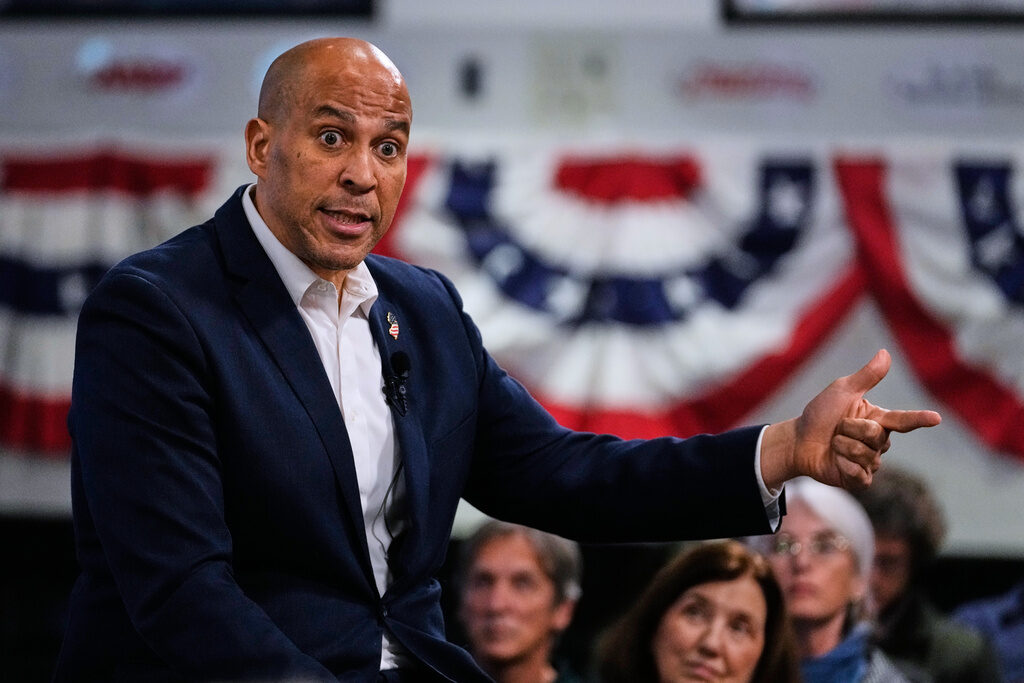
With Democrats set to take control of Congress, Booker is focusing on economic issues and rekindling the American Dream.
2 days ago
Listen 1:12
‘Blue tsunami’ leaves more questions to what it means to New Jersey
Analysts ponder on Democratic victories on Tuesday, Gov. Mikie Sherrill’s relationship with the Trump administration and state GOP’s future direction.
3 days ago
Listen 0:56