

Kensington gets another cleanup effort. What’s changed this time?
As Philadelphia’s Kensington “Blitz” continues, outreach workers and people on the street say services are still missing.
From Philly and the Pa. suburbs to South Jersey and Delaware, what would you like WHYY News to cover? Let us know!
“There are no beds. There’s plenty of money, but no beds,” said Frank Clark, who’s been sleeping on the street in Philadelphia’s Kensington neighborhood for some time.
Clark was among hundreds of people experiencing homelessness on Kensington Avenue when WHYY News visited in early October.
“Look at me right now,” he said, pointing at his arm, which he’d just bloodied through repeated attempts to locate an uncollapsed vein.
“This costs money,” he said of his addiction. “This costs so much more money than giving me a place to sleep.”
He’d spent hours trying to find a spot in a treatment program, he said. So far, he’d been unsuccessful.
“I can’t do it anymore. I’m done,” he said.
The neighborhood has long struggled with open drug use and homelessness. The city has sponsored several iterations of cleanup initiatives. The latest, titled the “One Philly Kensington Blitz” by Mayor Cherelle Parker’s administration, has brought increased police enforcement and cleaner streets to the Kensington corridor, drawing praise from some people who work in the neighborhood. But outreach workers and people experiencing homelessness say the effort is doing little to address their most pressing needs: access to addiction treatment, medical care and a safe place to sleep.
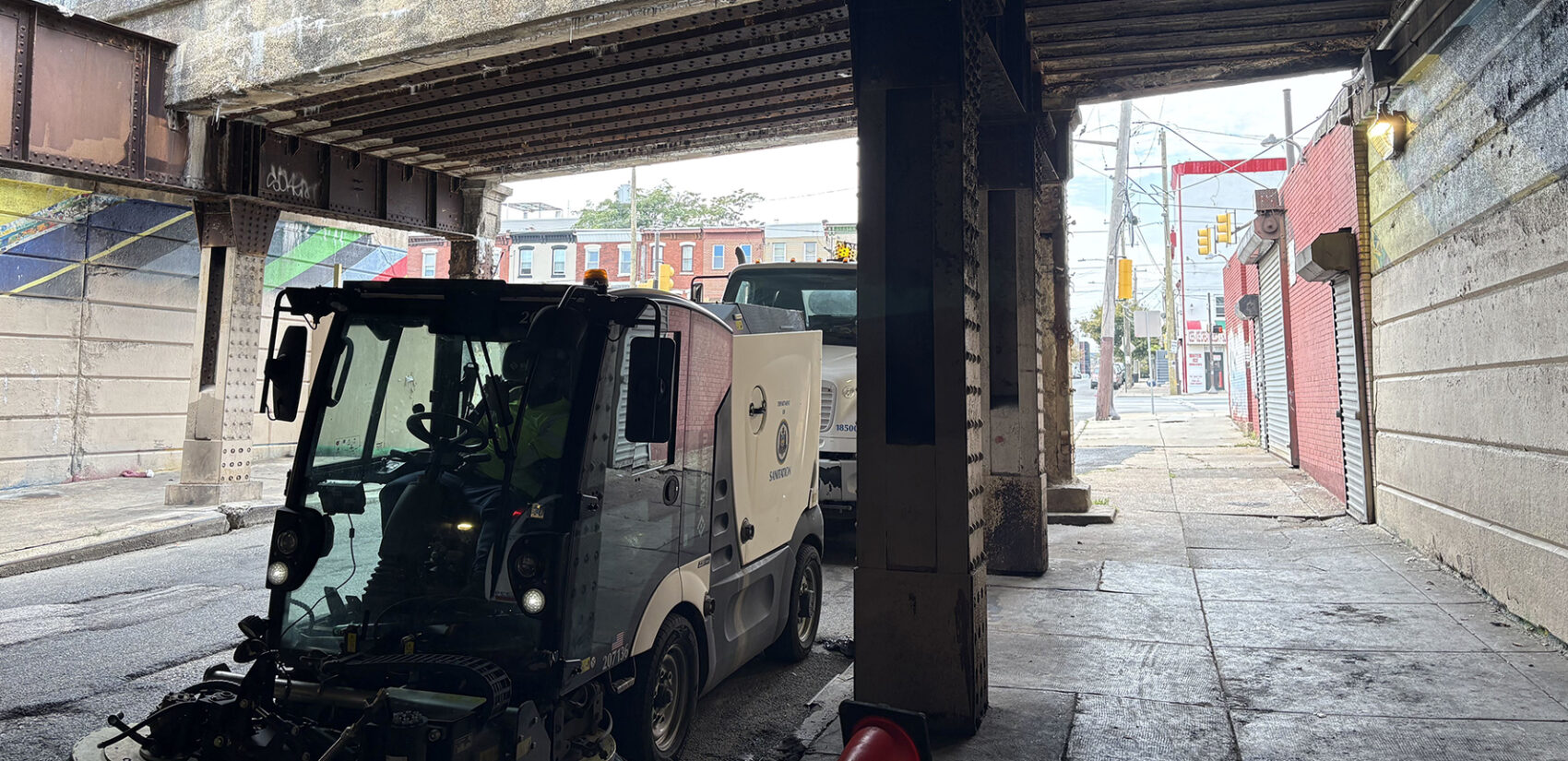
“Year after year, we watch the same cycle. Politicians show up with camera crews, stand on a freshly cleaned block, congratulate themselves on progress and leave,” said Sarah Laurel, founder of the Philadelphia and Delaware County-based recovery organization Savage Sisters.
“Then, the community returns to the same conditions, and the following year we get a new branded initiative and another promise that this time will be different,” she said. “If nothing fundamentally changes for the people living here, we haven’t solved the problem. We’ve just moved it long enough to take a picture.”
‘This dope is different’
“I can’t remember the last time it felt good,” said Keirsten Savage, who’s experienced episodic homelessness in Kensington. “Detox puts me into the [intensive care unit] now. I’m just trying to avoid that.”
Savage said she previously had over five years of sobriety.
“Xylazine, medetomidine; you just can’t kick it like you used to be able to,” she said. “The dope is different.”
Medetomidine, a powerful sedative used in veterinary medicine, has been reported in Philadelphia’s illicit drug supply since at least 2024. It has increasingly supplemented or replaced xylazine, another sedative commonly known as “tranq,” in the city’s ‘dope.’
The drug can dangerously slow a person’s heart rate, lower blood pressure and cause prolonged sedation, increasing the risks associated with an overdose, according to a 2026 report by the U.S. Centers for Disease Control and Prevention. Withdrawal can also be dangerous. People who stop using medetomidine after repeated exposure can experience a racing heart, dangerously high blood pressure and other complications that may require hospitalization or intensive care, according to the CDC.
Medetomidine is not an opioid, so its effects cannot be reversed by naloxone, a drug that reverses opioid overdoses that many know by its brand name, Narcan. But naloxone can still reverse the effects of fentanyl and other opioids taken with it and should be administered in suspected overdoses.
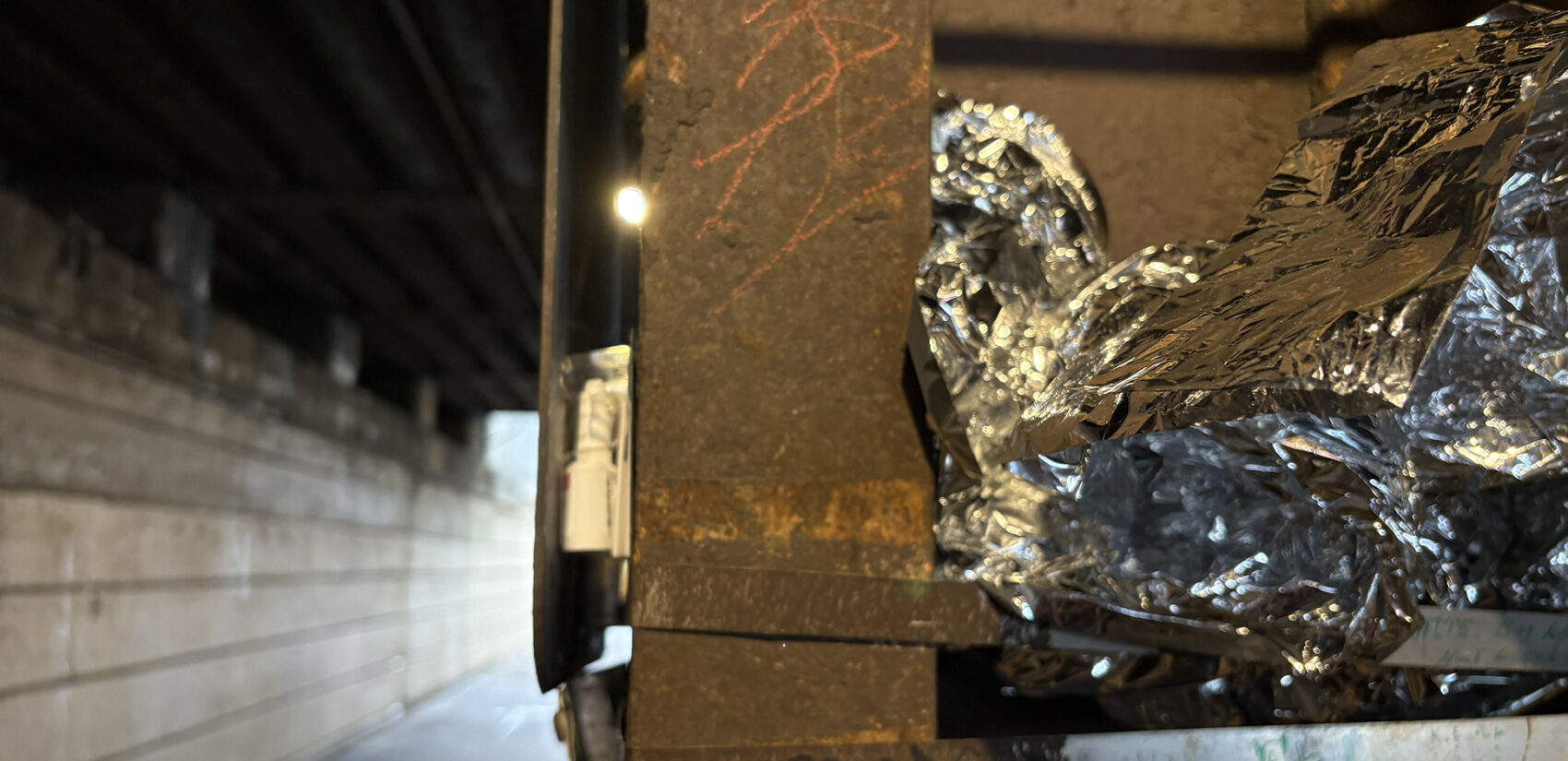
“The rate of people leaving programs [against medical advice] is nearly 100%,” Savage said. “I feel sicker than I’ve ever felt.”
The rate at which patients leave a rehab setting against medical advice is difficult to ascertain, as clinics typically do not report such data. Studies conducted on treatment retention rates for people with opioid use disorder produce highly variable results. One conducted by researchers with the Human Service Center concluded that the country’s attrition rates “are high with approximately 75% to 80% of treatment seekers disengaging.”
Another study done by researchers with RTI International found a lower disengagement rate of around 40% among patients in a methadone program.
Savage recently entered a methadone program, found a place to sleep at night and hopes to fully wean herself off street drugs soon.
Related Content
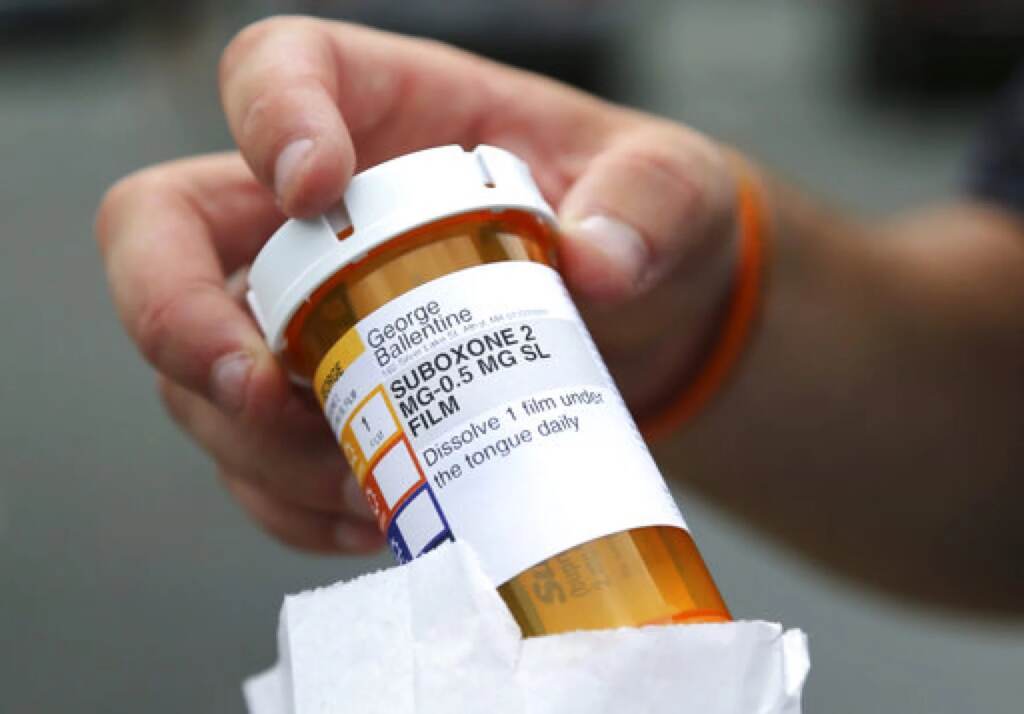
Buprenorphine prescribing increased in urban and rural areas, but Philly experts say telehealth could bridge remaining treatment gaps.
2 months ago
Listen 1:18Parker’s ‘Blitz’
The newly launched “One Philly Kensington Blitz” will “move sequentially block-by-block across the corridor to clean, stabilize, and reclaim public spaces,” according to a late-September press release.
“We are bringing a dozen City operating departments together—deploying heavy sanitation assets, removing debris, power washing, clearing structural alleyways, and scaling up crisis triage,” it said.
The Office of the Managing Director, which oversees the initiative, told WHYY News that outreach workers have spoken with 1,400 people since Sept. 12. Of those, the office placed 29 in shelters, 16 in treatment and seven in safe haven, it said.
That’s a placement rate of less than 4%.
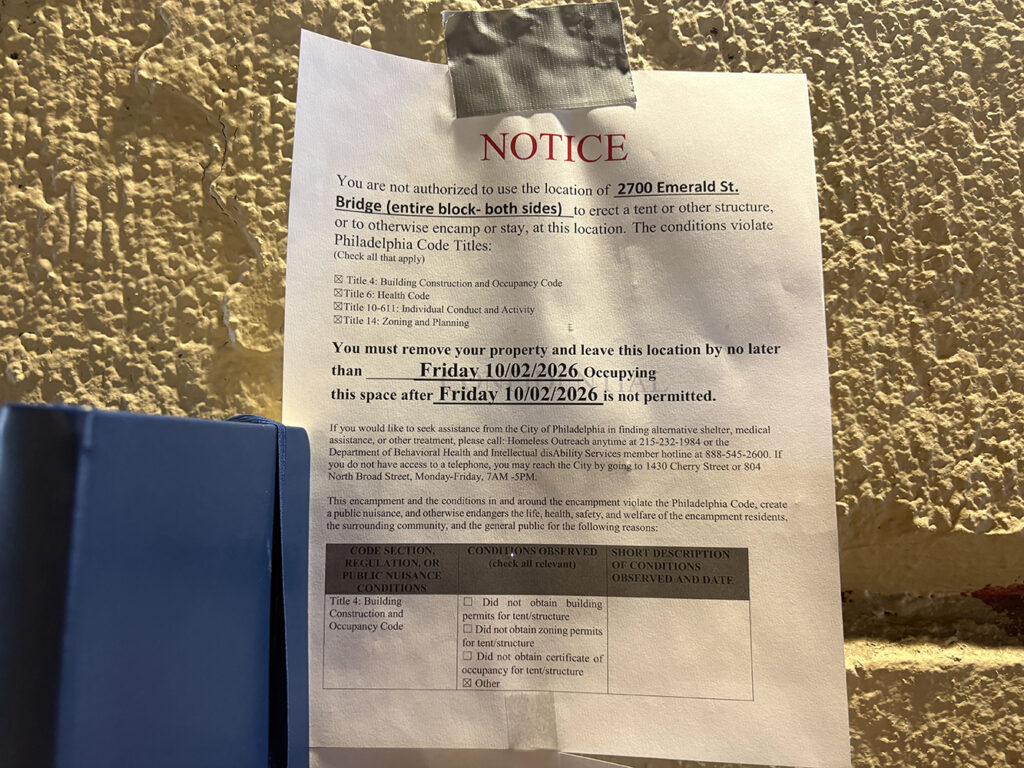
The Philadelphia Police Department began clearing out any tents in the immediate vicinity of Kensington Avenue on Oct. 2, according to flyers the city posted in high-traffic areas around the neighborhood.
“We feel safety for the first time in years,” said Gabriel Franzesco, a cashier at Jonas Mini Market, located near Kensington Avenue and East Somerset Street, from inside a thick plexiglass enclosure.
“The police are doing a great job; they’re always in here asking if we’re okay, asking what we need,” he said. “Nobody’s standing around outside anymore. PPD comes and moves them in a couple minutes.”
Increased police presence has helped make Kensington safer, said James Clark, who works security at a Catholic Charities building off Kensington Avenue.
“It’s helped, but the main thing is getting [the people out here] to want to help themselves,” he said.
“It’s addiction,” he said, “that’s what it all comes down to.”
“Until that’s fixed, you’re going to run into the same problems over and over.”
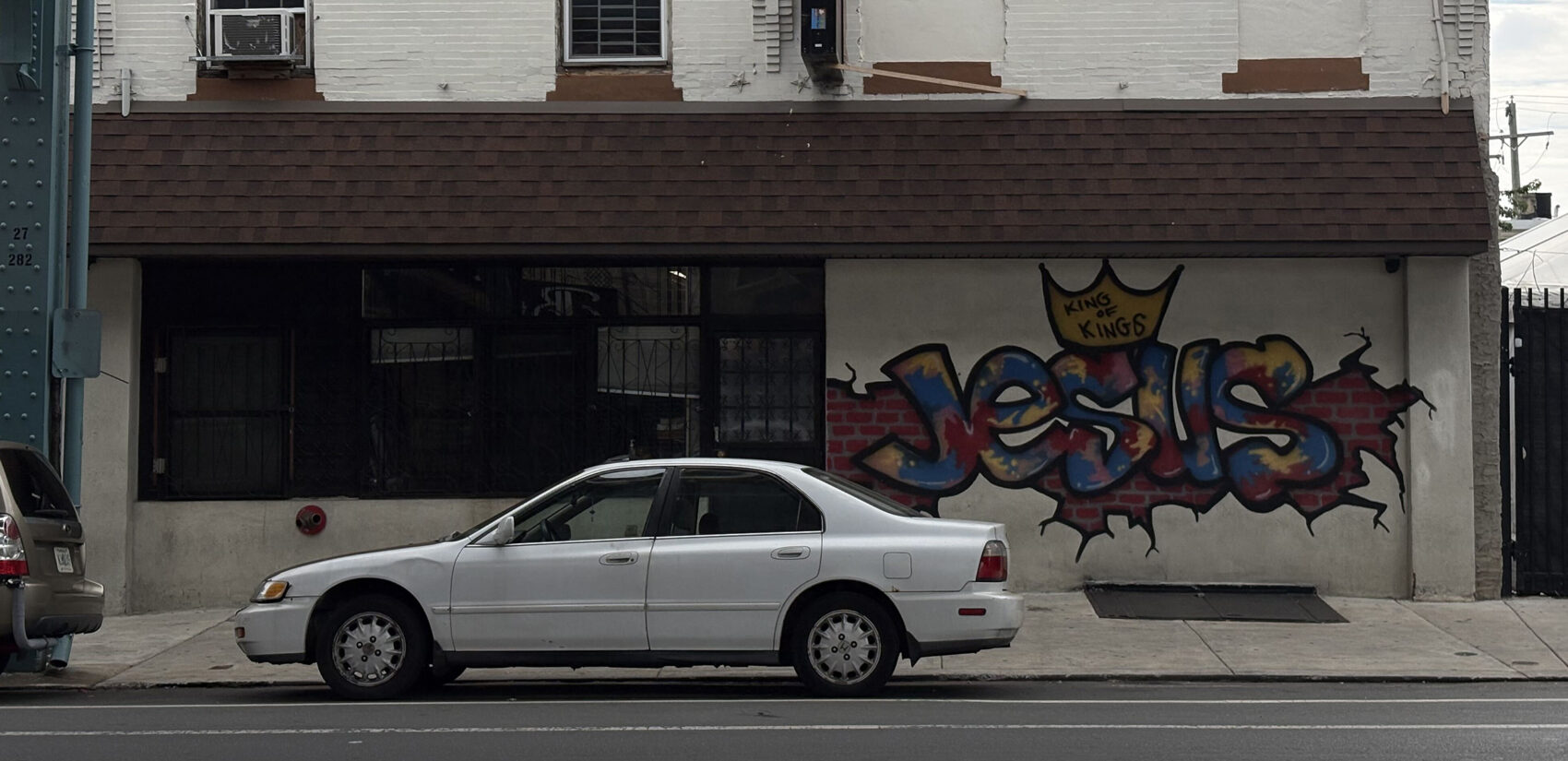
Sarah Laurel’s team spent most of Oct. 2 doing on-the-ground outreach while police performed patrols. She said that of the 150 people her team engaged, all reported being ordered to move by police and offered no city services.
“The team didn’t see anyone with resources, no one from [the Office of Housing Services] or [the city’s Department of Behavioral Health and Intellectual disAbility Services],” Laurel said, adding that the team did see municipal workers doing street cleaning.
The Office of the Managing Director sent WHYY News a statement but did not address Laurel’s claim.
Broadly, service providers have been restricted around Kensington this year. In 2025, City Council overwhelmingly passed a bill that, among other things, restricted mobile medical and harm reduction services to two designated locations on East Lehigh Avenue and Allegheny Avenue.
The dearth of medical care has been disastrous for some.
“Actually getting medical care is huge. … You can see I’m pretty swollen,” Savage, 41, said, gesturing to her face and ankles. “I have a kidney condition. … I’d actually be fine with a certain medication, but because of [drug use] I can’t go on steroids without risking a huge infection.”
Years on the street in Kensington worsened her condition, Savage said. She noted how hard it is to get care in the neighborhood. Outside of wound care and other basic services, which have been restricted in recent years, people experiencing homelessness have few options, she said.
“People would rather wait until they can’t walk than go without dope in a hospital,” she said.
Related Content
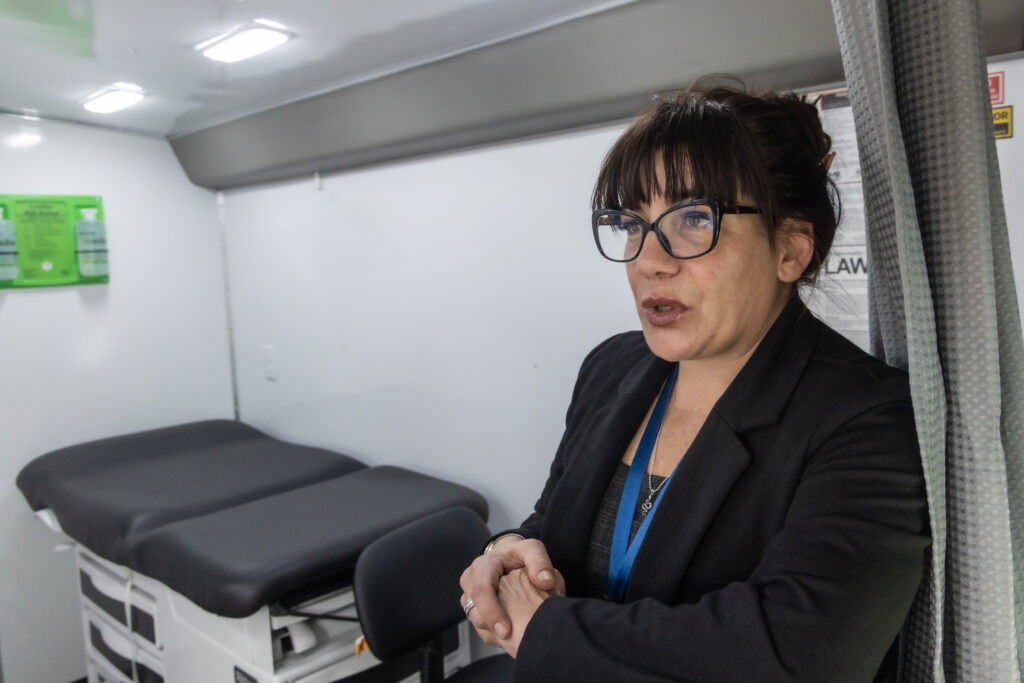
Philadelphia’s first mobile methadone van brings addiction treatment directly to Kensington
The program has connected more than 500 people to methadone since launch, offering support for patients who may struggle to reach traditional clinics.
2 months ago
Listen 1:41The view from St. Francis Inn
Brother John Neuffer, a friar at Kensington’s St. Francis Inn, said some of the neighborhood’s more extreme displays of drug use and homelessness have become rarer.
“The enforcement’s been more noticeable; people used to sleep on the sidewalk [in front of the inn],” Neuffer said.
He said the Inn faced nuisance fees from the city over it about a year ago. The city eventually threatened to shut down St. Francis Inn, a fixture of Philly’s nonprofit community since the 1970s, unless it took steps to prevent people from sleeping outside.
Eventually, the Inn had to hire outdoor security to keep the sidewalks clear, he said.
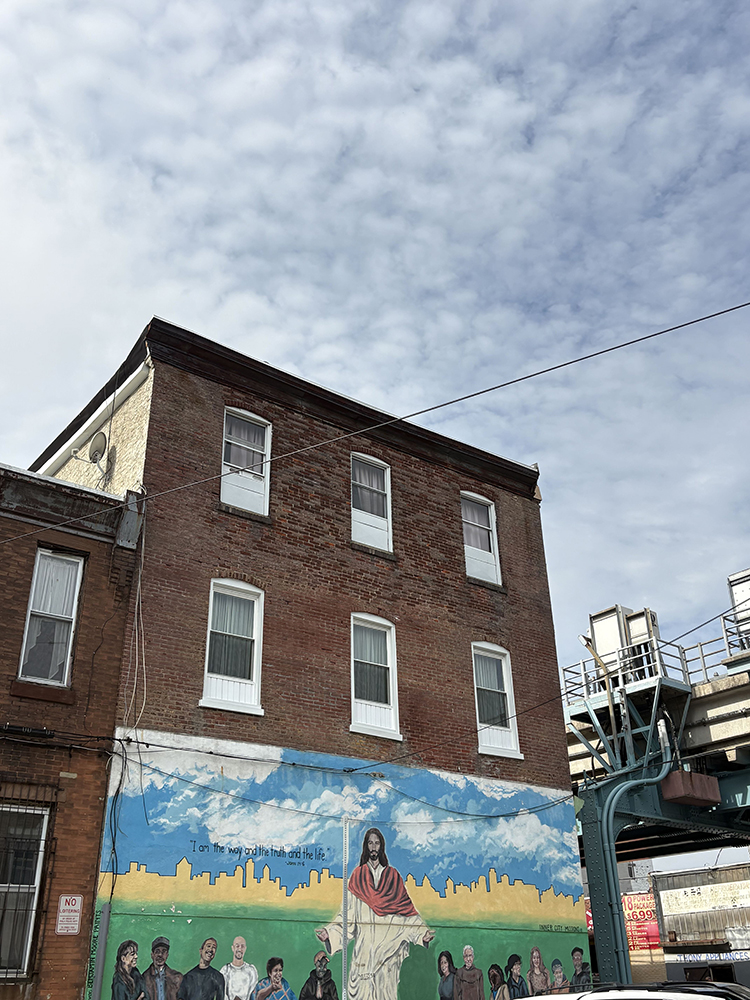
Neuffer noted the effect of redevelopment on the homeless population; long-vacant properties once used for shelter are increasingly being converted into apartments to accommodate gentrification spreading from Fishtown, forcing more people back onto the street in a more concentrated area.
He’s served food at the Inn’s soup kitchen for two years. The food is served restaurant-style, a choice intended to provide dignity to a demographic all too often denied it, Neuffer said.
Pushed from block to block
Many people on Kensington Avenue said they have begun sleeping on the street in other neighborhoods since increased enforcement began.
Savage said recent enforcement actions have dramatically lowered the quality of life for people sleeping outdoors.
“When they move people, where do you think they go? They just move on to another street or another block,” she said. “Or they just come back five minutes later.”
“People around here used to rig up their camps like crazy,” she said. “It wasn’t always so bad … now, people have to move every night so they don’t get [their property confiscated by police]. They want to make life more uncomfortable.”
Tori Mount, who’s experienced homelessness in Northeast Philly for years, said that she and her husband, along with two other couples, now camp in an empty lot in Northern Liberties, surrounded by above-market-price housing.
“They told us we have a couple weeks to move on. We’ve been here for months. We’re couples. We clean up after ourselves. We don’t cause problems,” she said.
“Where should we go?”
___
SAMHSA’s National Helpline, 1-800-662-HELP, is a free and confidential 24/7 service offering information in English and Spanish for individuals and families facing mental health crises or substance use disorders.

Never miss a moment with the WHYY Listen App!


WHYY is your source for fact-based, in-depth journalism and information. As a nonprofit organization, we rely on financial support from readers like you. Please give today.
‘Rewilding Philadelphia’ greening project brings pocket forest to Kensington
A coalition of conservation groups and artist Pete Angevine plan to plant 1,500 trees on a vacant lot.
5 months ago

Unrivaled Basketball to play games in Philadelphia during 2026 season
Four of the league’s eight teams will play back-to-back games starting Friday, Jan. 30, 2026, at Xfinity Mobile Arena.
1 year ago
Listen 1:07
Children among 6 injured in fire that spread to multiple Kensington homes
The fire was reported just after 6 p.m. on Reach Street. Philadelphia officials say the injured include three adults and three children.
1 year ago