

Microplastics found in waterways throughout the Philly region; environmentalists call for plastics crackdown
PennEnvironment and Drexel University researchers found microplastics in more than 20 waterways across the watershed.
Listen 1:14
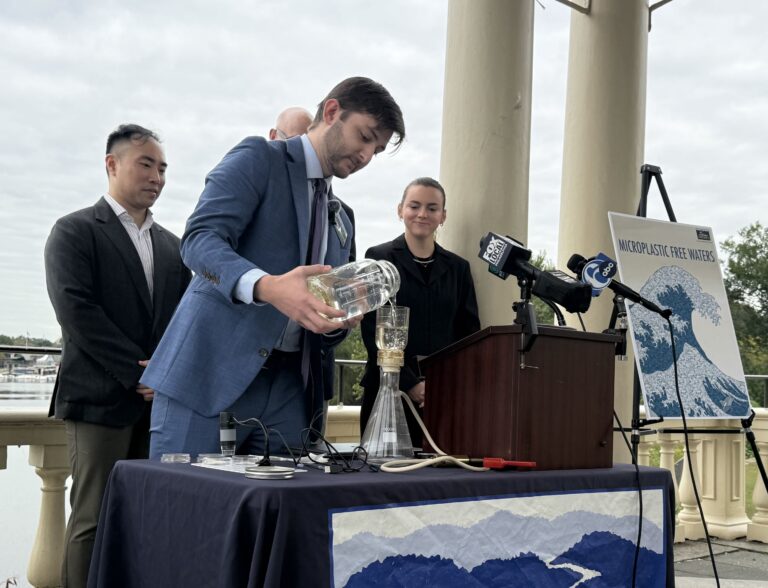
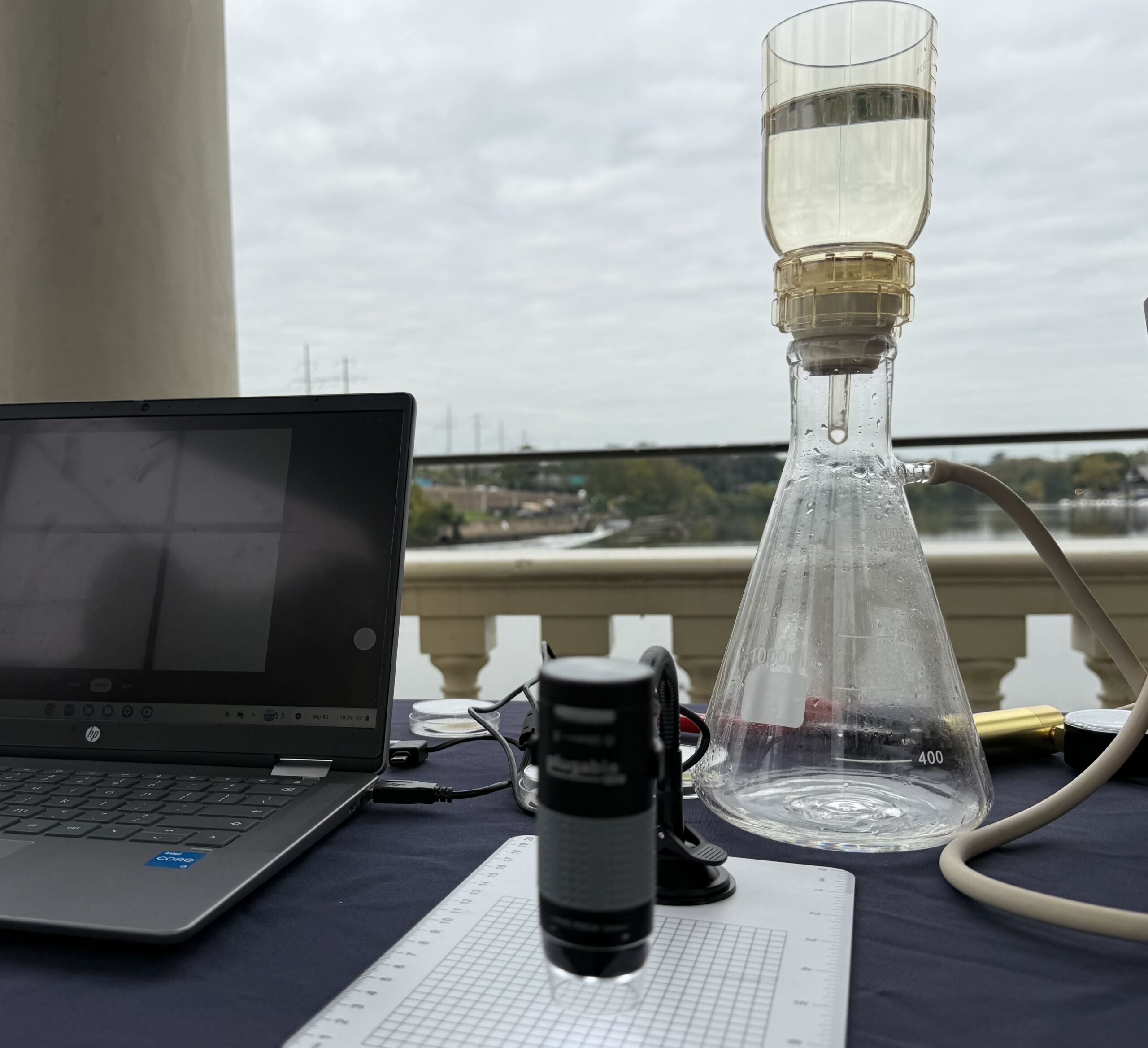
Faran Savitz of PennEnvironment demonstrated how researchers detected microplastics in water samples from the Delaware River watershed. (Zoë Read/WHYY)
This story is part of the WHYY News Climate Desk, bringing you news and solutions for our changing region.
From the Poconos to the Jersey Shore to the mouth of the Delaware Bay, what do you want to know about climate change? What would you like us to cover? Get in touch.
Microplastics are persistent across the Delaware River watershed, including in the Philadelphia region, according to a new report by the PennEnvironment Research and Policy Center.
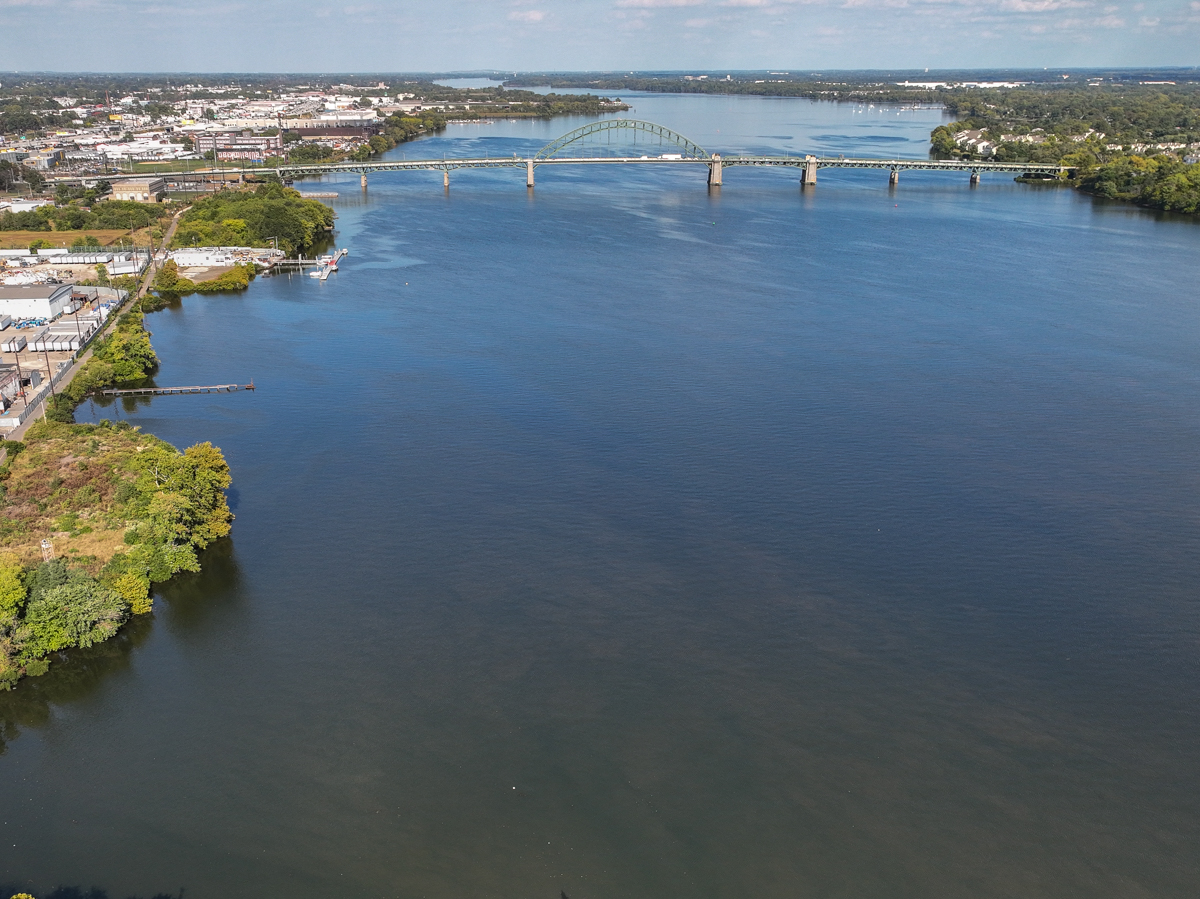
The nonprofit worked with researchers at the Academy of Natural Sciences of Drexel University and found microplastics in every sample taken from 22 waterways, including the Delaware River, the Schuylkill River and the Brandywine Creek.
The Delaware River watershed provides drinking water to 14 million people in New York, New Jersey, Pennsylvania and Delaware, and it is home to thousands of species, from trout to river otter.
“The results of this study should set off alarms for all residents of the watershed and concerned citizens who love our rivers, who love our streams and who care about our environment,” said Faran Savitz, a zero-waste advocate at PennEnvironment. “The staggering amount of microplastics we found likely means that no river, no lake and no stream in the watershed is free from this contamination.”
More than 400 million metric tons of plastic are produced worldwide each year, ultimately making their way to landfills and incinerators. Plastics do not biodegrade organically, but instead break down over time into smaller fragments called microplastics, which persist in the environment and bioaccumulate in living organisms.
The particles are also discharged from industrial facilities and wastewater treatment plants into local waterways. They can also enter waterways from the application of biosolids on land, stormwater runoff and the dumping of trash.
People can also be directly exposed to microplastics by using plastic bottles, or by wearing cosmetics and synthetic clothing.
Related Content
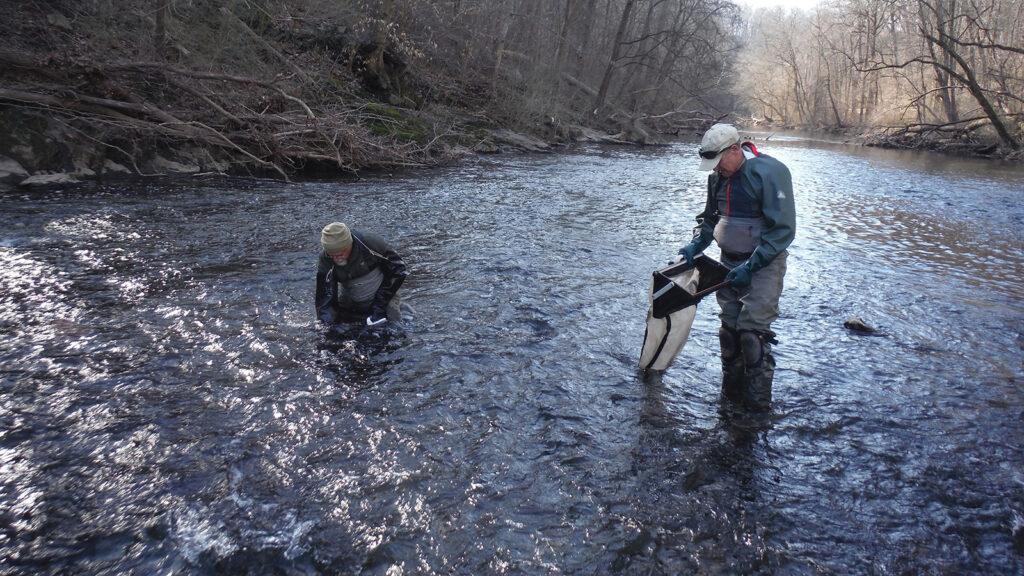
Researchers find microplastics in insects from Schuylkill River watershed
The researchers found that microplastics were as prevalent in forested parts of the watershed as they were in urban areas.
2 months ago
Listen 1:21Microplastics and nanoplastics are often invisible to the human eye and are easily ingested. These particles have been detected in the human bloodstream, brain tissue and other organs, and some researchers say exposure could increase the risk of heart attack or stroke.
Research is ongoing, however, and scientists don’t know the specific harms on the human body.
“Plastics and microplastics are everywhere, from our clothing to the ubiquitous water bottle,” said David Velinsky, an environmental scientist and professor who helped guide the microplastic testing at Drexel.
“When plastic is not properly disposed of, it can break down into smaller and smaller pieces, and can travel great distances through the air and in the water,” Velinsky said. “While we have seen striking images of birds and seals entangled in plastics, we are now learning that microplastics can also be taken up by animals, including humans, and plants.”
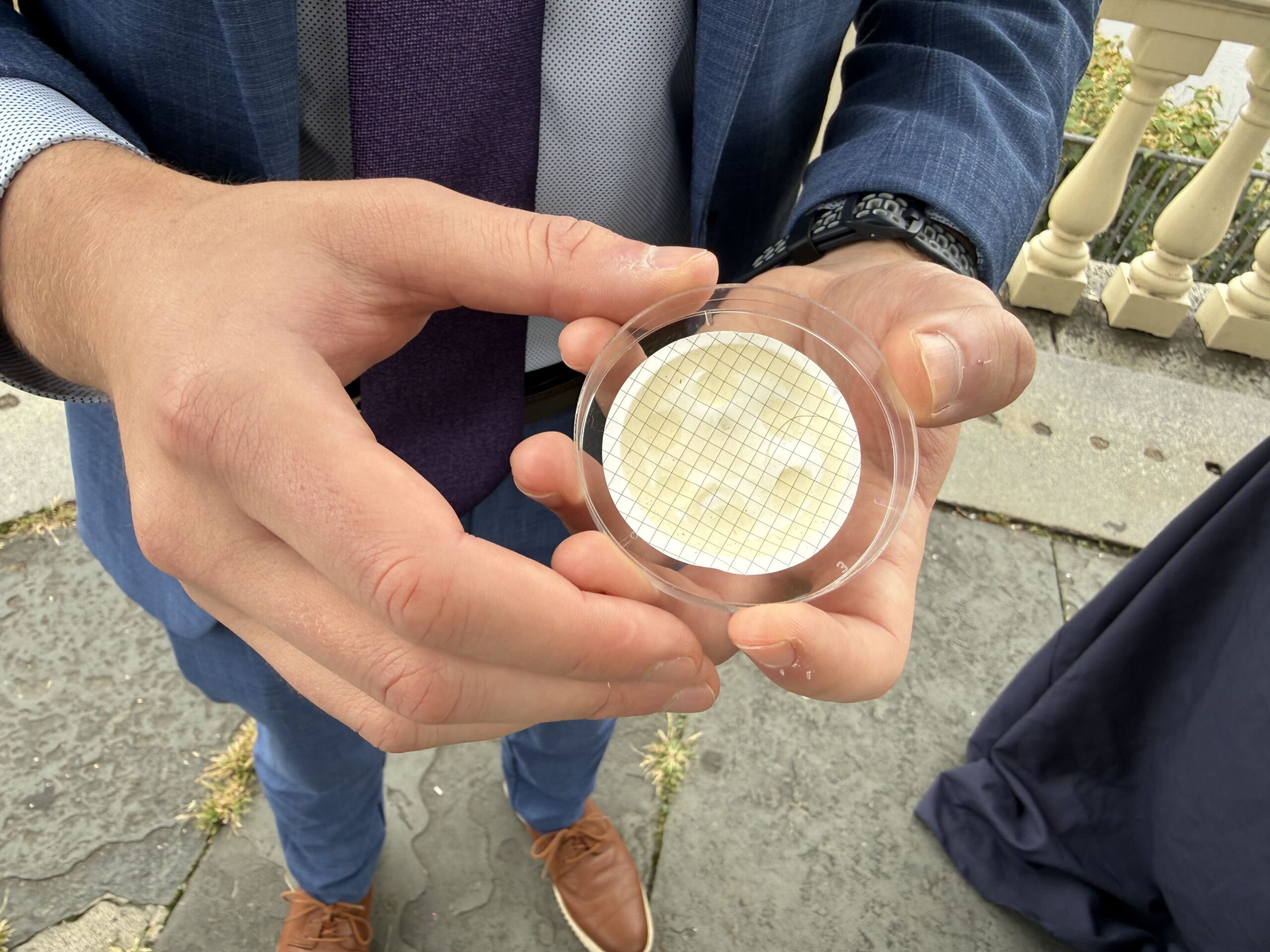
After PennEnvironment and Environment New Jersey collected samples from waterways in Pennsylvania, New Jersey, New York and Delaware, Drexel University students and staff tested the samples for four types of plastics: fibers, film, fragments and microbeads.
Microplastic fibers, which are commonly found in items like clothing and textiles, were found in every waterway the team sampled. Plastic fragments, which typically break off of products like bottles and tires, were detected in 82% of waterways.
Film, which comes from plastic bags and packaging, was found in 77% of waterways. Microbeads, from cosmetics and personal care products, were in 27% of the sampled waterways.
The study did not evaluate the origins of the microplastics or the level of contamination in each waterway.
PennEnvironment is calling on federal, state and local officials to pass laws that force packaged goods producers to pay for the waste management and recycling of plastics, also referred to as extended producer responsibility. The nonprofit is also urging lawmakers to expand single-use plastic bag bans. Pennsylvania is the only state in the Delaware River region that has not banned single-use plastic bags statewide.
PennEnvironment is also calling for new laws that would prevent plastics facilities from releasing pellets into waterways through wastewater discharges, leaks and spills.
Reports find that most plastics that people toss into recycling bins are not recycled, and instead end up in landfills. Savitz said the only way to tackle plastic pollution and microplastic contamination is to reduce plastic production and use.
“If we want to protect our environment and our health, it requires a multipronged societal approach,” he said. “We need to change the way that we produce and consume goods to make the products that consumers use and buy more sustainable. We need to make the creators of an environmental hazard like plastic pollution take responsibility for the waste that they create.”
Related Content
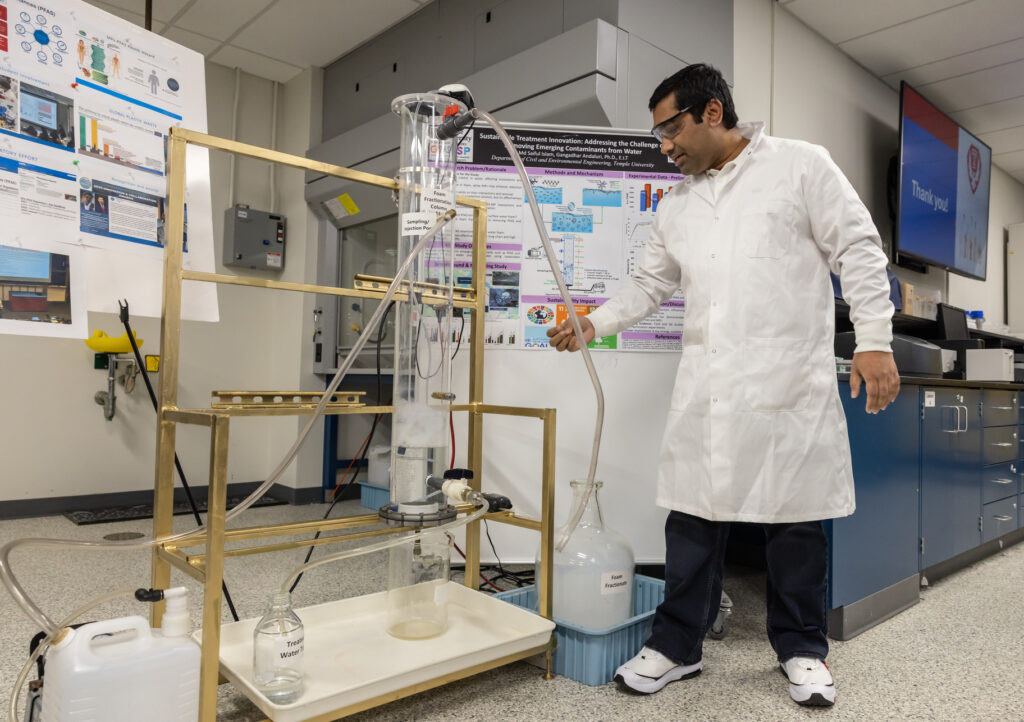
Temple researchers hope to remove PFAS, microplastics with sustainable treatment method
Water providers are removing toxic PFAS chemicals from drinking water, but current methods are energy intensive. Temple researchers are looking at alternative technologies.
9 months ago
Listen 1:12There currently are no federal regulations for microplastics in public drinking water, and most water providers don’t monitor for these contaminants. The Trump administration this year announced plans to research microplastics in drinking water.
However, researchers say more microplastics are found in plastic water bottles than in tap water. University of Pennsylvania researcher Derek Ho, also known as “Dr. Microplastics,” encourages people to drink filtered tap water and reduce the number of bottles they rely on.
“[Plastic bottles are] literally covered in plastics, it will crinkle, it’ll fragment into all these smaller fragments, and it’s usually the smaller fragments, even the nano-size, that is actually more detrimental,” said Ho, who leads Plastic-Free Pals, an organization that works to educate the public on microplastics.
Valinsky said people can also make a difference by replacing plastic containers with glass containers and avoiding using plastic bags.

Get daily updates from WHYY News!
WHYY is your source for fact-based, in-depth journalism and information. As a nonprofit organization, we rely on financial support from readers like you. Please give today.
Part of the series
Part of the series

Watershed
Preserving Our Water: How we use our Delaware Watershed.
The project is funded by The William Penn Foundation.
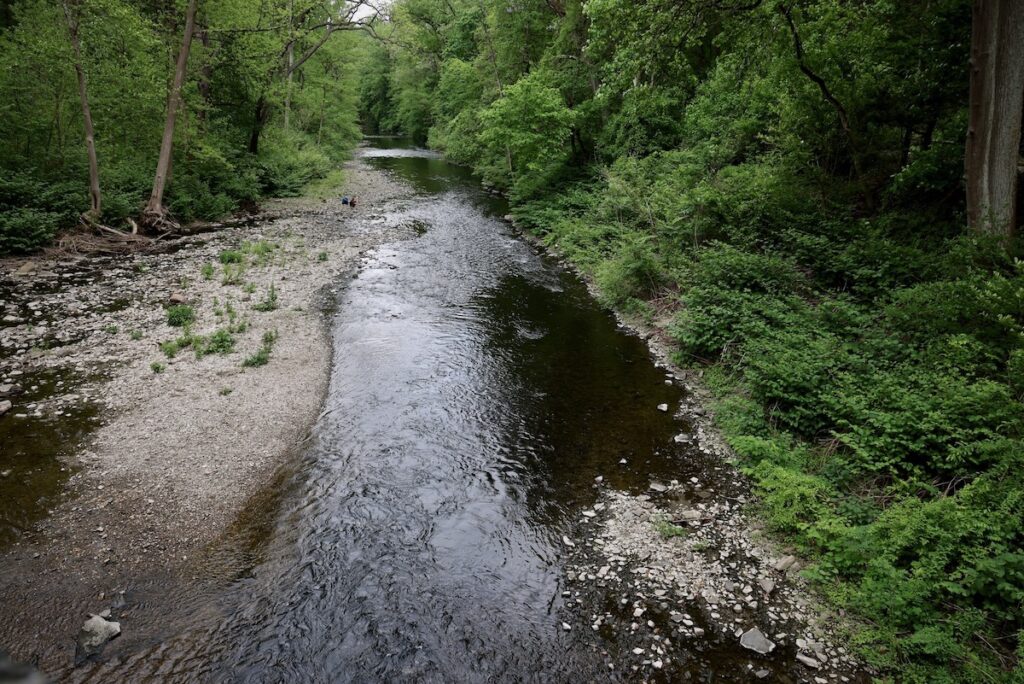
Anglers warned to not eat PFAS contaminated fish from the Wissahickon watershed
Environmental regulators found high levels of PFAS chemicals in fish tissue sampled from the Wissahickon Creek and its tributaries.
3 days ago
Listen 1:04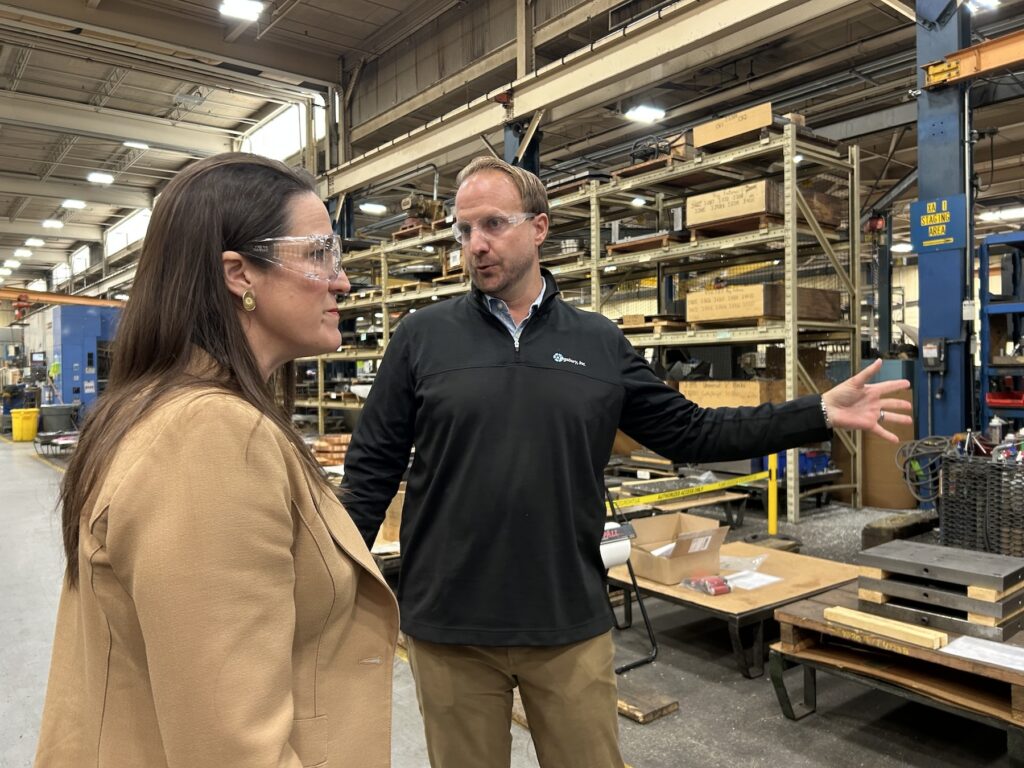
Hydropower parts manufacturer in Northeast Philadelphia lands federal research partnership
Kingsbury plans to test new materials for hydroelectric power equipment that can support the needs of modern-day grids.
6 days ago
Listen 1:09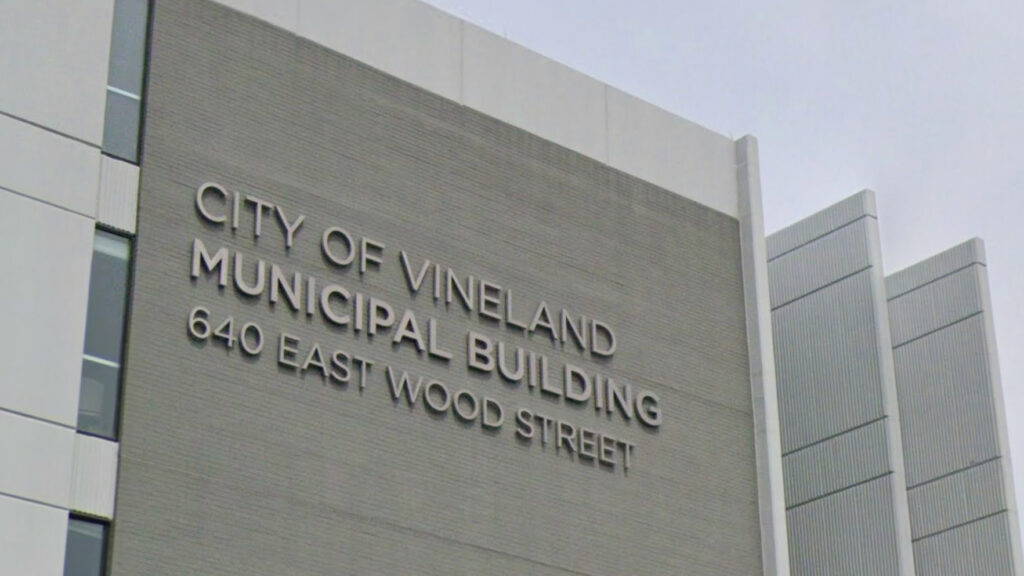
EPA announces new plan to clean up arsenic contamination at Vineland chemical site
The Vineland Chemical Company produced arsenic-based herbicides and fungicides for 45 years, causing widespread contamination.
6 days ago
Listen 0:53