

Original Mary McFadden dresses are archived at Philadelphia’s Woodmere Museum. They are showing up at parties
The late designer’s estate gave hundreds of pieces of clothing to the Woodmere, which is now creating a fashion lending library.
From Philly and the Pa. suburbs to South Jersey and Delaware, what would you like WHYY News to cover? Let us know!
The Woodmere Museum in Philadelphia’s Chestnut Hill section is the new home to a trove of original clothes by the late fashion designer Mary McFadden.
You can borrow them if you like.
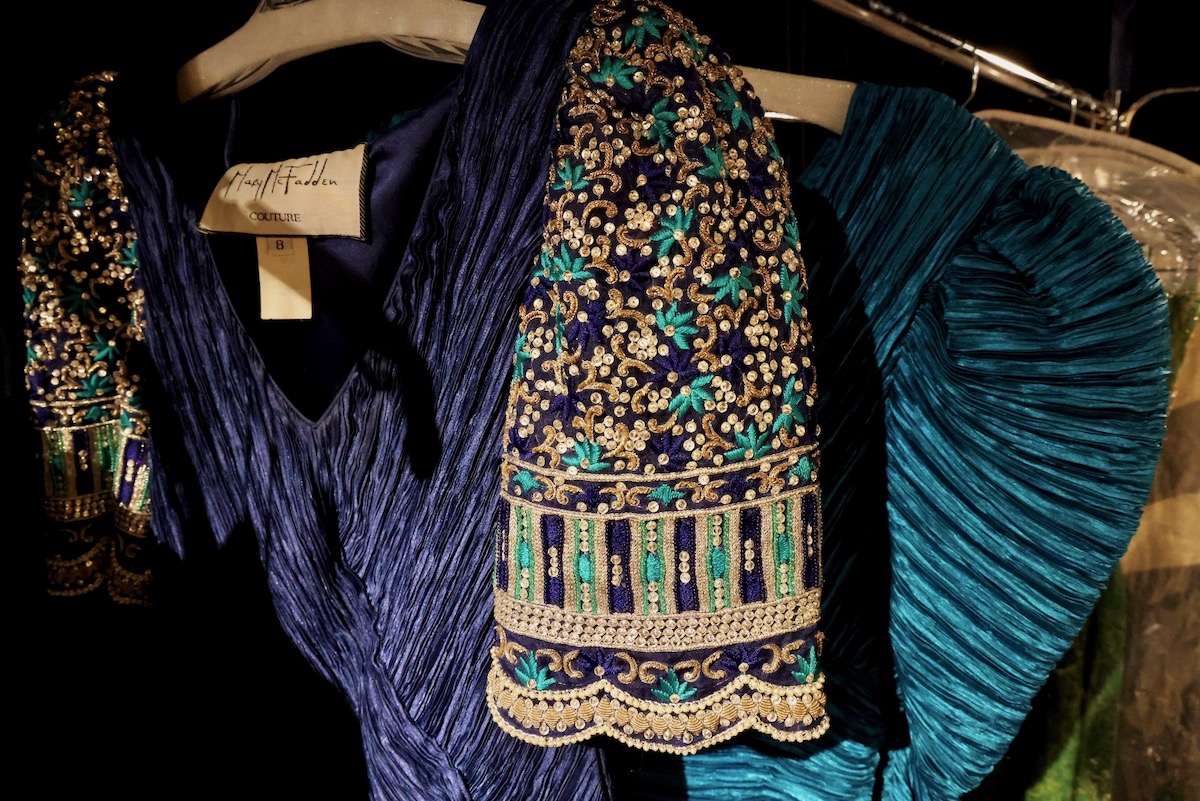
Hundreds of formal gowns, coats, skirts and jackets that McFadden made for clients since the 1970s are hung on racks in an underground room of Woodmere’s Maguire Hall. They have precious stones sewn into bodices, quilted silk in elaborate patterns and columns of McFadden’s signature micro pleats.
The Woodmere is photographing the collection for a searchable website with detailed descriptions of each item: A heavy leather coat lined with Mongolian goat fur, a gauzy skirt painted with delicate shades of blue and grey reminiscent of an impressionist’s lake surface.
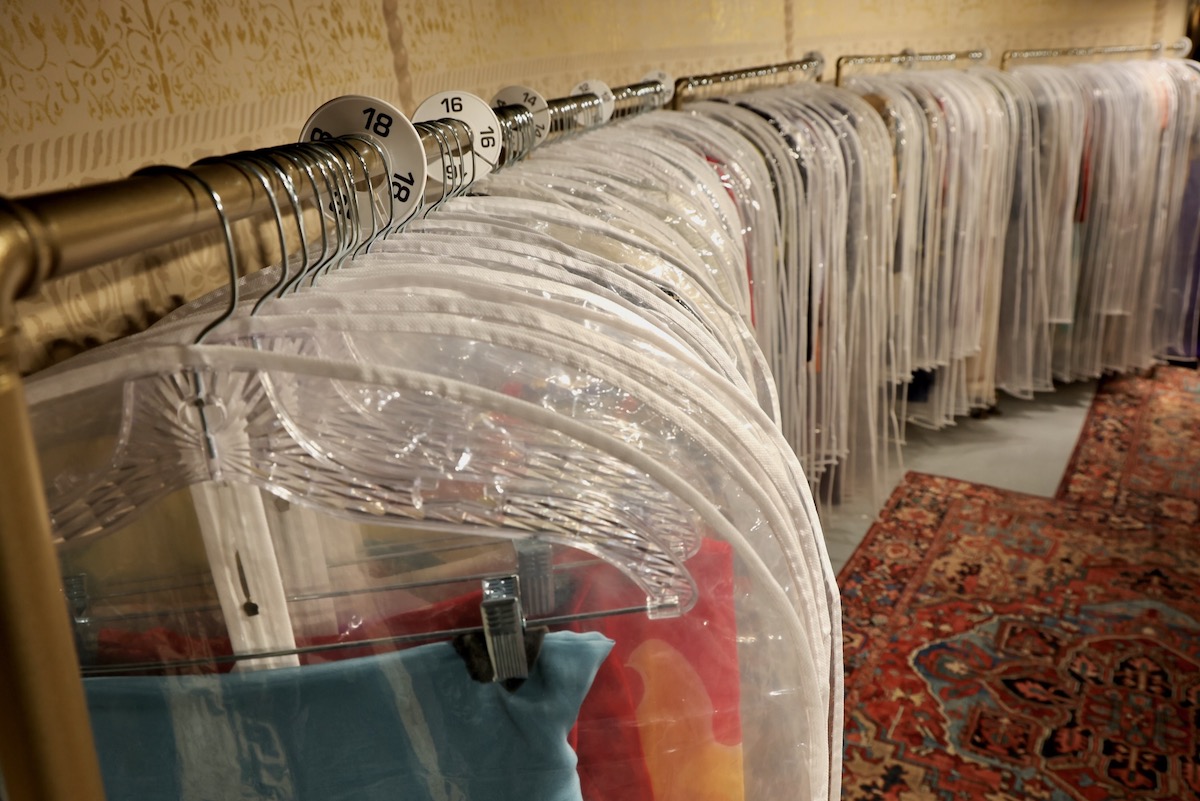
The museum is using the clothes to launch a lending library. Director William Valerio said Woodmere members at a yet-to-be determined membership level can request pieces from the collection to wear for special events.
“It’s a new way of thinking about these garments, which we do consider works of art, but the idea being that you can borrow one for a special occasion and it moves out into the world,” Valerio said. “We were not seeking to build a costume and textile collection, but this was a singular opportunity.”
McFadden’s Philadelphia connection
Before her death in 2024 at 85, McFadden had been a globally recognized designer of women’s clothes, largely for classic formalwear inspired by her interests in art and architecture of ancient civilizations. She was the first female president of the Council of Fashion Designers of America.
While McFadden was born in Manhattan and lived much of her adult life there, her family had deep ties to Philadelphia. Her great-uncle John H. McFadden was from the city and, with a fortune earned as a cotton merchant, he amassed an extensive collection of British art. The collection became a cornerstone of the Philadelphia Museum of Art’s holdings when it opened in 1929. Her uncle, George McFadden, was an amateur archeologist with the Penn Museum, and also served as an American spy during World War II.
Since McFadden’s death, her clothes have been moving around a bit. In 2024, they were donated to Drexel University, which has a notable fashion design program and a large collection of historic clothes. Drexel highlighted the donation in an exhibition titled “Modern Ritual: The Art of Mary McFadden.”
That lasted until October 2025, when the archive was moved to the Pratt Institute in New York City. Then, last summer, most of the clothes were transferred again to the Woodmere Museum, with Pratt retaining several dozen pieces.
“This move positioned the McFadden Archive to offer greater access to scholars, students, curators and the fashion industry,” a Drexel spokesperson said in a statement.
Related Content
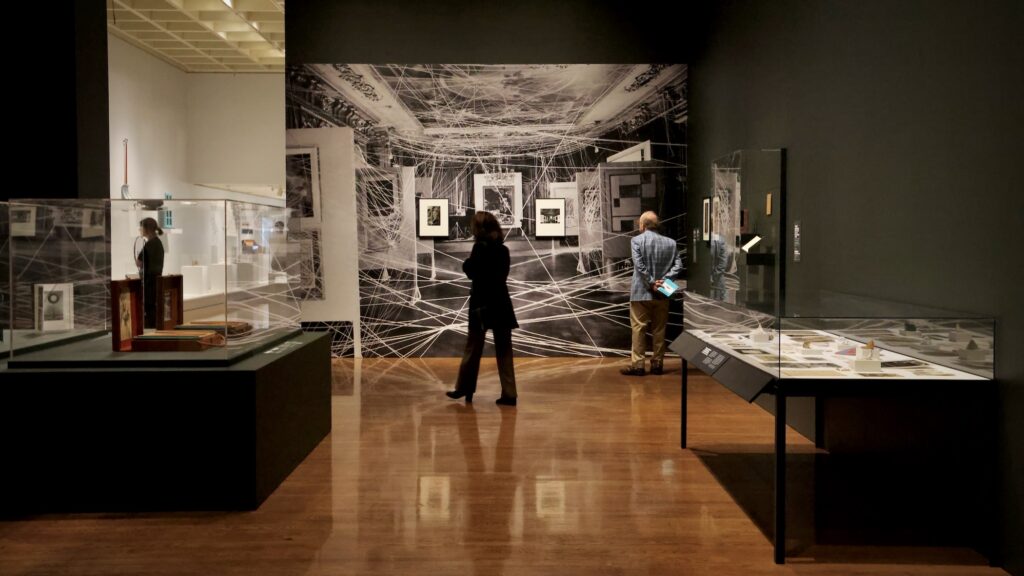
More than a joke about a urinal, Duchamp’s museum retrospective traces a shape-shifting artist who defied museums.
4 weeks ago
Listen 2:14Dresses are made to be worn
Many of the dresses were custom made for McFadden’s wealthy clients, who were known to return them after a single wearing so as to avoid being seen in the same outfit twice. The sizes range from 0 to 16.
“I know so little about women’s clothing,” Valerio admitted. “I have no idea what zero means as a dress size. Is there actually such a size of zero?”
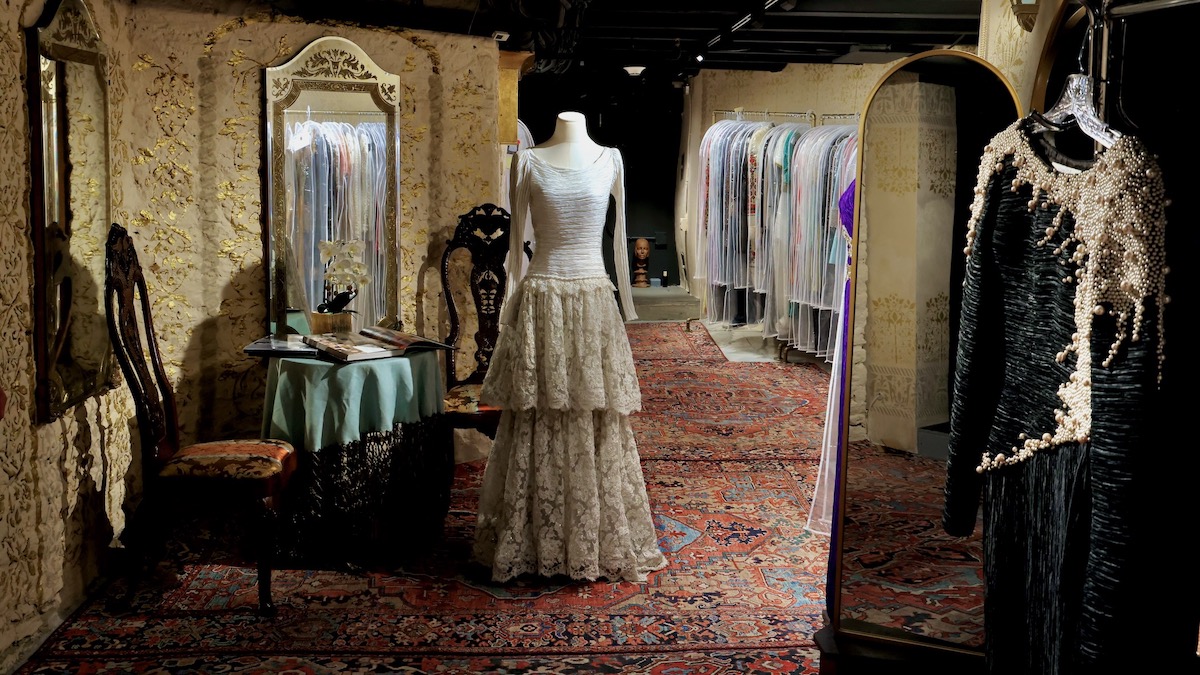
The Woodmere Museum has an encyclopedic collection of art related to the greater Philadelphia region, but clothes have been outside of its wheelhouse.
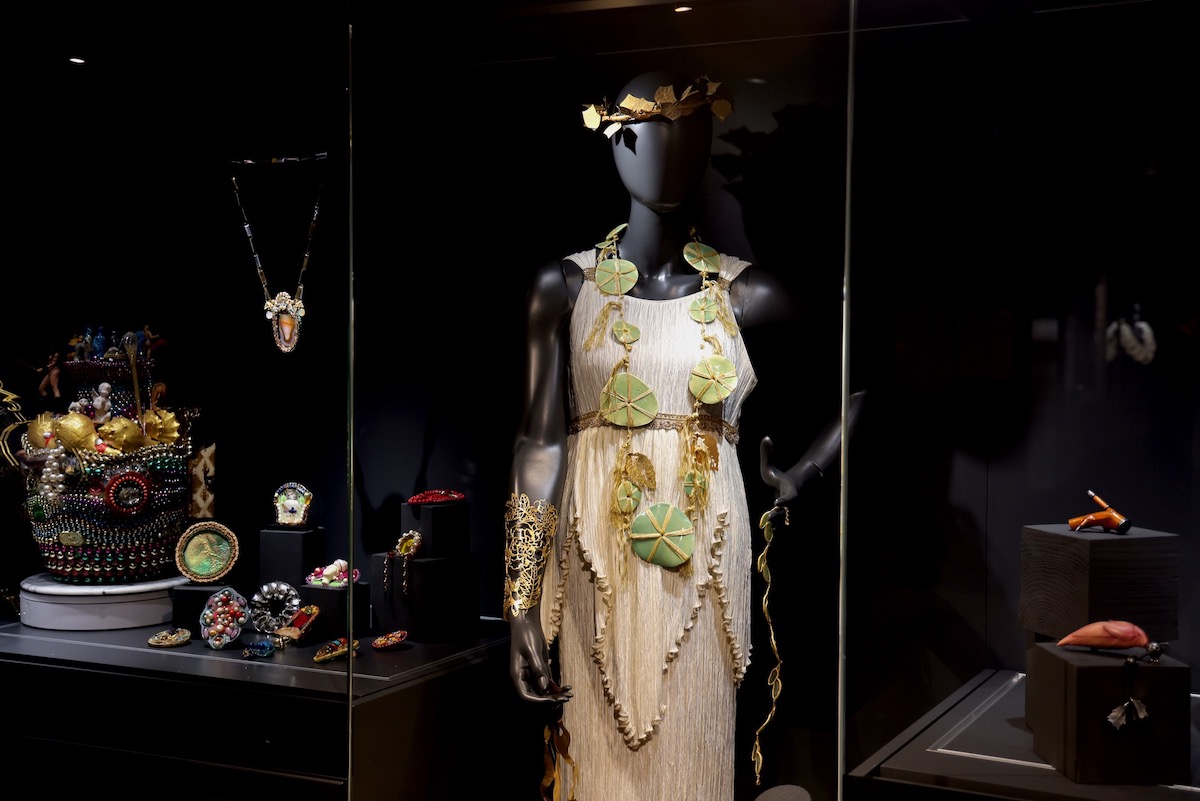
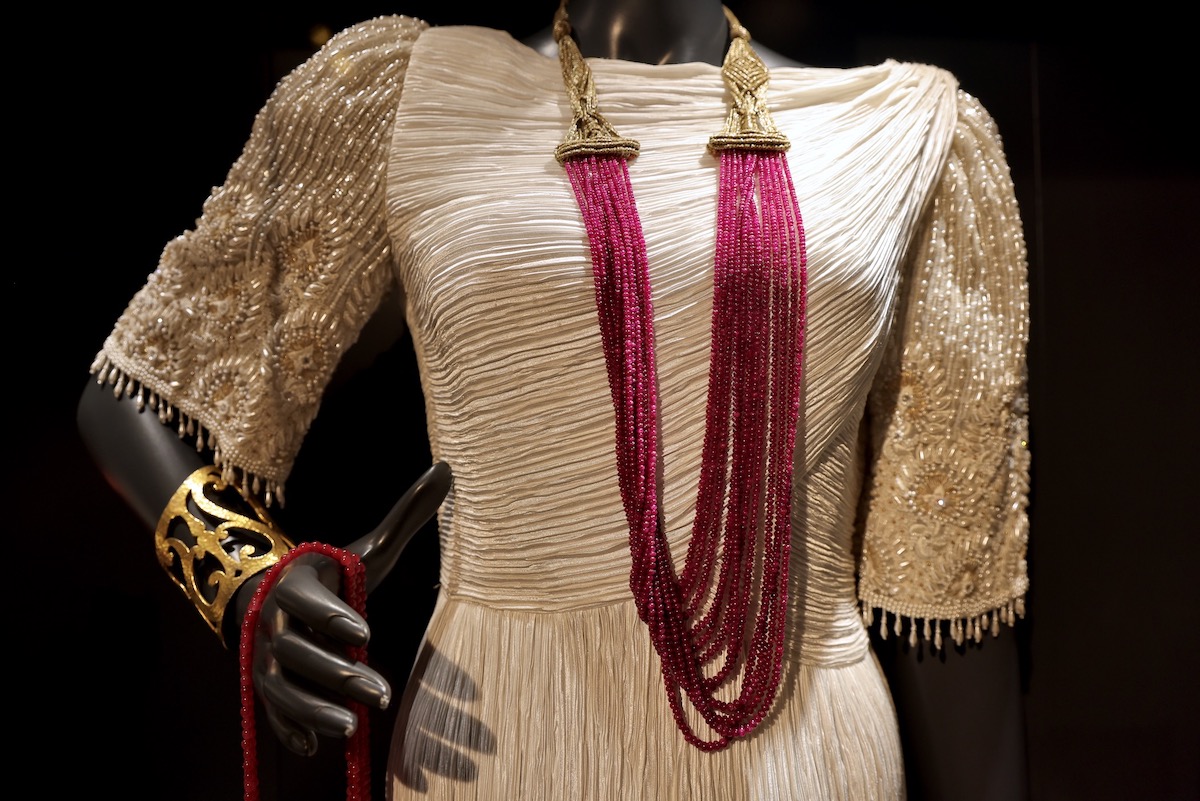
The collection landed in Woodmere’s basement because of the museum’s newfound interest in jewelry. For the opening of its new Maguire Hall last year, the Woodmere created a permanent exhibition of jewelry by designers associated with Philadelphia, including McFadden’s, which is displayed behind glass accompanied by selected dresses.
“She was the type of designer who would dress a woman from head to toe,” Valerio said. “You might commission her to make you a beautiful gown for a wedding or for some other special occasion, but she would also make your jewelry. We wanted some of the dresses to go with the jewelry because they speak to each other. That’s how we got into conversation with her family about the dresses.”
Valerio sealed the deal with the lending library project. The dresses are the only items in the Woodmere collection available for loan, but that makes sense; dresses have a unique cultural function that would not be served by being relegated to a conservation vault. A dress on a rack or a mannequin looks nothing like a dress on a body moving across a room.
“What Mary really wanted was not for her legacy to be static, but for it to be active,” Valerio said. “Her dream was that her legacy would continue to be worn, would be active, would be moving through space.”
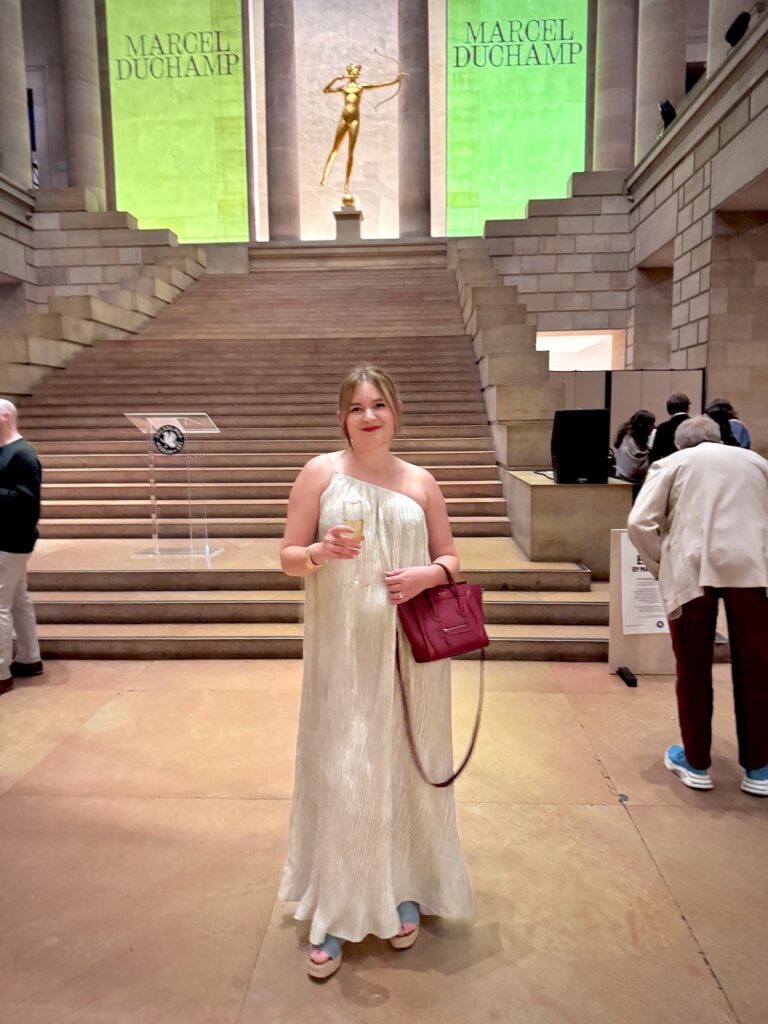
The details of the loaning program are still being ironed out, but the McFadden dresses have already been on Philadelphia’s social scene. The Philadelphia Museum of Art recently held a gala for the opening of its “Marcel Duchamp” exhibition. For the event, philanthropist Julie Jensen Bryan borrowed a quilted silk dress with an ornate floral pattern of yellows and peaches.
“It was elevating to wear a work of art while enjoying the great masterpieces of the PMA’s Duchamp exhibition,” she said.

Get daily updates from WHYY News!
WHYY is your source for fact-based, in-depth journalism and information. As a nonprofit organization, we rely on financial support from readers like you. Please give today.
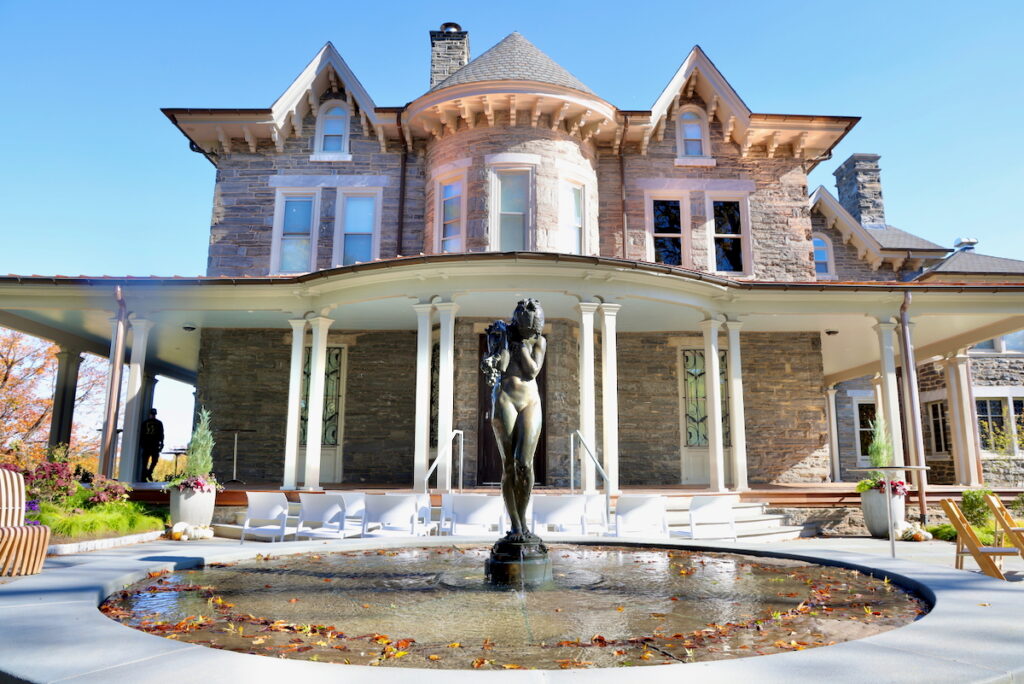
An ‘exuberantly eclectic’ new building is set to open at Chestnut Hill’s Woodmere Museum
The new Maguire Hall is a 173-year-old industrialist’s mansion converted into a showcase of Philadelphia artists.
1 year ago
Listen 1:23
A Philadelphia museum is turning toddlers into art lovers by encouraging their artistic expression
Philly toddlers are looking at art, hearing stories about artworks and then creating their own unique art projects at Woodmere Art Museum.
3 years ago
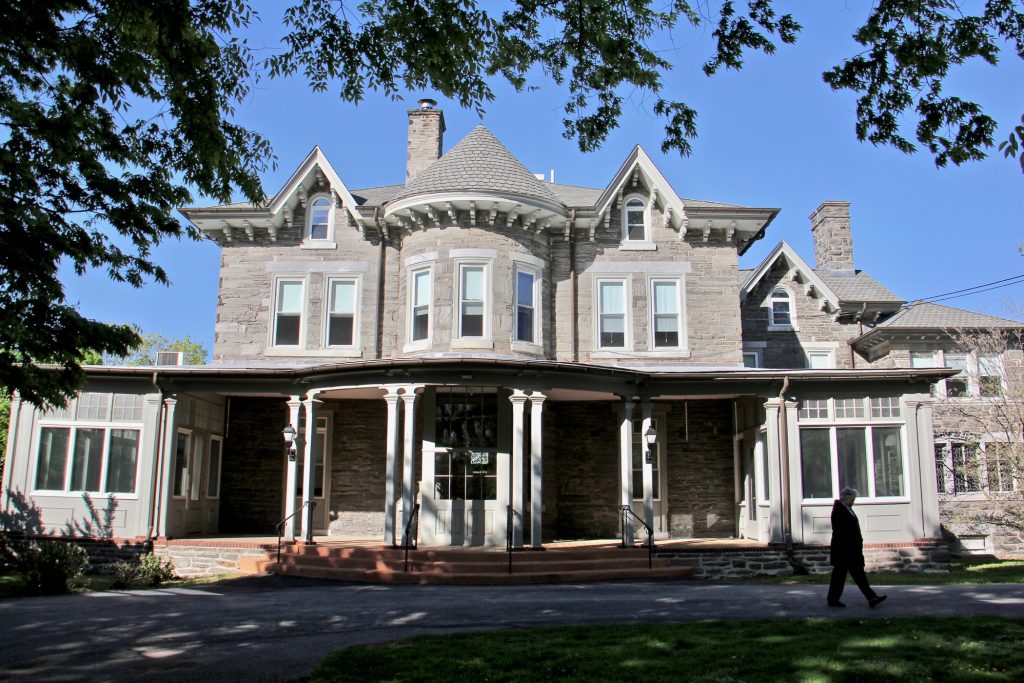
Woodmere Museum gets its largest gift ever to renovate a mansion
With a $10 million gift from the Maguire Foundation, the Chestnut Hill museum will get to work transforming its neighbor into a modern art space.
5 years ago