

‘A lot of uncertainty in the air’: In Philly, questions linger as Saul High School prepares for merger
From tending livestock to growing plants, Saul students depend on hands-on learning. Teachers worry the merger with Lankenau could disrupt that education.

From Philly and the Pa. suburbs to South Jersey and Delaware, what would you like WHYY News to cover? Let us know!
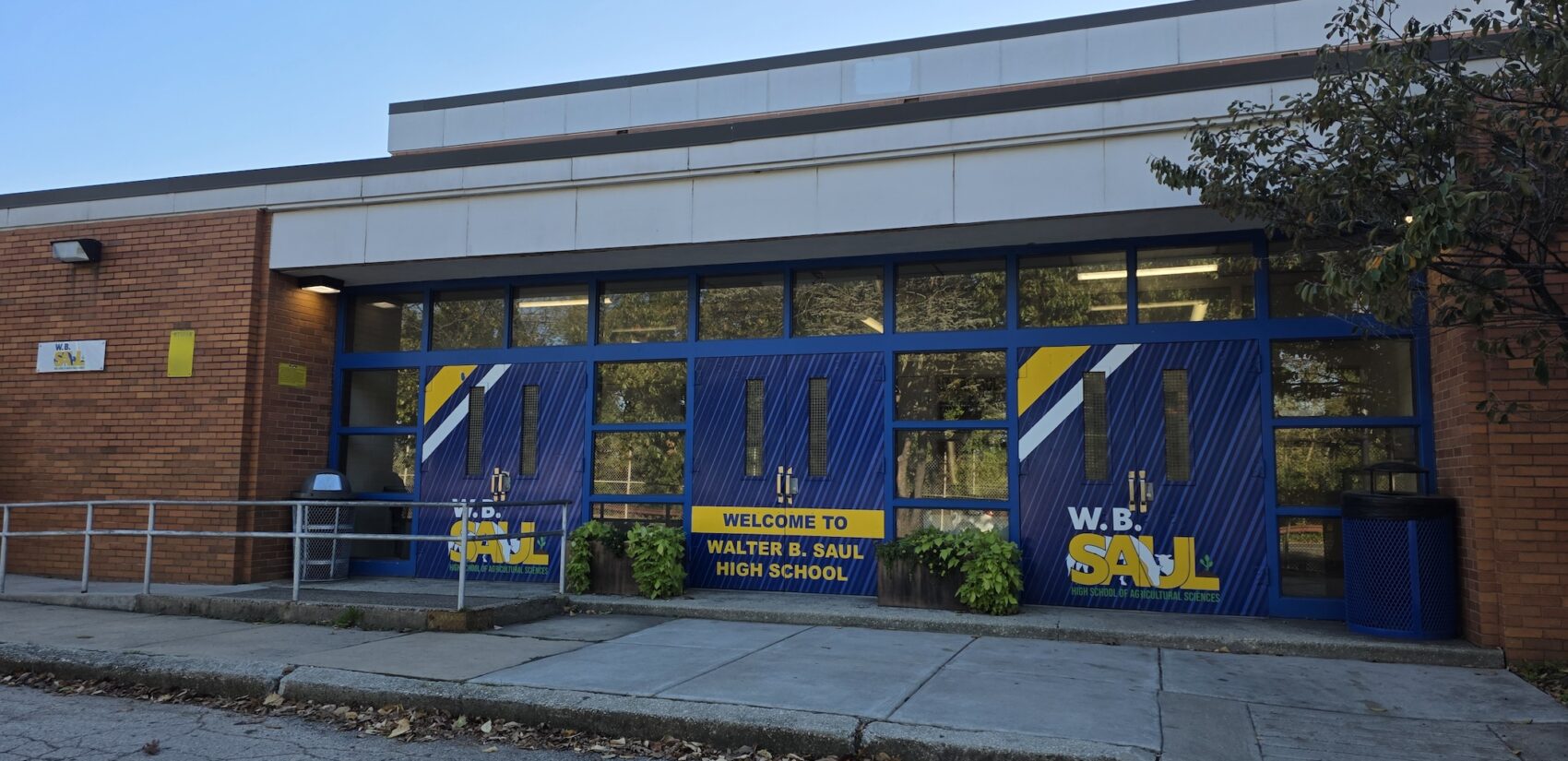
W. B. Saul High School in Upper Roxborough has a campus like no other, with not only classrooms but more than 100 acres for horse, sheep and cow barns, greenhouses, an industrial kitchen, aquaponic labs, an orchard and more, all overlooking the Wissahickon Valley.
But behind this picturesque scenery, teachers and students say they’re filled with anxiety.
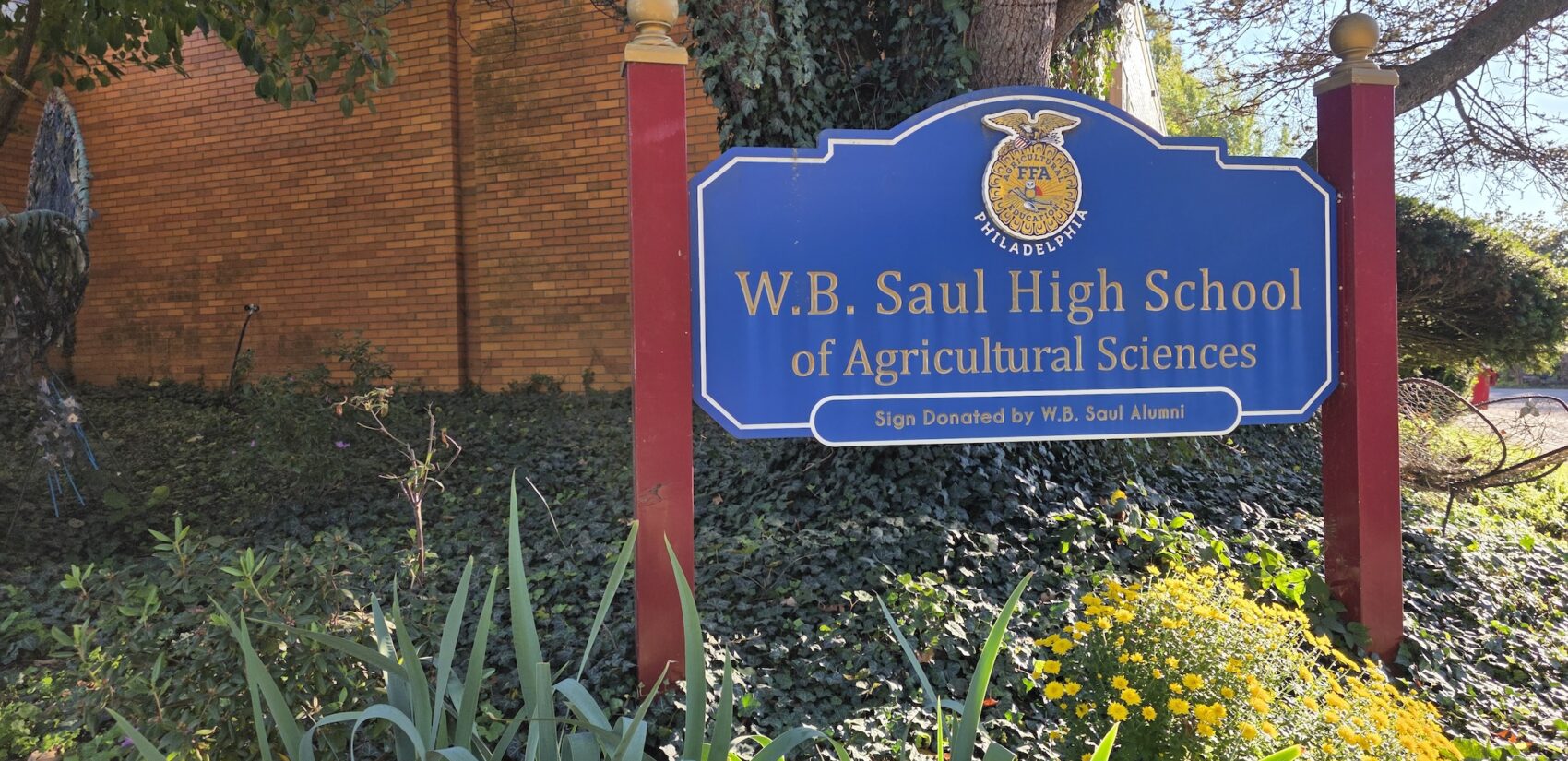
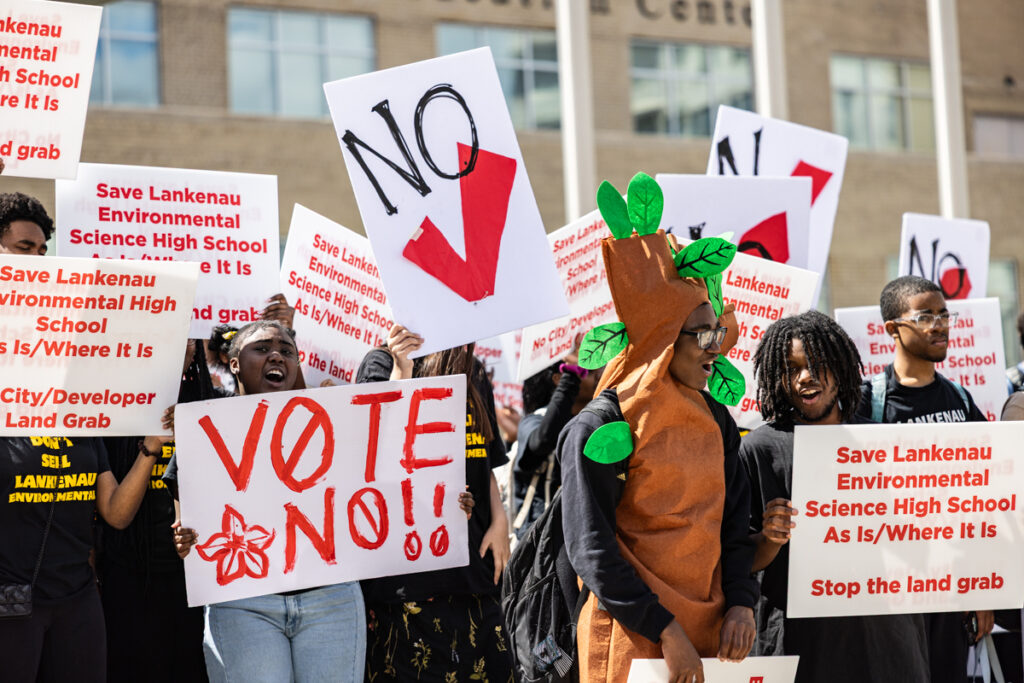
Saul is slated to absorb the closing Lankenau High School, an environmental sciences magnet that will merge as a Career and Technical Education honors program, according to the School District of Philadelphia’s Facilities Master Plan approved in April.
The district considers Lankenau’s facilities to be “severely underutilized,” and the facilities plan is intended to take students out of aging, potentially hazardous buildings and close programs that are low-performing or under-enrolled.
As the Lankenau community has lodged an ongoing fight to save their school, those at Saul are also worried. They say they have no clear picture of what it will look like for their school of just over 400 students to absorb a different program with a current enrollment of more than 200.
For Saul staff and students, the merger calls into question every aspect of operations, including teaching positions, curriculum, class sizes, schedule, use of space, and the value of the unique education career and technical schools provide.
Saul teachers said they support Lankenau and that both programs — and the 16 others the district plans to close — should be allowed to stay open.
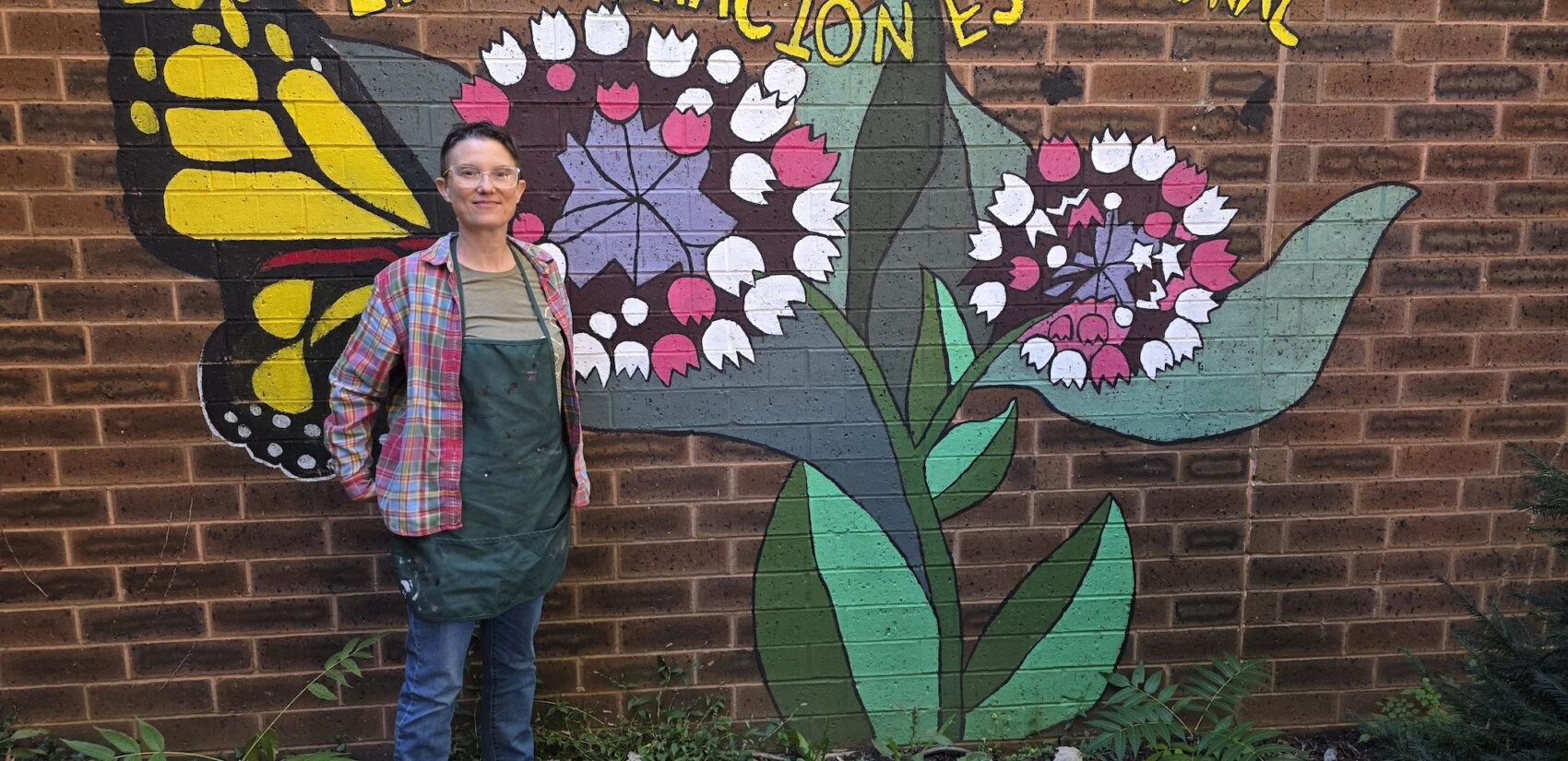
Though Saul is not closing, the merger puts its identity at risk and has wide-ranging implications, said Spanish teacher Christina Puntel, who has been with the district since 1998.
“We do not think that this merger is beneficial to children, animals, plants, the city of Philadelphia or the state of Pennsylvania,” she said.
In a statement sent to WHYY News, district spokesperson Monique Braxton said the decision is moving forward, with transition committees for all affected schools to be announced soon. Braxton also said district leaders visited both Saul and Lankenau six times recently and have maintained weekly contact with the principals.
Puntel said she has not yet seen actions in her school that would lead to a smooth transition.
No work is underway to expand or improve, for instance, the small bathrooms that she said are “like closets.” According to the district’s plan, Saul will receive a new fire alarm system with the merger, but the district’s goals for extensive modernization, such as windows, flooring, painting and furniture, are dependent on funding and would not begin until the 2033 school year.
There have also been no meaningful opportunities to collaborate with Lankenau and dream up a vision for the combined school, according to Puntel.
Overall, Saul staff and students say they’re not seeing anything resembling the “dedicated planning year” outlined in the Facilities Master Plan. The plan says a team will help ensure that each staff member “has a clear and supportive transition plan and that families and students are well supported throughout the change.”
Puntel said her school isn’t yet feeling it, casting doubt onto the whole merger decision.
“I don’t think we even really believe that the decision has been made,” she said. “We are still like, ‘No, there’s still room to fight.’”
Student journalists seek answers
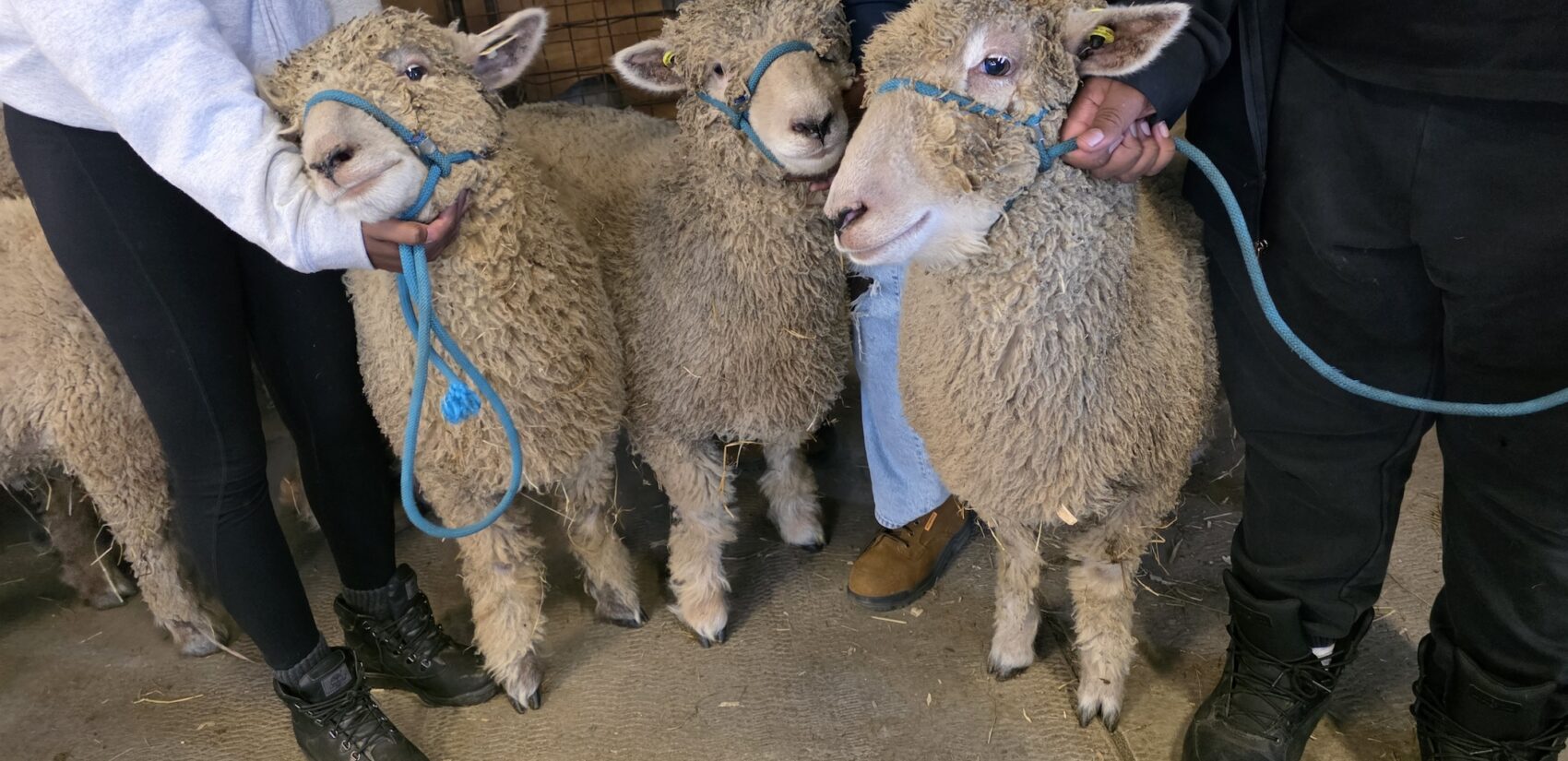
Saul students keep busy in all weather, running the year-round farm. Their days can include walking sheep in harnesses in preparation for show, baking chocolate lava cakes, administering medicine to animals, growing plants from seed or using power tools to cut tree branches.
With much confusion around the merger, student journalists have been busy too. The team for Saul’s newspaper, The Cultivator, sprang into action to try to get answers that no one seems to want to give.
The Cultivator’s news crew has tabled in the cafeteria during lunch and met teachers at the door to collect questions.
They heard many concerns about how their day-to-day routine might change under the merger.
For instance, the current block schedule allows time for hands-on work, and seniors spend three hours per day in certain classes. Whether they can keep the block schedule is one concern among many.
Will all current Saul teachers keep their jobs, and if not, how would seniority work with Lankenau staff? Will class sizes increase? Will Saul be able to provide a dedicated environmental science program? Will Saul’s current “major” choices of animal science, food processing science and horticulture remain as is?
Colin Chrestay, an English teacher and advisor for The Cultivator, said the merger creates an important opportunity for student reporters.
“I think one of the best things that a journalism outlet can do in a time of turmoil is be in touch with the people that they serve,” Chrestay said.
The student body had a lot of “really basic” questions, he said.
“Things like, how many students are coming? When are students coming? Is it at the end of the school year, is it at the end of the calendar year?” Chrestay said.
These questions show that district messaging is not reaching everyone, he added.
“Students have concerns and anxieties about this and are not getting a lot of information at this moment that addresses those concerns,” he said.
Ava Badstubner is an 11th-grade horticulture student and editor with The Cultivator. She said she loves her school, where she’s led mushroom foraging hikes, created projects for the Pennsylvania Horticulture Society Flower Show, learned to drive a tractor and cared for farm animals, all while taking college courses and serving as unofficial campus tour guide.
But when it comes to the merger, Badstubner said she and her peers feel “almost like they’re being left out of the conversation.”
“I think there’s just a lot of uncertainty in the air right now. And nobody is able to clarify it,” she said.
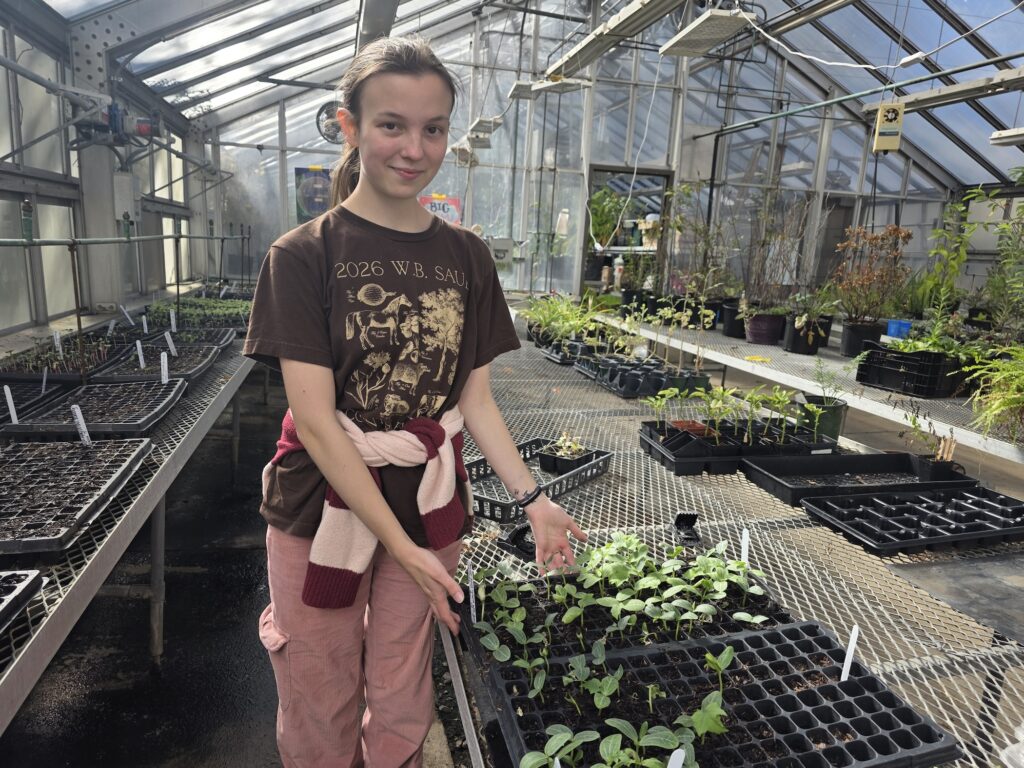
Her newspaper team plans to bring questions to the principal and the district. They’ve also talked with Chrestay about how to handle interviewees who don’t have answers or are reluctant to talk.
The students created a spreadsheet for the questions they collected and a flow chart separating them into categories: majors, space, funding, teachers, classes, community and “when and why.”
Badstubner said she believes the merger has positive potential, especially if it increases the school’s funding.
Things at Saul are currently tight, she said. For instance, certain rooms are used for up to three purposes per day, and some teaching positions are pieced together in a way that makes them hard to replace, such as the teacher of both Spanish and food science.
With Badstubner’s senior year ahead, her cautious optimism is tinged with fear.
“There are so many questions that I just don’t have answers to,” she said. “I think that I just really love Saul, and it’s scary to think about the changes, even though it’s also just as always exciting to see what Saul could become.”
Related Content
‘Devastated’: Lankenau slated for closure after tense Philadelphia school board vote
A sophomore at Lankenau said she’d rather graduate early or take a GED test than transfer to a different school for her senior year.
7 months ago
Listen 1:10‘A square peg in a round hole’
Puntel, the Spanish teacher, said she feels constant stress over the merger.
As the school’s union representative, she worries about who will get seniority among Saul and Lankenau teachers and about retaining excellent newer teachers. Worries about the merger have literally kept her up at night, she said.
Having seen the district through many changes, Puntel said she has developed “a trauma that lives in my body, and it’s exhausting.”
Above all, she emphasized that staff support saving Lankenau. While the two programs are similar, they aren’t necessarily a great fit — at least not without an adequate on-ramp, she said.
“We both care about agriculture and we both care about the environment, but they’re two very distinct schools and different communities,” Puntel said.
She said the mergers and closures represent larger problems as school districts everywhere grapple with declining enrollment and underfunding.

Puntel pointed to the ongoing demonstrations in Paris, where mass protests have formed around the poor condition of public school buildings, disinvestment in young people’s futures and the rising cost of living. What’s happening in Philadelphia is much the same, she said.
“We have all kinds of all kinds of things happening around the world at this moment around inequality and education, and I think it speaks to those that are in power that do not see children or learning as a priority,” Puntel said.
In their uncertain situation, Saul staff have adopted the term “Lanken-Saul,” after the fictional Frankenstein, whose well-intentioned but unthoughtful creation ends in disaster.
If both programs could engage in extensive collaboration on a unified school, it could have strong potential, Puntel said. But without this opportunity, they’re left feeling unprepared.
“We’re excited beyond belief to have the possibility of getting to learn and study with those [Lankenau] students, but we also have students also say very clearly that there’s no way that this is happening, right? Because we’re not ready, right?” she said.
Puntel said she and her team “do not see any evidence of any kind of successful merger in our future.”
“If [the district] is going to push this through, you are pushing a round peg into a square hole,” she said.

Get daily updates from WHYY News!
WHYY is your source for fact-based, in-depth journalism and information. As a nonprofit organization, we rely on financial support from readers like you. Please give today.
Part of the series
Philadelphia teachers union releases plan to save 17 schools
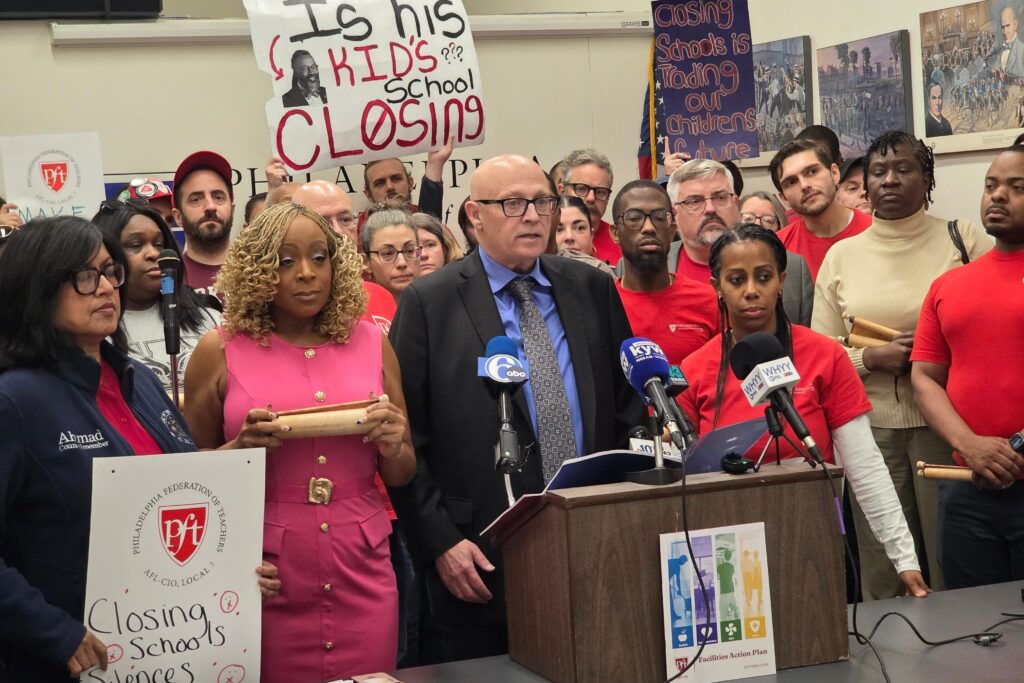
The Philadelphia Federation of Teachers is calling on Mayor Cherelle Parker to intervene to stop the closures and begin overdue maintenance.
3 days ago
Listen 0:57
Drexel University halts all student events involving alcohol following fraternity suspensions
This comes after Pi Kappa Phi and Lambda Chi Alpha fraternities were placed under interim suspension earlier this week for hazing allegations.
1 week ago
Students push back against ‘pause’ of Drexel University’s elementary education major
The university enrolled only seven full-time students this fall, but students and alums say all pathways into teaching must be preserved.
2 weeks ago
Listen 0:59