

Philadelphians embrace national diabetes prevention programs as health organizations search for sustainable funding
The education and lifestyle program was developed by the CDC in 2010. Participants were able to prevent or delay Type 2 diabetes years later, data shows.
Listen 4:42
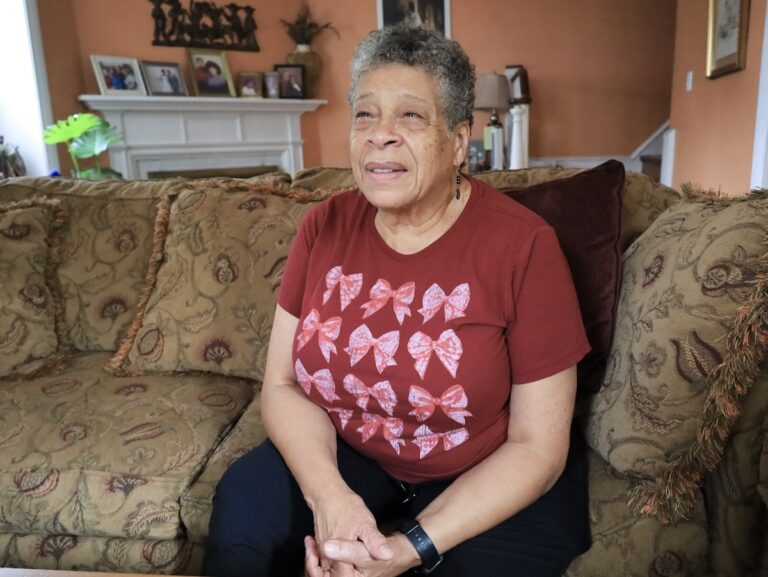
Dorothy “Dottie” Sloan, 80, of West Mt. Airy, participated in the National Diabetes Prevention Program through the Health Federation of Philadelphia, where she learned how to exercise more and eat healthier meals to prevent her from developing Type 2 diabetes. (Nicole Leonard/WHYY)
From Philly and the Pa. suburbs to South Jersey and Delaware, what would you like WHYY News to cover? Let us know!
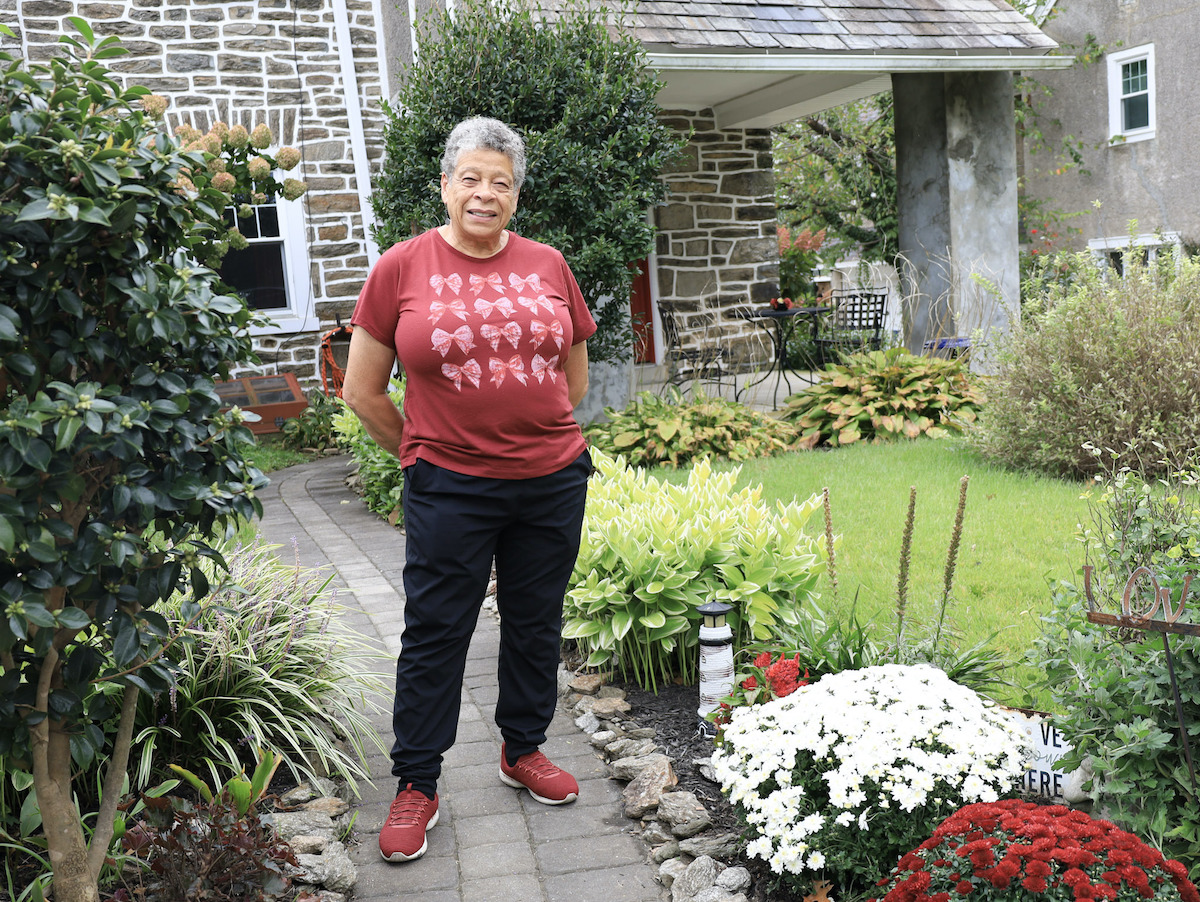
Dottie Sloan’s front yard in the West Mt. Airy neighborhood of Philadelphia is a colorful landscape of flower beds and plants. She spends a lot of time out here maintaining her yard.
“I got some mums from the Acme. They were only nine bucks,” she said, looking down at the mounds of white and red flowers she recently planted.
Gardening and lawn care aren’t just hobbies. They’re part of Sloan’s daily exercise and fitness goals, which also include a lot of walking and aerobics classes at the nearby Salvation Army Kroc Center of Philadelphia.
The retired public high school math teacher says she has always been physically active and eaten generally well, but she was still diagnosed with prediabetes about 10 years ago.
“I realized that I have to do something different, something better,” she said.
Sloan, who is 80, tried to make changes on her own, but in 2024, she and a friend discovered the National Diabetes Prevention Program.
It’s a yearlong curriculum of classes, presentations and workshops that was designed by the Centers for Disease Control and Prevention. It’s based on studies showing that a structured group-style education and lifestyle program for prediabetics was effective in preventing or delaying the onset of Type 2 diabetes.
In clinical trials, people who went through the program reduced their risk of developing Type 2 diabetes by about 58% when compared to others who received a placebo treatment medication, CDC data shows.
The national curriculum is offered and delivered by local public health organizations and partnering community centers to adults of all ages, who meet in person or virtually several times a month to learn how to manage nutrition, exercise, sleep, stress and other factors that play a role in blood sugar levels and overall health.
Sloan said she was immediately sold on the idea.
“Diabetes is a very serious condition,” she said. “You definitely have to take ownership of it and see what you can do to prevent it if you can.”
The program was created more than 15 years ago, but participants, life coaches and public health experts say it’s just as effective today as it was when it first launched.
Follow-up research shows that program alumni were still one-third less likely to develop Type 2 diabetes a decade later than those in placebo groups. Participants who still ended up developing the chronic disease were able to delay onset by an average of four years.
Public health providers in the Greater Philadelphia region have been working to expand access to the program locally while figuring out new ways to sustain and pay for them if and when federal grant funding runs out.
Related Content
How a steady flow of data helps Pennsylvania primary care doctors manage their patients’ diabetes
Primary care providers say continuous glucose monitors can help diabetics successfully lower their blood sugar, especially when patients try them at local practices.
2 months ago
Listen 6:00Educational focus of diabetes prevention
The Health Federation of Philadelphia is one organization that runs prevention programs in partnership with local health centers. Certified life coaches and public health experts oversee cohorts of participants as they meet and get to know each other throughout the year.
Rose Freel, a life coach and diabetes program manager at the federation, teaches participants not only the facts about nutrition and exercise, but how they can use that information in their lives.
“You can Google whatever you want to Google about diabetes, health, whatever it may be, but sometimes the hardest thing can be like, ‘OK, but how do I apply it for me, myself, like as an individual?’” she said. “So, I think that is really helpful for folks.”
At every meeting, participants are weighed and asked about how many minutes they exercised each week. The data is used to help program administrators and the CDC track the long-term effectiveness of the prevention curriculum.
While weight loss can be part of preventing diabetes, Freel said she helps people understand that it’s not the only measurement of progress and they shouldn’t stress too much about the numbers on the scale.
“I can’t tell you how many times we’ve heard from countless different people, ‘I’m sleeping better, I’m feeling more energized throughout the day,’” she said. “Those smaller wins that I think sometimes we as humans can kind of skip over at first, kind of come to light.”
Related Content

Pa. is considering $900K to fund meals tailored to people’s chronic diseases and medical needs
Medically tailored meals are informed by dietitians who evaluate recipes and match them to nutrition needs for diabetes, cancer and other diseases.
7 months ago
Listen 2:08Creating community through group-style classes
The group-style learning structure also creates a community support system for participants, said Joani Schmeling, a program manager with the Health Promotion Council, an affiliate of the Public Health Management Corporation.
The council runs and oversees diabetes prevention programs in Pennsylvania and Delaware.
“It kind of shows that you are not going through whatever you’re going through on your own,” she said. “There’s other people, whether you realize it or not, that also are dealing with prediabetes, worried about their long-term health, the consequences or outcomes that might happen.”
The community building aspect of the program was one of the biggest draws for Julie Etta Carter, a staff manager, member and choir singer at Enon Tabernacle Baptist Church in North Philadelphia.
After learning that her blood sugar levels were elevated and put her in the prediabetic category, Carter joined a local diabetes prevention program last winter, which was conveniently hosted at the church.
“I got to know a whole new group of individuals who were searching for some of the same answers that I was,” she said. “It also helps individuals who thought they would have the most difficulty staying on track be accountable, because they have someone to talk to, they have someone who’s going through it as well.”
Related Content
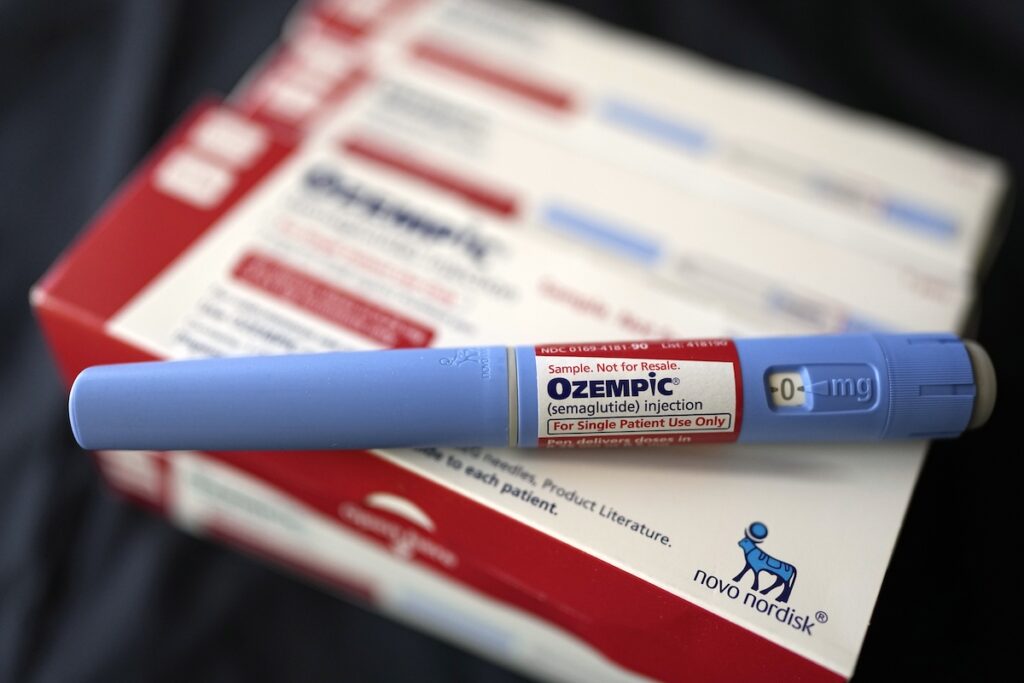
Out-of-pocket costs, insurance coverage, side effects and a lack of long-term safety data can be barriers to medication for childhood obesity.
6 months ago
Listen 1:18Program participants see lifestyle changes pay off
After a year of taking classes and going to meetings, Sloan and Carter said they’ve made permanent lifestyle changes that have benefitted their health and lowered their risks of developing Type 2 diabetes.
Fruits and vegetables were always part of her diet, Sloan said, but she’s cut out a lot of red meat from her diet and is more mindful of how much salt and sugar is in her food.
“I know now that I have to be strong and resist the homemade chocolate chip cookies,” she said and laughed.
She’s developed a more well-rounded exercise routine and eats out less these days.
“I think that when you’re in control of what you’re eating, then you can eat much healthier, eat the things that you really need to eat,” Sloan said.
At the end of her program, Carter said she lost about 10 pounds and her A1c level, which is an average of blood sugar levels from the previous two to three months, went from a 6.1 to just over 5, which puts her in a normal blood sugar range.
“So, I’m headed in the right direction,” she said. “And it will be the gift of prevention that I am most happy about, because I don’t have to worry about being someone who might have to live on medication or dialysis or anything else that’s associated with being on the other side of this.”
Related Content
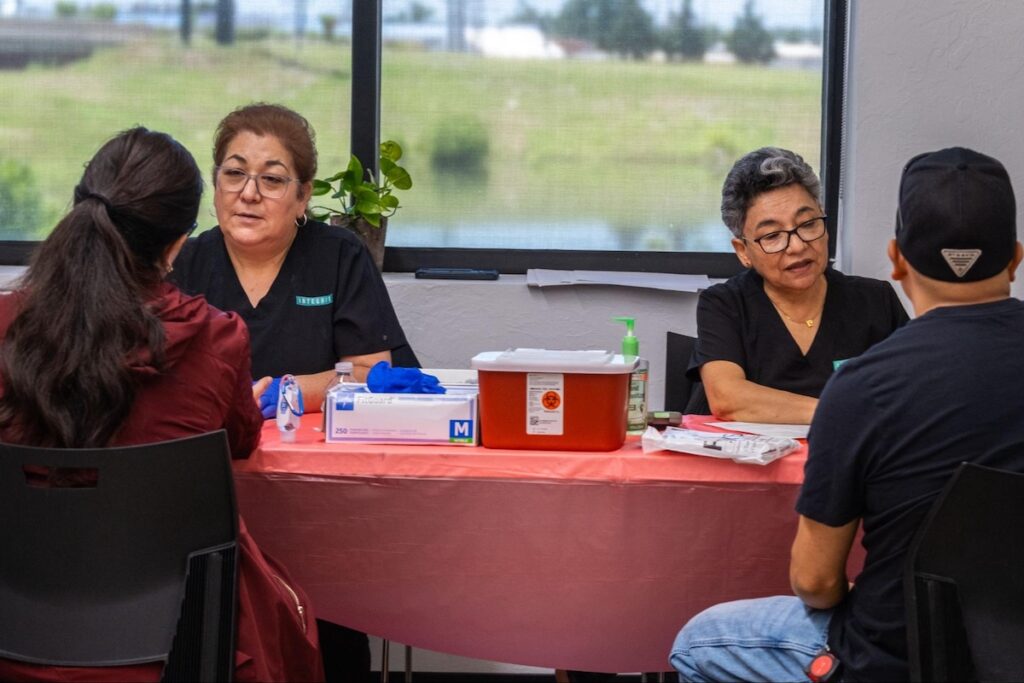
How a reporter began to investigate diabetes risk, and along the way, made a startling discovery about his own health.
11 months ago
Listen 13:10Finding a sustainable funding model for diabetes prevention programs
Public health organization leaders say they want to continue providing the prevention program in local communities and increase access to the curriculum. The Health Federation of Philadelphia and the Health Promotion Council partner with community centers that can offer classes in Spanish and other languages.
Organizations have also offered the program to specific groups of people, like seniors and people with hearing and visual disabilities.
At the federation, diabetes program director Modupeola Dovi said they’ve been able to increase retention rates throughout the yearlong curriculum by offering participants incentives, like nutritious food and produce boxes, nutrition journals, electronic scales and even fitness watches.
Program life coaches are also learning how to address new developments in the diabetes and nutrition health care space, which can include weight-loss drugs or up-to-date resources on food assistance and affordability.
“We’re trying to stay up to date when it comes to the everchanging landscape of treatment for prediabetes and diabetes,” she said.
But all of these efforts need financial support. While the individual local programs aren’t overly expensive to administer in terms of staffing, Suzanne Cohen, senior director of population health at the federation, said they are time intensive.
Federal funding distributed through the state has helped support current program sites, but organizations are also exploring health insurance coverage and getting payments from private insurers as well as public programs like Medicare and Medicaid.
However, that comes with its own set of challenges, Cohen said.
“Our insurance system is often set up to pay for really, really expensive medications, but when it comes to lifestyle change programs that really work, and work better than the medications in some cases, we just really don’t have the level of reimbursement that we need,” she said.
Organizations also want to still be able to provide the program to folks who either don’t have health insurance, or who have plans that don’t cover the preventative service, “so it’s really a dilemma,” Cohen added.
Editor’s note: This story has been updated to reflect the correct name of the Public Health Management Corporation.

Get daily updates from WHYY News!
WHYY is your source for fact-based, in-depth journalism and information. As a nonprofit organization, we rely on financial support from readers like you. Please give today.
How a steady flow of data helps Pennsylvania primary care doctors manage their patients’ diabetes
Primary care providers say continuous glucose monitors can help diabetics successfully lower their blood sugar, especially when patients try them at local practices.
2 months ago
Listen 6:00
How a reporter began to investigate diabetes risk, and along the way, made a startling discovery about his own health.
11 months ago
Listen 13:10
Amid CDC turmoil, Pennsylvania joins Northeastern states in regional public health coalition
The Northeast Public Health Collaborative has formed working groups to identify opportunities for states to share emergency public health planning and response resources.
1 year ago