

‘Going to handcuff us’: New Delaware law limits release of names, photos of people charged with felonies, including murder
Police and prosecutors can’t provide the public with identifying info unless the charge is a felony and it’s “necessary to protect the public’s safety.”
Listen 2:15

File photo: Tape cordons off the scene of a crime in Philadelphia, Wednesday, Oct. 12, 2022. (AP Photo/Matt Rourke)
What are journalists missing from the state of Delaware? What would you most like WHYY News to cover? Let us know.
Dover police recently announced arrests in two major violent crimes — a fatal shooting where hundreds had gathered after Delaware State University homecoming events, and a home invasion where a masked man pointed a gun at a 15-year-old girl.
Yet, in neither case did the police publicly release the name of the alleged gunmen, who are now detained on high bail — $1.7 million cash for the murder suspect.
That’s because a new Delaware law forbids law enforcement authorities from telling the public the names of suspects charged with a felony or releasing their photos unless it’s “necessary to protect the public’s safety.”
Instead of providing that identifying information, as has been typical for decades, Dover police followed the explicit advice of Attorney General Kathy Jennings regarding the new law.
As House Bill 59 was set to take effect Oct. 21, Jennings’ office had sent all Delaware police agencies a memo detailing when they could release names and photos, when they could not, and when they had discretion. State prosecutors are also bound by the law.
The memo said police who did not want to face lawsuits must not disclose names or photos when someone arrested for a felony is being held in prison and there are no “unidentified” victims because it doesn’t meet the “necessary” test.
In short, Jennings concluded that there’s no need to protect the public from the accused because someone behind bars can’t shoot, rob, rape or assault anyone.
“Automatic denial,” the memo said.

The memo also said it’s “mandatory” that police don’t release names or photos in public corruption cases, including felony official misconduct, bribery or deprivation of civil rights charges, even if the suspect posted bail, because white collar criminals aren’t a public safety threat.
The law doesn’t permit the release of names and photos for misdemeanor-only cases under any circumstances.
Police across the state aren’t happy with the law’s restrictions with serious felony or public corruption cases.
Neither is Jennings.
Although no one from the state’s dozens of police departments voiced objections publicly before the bill passed, now they are livid and want it amended.
“The community needs to know who the dangerous people are, if we want to try and solve community problems,” Dover Police Chief Thomas Johnson Jr. told WHYY News.
The chief said he struggled with how to handle the murder and robbery cases described above, but decided to follow Jennings’ guidance.
Johnson and other police leaders claim the statute prevents law-abiding citizens from learning, for example, the name of someone held for murdering their neighbor’s family, or of a teacher detained for sexually assaulting a student. Nor would police be able to notify voters if they charge a state legislator with accepting a bribe in return for their vote.

Jennings and other officials in her office would not agree to an interview about the issue, citing potential litigation. But Mat Marshall, a top aide to Jennings who authored the memo, told WHYY News in writing that “we don’t agree” with the law “and are going to lobby to amend or repeal” it.
Marshall, the AG’s director of external affairs, wrote that police and the public shouldn’t mistake the memo’s guidance as agreement with the law.
“Our memo is just what the law says — not what we think it should be,” Marshall wrote.
Nothing in the law would prevent the media from reporting on crimes but to get a suspect’s name, a reporter would have to learn the identity from a non-law enforcement source.
Court files in Delaware are open to the public, but courts don’t permit searches by date or type of crime — only by the defendant’s name.
Related Content
Street shootings have dropped but remain a persistent problem. The mayor created an office to coordinate services and prevent more bloodshed.
2 months ago
Listen 1:20‘Subjects people who have not been convicted to public ridicule’
The law’s chief sponsor, state Rep. Sean Lynn, D-Dover, defends it vehemently and insists police have far more leeway to disclose felony arrests than Jennings says they do.
A practicing attorney, Lynn said the law aims to prevent police from ruining someone’s reputation by naming them and providing their mugshot after arrests for petty crimes such as shoplifting. Such releases typically lead to publication by online media websites and their social media pages.
“It’s the modern-day equivalent of being put in stocks at midday,” Lynn said during a 2025 House Judiciary Committee hearing. “It subjects people who have not been convicted of any crime to public ridicule.”
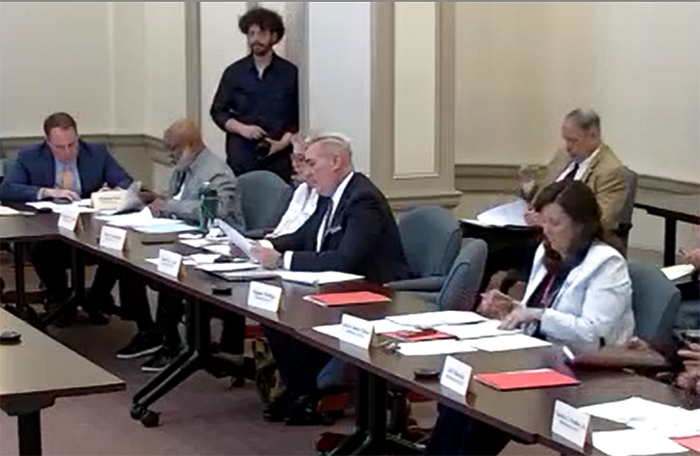
Lynn emphasized that nondisclosure matters at the arrest stage for minor and sometimes major crimes where there’s no danger to the public. He noted that charges can get dropped, reduced or the defendant can get acquitted, but their arrest and photo remains online, potentially negatively affecting their life, such as inhibiting them from getting a job.
Should a conviction occur, police and prosecutors still have every right to notify the public at that point, Lynn said. He also stressed that while police can’t release names or photos, the media can still report on the crime and the suspect because court records are public.
Delaware court files, however, don’t permit searches by date or type of crime — only by the defendant’s name.
Lynn told WHYY News that police and prosecutors had every opportunity to voice their current objections before the bill became law, but did not. He theorized that Jennings is protesting now to gain favor with police agencies in advance of Election Day because she is seeking a third term and hasn’t always been a favorite of police unions.
Nevertheless, Lynn said he’s open to revising the law if that’s what lawmakers and the public want.
“If there is a legitimate issue with the bill, then we would modify it as soon as we could,” Lynn told WHYY News.
That’s exactly what will likely happen when the General Assembly reconvenes in January, said state Rep. Krista Griffith, D-Wilmington, who chairs the House Judiciary Committee.

“There are times when it becomes clear that the law that was intended for one thing has clear unintended consequences. This is one of those examples,” said Griffith, who previously was a state prosecutor.
“I would foresee and hope for some reworking of the bill to make it clear that absolutely the public is entitled to know the names of adults who have been charged with [serious] crimes.”
Related Content
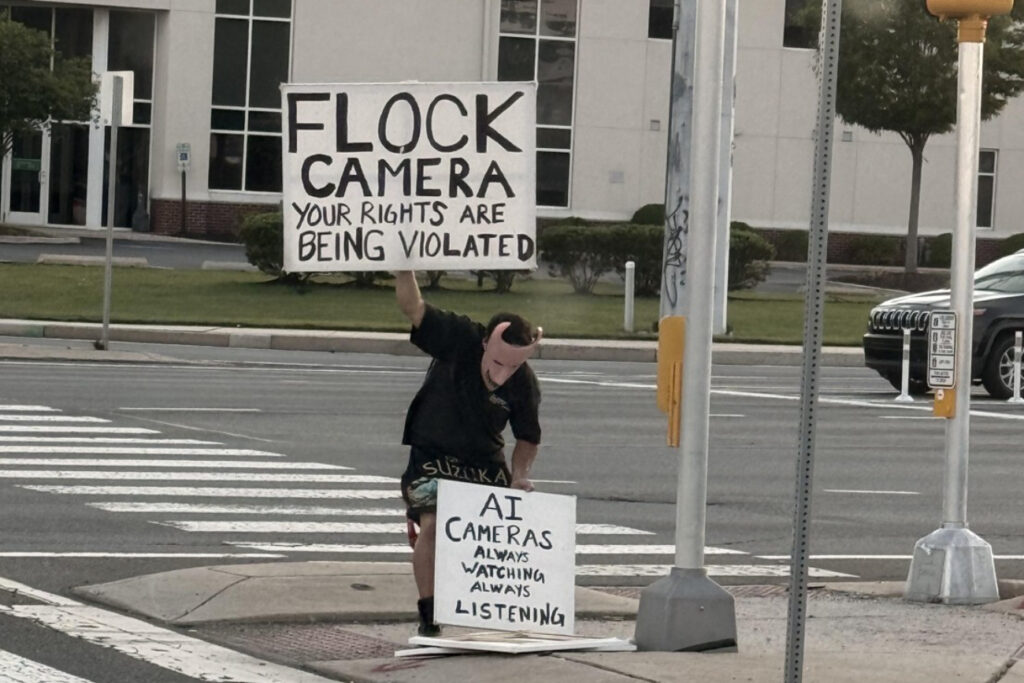
Foes decry them as warrantless mass surveillance but 20 police agencies statewide use them. The ACLU says “Get the Flock Out.”
4 months ago
Listen 3:12‘We continue to make laws that protect the lawbreakers’
The current prohibition mirrors one for Delaware minors that took effect in 2021. Under that law, police and prosecutors can’t release names or photos of someone under 18 unless they are charged with a violent felony and it’s “necessary to protect the public’s safety.”
That bill passed the House and Senate unanimously. Lynn said he also thinks adults charged with misdemeanors and — in cases where it’s a felony charge but no public safety concerns exist — deserve the same consideration.
Lynn noted that when he was on Dover City Council from 2010 to 2014, the city police used social media to release the names and mugshots of people arrested for misdemeanor shoplifting.
“If these folks are later acquitted, meaning they were innocent of these crimes, or the charges were dismissed, the law enforcement agencies never go back and correct the record,” Lynn told the House panel in 2025. “These people’s arrest photos are published on the internet forever. And that’s just not tenable.”
His original bill for adults included barring the release of names and photos of felony suspects who have not been charged. But after complaints from police and some lawmakers that such a ban prevented police from alerting the public that they were looking for a dangerous criminal, he removed that provision.
The American Civil Liberties Union and the state Office of Defense Services that represents suspects who cannot afford a private attorney supported the law.
The bill passed the House 31-8 in June 2026 with no floor debate.
Griffith said she supported the bill to shield those charged with misdemeanors from public shaming, but didn’t consider the ramifications for adults held on bail after being charged with serious felonies.
“For something minor, their name and face are all over the internet and it’s difficult to retract that information,” Griffith said. “And there is unfairness to that.”
Rep. Valerie Jones-Giltner, R-Georgetown, said she thought the bill was misguided.
She supports releasing the names and photos of people charged with misdemeanor crimes such as shoplifting from small grocery stores or stealing farm equipment. She reasoned that knowing who has been arrested can help residents notify police about other incidents involving that suspect.
For felonies, she says it’s a no-brainer to keep the public informed about who police have arrested for violent crimes such as shootings and fentanyl trafficking.
“I think it shows zero accountability for the criminal,” she said of the law. “And we continue to make laws that protect the lawbreakers.”
When the bill reached the Senate floor, it was nearly 3 a.m. on July 1 as legislators were racing to adjourn for the year.
State Sen. Brian Pettyjohn, R-Georgetown, objected on the floor. He told WHYY News that now that the law is in effect, “it should be scrapped” as soon as possible.
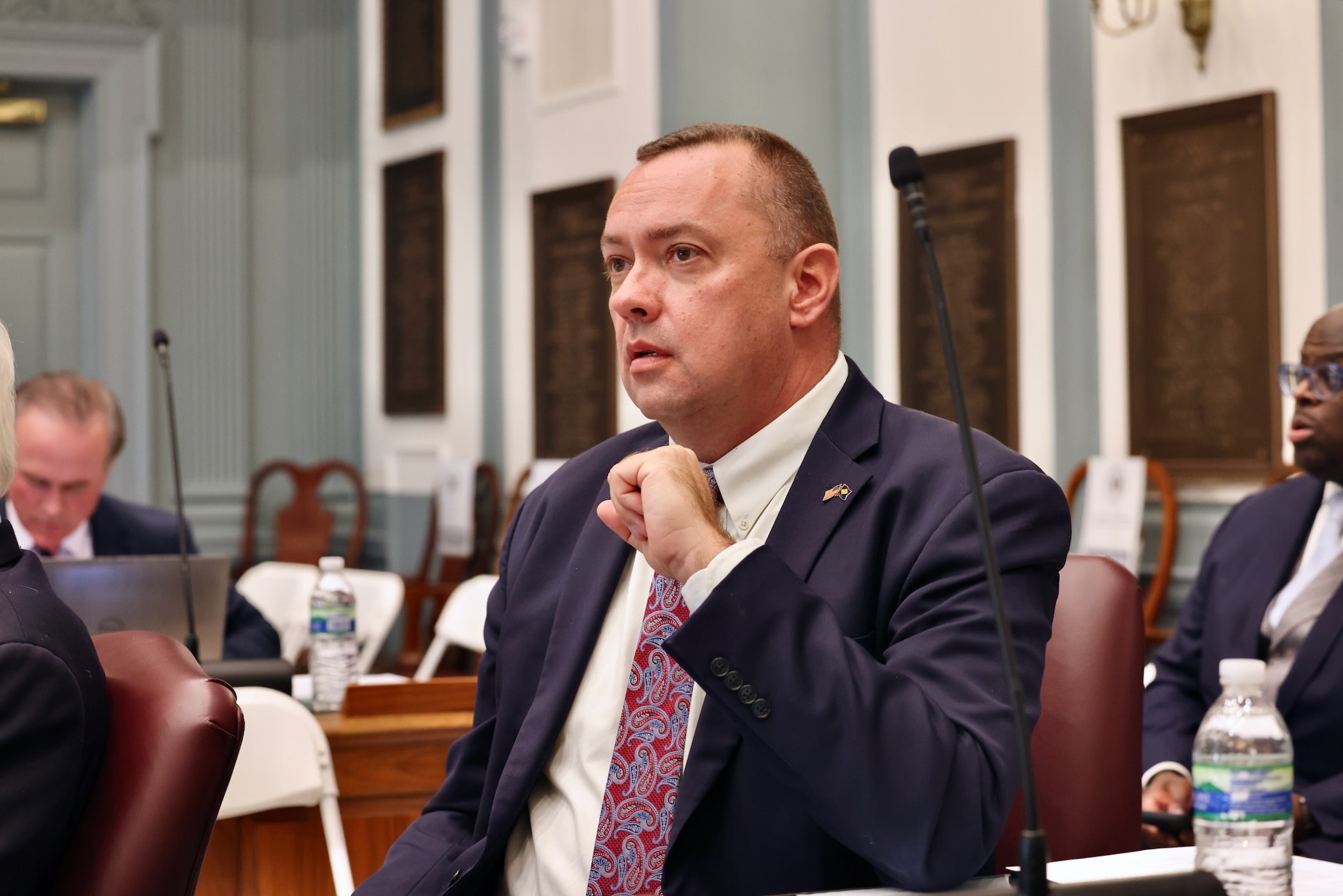
Pettyjohn said people often research someone online if they want to date them or hire them to do work at their house, among other reasons.
“Having that information out there to the public just allows people to see who might be around them,” he said.
Pettyjohn said he has no problem with the provision barring the release of names or photos for misdemeanor charges, except for public corruption cases that don’t rise to the level of a felony.
But with felony cases, “these are serious crimes and held in pretrial detention then it doesn’t look like there’s a clear path to release the names of those individuals,” Pettyjohn said.
“If we’re going to hide the names of people that have been arrested, then where’s that cross-accountability when the public doesn’t know who’s being involved in criminal activity or suspected of criminal activity and what the police are doing? So, there’s a lot of pitfalls in this legislation,” he said. “It’s a disservice to the public.”
Related Content
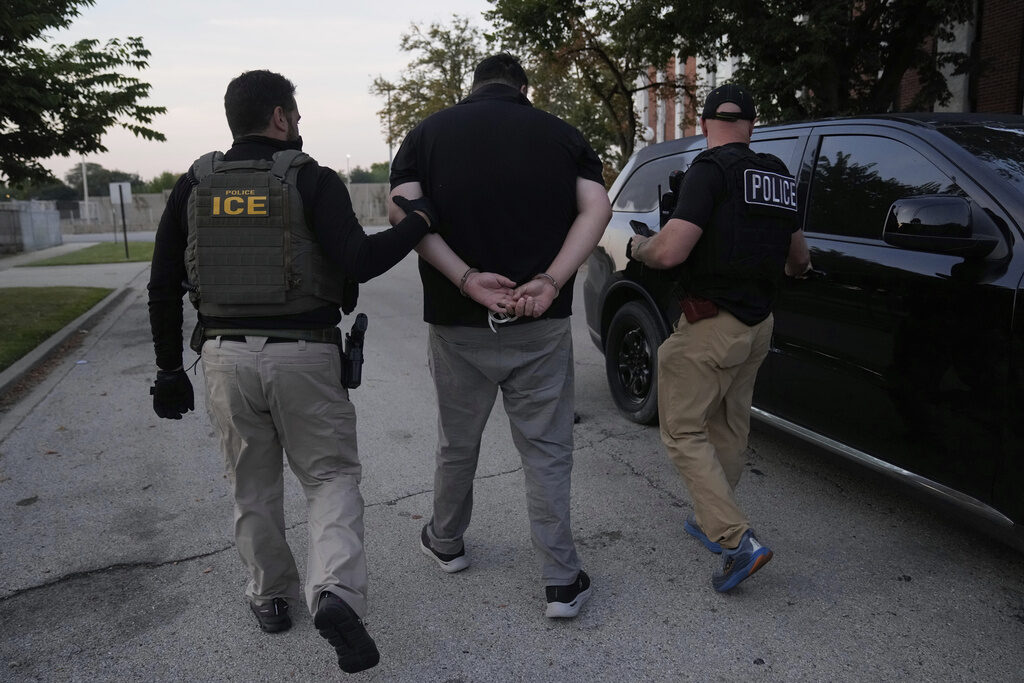
Under Trump, immigration arrests surge in Pennsylvania, Delaware and New Jersey
New Jersey and Pennsylvania rank among the 10 states with the most immigration arrests during the first 14 months of President Donald Trump’s second term.
5 months ago
Listen 1:43Police say they’re ‘going to err on the side of caution’
Police agencies across Delaware disagree with the law’s restrictions for felony arrests but are going to follow Jennings’ advice, said Rick McCabe, president of the Delaware Association of Chiefs of Police.
“We’re going to err on the side of caution and not release names and photos if doing so might violate the law,” McCabe said, adding that the law “should be repealed.”
Newark police Lt. Gregory D’Elia seconded that notion.
“It’s going to handcuff us a little bit on what we want to release and what we think the public wants to know,” D’Elia said.
In the few days since the law took effect, authorities have played it safe when someone they arrested for a felony was detained because they could not post bail.
New Castle County police, for example, didn’t identify a man who they charged with stealing a car, fleeing from officers at high speed and providing a fictitious name when he was caught.
Nor did Wilmington police name a man charged with possession with intent to sell drugs after he was allegedly caught with heroin, marijuana and about $1,700 cash.
D’Elia said police believe in notifying the public about people arrested for serious crimes, especially since some will eventually post bail, a process police do not track with the prison and court system after an arrest.
“You never know if that person’s back out on the street,” D’Elia said.
Without identification by police, D’Elia said the public won’t be aware if the person lives in their community, is a public or elected official, or even a police officer.
“You don’t know anything except they are a man, woman and their age and they’re from whatever town and they got arrested,” he said.
But should the law be revised to become less restrictive, D’Elia said, “I think that’d be beneficial for the community to have more knowledge, absolutely.”

Get daily updates from WHYY News!
WHYY is your source for fact-based, in-depth journalism and information. As a nonprofit organization, we rely on financial support from readers like you. Please give today.
Part of the series

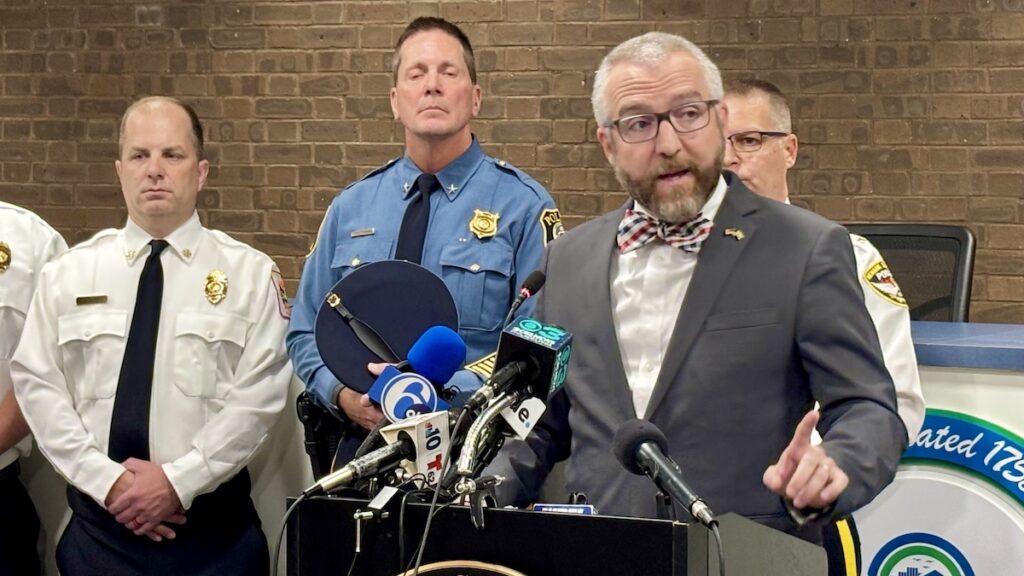
Delaware AG charges teens with attempted murder after Newark mass shooting on Halloween
The two suspects are charged with multiple offenses, including seven counts of attempted murder in the first degree.
4 days ago
Listen 0:52
New Castle County Recorder of Deeds Mike Kozikowski lost the race to David Tackett, who filed a complaint with prosecutors about the gambit.
3 weeks ago
Listen 1:24
Sens. Coons, Blunt Rochester questioned the time the judge devoted to her late husband’s now-defunct ad firm and its political direction.
1 month ago
Listen 1:58