

How one Upper Darby vintage synth shop is preserving old tech in the age of ‘disposable electronics’
Since starting in 2016, Bell Tone Synth Works has repaired instruments for influential artists such as Roger Waters and Dan Deacon.

From Philly and the Pa. suburbs to South Jersey and Delaware, what would you like WHYY News to cover? Let us know!
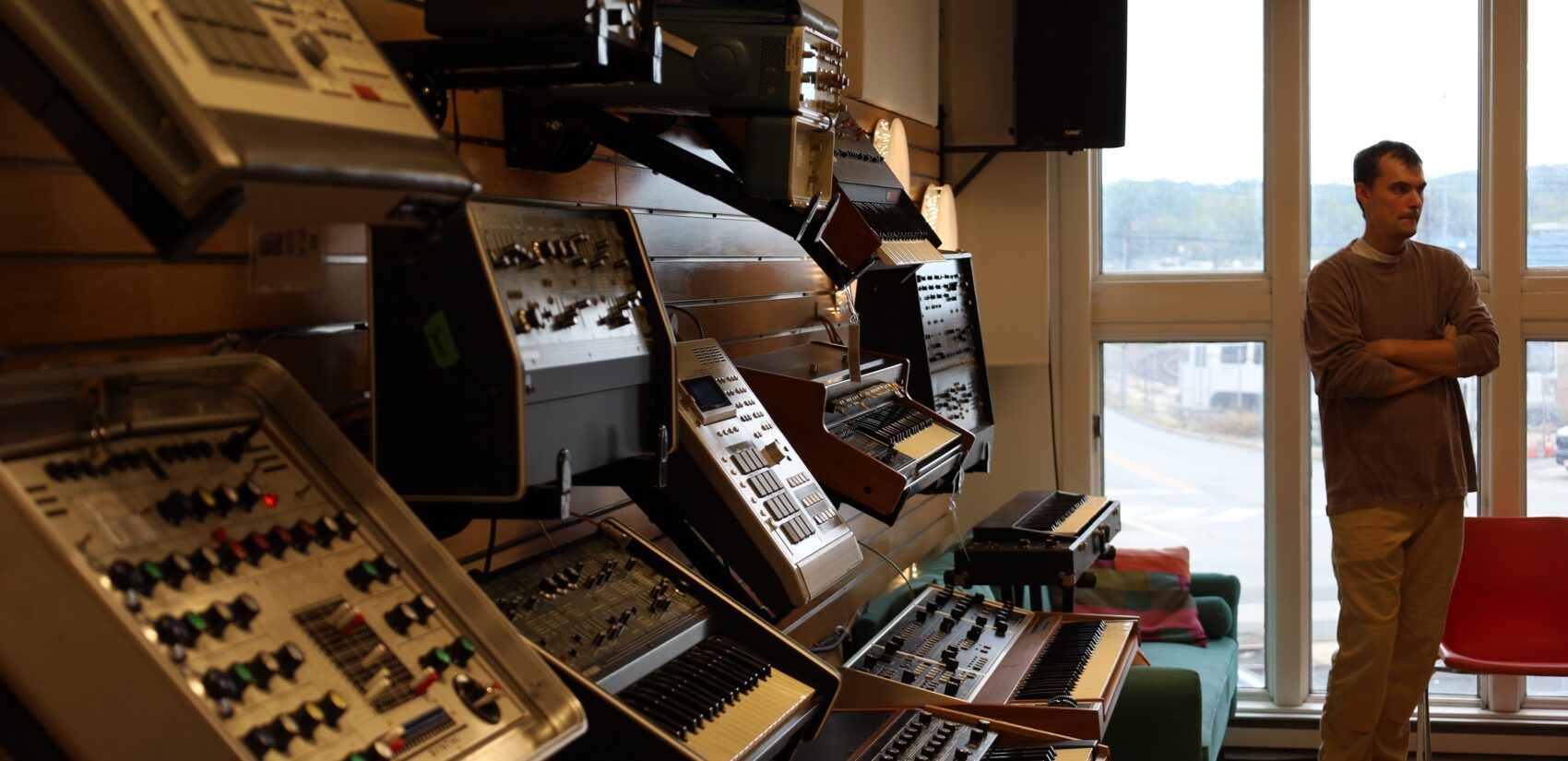
As more young people are turning to analog hobbies, a vintage synthesizer shop in the Philadelphia area is helping preserve the technology for future generations and lovers of strange sounds.
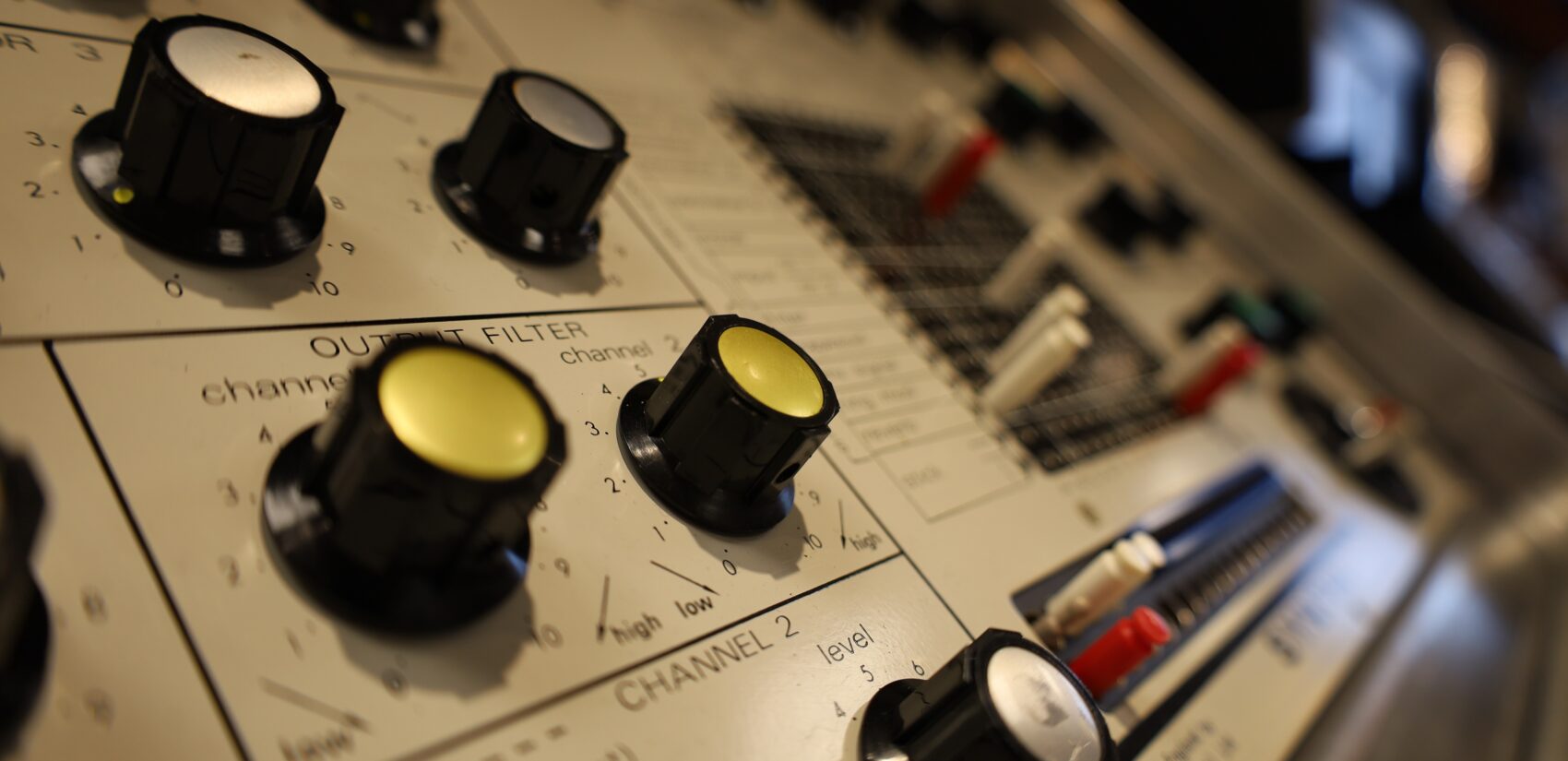
Since 2016, Bell Tone Synth Works has turned a passion for making weird sounds into a full-fledged company that offers upgrades and repairs for the instruments responsible for the soundscapes. Synthesizers work by turning electrical currents into noise or by converting them into signals that computers can then manipulate through coding.
How the company was created to ‘make more weird sounds’
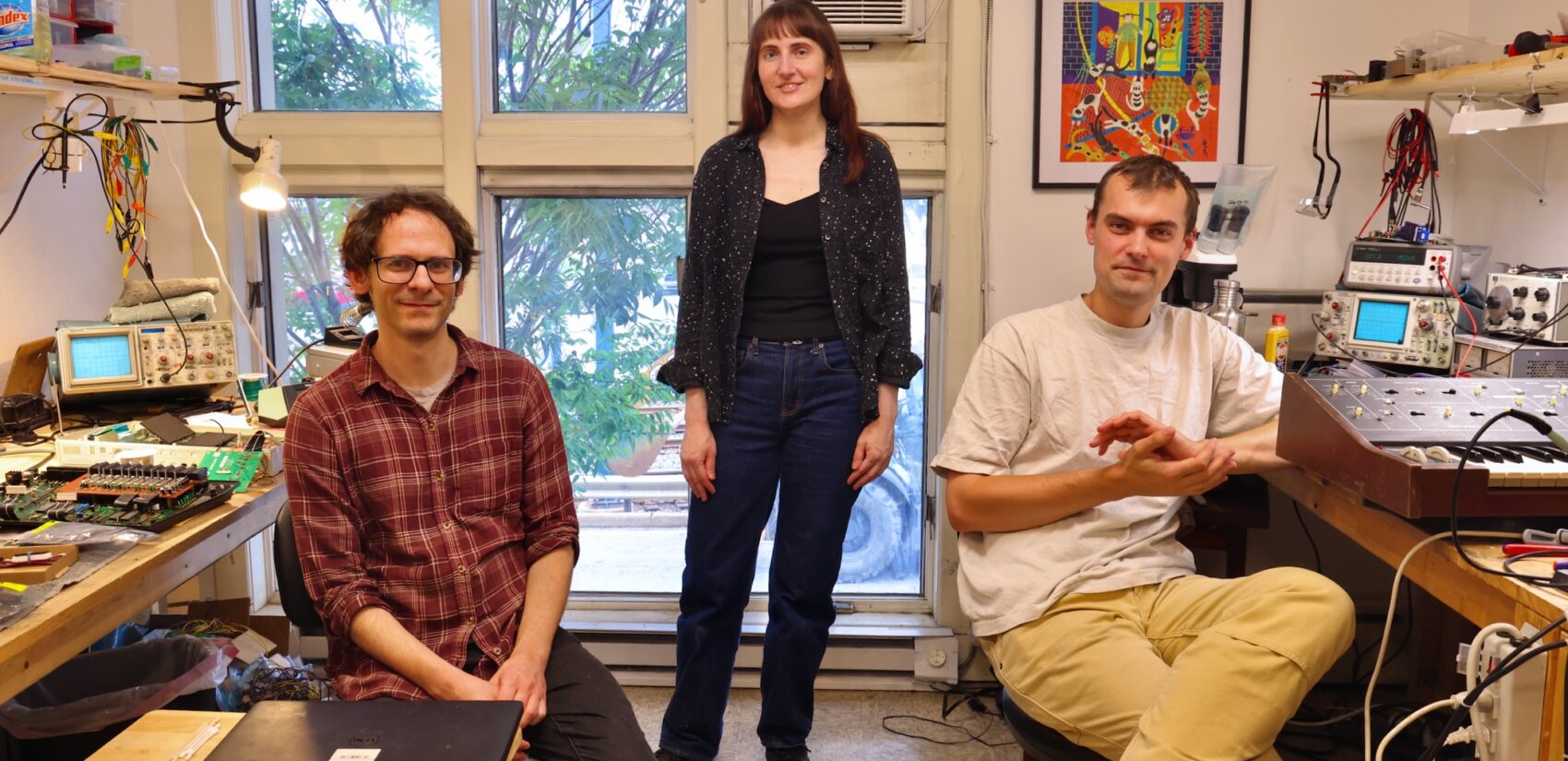
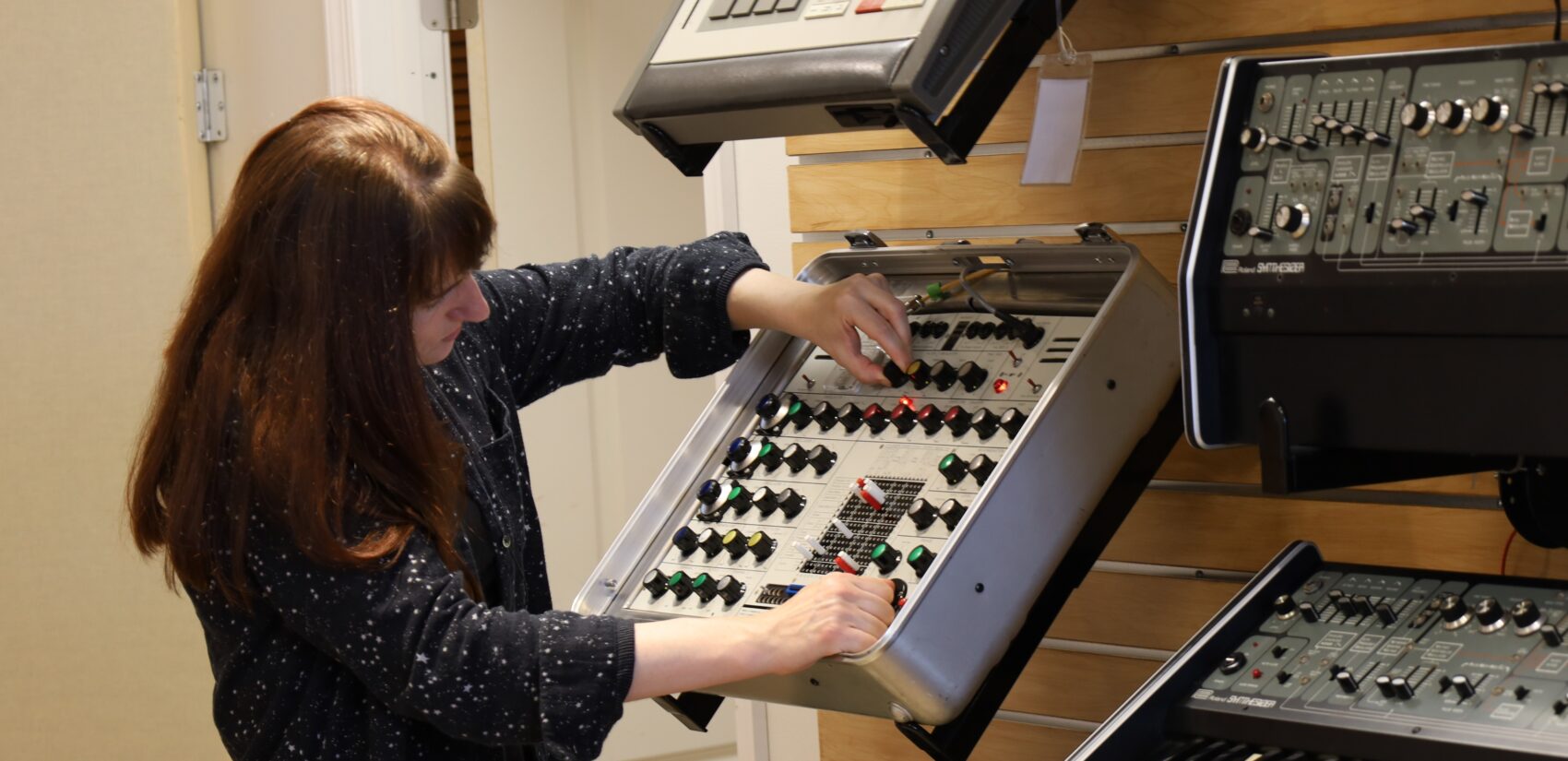
When founder and owner Alison Stout began writing music, she wanted “more ways to make more weird sounds.” After researching electronic circuits, she began designing her own synth patches.
“At the same time, [I] just started getting whatever cheap broken instruments I could and trying to fix them myself,” Stout said. “I kind of quickly realized that I had some kind of core and inherent affinity for this type of work, just figuring out how things work and fixing them.”
Technician Darian Scatton also attended UArts and minored in electronic music. He first got his core exposure to synths in the school’s studios, and after graduating, he began playing them in various bands, including one he started with Stout.
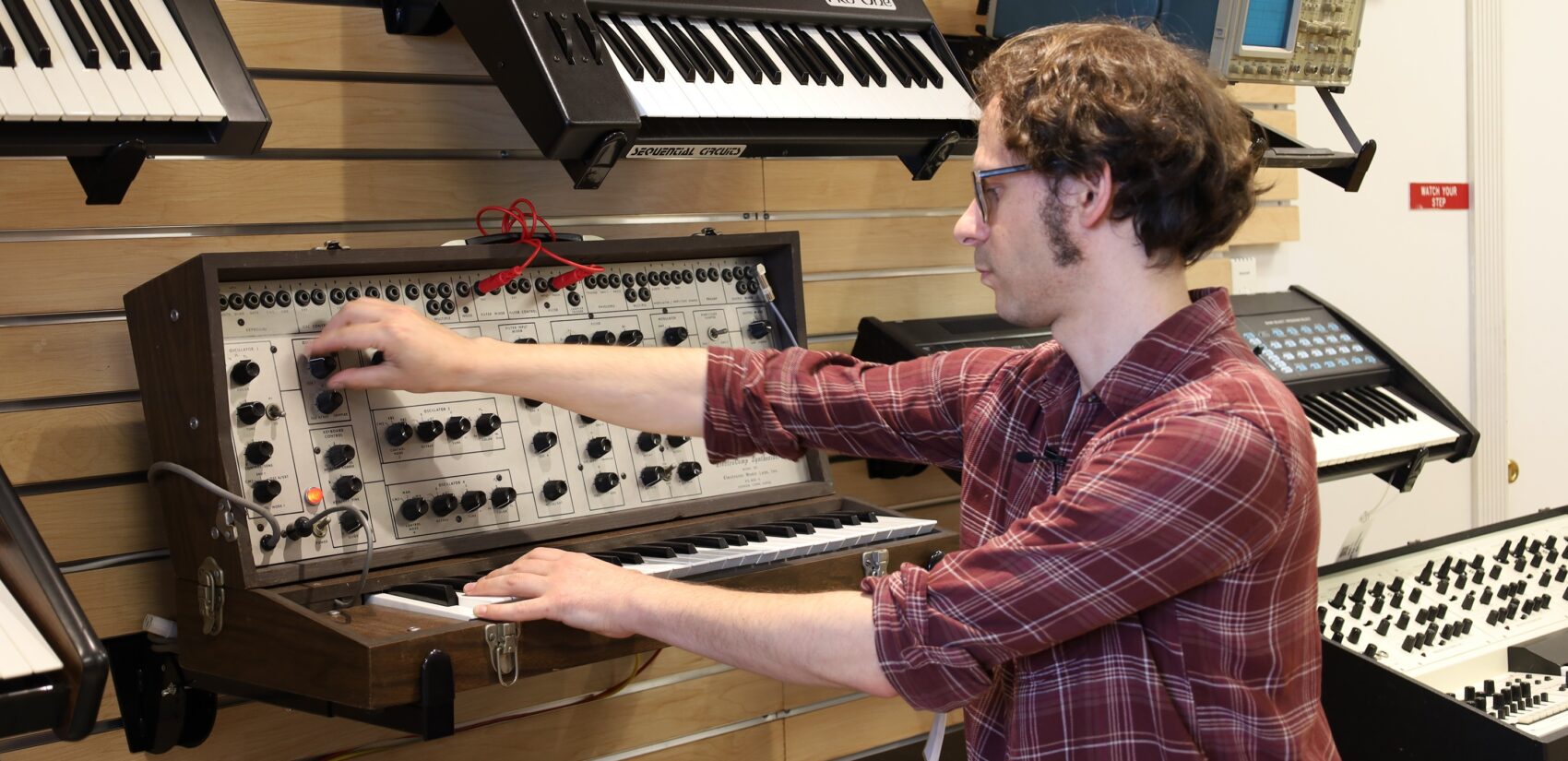
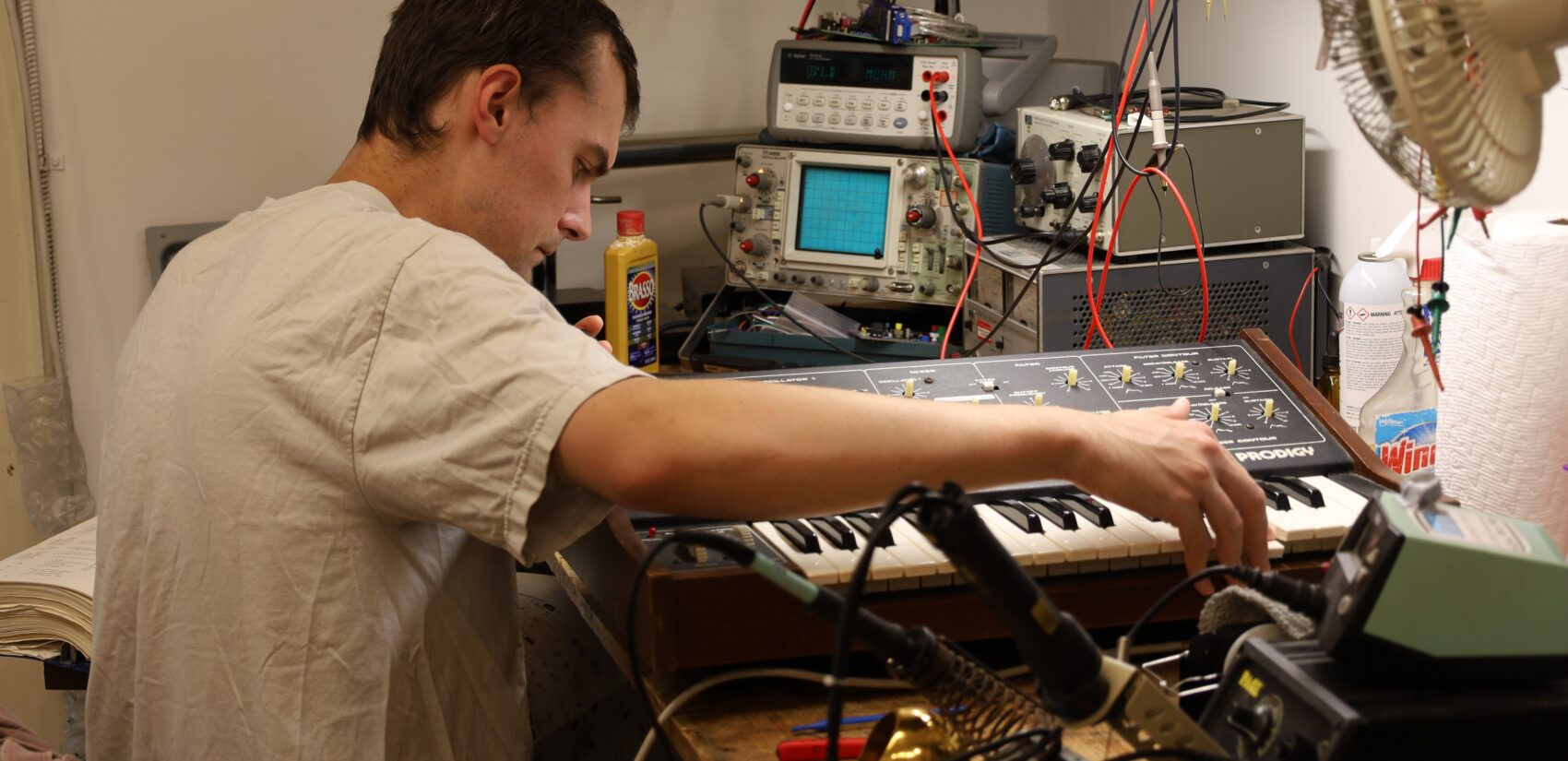
By that point in his synth journey, he spent a lot of time building his own modular units for his projects. Coincidentally, Bell Tone Synth Works had just started.
“I was a freelance web developer working alone most of the time, and I really wanted to change, so I got kind of jealous of Allison and was like, ‘I want to do that too,’” Scatton joked. “It was like adding to what I’ve been doing with building, but getting more into learning about how these circuits work and like the bigger picture of how things are built.”
Related Content
“Clean Up Your Mind,” featuring songs recorded by the band Choice 4 Inc. in 1972, is now available for the world to hear.
5 months ago
Listen 3:04A decade of business, famous clients and why folks keep coming back
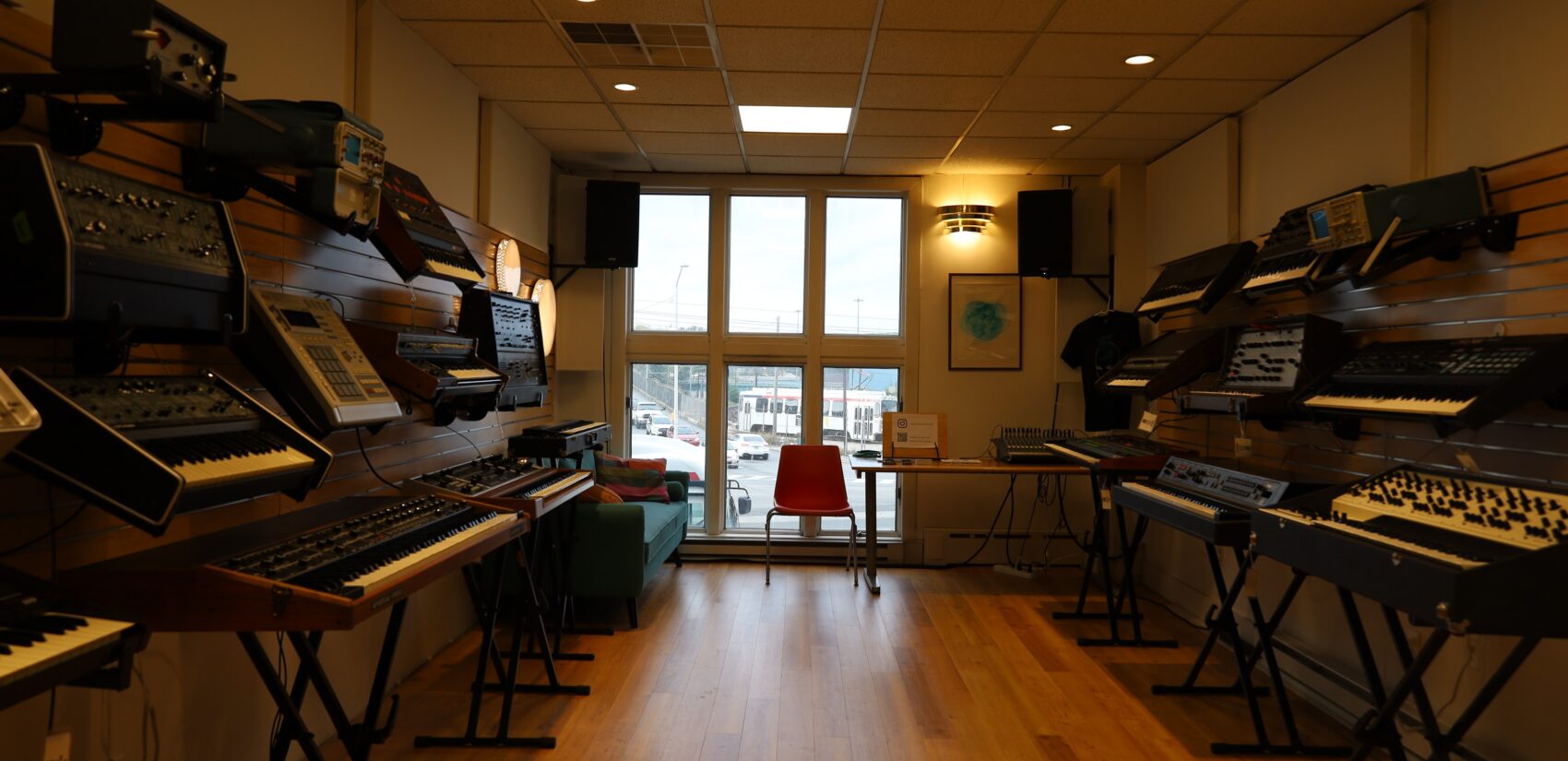
Despite the compact footprint of the Upper Darby location, the company’s connections go beyond the synth enthusiasts of the Philadelphia region.
Bell Tone has restored instruments for the Electronic Music Education and Preservation Project in Montgomery County, one of the world’s largest collections of vintage electronic music gear.
Instruments from some of the most influential acts in synth history have passed through the workshop, including gear from Roger Waters, Dan Deacon and Beach House. Stout said some of their customers will drive in from “all over” just to have them work on their stuff.
“We’ve had people drive down from Toronto,” Stout said. “We have someone flying down from Boston, driving up from North Carolina. We actually are somehow the furthest-south vintage synth repair shop on the entire East Coast despite being not very far south.”
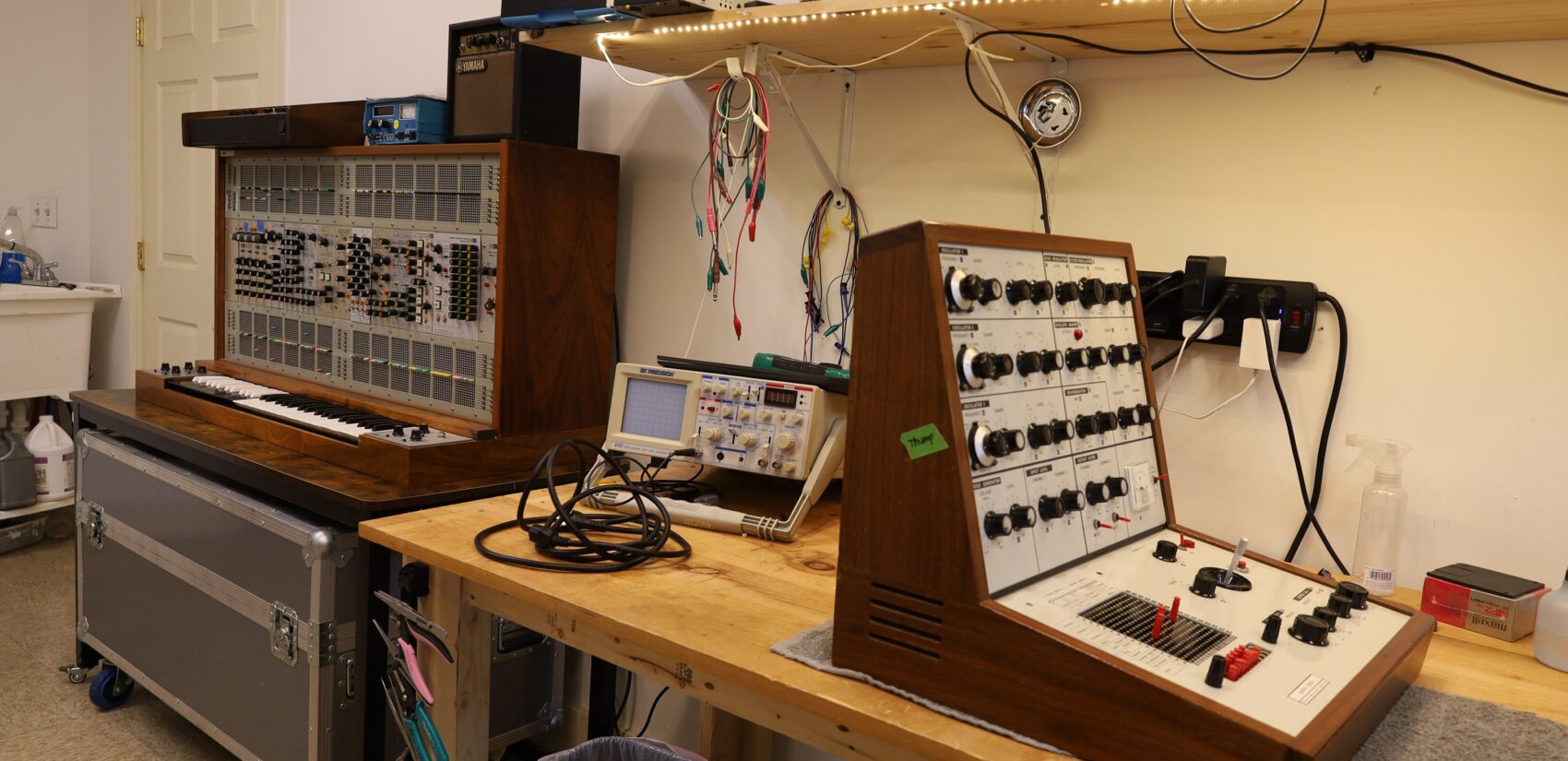
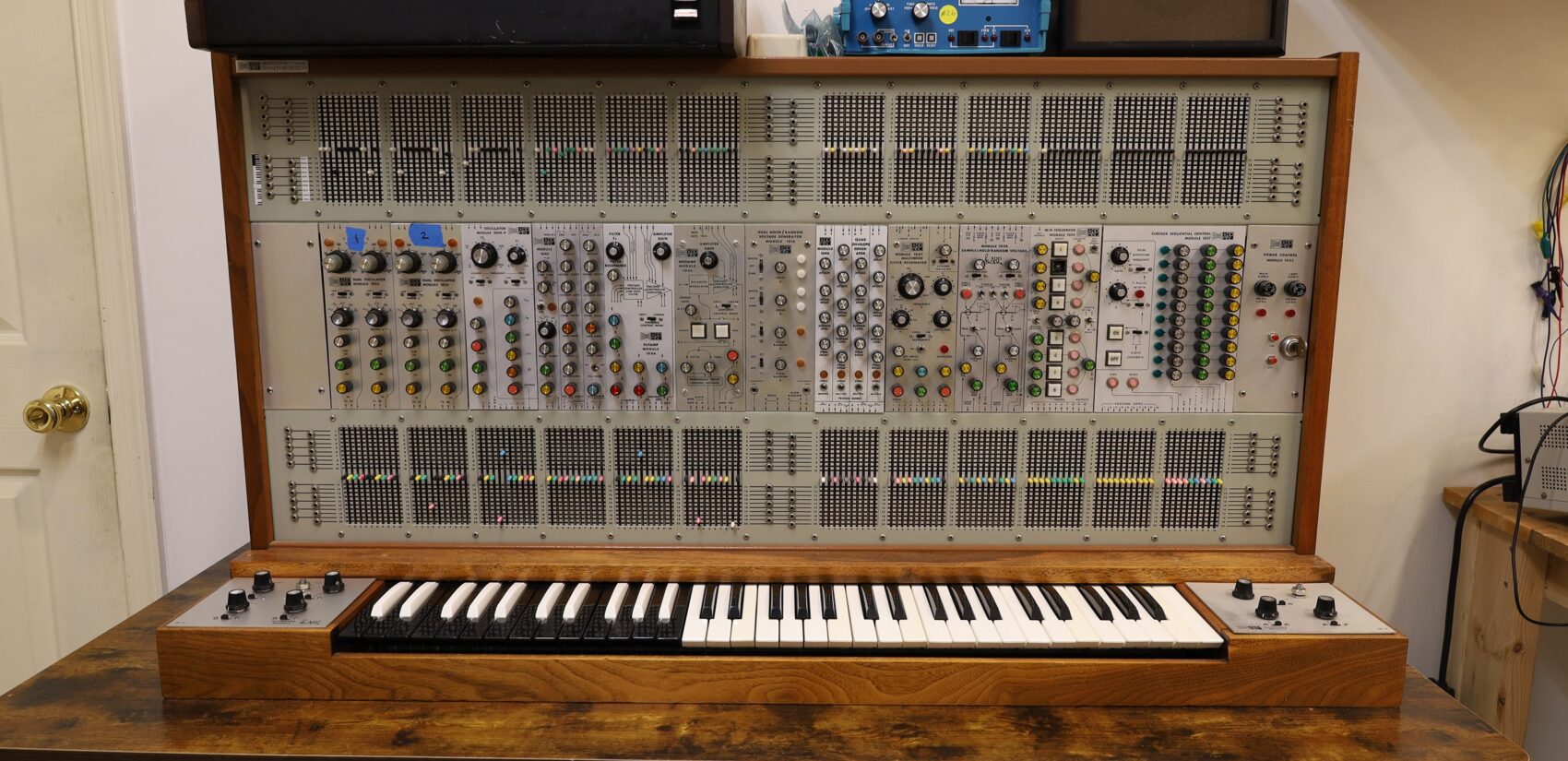
Stout said that while 10 years “sounds like a lot,” it pales in comparison to some of the instruments they work on, some of which are more than 60 years old.
“There are also the oldheads who have been doing this since before we were born,” Stout said. “But there is sort of a whole generation of techs who are retiring right now. There are a lot fewer people doing this than there were even when I started, which means that at this point, we’re actually among the more experienced shops in our area of the country.”
Beyond the scarcity of shops, their dedication to the craft is what has ensured repeat customers.
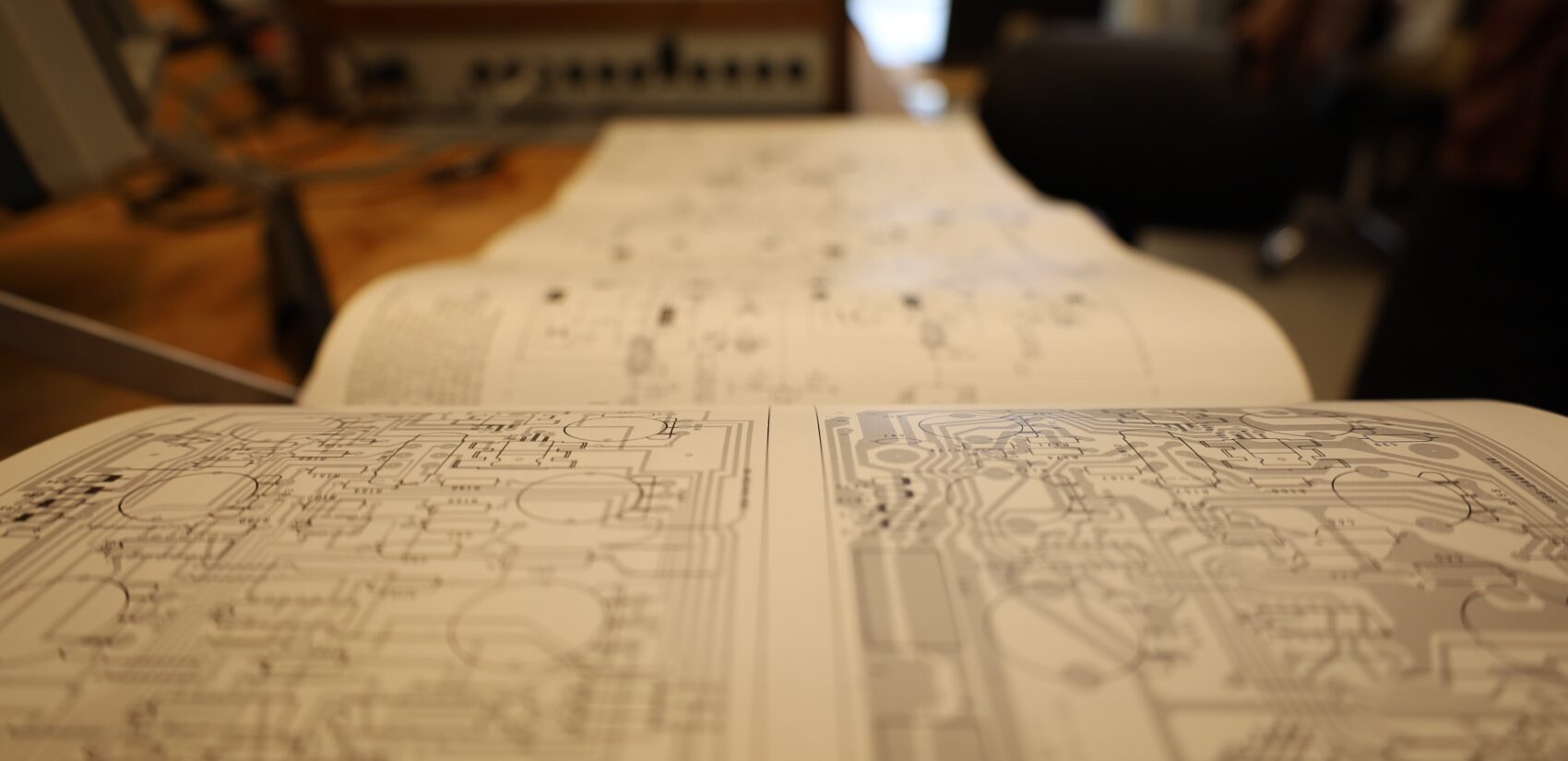
“What I really like about the job is treating it like a puzzle,” Scatton said. “Learning all of the little parts, what they all do, and then taking the problem at hand — like the circuit that’s not working — and piecing it together and figuring out why it’s not working.”
The variety of synthesizers available also adds to the shop’s demands, but common threads tend to connect the instruments down the line.
“I think one of the most important things to unlock has been just how a lot of it will just be the same type of circuits, just executed in slightly different ways and just being able to hone in and say, ‘Oh, I know what this part of the circuit is doing,’” Stout said. “That means you know the input, you know the output. All you have to do is figure out what’s going on in between and how it’s executed.”
Related Content

The rhythm of recycling: How a Philly-based master musician crafts instruments from the trash
The average American throws out almost 5 pounds of solid waste each day. One local musician aims to reduce waste by giving trash a second life.
1 year ago
Listen 5:29How technological advances have connected generations of synths and people
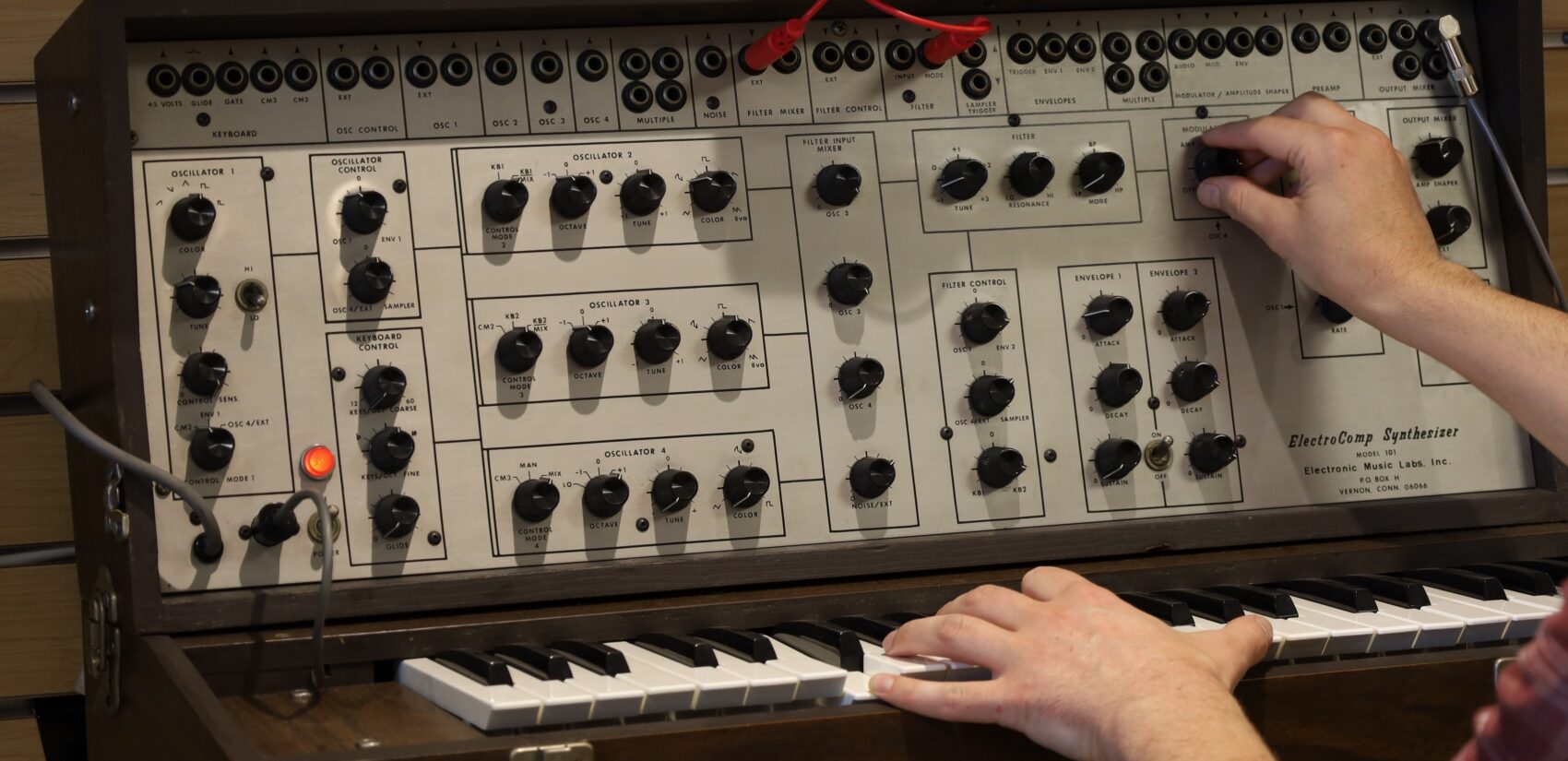
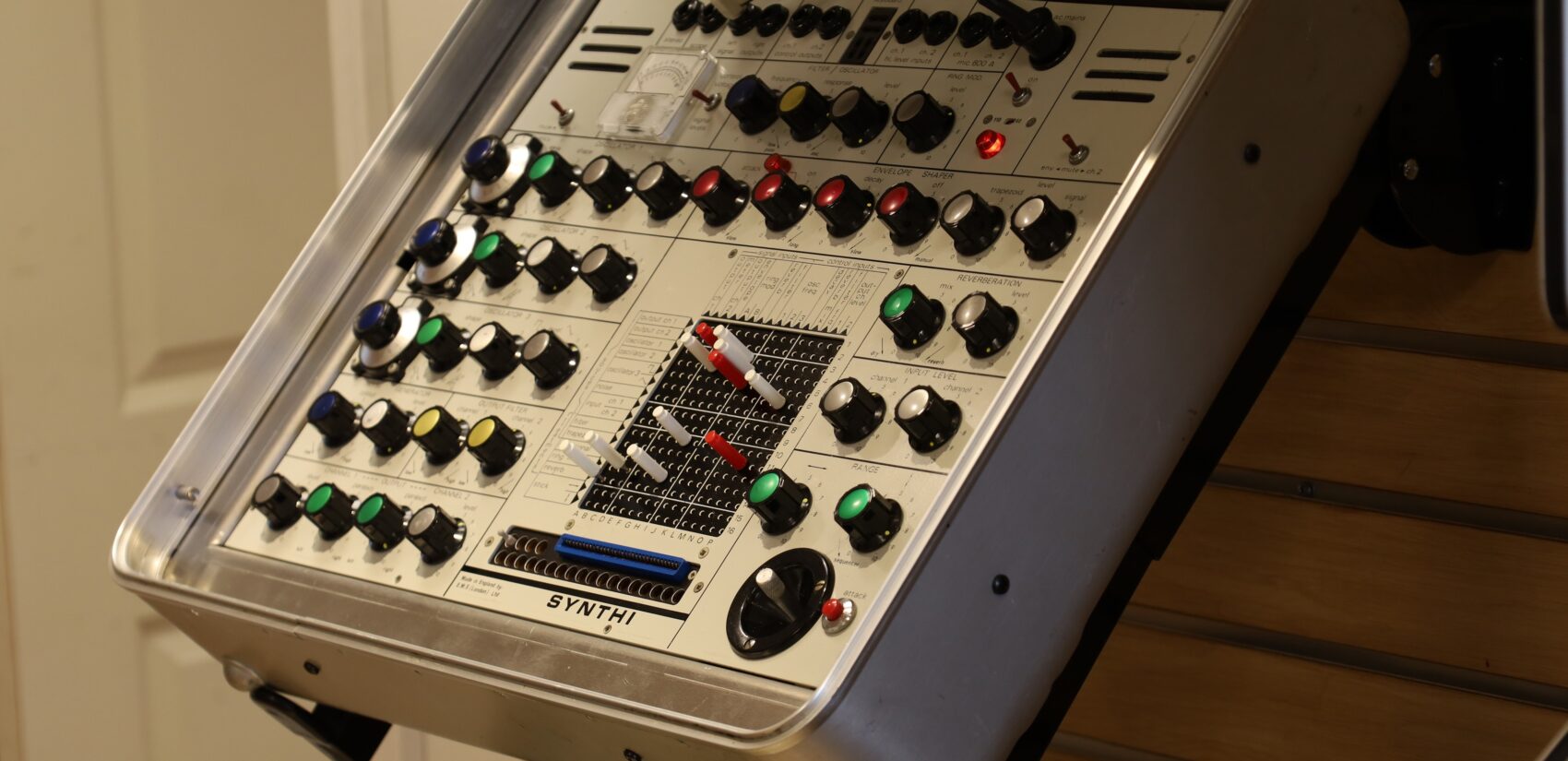
The instruments Bell Tone fixes and sells range in price. For example, the shop is currently selling an ARP Quadra synthesizer for nearly $10,000. A virtual version of the same instrument you can download on your computer is available for $49.
Even with massive price gaps in an economy that’s making it harder for the average person to afford essentials, the shop’s business hasn’t slowed down and seems to have been “getting busier over the years.”
“I think there’s still the core interest in having the physical thing in front of you,” Scatton said.
“A lot of people our age and younger will start out with the free or cheaper version, and then have the aspiration to upgrade to the original,” Stout said.
The advantage to having physical hardware, including some of which are more than a half-century old, turn out to be surprisingly rugged and dependable over the years.
“That’s what I like about them,” Stout said. “And I just really value things that can be repaired and just keep on going, especially in our kind of culture of disposable electronics.”
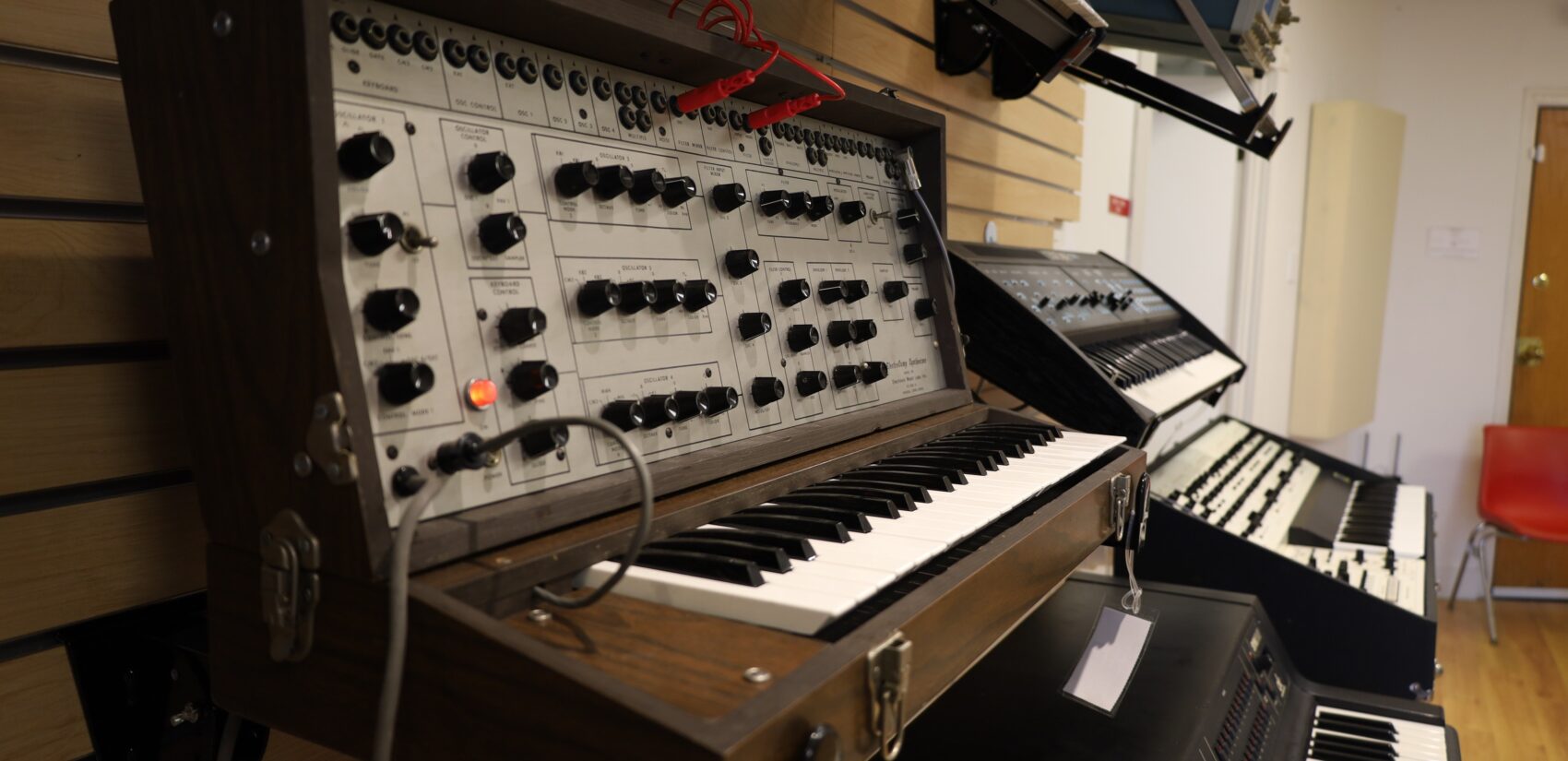
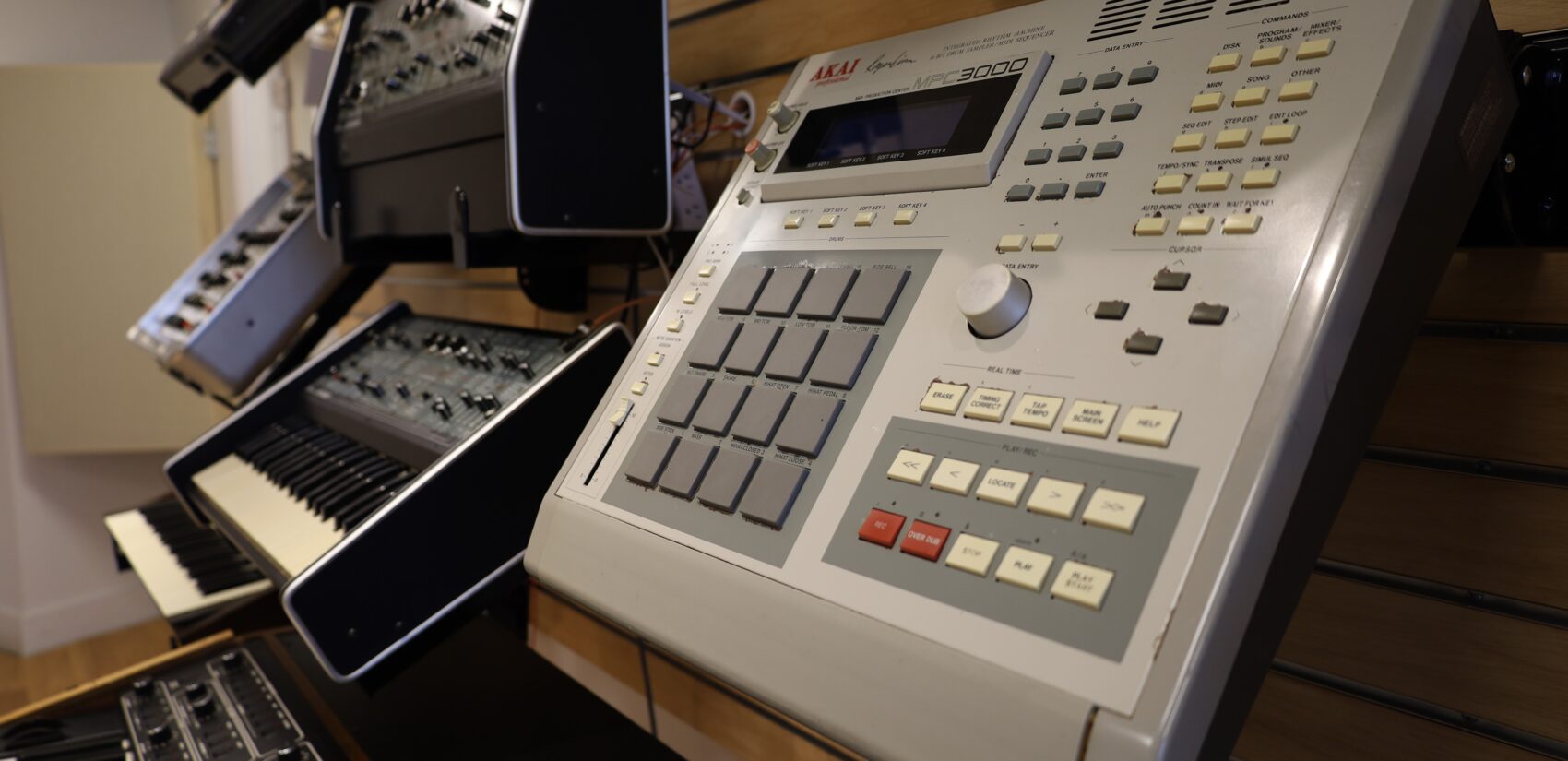
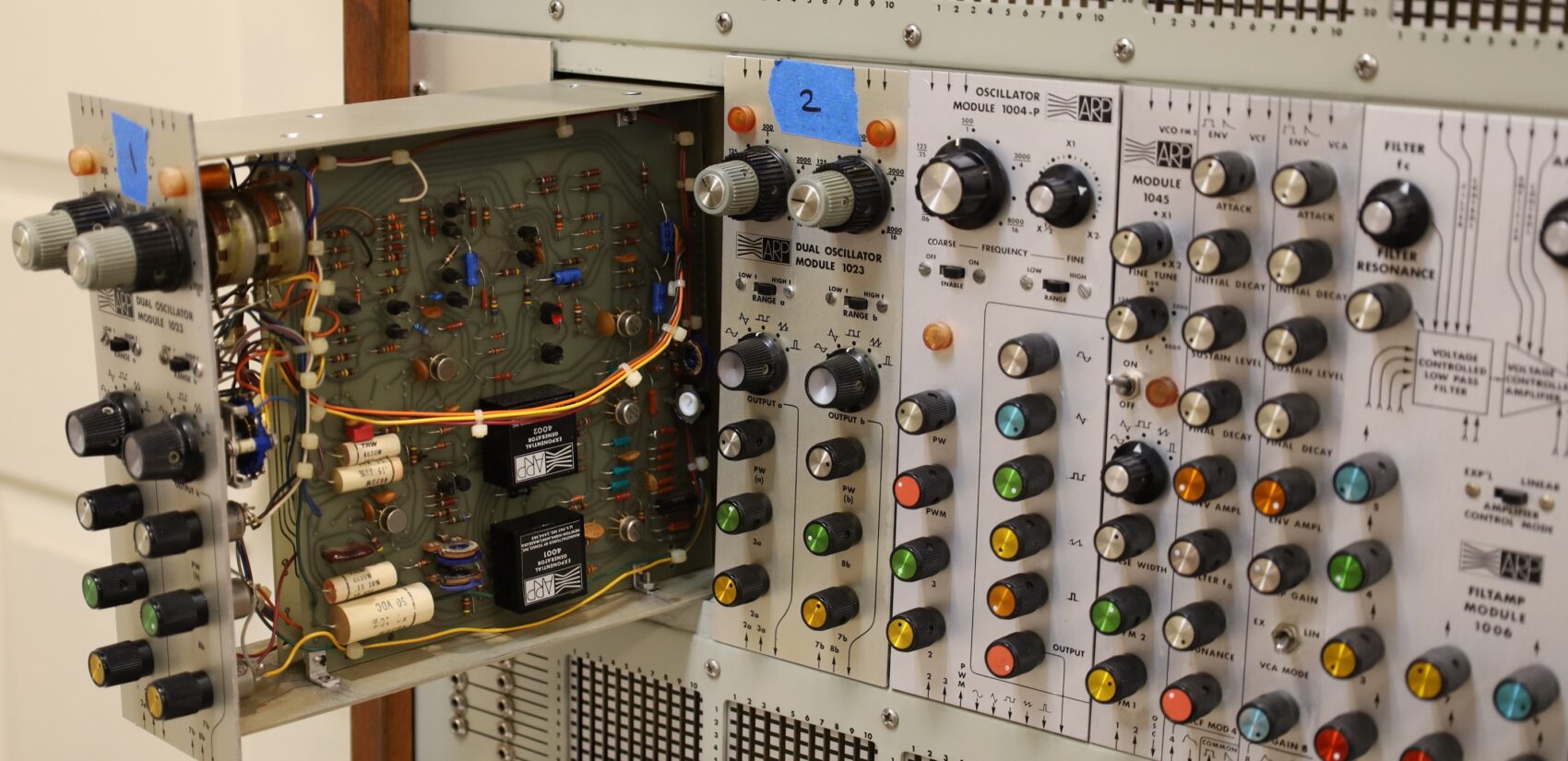
To help connect people directly with the world of synthesizers, the shop holds workshops to show people how to fix their instruments.
“Our workshops are about making repairs more affordable and helping people empower themselves to do simple repairs and giving people the confidence to realize that these things aren’t as complicated as they might at first seem,” Stout said.
In addition, Bell Tone is linking up with fellow synth enthusiasts, The Low Pass, for a series of “ambient open mics” for the electronic music community.
“It brings people together who have similar interests but wouldn’t normally cross paths, and we’ve seen a lot of nice conversations and people realizing they have more in common with other people then they might have otherwise thought,” Stout said.
The next open mic and open house session will take place at the shop on Oct. 11. The open house will be from 4–6 p.m. with the open mic following shortly after from 6–9 p.m.

Get daily updates from WHYY News!
WHYY is your source for fact-based, in-depth journalism and information. As a nonprofit organization, we rely on financial support from readers like you. Please give today.
The rhythm of recycling: How a Philly-based master musician crafts instruments from the trash
The average American throws out almost 5 pounds of solid waste each day. One local musician aims to reduce waste by giving trash a second life.
1 year ago
Listen 5:29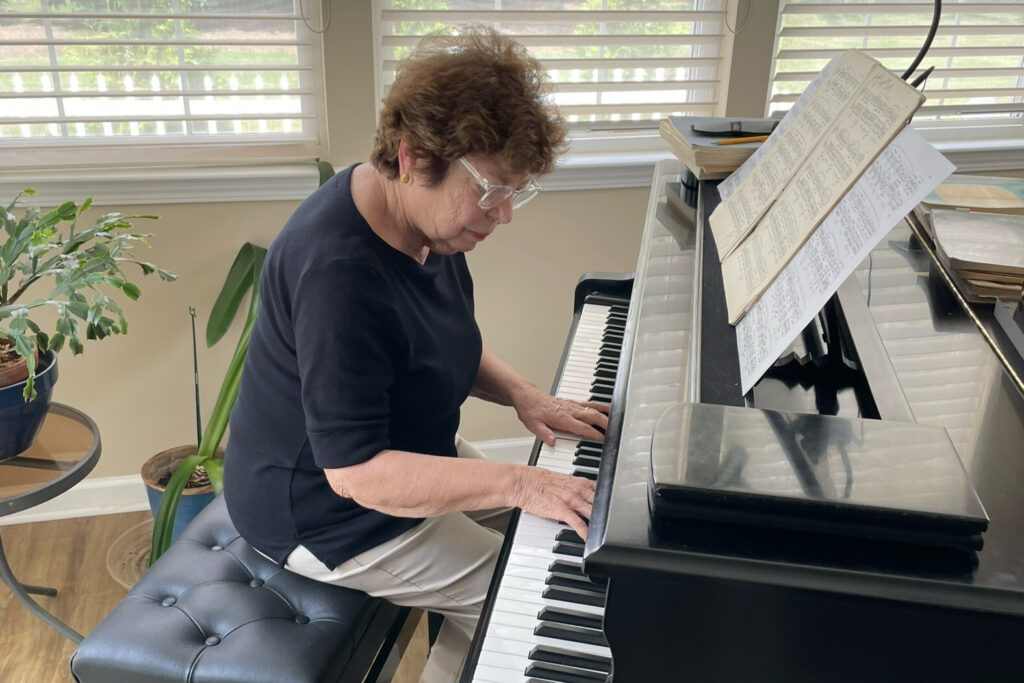
Ena Barton is an internationally acclaimed pianist who retired in New Jersey. She now teaches piano and plays the occasional concert in her 55-and-older community.
2 years ago
Listen 1:14
Todd Rundgren’s ‘Something/Anything?’ celebrated with a 50th anniversary charity tribute album
Proceeds from the ‘Someone/Anyone?’ tribute album will benefit the Spirit of Harmony Foundation started by Upper Darby’s favorite son.
5 years ago
Listen 7:05