Pa., N.J. and Del. to kick off 2027 ACA health insurance open enrollment on Nov. 1 as health costs rise: What you should know
ACA customers may face higher premium prices for coverage next year, but insurance experts say most people still qualify for financial assistance.
Listen 1:04
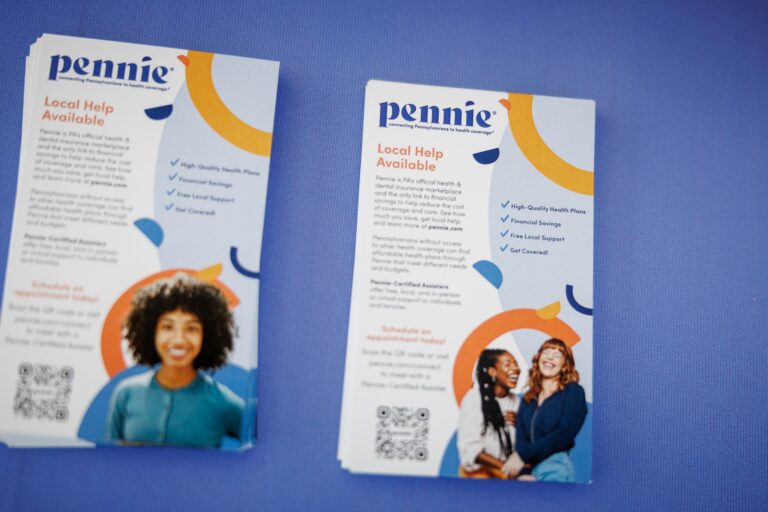
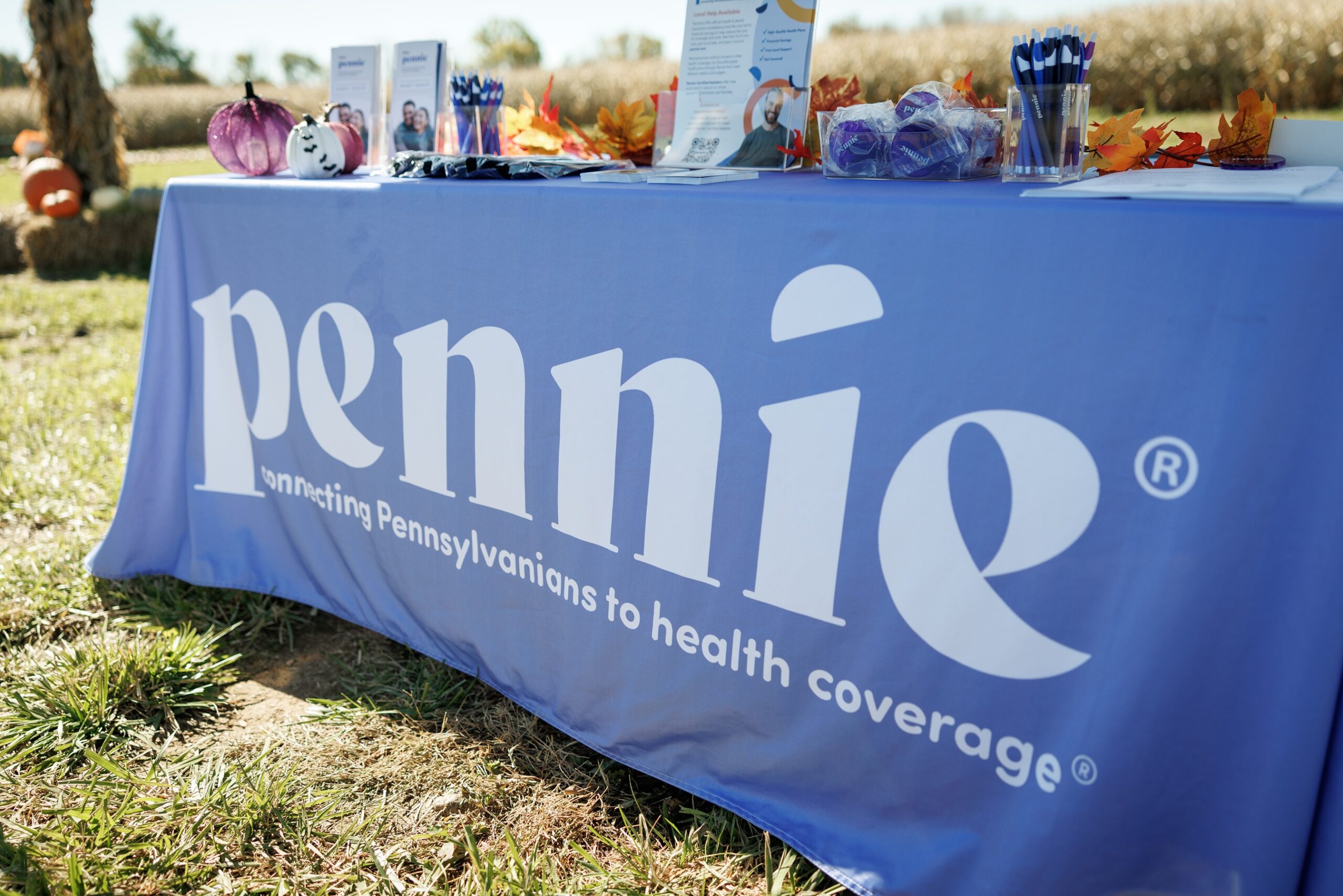
Pennie, the Affordable Care Act health insurance marketplace in Pennsylvania, will hold its annual open enrollment period from Nov. 1, 2026, through Jan. 15, 2027. (Commonwealth Media Services)
From Philly and the Pa. suburbs to South Jersey and Delaware, what would you like WHYY News to cover? Let us know!
There’s only one time of year when people can shop for health insurance on Affordable Care Act marketplaces and make changes to their plans, and that’s during the annual open enrollment period, which begins Nov. 1.
Coverage purchased during open enrollment will take effect on New Year’s Day or in early 2027.
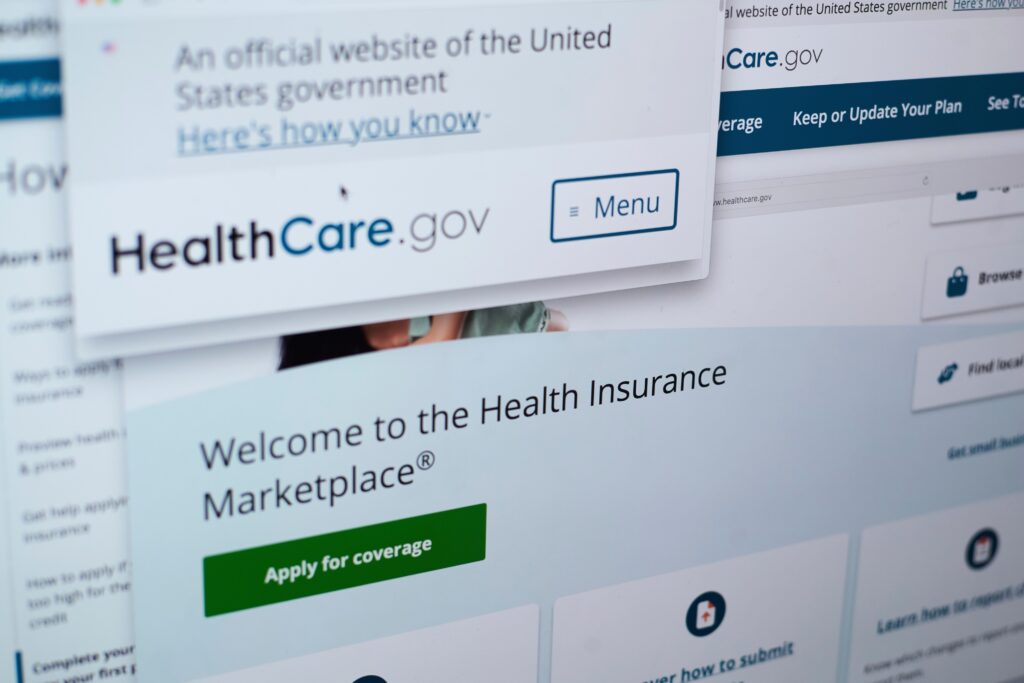
Hundreds of thousands of residents in the Delaware Valley will be able to review plans on state-based exchanges like Pennie in Pennsylvania and Get Covered NJ in New Jersey, or on the federal exchange at HealthCare.gov for people in Delaware.
As they do, people may see more expensive prices after insurance carriers raised premium rates throughout the region. Still, state insurance leaders are urging people to buy plans.
“Financially, having coverage protects you from high medical costs and medical debt in the event of an accident or illness,” said Devon Trolley, executive director of Pennie. “It also allows you to stay healthy enough to work and continue providing for yourself and your family.”

Who can shop for insurance plans during open enrollment, and what health services are covered?
Nearly all U.S. citizens and some lawfully present immigrants such as refugees and asylees can shop and buy insurance plans through ACA marketplaces, and most are people who cannot get coverage through an employer.
Open enrollment is the only time of year when people can review and make changes to their coverage outside of qualifying life events, which can include loss of a job and employer-sponsored coverage, moving, getting married or divorced, having a child, and a change in immigration status.
Marketplace plans offer coverage for individuals as well as families. Co-pays, deductibles and other out-of-pocket costs vary by individual plan, but insurance generally covers hospitalizations, prescription drugs, primary care and specialty services, maternity care, mental health and more, as well as health care for preexisting conditions.
Plans must offer vision and dental coverage for children, while some also include those services for adults. If not, adults may be able to buy stand-alone vision and dental plans through the marketplace.
Related Content
Pennsylvanians buying 2027 health insurance on Pennie will face 16% average premium increase
Loss of pandemic-era tax credits and high use of medical care are driving up costs on Pennie, the state’s Affordable Care Act marketplace, insurance officials say.
2 months ago
Listen 1:03How much do ACA health plans cost?
Customers have to prepare for higher price tags. Overall costs for health insurance purchased on ACA marketplaces and state-based exchanges like Pennie and Get Covered NJ will be higher for a second consecutive year due to changes in federal subsidies and higher use of health care services broadly, insurance officials said.

In Pennsylvania, average premium increases range from 1.4% up to 35% across all insurance carriers and plans, though costs will vary by specific plan. Increase requests were reviewed by the Pennsylvania Insurance Department, or PID, and finalized in September.
“PID’s rate review process requires insurers to justify every dollar that they propose to charge with data that supports the rate,” said Michael Humphreys, state insurance commissioner. “Our actuaries pushed back this year and blocked certain increases, totaling almost $95 million that Pennsylvanians would have paid in premium.”
Average premium increases range from 15.3% to 35.7% across ACA plans in New Jersey, according to finalized rates published last month.
The exact amount any one person will pay for coverage next year will vary greatly by insurance carrier, specific plan and where someone lives, since different insurance companies will sell plans in some counties, but not others.
Factors like age, income and household size are also calculated for tax credits and other financial assistance that can cut monthly premium costs.
Related Content
Customers will see higher average premium prices on Get Covered New Jersey during annual open enrollment, which begins Nov. 1.
1 month ago
Listen 1:01Who is eligible for financial assistance and premium tax credits?
Households and residents who anticipate making under a certain amount of income next year could be eligible for federal premium tax credits, which are automatically applied to premium charges and lower monthly payments for eligible customers.
About 9 in 10 Pennsylvanians who buy insurance through Pennie qualify for financial savings, state officials said.
“Many people pay under $100 a month for comprehensive policies that would otherwise cost six or seven times that amount,” Trolley said.
An estimated 8 in 10 people in New Jersey also qualify for federal premium tax credits or other financial aid programs that can also help reduce deductible amounts, co-pay charges and other out-of-pocket costs.
However, financial assistance has become more limited in recent years following the end of COVID-19 pandemic-era enhanced premium tax credits.
The boosted federal subsidies, passed in 2021, helped lower monthly premiums for more people, which led to historic ACA insurance enrollment numbers. But Congress failed to renew the boosted tax credits last year.
Since then, monthly premium costs swelled for many people across the country and millions of people have dropped ACA health insurance coverage, according to an analysis by KFF, a nonpartisan health research organization. About 214,000 Pennsylvanians have canceled their plans through Pennie since last November, state data shows.
However, Trolley said open enrollment is a good time for people to check back in and see if they might qualify for financial assistance in 2027 that could make coverage more affordable.
“Don’t assume that it’s out of reach before you go and check for yourself,” she said.
Related Content
120,000 Pennsylvanians have dropped ACA health insurance since the loss of federal subsidies
High monthly premium payments without enhanced tax credits, coupled with high costs of daily living, have caused some to cut insurance.
8 months ago
Listen 1:15Final deadlines, scam warnings and enrollment help
Open enrollment starts Nov. 1 in nearly every state, but final deadlines differ and can affect when health insurance coverage kicks in.
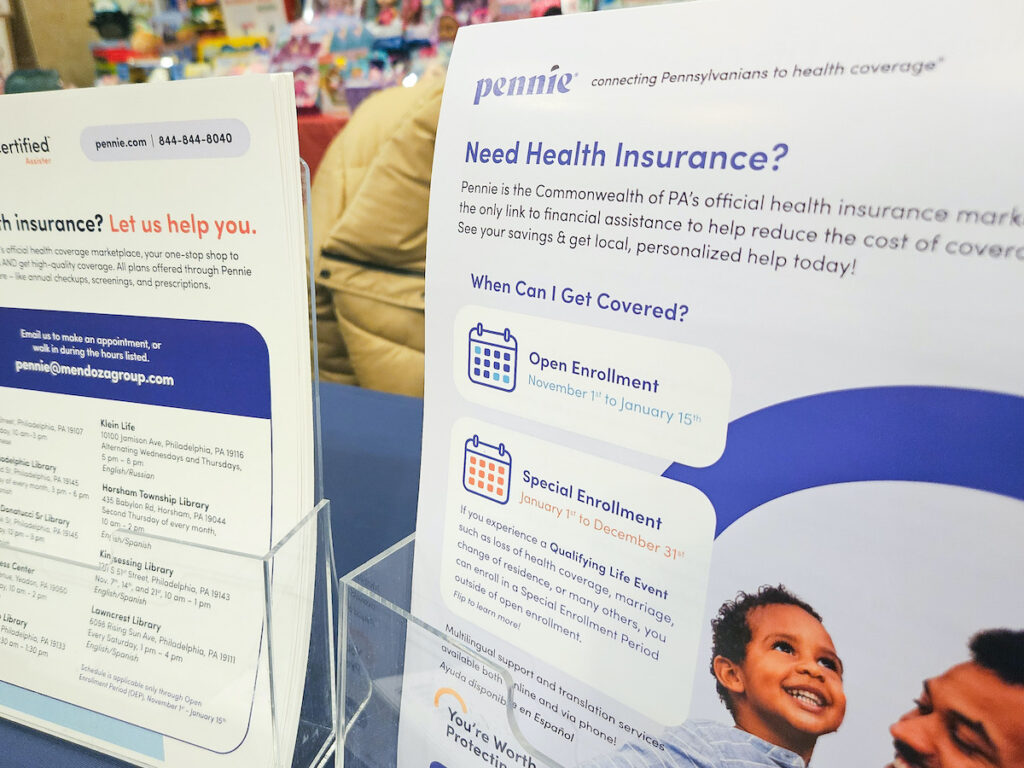
Pennsylvanians who purchase plans or make coverage changes on Pennie by Dec. 15 will see their new coverage take effect on New Year’s Day. Other people who select plans by the final open enrollment deadline of Jan. 15 will see coverage start on Feb. 1.
Residents in Delaware and other states who shop on the federal HealthCare.gov exchange face the same deadlines.
In New Jersey, people who lock in plans by Dec. 31 will see coverage begin on New Year’s Day. Others who make changes by the final deadline of Jan. 31 will have coverage beginning Feb. 1.
Insurance officials are warning people to be aware of scams during open enrollment, when incidents of fraud spike and “bad actors know that people are particularly vulnerable,” Humphreys said.
“Pennsylvanians can avoid fraudulent sales schemes by being cautious of unexpected calls, especially callers claiming to be from Social Security or Medicare, who then go on to ask very personally identifiable questions,” he said. “Check insurance licenses of those that may seek to sell you coverage.”
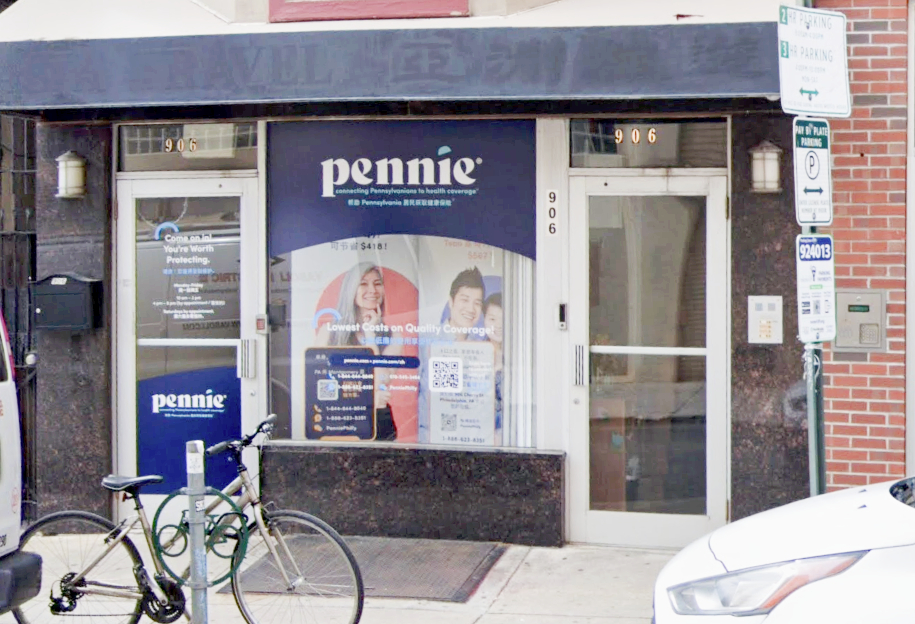
Enrollment assistance services and programs are offered in every state. Pennie partners with assisters and certified experts across the commonwealth who can offer support in person, over the phone and online. The state marketplace also runs a customer service line.
Get Covered NJ also uses a network of certified assisters and brokers to help people make coverage decisions, and provides a customer call center.
The Delaware Department of Insurance directs local residents to support resources and enrollment assistance offered through the federal HealthCare.gov platform.

Get daily updates from WHYY News!
WHYY is your source for fact-based, in-depth journalism and information. As a nonprofit organization, we rely on financial support from readers like you. Please give today.
Customers will see higher average premium prices on Get Covered New Jersey during annual open enrollment, which begins Nov. 1.
1 month ago
Listen 1:01
Across the U.S., an estimated 5 million people ages 50 to 64 face greater health insurance costs without federal premium tax credits.
9 months ago
Listen 1:49
Pa. Democrats, doctors push preservation of Affordable Care Act in face of Trump’s promise to repeal
Although initially highly partisan, Republicans appear to have largely given up the fight over the 2010 law. However, the presumed party nominee still has it in his sights.
3 years ago
Listen 1:11